Companies That Use CRM Software (and What Benefits They Get)
See which industries use CRM software and what benefits it brings.

Quick answer: which companies use CRM?
Most companies use CRM to track customer chats, deals, and support work in one system. So the answer to what companies use crm is “many, across many industries.”
These tools help manage customer data and chats across the full life cycle. That includes lead work, buying, service, and repeat visits. It is why companies who use crm often report smoother handoffs.
You might ask how many companies use crm. Exact counts vary by country and by what people call “CRM.” Still, adoption is wide because customer info is key to growth.
In short: CRM keeps context, tasks, and notes tied to one customer record.
- Keep customer info in one place
- Track chats, calls, and cases
- Share status across teams

What types of companies use CRM systems?
What companies use crm systems usually share one thing. They deal with repeat people over time. They also work across teams, like sales and support.
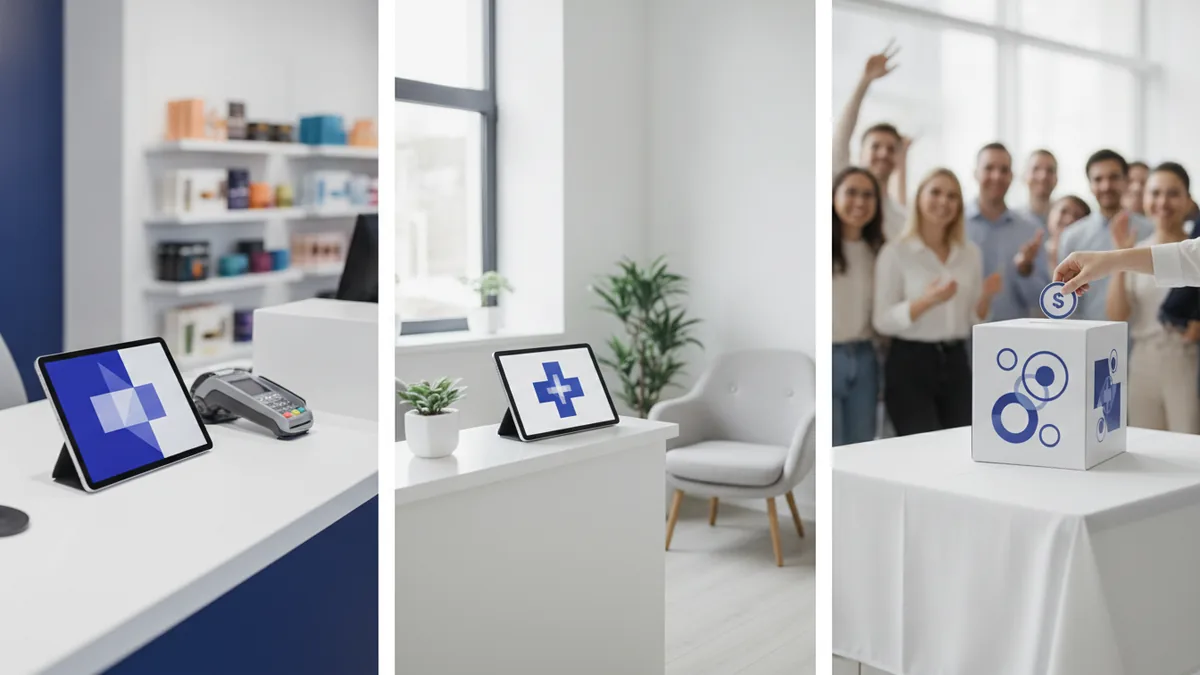
Here are common types of companies using crm systems you will see in real life. Each type uses the same idea, but with its own data fields.
- Healthcare clinics track visits, notes, and follow-ups.
- Retail and e-commerce teams track orders, returns, and support.
- Financial services firms track onboarding and service history.
- Non-profits track donors, events, and ongoing support.
- Service businesses track jobs, calls, and ongoing needs.
Even if teams are small, CRM helps. One person can still track leads, tasks, and next steps. As teams grow, the same system scales.
Many which companies use crm examples are also “mixed mode.” A sales team may use pipeline steps, while service uses case status.
Benefits of CRM for businesses (beyond “storing contacts”)
The benefits of crm show up when teams share one view of the customer. CRM helps manage customer interactions and data across the full lifecycle. That cuts missed steps and repeated questions.
First, CRM improves customer service. Support agents can see what happened before. They do not ask the same questions each time.
Second, CRM can boost retention. With clear history, teams spot at-risk customers earlier. They can then run better follow-ups and customer retention strategies.
Third, CRM improves internal communication. Sales and service share notes, status, and next tasks in one system. It reduces “who owns this?” moments.
- Fewer repeat questions in support chats
- Faster follow-up on leads and cases
- Better reports for managers
- More on-time renewals and rebuys
CRM also supports automation in sales and marketing. For example, it can set tasks after a demo call. It can also trigger email steps based on lead stage.

Key features to expect in CRM software for businesses
When you ask what companies use crm software, you are really asking what features they rely on. Most teams pick CRM for core work, not for fancy extras.
Start with contact management. This stores people and account details in one record. It also keeps call logs, notes, and key links.
Next, look for sales automation. This helps teams move leads through steps. It also sets tasks and reminders for follow-up.
Then check analytics. Analytics show what works, where deals stall, and which actions help. This makes it easier to do better data analysis.
| CRM need | What you should see | How it helps |
|---|---|---|
| One customer record | Account and person profile with history | Support and sales work faster |
| Lead and deal steps | Stage views and clear deal fields | Better forecasts and follow-ups |
| Tasks and reminders | Auto tasks for calls and next steps | Less chasing and fewer delays |
| Team reports | Dashboards for outcomes and time | Leaders spot slow spots |

Choosing the right CRM: operational, analytical, and collaborative
Not all CRM tools fit the same way of working. Many teams ask “Which CRM type is best?” That helps answer why do companies use crm in the first place.
Here are three common CRM types. Many platforms mix them, too. You still can choose what you lean on most.
Operational CRM
Operational CRM focuses on daily tasks. It helps teams run work like lead routing and case handling. If you want faster replies, this matters most.
Operational tools often include pipeline views and task rules. That supports steady work across the day. It reduces back-and-forth.
Analytical CRM
Analytical CRM focuses on reporting and insights. It helps you learn which leads convert and why. It also helps with data analysis for trends.
Analytical setups often bring dashboards and trend views. Teams then adjust plans based on facts. They stop relying on gut feel.
Collaborative CRM
Collaborative CRM supports team sharing. It ties notes and chat logs to the same customer record. It helps teams coordinate without extra meetings.
Collaboration features can include shared notes and clear status views. That keeps handoffs clean. It also helps new staff ramp up.
When you select CRM, think about fit and growth. Check scalability for users and data. Also check how well it links with your current tools.
- Pick a CRM type that matches your daily work
- Check it can grow with your team size
- Plan for link-ups with your current tools
- Start small with one key workflow
Industry-specific CRM examples and what to automate
CRM use looks different by industry. Yet the goal is the same. It is always about clear customer context and fewer missed steps. This is why industry-specific crm solutions exist.
Pick one key moment for your industry. Then build CRM steps around that moment. That is how you get fast value.
Healthcare examples
Healthcare teams can use CRM for visits and follow-ups. A common win is visit reminder tasks. It also helps route calls when staff are busy.
Another win is history for staff handoffs. When a nurse or clerk joins a case, they see key context.
Retail and e-commerce examples
Retail and e-commerce teams use CRM for orders and support. They track returns, shipping issues, and product questions. This keeps each case tied to the right purchase.
Automation can create support tasks after common order issues. It can also trigger “reorder soon” steps for repeat buyers.
Financial services examples
Financial services teams can use CRM for onboarding and service. They track what was done and what is next. This helps keep work consistent across staff.
Automation can set reminders for reviews and documents. It also helps route tasks by account type.
Non-profit examples
Non-profits use CRM for donors and event plans. They track past giving and event attendance. It supports timely follow-ups after each campaign.
They can also automate simple email steps by donor interest. That helps keep outreach relevant and timely.
Choose one “moment that matters,” then automate around it.
FAQ: CRM usage, selection, and rollout
Why do companies use CRM?
Companies use CRM to keep customer info in one place. It helps teams share notes and next steps. That improves follow-ups and service speed.
What companies use CRM software?
Many organizations use it. Examples include healthcare groups, retail and e-commerce teams, financial services firms, and non-profits.
How many companies use CRM?
A single number is hard to confirm. Adoption is high because CRM supports customer work across many team types.
What is a good first step when adopting CRM?
Pick your top pain point, like slow lead replies. Then map one workflow into CRM fields and steps. Keep the first rollout simple.
Should companies using outsourcing also use CRM?
Yes, when outsourcing handles customer-facing tasks. A shared CRM reduces gaps in handoffs. It keeps the latest customer context in one record.
What’s the difference between operational and analytical CRM?
Operational CRM supports daily tasks and workflows. Analytical CRM focuses on reports and trend views. Both can work well together.
Frequently asked questions
- Which companies use CRM software?
- Many organizations use it, including healthcare providers, retail and e-commerce teams, financial services groups, and non-profits.
- Why do companies use CRM?
- They use it to keep customer interactions organized across teams. This improves follow-ups, handoffs, and reporting.
- What is the difference between operational and analytical CRM?
- Operational CRM supports day-to-day work like pipeline stages and tasks. Analytical CRM focuses more on data analysis and performance reports.
- What features matter most in CRM software for businesses?
- Look for contact management, sales automation, and analytics. These features help teams track work and measure results.
- How should a business choose a CRM?
- Match CRM type to your needs, then check scalability and integrations. Start with one workflow and grow after adoption.
- Can outsourced teams use CRM too?
- Yes, when outsourcing partners handle customer tasks. A shared CRM reduces handoff gaps by keeping context in one place.
Related reading

Understand Insulin’s Role in Metabolism (Key Processes)
See how insulin guides glucose, fat, and protein use in the body.

Consulting Company Revenue Models: How Pricing Works and Why
Understand how consulting fees work, from hourly rates to value pricing.
Business Credit Explained: What It Is and How to Improve It
Understand business credit, what lenders see, and how to improve your score.