How Ethics Applies to Business Communication
Build trust with clear, fair, and responsible business messages.

What Ethical Communication Means in Business
Ethical communication in business means sharing facts in a fair, honest, and respectful way. It applies to emails, sales claims, reports, meetings, social posts, and customer support. The goal is clear understanding, not pressure or confusion. That is how ethics applies to business communication in daily work.
Four core principles guide this work. Honesty means avoiding false claims and hidden facts. Integrity means matching your message with your actions. Fairness means giving people a balanced view. Respect means valuing each person’s time, rights, privacy, and choices.
These principles shape both large announcements and small exchanges. A manager should not hide a major risk from staff. A sales team should not promise a feature that does not exist. A firm should also correct errors quickly when new facts appear.
- State facts in plain language
- Separate facts from views or forecasts
- Share key limits before asking for action
- Protect private data and personal details

Why Ethics Builds Trust and Long-Term Value
Trust grows when words, actions, and results line up over time. Stakeholders include staff, customers, suppliers, investors, regulators, and local groups. Each group tests whether the business tells the truth under pressure. Ethical communication gives them a sound reason to stay engaged.
Trust also lowers friction. Customers ask fewer follow-up questions when terms are clear. Staff make better choices when leaders share the full context. Investors can judge risk more well when reports avoid vague claims.
Brand reputation depends on many small signals. A firm may lose trust after one hidden fee or missed promise. A timely correction can limit the harm. A steady record of fair messages can support sales, hiring, and growth for years.
The value is not only moral. Clear messages reduce disputes, rework, refunds, and staff confusion. They also help leaders spot weak plans before launch. Ethical communication becomes a business asset when teams use it every day.

Common Ethical Dilemmas in Business Messages
Many hard choices involve two valid aims. A company may need to persuade buyers while still sharing key limits. It may need to protect trade secrets while giving staff enough detail. Good judgment starts by naming the conflict.
Transparency versus persuasion
Marketing often highlights a product’s best results. Ethical messaging must also show limits that could change a buyer’s choice. For example, a service may claim “save 30%” only for a narrow user group. The claim needs clear scope, proof, and terms.
Privacy versus useful personalization
Personal data can help firms tailor offers and support. Yet people may not expect every use of their data. Ask for clear consent when needed. Collect only what the task requires. Explain how long the firm keeps it and who can access it.
Speed versus accuracy
Digital channels reward fast replies. A rushed update can spread wrong facts to thousands of people. Mark uncertain details as unconfirmed. Name the owner of the next update. Correct errors in the same channel when possible.
Loyalty versus truthful reporting
Staff may fear harm when they raise a risk or mistake. Leaders should not punish good-faith reports. A report that hides bad news puts customers and the firm at greater risk. Ethical decision-making needs safe paths for speaking up.

Practical Ways to Navigate Ethical Dilemmas
Teams need a repeatable test for hard messages. Ask who may gain, who may face harm, and what facts are missing. Then check whether the message would seem fair if shared in public. This simple pause can prevent costly mistakes.
- Check the facts. Confirm claims, dates, prices, figures, and sources.
- Find the affected groups. Include customers, staff, partners, and people with less power.
- Test the message. Remove hype, hidden limits, and words that may mislead.
- Protect private details. Use the least data needed for the stated goal.
- Record the choice. Note the risk, review path, and reason for the final wording.
- Review the result. Track complaints, errors, and signs of harm after release.
Responsibility in messaging does not mean making every message dull. It means making the choice clear without using fear or false urgency. A strong message can still be brief, warm, and persuasive. It earns action through value rather than confusion.
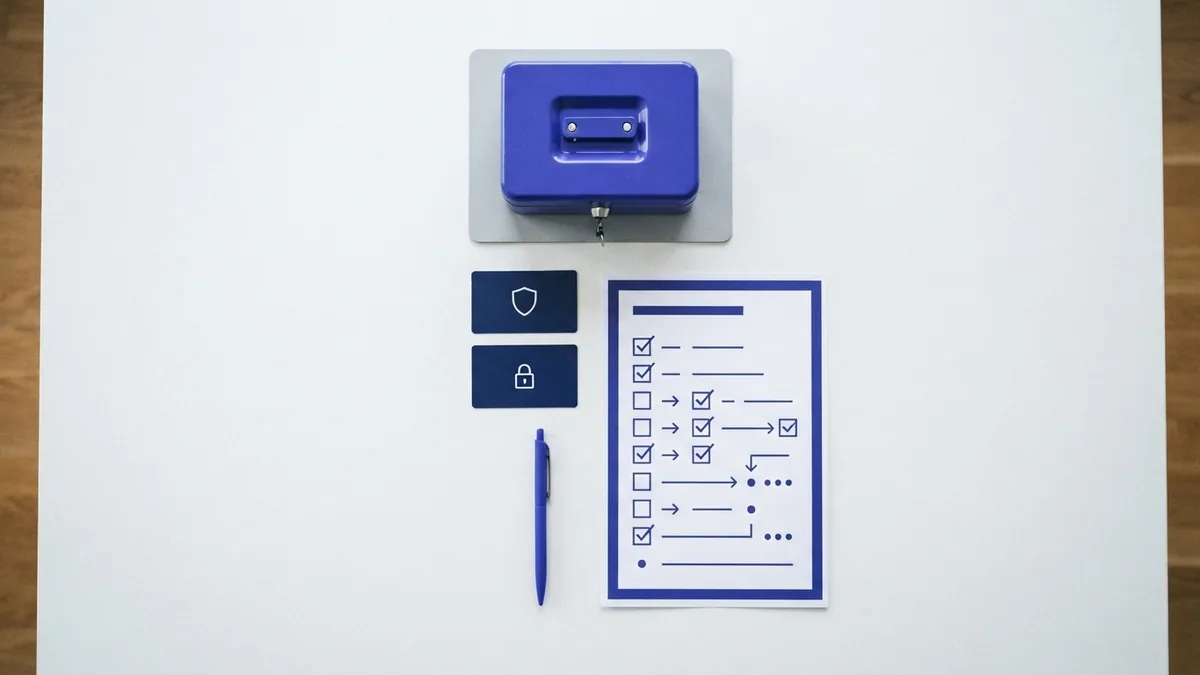
Privacy needs special care in digital channels. Set access rules for customer data and staff records. Remove data that no longer serves a clear need. The FTC’s privacy and security guidance offers a trusted starting point for basic data safeguards.
How Technology Changes Ethical Communication
Digital tools let one message reach a large audience within minutes. That reach raises the cost of mistakes. A private reply can become a public post. A stored chat can also outlive the reason for its creation.
Automation adds another risk. A tool may send a useful reply to the wrong person. It may also copy an unfair pattern from past data. Keep human review for sensitive cases, such as credit, health, jobs, or complaints.
Teams should set clear rules for email, chat, social channels, and automated tools. Limit who can send public updates. Keep an approval path for claims and crisis news. Save a clear record of changes.
- Use access limits for private records
- Review automated messages before broad release
- Tell users when automation shapes a reply
- Offer a human route for appeals
- Check old data for safe removal
Digital communication challenges also include tone and context. Short posts can sound harsh or vague. Images and charts can hide scale or uncertainty. Add the context a reasonable reader needs before acting.
Build a Clear Ethical Communication Framework
A policy turns values into daily choices. It should cover internal messages, public claims, customer contact, data use, and crisis updates. Keep the policy short enough for staff to use. Add examples for common work tasks.
Give each team a clear role. Legal staff may check rules and risk. Product owners should confirm feature claims. Data leads should review privacy needs. Senior leaders should own the final standard.
| Policy area | Useful rule | Simple check |
|---|---|---|
| Claims | Support each key claim with current proof | Can we show the source? |
| Privacy | Use only needed data | Would the user expect this use? |
| Corrections | Fix errors in the same channel | Can affected readers see the fix? |
| Approval | Set review steps for high-risk messages | Who owns the final call? |
Training makes the policy real. New staff should learn it during their first weeks. Existing teams should practise with short cases at least twice each year. Track attendance, quiz scores, reported concerns, and repeat errors.
Make reporting safe and easy. Staff need a named contact and a private route for concerns. Managers should explain what happens after a report. Reward people who flag risks early.
Lessons from Ethical Communication Cases
Consider a software firm that finds a security flaw before a major launch. A weak response hides the issue and keeps the old date. An ethical response explains the risk, delays release, and gives customers a safe update. The second choice may hurt short-term sales. It protects trust and reduces harm.
Now consider a retailer that learns its “free delivery” offer excludes many rural orders. The firm can keep the fine print hidden. Or it can show the limit near the offer, update the ad, and refund affected buyers. Clear correction may cost more today. It can prevent wider complaints tomorrow.
A third case involves staff data. A company wants to review work chats for training. It should state the purpose, limit access, and remove private details. It should also give staff a way to ask questions. A broad review without clear notice can damage trust inside the firm.
These cases share one lesson. Ethical communication weighs short-term gain against lasting relationships. It favors truth, fair choice, and care for affected groups. That is the heart of business communication ethics.
A Simple Standard for Every Business Message
Before sending a message, ask four questions. Is it true? Is it fair? Is it needed? Does it respect the people who will receive it? If one answer is no, pause and revise.
Leaders set the tone through their own choices. They should admit gaps, share bad news early, and welcome challenge. Staff then see that integrity in business is more than a policy. It is a shared work habit.
Ethical communication supports trust, reputation, and sound growth. It helps stakeholders make informed choices. It also gives teams a firm guide when facts or pressure change. Use clear rules, regular training, and human judgment to keep that trust strong.
Frequently asked questions
- What is ethical communication in business?
- Ethical communication shares truthful, clear, and fair information. It respects privacy and avoids pressure, hidden limits, and false claims.
- Why is ethics important in business communication?
- It builds stakeholder trust, protects brand reputation, and reduces disputes. Clear messages also help staff and customers make better choices.
- How can businesses navigate ethical dilemmas in communication?
- Name the conflict, check the facts, consider affected groups, and remove hidden risks. Record the choice and review its results.
- How does data privacy affect business communication?
- Set clear data rules, collect only needed details, limit access, and explain the purpose. Give people a human path for questions or appeals.
- How should employees learn ethical communication practices?
- Use real examples during onboarding and repeat practice twice each year. Track attendance, test results, reports, and repeat errors.
- What should an ethical communication policy include?
- A policy should cover claims, privacy, approvals, corrections, public channels, and crisis updates. It should name owners and give staff a safe reporting route.
Related reading

Build a Business Plan That Guides Your Next Move
Turn your business idea into a plan you can test, fund, and update.

How CRM Improves Business Performance — From Sales to Service
See how CRM can help your team serve customers and work smarter.

Find Consulting Jobs (From Search to Offer)
Find consulting roles, build strong applications, and prepare for interviews.