How to Start a Beef Jerky Business: Steps, Costs, and Key Rules
Learn how to start a beef jerky business with steps, legal rules, costs, and marketing.
Understanding the beef jerky market
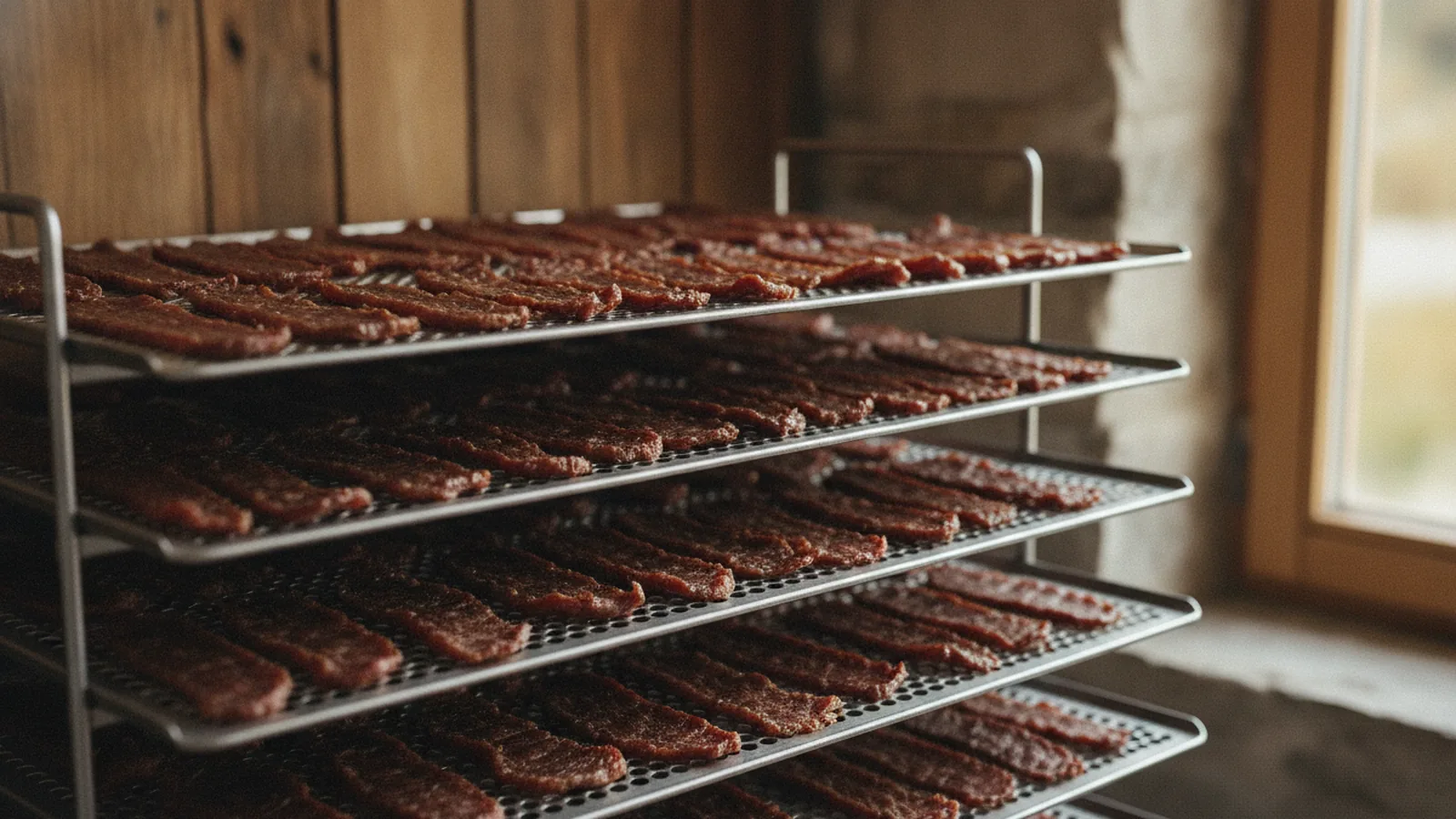
If you want to learn how to start a beef jerky business, start with demand. Jerky remains a popular snack for road trips, sports events, and workplaces. People buy it for protein, convenience, and long shelf life.
Today’s buyers also expect variety. Flavors like teriyaki, sriracha heat, smoked pepper, and maple spice are common. Many shoppers look for “clean label” ingredients, but they still want bold taste and consistent texture.
For beef jerky production, consistency wins. A small brand can compete by nailing one signature profile and repeating it batch after batch. Market research should focus on who already buys jerky near you and what price points they accept.
- Check local retailers for top-selling flavors and packaging sizes.
- Study online listings for reviews that mention texture and dryness.
- Compare your target price to snack competitors, not only jerky brands.

Legal requirements and food safety regulations
Food rules are the biggest “yes/no” factor in how to start a small beef jerky business. Requirements vary by country and state, so confirm your local setup with your food safety authority. Plan early because licensing can take weeks, even if production itself is simple.
In many places, you may need permits for food processing and labeling. You may also need a plan for safe handling, sanitation, and temperature control. If you sell across state lines, you may face extra requirements.
Food safety regulations usually cover raw meat sourcing, preventing cross-contamination, and controlling time and temperature. Jerky is often treated as a shelf-stable product, but you still need validated processes. Ask your inspector what they require for your recipe and process validation.
- Confirm which license or registration applies to your business model.
- Use approved labeling for ingredients, net weight, and allergen info.
- Document your cleaning schedule and your process steps.
- Keep meat records from supplier to finished goods.
For a trusted baseline on food safety programs in the U.S., use Food Safety Modernization Act (FSMA) fact sheets from the FDA. It’s a useful reference point while you confirm local steps with your regulator.
Equipment and supplies you will need
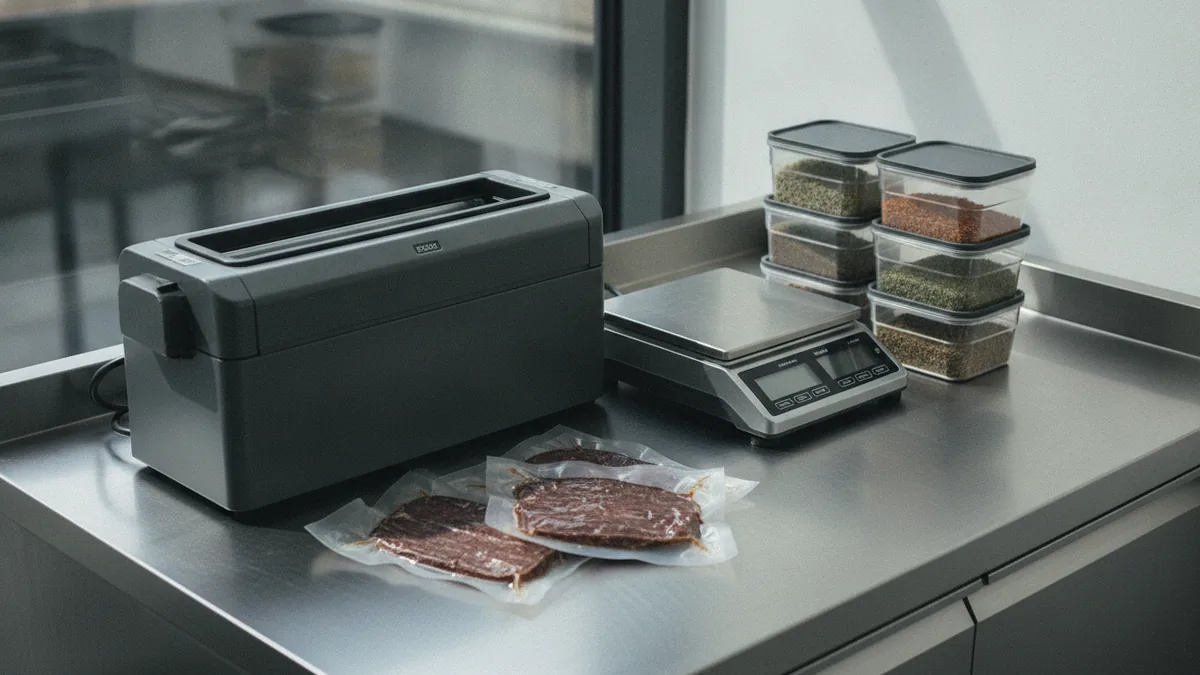
Equipment for food production is easier than many people think, but you must buy the right versions. A basic setup usually includes a dehydrator, safe meat prep tools, and packaging gear that protects shelf life.
At minimum, you need a dehydrator that can hold steady temperatures and airflow. Many small makers also use a vacuum sealer to remove air and extend freshness. For ingredient mixing, you want food-safe bowls and measuring tools.
Seasoning safety matters too. If you use marinades, you must discard leftover liquids that touched raw meat. Also plan for food-grade gloves, hairnets, and sanitizers.
| Category | Examples | Why it matters |
|---|---|---|
| Cooking and drying | Commercial dehydrator, trays | Even drying prevents case-hardening |
| Prep | Sharp slicing knife, cutting board, scale | Consistent thickness improves texture |
| Packaging | Vacuum sealer, bags, labels | Protects flavor and shelf life |
| Sanitation | Food-safe cleaner, sanitizer, towels | Reduces contamination risk |
| Tracking | Lot labels, batch logs, thermometers | Helps with recall readiness |
Production process of beef jerky
The step-by-step process of making beef jerky is mostly about sourcing, cutting, seasoning, drying, and packaging. If you keep your steps controlled, you can scale from small business setup to steady output.
Start with meat sourcing. Choose a cut with low connective tissue so it chews well after drying. Ask your supplier about processing practices and keep invoices and lot numbers. Before seasoning, trim excess fat, since fat can go rancid faster than the lean portions.
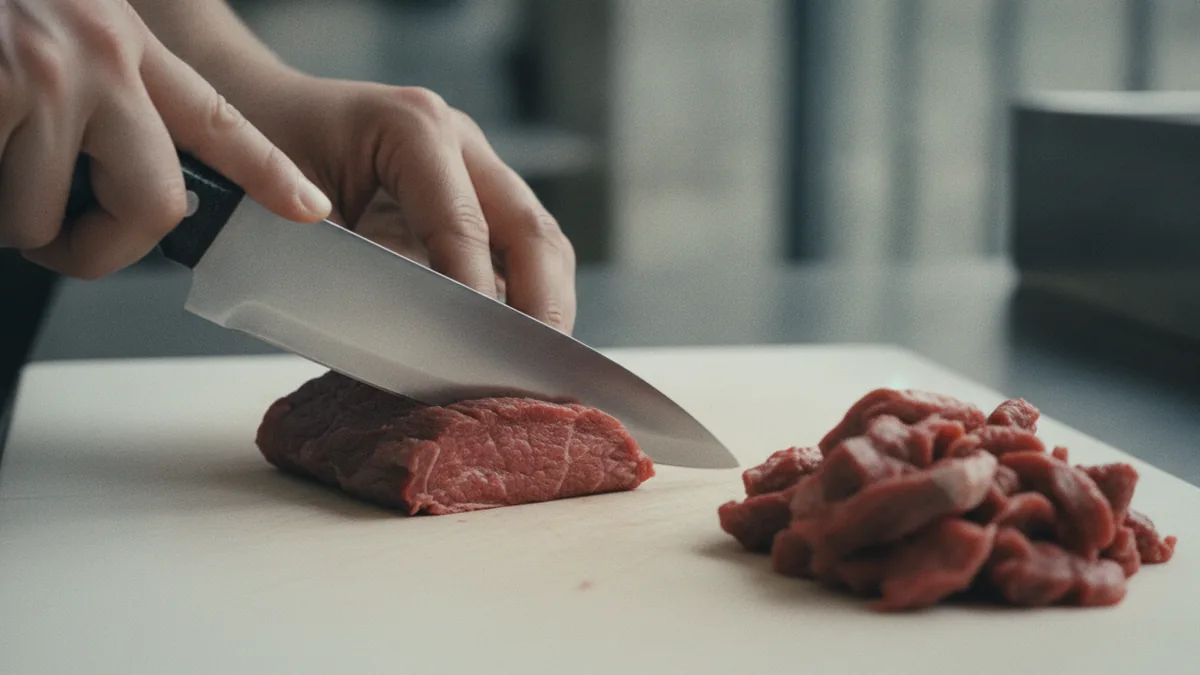
Next, focus on sizing. Slice meat against the grain into consistent strips or chunks. Thickness drives cook time and texture. If one batch is thicker, it dries unevenly and may fail your target moisture level.
Seasoning then needs discipline. Mix your spices with a measured base like soy sauce, Worcestershire, vinegar, or a dry rub. Many small makers marinate for a short, repeatable window, such as 6 to 24 hours. Never reuse marinade that touched raw beef.
- Receive beef and store it at safe temperatures.
- Trim, slice, and weigh portions for batch consistency.
- Mix seasoning and apply it evenly to each cut.
- Arrange pieces without overlap on dehydrator trays.
- Dry until your target doneness and texture are reached.
- Package immediately after cooling to room temperature.
Finally, lock in your quality checks. Use a basic method to track dryness, like a standardized bend test. For food safety and consistency, keep detailed batch logs that include temperatures, time, and any deviations.
Marketing your beef jerky business
Marketing strategies for food should focus on trust, taste, and repeat buying. Your brand story matters, but customers also want proof that the product is consistent. Plan marketing around sampling, reviews, and clear product descriptions.
Branding should be simple and easy to recognize. Pick 1 to 3 signature flavors first, then expand once demand is steady. Use packaging that shows net weight, ingredients, and a clear flavor name. If people can’t understand it quickly, they buy less.
For online presence, build a site or shop page that includes ingredient lists and how the jerky is made. Add photos that show color and texture, and link to reviews. If you sell at farmers markets, pair your online page with a “where to buy” list.
- Run small tasting events with a feedback card.
- Offer a mixed sampler to reduce flavor risk.
- Ask buyers to share photos and honest texture notes.
- Use short videos that show slicing and drying steps.
- Target local gyms, hiking clubs, and office managers.
Financial planning and pricing strategies
Cost analysis is the fastest way to avoid trouble when you learn how to start a beef jerky business. Start by listing every input you use per batch: meat, seasonings, packaging, labor, utilities, and spoilage losses. Then calculate cost per pound of finished product.
Initial investment often includes equipment plus the setup needed for safe production and compliant labeling. Ongoing expenses include replacement trays, packaging supplies, cleaning chemicals, and shipping materials. If you buy meat frequently, your costs can swing with market prices.
Pricing should cover costs and leave room for marketing and growth. A common method is to set a target gross margin and work backward from your estimated selling price. If you sell in retail, you also need to account for retailer margin and possible returns.
| Expense type | What to track | Example approach |
|---|---|---|
| Product cost | Meat loss, seasoning per batch | Weigh inputs and finished output |
| Packaging | Bags, labels, boxes | Get per-unit quotes from suppliers |
| Operating | Electric use, sanitizer, gloves | Estimate monthly then divide by batches |
| Labor | Prep and slicing time | Set an hourly rate and log minutes |
| Sales channel | Fees, shipping, retailer margin | Use a per-order cost model |
When you test pricing, start with a few fixed bundles. Examples include 2-pack, 4-pack, and a sampler. Bundles reduce shipping cost per ounce and help customers discover your best seller.
Challenges to consider in the jerky business
Jerky has real hurdles, even when the product is great. Competition is one. Many brands fight over similar flavor names, so you need a clear positioning angle, like “smoked beef only” or “low sugar heat.”
Sourcing ingredients is another challenge. You may find that a spice blend you loved becomes inconsistent after a supplier change. Meat quality can also vary by cut and lot. Build relationships with suppliers and keep a backup plan for key ingredients.
Consistency is also hard as volume rises. If your slices are thicker, drying changes. If humidity varies, time and texture shift. That’s why batch logs and standardized cutting are not optional for long-term growth.
- Competition may force price pressure in local markets.
- Ingredient supply changes can break flavor consistency.
- Drying variation can cause uneven chew or spoilage risk.
- Retail and wholesale require reliable packaging and labels.
- Food safety documentation adds work, especially at scale.
If you treat these challenges as systems problems, you can solve them. Start small, document everything, and only add complexity when your processes hold up.
Frequently asked questions
- What are the first steps to start a beef jerky business?
- Choose your target flavor lineup and market first, then confirm local food licensing and labeling rules. After that, build a controlled batch process and test small runs with consistent results.
- Do I need a license to produce beef jerky?
- In many areas you do. Requirements vary by location and where you sell, so check your local food safety authority before producing at scale.
- What equipment do I need for beef jerky production?
- You typically need a reliable dehydrator, food-safe prep tools, and packaging supplies like vacuum sealer and bags. A thermometer and batch labels also help you stay consistent.
- How long does it take to make beef jerky?
- Drying time varies by thickness, temperature, and humidity. In practice, you should run tests to reach your target texture and dryness, then document the settings.
- How should I price my jerky for a small business?
- Calculate per-batch cost, then add labor, packaging, utilities, and sales channel fees. Use bundles like samplers to raise average order value and reduce shipping cost per ounce.
- What are common challenges when starting a jerky business?
- Ingredient sourcing and batch-to-batch consistency are common issues. Competition also affects pricing, so you need clear positioning and repeatable product quality.
Related reading

Find Consulting Jobs (From Search to Offer)
Find consulting roles, build strong applications, and prepare for interviews.

Start a Property Management Business (From First Steps to Growth)
Build a property management firm with the right niche, rules, tools, and client plan.

Use Digital Marketing Services to Grow Your Business
Explore digital marketing channels, benefits, setup steps, and ways to measure results.