How to Start a Delivery Business: Steps, Costs, and Setup
A clear guide to start your delivery business with the right niche, setup, and marketing.
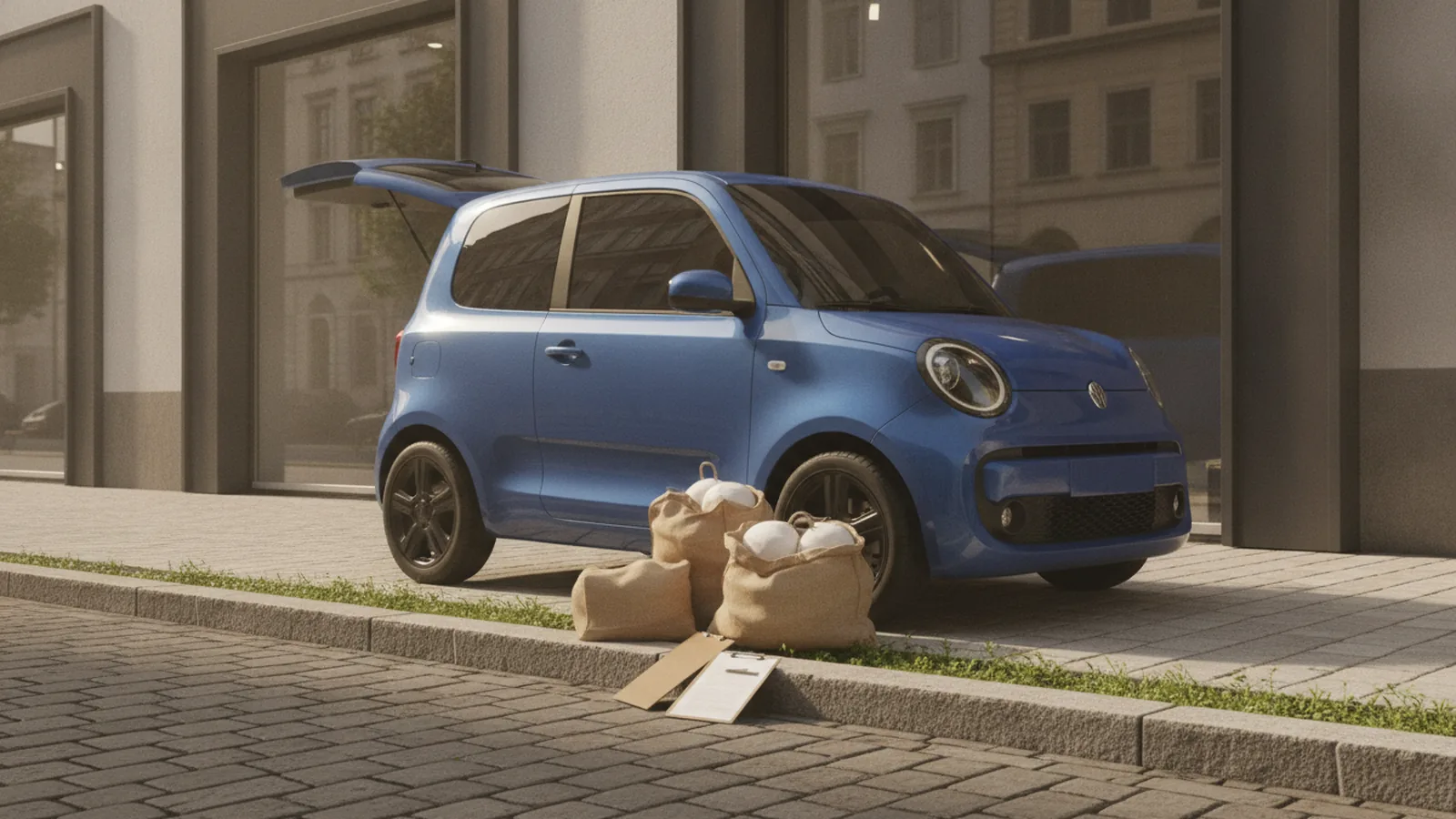
Understanding the delivery business
Start by picking a clear niche, then set up fast delivery rules. That is the core answer to how to start a delivery business.
Delivery is mostly route work plus customer care. You must track each job and handle issues fast. Your process will change by what you deliver.
The US delivery market keeps growing. One estimate puts 2023 revenue near $165.1 billion.
Growth also brings more local buyers and niche needs. You can win without big brand scale.
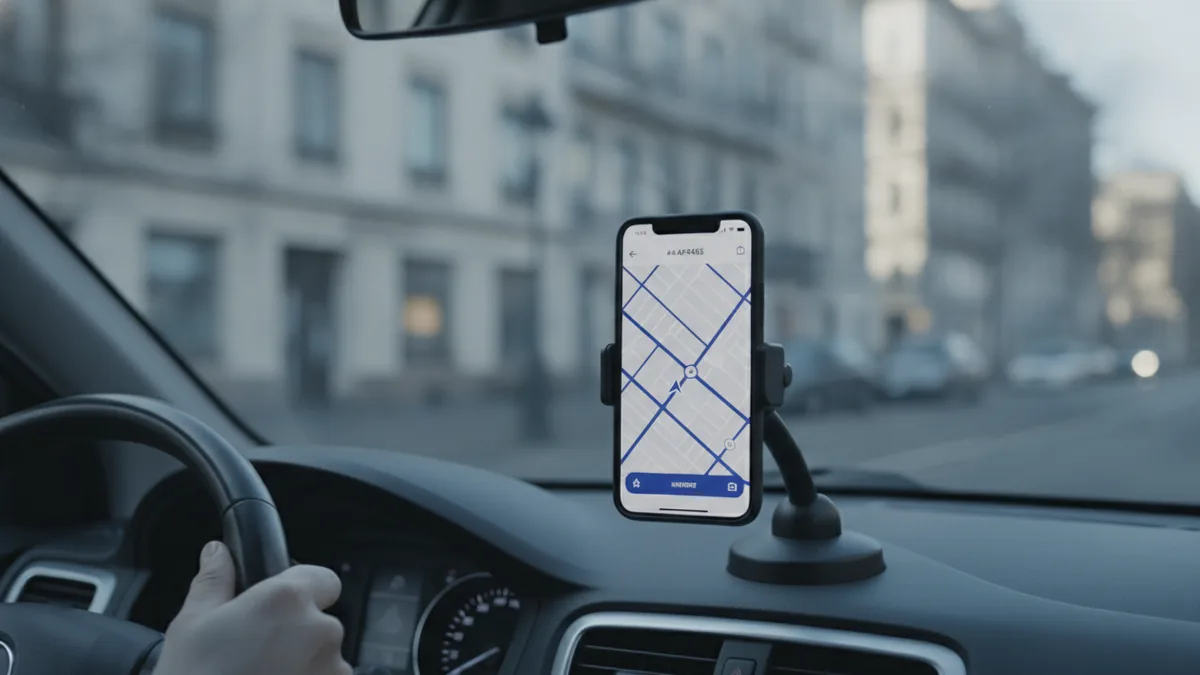
Reasons to start a delivery business
Many owners like the flexible start. You can begin with a few routes and expand later.
You can also scale in steps. Add drivers when your weekly load stays steady.
Delivery can create more than one income stream. For example, you may run meals at noon and groceries after work.
Different services can share tools and drivers. That can help your costs stay low over time.
- Flexibility: start small, then set a steady schedule.
- Scalability: add staff, vehicles, and new areas.
- More income: mix one-off and set day routes.
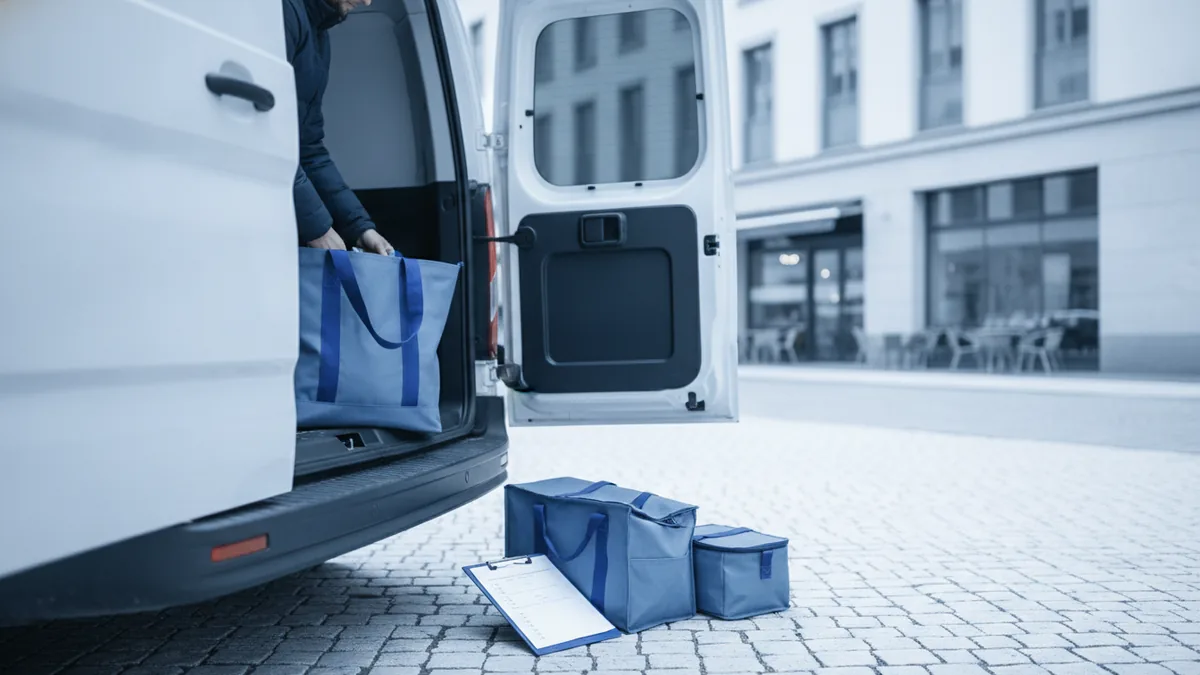
Types of delivery services you can launch
Your niche shapes your whole setup. If you want how do i start a delivery business, pick what you move first.
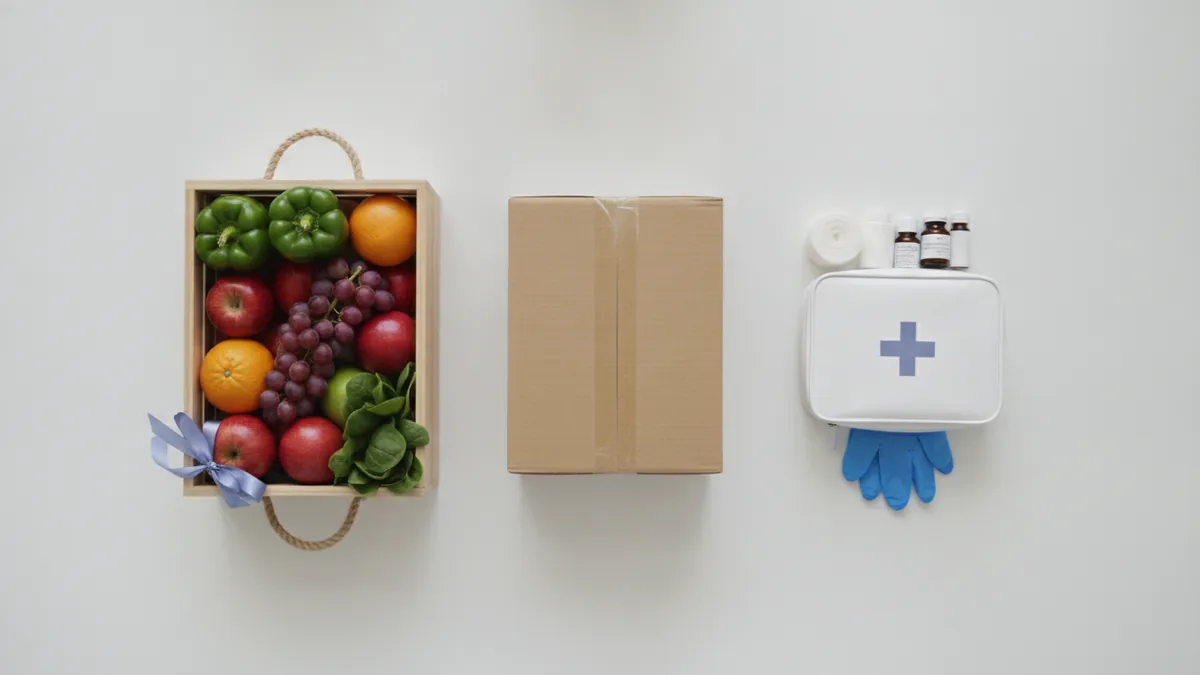
Food delivery often needs quick pickup and fast handoff. Grocery runs need careful item checks and clear swap rules.
Package delivery can focus on volume and tight routes. Medical supply delivery may require stricter care steps.
Some goods need more proof at handoff. Alcohol delivery needs age checks and clear delivery proof.
- Food: restaurant pickups, fast drop-offs, clean order handling.
- Groceries: item match, swap rules, careful bags and timing.
- Packages: scan at pickup and drop, efficient routing.
- Medical supplies: careful handling, clear steps, on-time care.
- Alcohol: age check, signed drop, safe storage.
If you ask how to start parcel delivery business, treat it as route math. If you ask how to start a produce delivery business, treat it as quality care.
Steps to start your delivery business (practical setup)
To answer how to start my own delivery business, follow a simple flow. First learn demand, then set rules, then test routes.
Start with market research in your city. Find shops that already need outside help.
Next, build a tight business plan. Include start costs, daily steps, and how you will stand out.
Then set service limits you can keep. Pick a start zone with roads you know well.
- Map local demand. Note what shops need, when they need it, and how they pay now.
- Write delivery rules. Set pickup times, drop windows, and proof of drop method.
- Estimate startup costs. Add car costs, fuel, bags, phone, insurance, and early ads.
- Set your target audience. Pick one group first, like cafes, grocers, or clinics.
- Build a customer pipeline. Pitch a clear deal to each shop and ask for a trial week.
- Launch with a small offer. Run set days at set hours, then grow once you hit goals.
If you ask how to start a delivery business with a van, plan for space. Think about loading time and parking at stops.
If you ask how to start a fuel delivery business, add extra safety steps. Use stronger rules for storage and handoff proof.

Legal and financial considerations you can’t skip
Legal steps come before your first big order. If you learn how do i start my own delivery business, do this early.
Most owners need a tax id number. An EIN is that number for many business types.
The IRS has guidance on tax ID setup. Use IRS guidance on identifying your tax account.
You also need local permits. Permits vary by city and by what you deliver.
Plan for taxes too. How you file can vary with your business form and your sales rules.
| Area | What to plan |
|---|---|
| Setup | state filing, local permits, and business form choice |
| EIN and taxes | how you file, when you collect tax, and how you track sales |
| Rules for goods | handling and care steps for your delivery niche |
Insurance protects your business if things go wrong. Plan for business insurance from day one.
General liability coverage helps when someone claims harm or damage. Vehicle insurance is also key for daily driving risk.
The Insurance Information Institute explains basics in plain terms. See insurance basics from the Insurance Information Institute.
Your exact mix depends on your setup and your drivers. Check cargo needs if you carry fragile goods.
Marketing your delivery business
Marketing is about trust, not just clicks. If you want how to start your own delivery business, win local deals.
Build partnerships with nearby shops. Aim at places that already face late pickups and missed deliveries.
Offer a clear value in your first pitch. State your pickup times, drop windows, and proof steps.
Your branding and marketing should match your promise. If you say fast, you must be fast.
You also need an online presence. Make a simple site and a way to ask for quotes.
- Local partners: cafes, grocers, stores, and clinics.
- Clear promise: delivery times and handling rules.
- Online access: site, service area, and quote form.
- Good service: fast reply when issues happen.
If you ask how to start a produce delivery business, lead with freshness checks. Show how you handle swaps and damaged items.
If you ask how to start a lost luggage delivery business, focus on safe care. Use strict proof steps for pickup and drop.
Using technology for delivery management
Use tech to run orders without mix-ups. Delivery management software helps you track each job.
Routing and tracking reduce late drops. They also cut wasted miles across your day.
Start with tools that fit your workflow. Look for job list flow, driver updates, and proof capture.
Proof of drop helps when customers dispute a delivery. It also helps you close issues fast.
- Dispatch: assign jobs and set time windows.
- Route help: plan stops to cut dead time.
- Proof of drop: get a scan, photo, or sign.
- Customer updates: send status and reduce calls.
As you scale, treat tech as a system. Keep one playbook for pickup, drop, and issue logs.
Then train drivers to follow the same steps. That keeps quality even when you grow.
Note: Rules change by state and city. Always check the legal requirements that fit your niche.
Frequently asked questions
- How to start a delivery business in the US from zero?
- Pick a niche and do market research in your city. Write your delivery rules, then estimate startup costs and get insurance. Set up permits and an EIN, then launch a small route set.
- How do i start my own delivery business with a van?
- Map a service area your van can cover with steady on-time drops. Budget for van insurance and fuel costs, then set loading rules. Start with a few routes and grow after you hit service goals.
- What startup costs should I expect when I learn how to start delivery business?
- Expect costs for your vehicle, fuel, insurance, and basic supplies. Plan for a phone and a simple way to track jobs. Add early marketing costs for your first partners and reviews.
- Do I need an EIN to start a delivery service business?
- Many delivery owners use an EIN for business banking and tax work. Your needs can vary by business form, so confirm with a tax pro for your state.
- How do I market a new delivery business locally?
- Pitch nearby shops that need deliveries now. Offer clear delivery times and easy signup for trial runs. Build a basic site and list your service area so customers can find you.
- What delivery management software should I use?
- Use tools for dispatch, routing help, and proof of drop. Pick features that match your niche so you can cut errors and disputes.
Related reading

How CRM Improves Business Performance — From Sales to Service
See how CRM can help your team serve customers and work smarter.

Find Consulting Jobs (From Search to Offer)
Find consulting roles, build strong applications, and prepare for interviews.

Start a Property Management Business (From First Steps to Growth)
Build a property management firm with the right niche, rules, tools, and client plan.