How to Start a Fashion Business: A Practical Launch Guide
Learn how to start a fashion business with clear steps on business models, target customers, marketing strategy, and systems you can run.

Understanding the Fashion Business Landscape
To how to start a fashion business successfully, focus on demand first, then build your offer to match it. Fashion can look free-form, but buyers still respond to fit, value, and trust. Your job is to turn taste into a repeatable process. That process becomes fashion business management, even when you are small.
Many people begin with myths that raise risk. One myth says you must buy a big inventory before you learn. Another myth says you must design everything yourself to be “real.” Those beliefs often cause cash stress and slow learning.
Another trap is copying trends without knowing who buys them. Market research matters because buying habits differ by style, budget, and event season. Luxury customers buy for status and finish. Basics customers buy for comfort and frequent restocks.
- Myth: A huge budget is required.
Reality: Start with a small run and test demand. - Myth: You must do everything yourself.
Reality: Partners can help you move faster. - Myth: Launch is one post.
Reality: Launch is a plan for production and sales.
Essential Steps to Start a Fashion Business
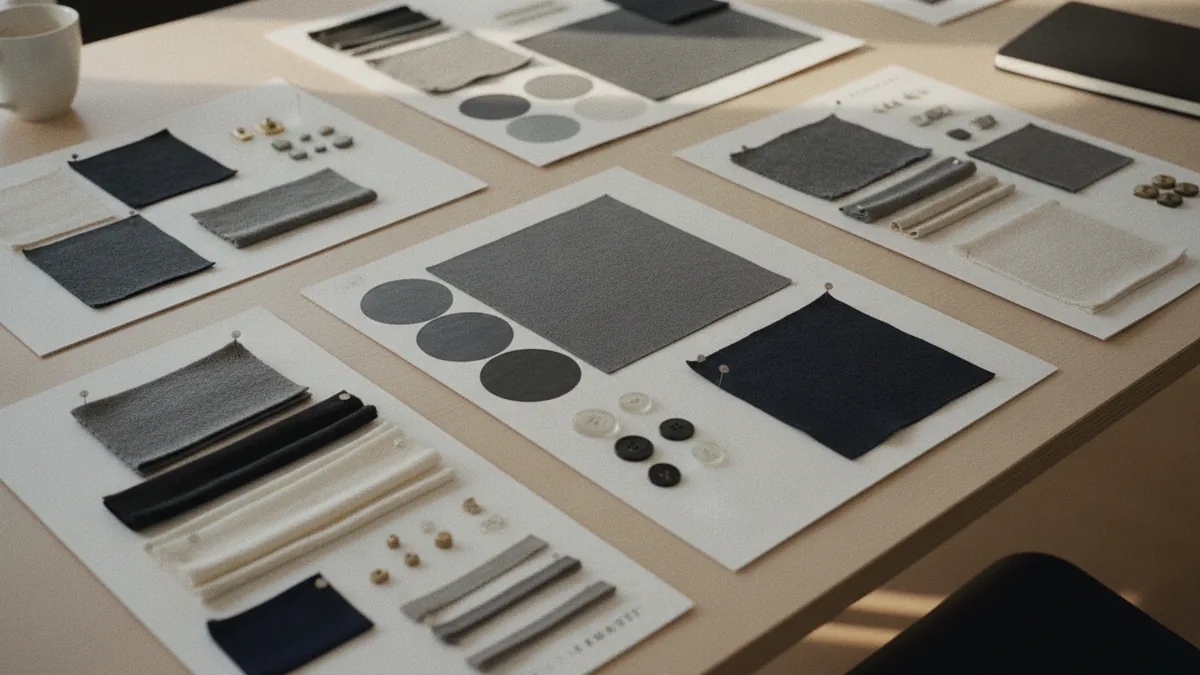
If you are searching for how to start fashion business basics, use a simple sequence. First, define what you will sell and who will buy it. Second, decide how you will make it and how you will fulfill orders. Third, plan your marketing so you have demand before you scale.
Write a short how to start a fashion business plan you can test this week. Include your product range, price targets, and expected costs. Also list where orders will come from, like e-commerce or local pop-ups. If your numbers do not work, your brand identity cannot fix them.
Then build a minimum launch plan. Release a small set of “hero” pieces and measure what people actually purchase. Use feedback to adjust sizing, comfort, color accuracy, and packaging. This is how you build confidence before you expand.
- Pick your niche: One audience, one style direction, one price tier.
- Do market research: Review competitor pricing and customer reviews.
- Choose production: Decide your partners and your fulfillment path.
- Plan your marketing: Create content and offers that match buyer intent.
- Launch small: Sell a limited batch and track conversion.

Choosing the Right Business Model
When people ask how to start up a fashion business, the business model is often the first blocker. It shapes your cash needs, your lead times, and your quality control. It also changes what you should track in your early metrics.
Common models include print-on-demand, dropshipping, and traditional manufacturing with inventory. Print-on-demand can reduce upfront spend because products are made after an order. Dropshipping lowers inventory risk, but shipping consistency becomes critical. Traditional manufacturing can deliver stronger unit economics at scale, but it demands forecasting and capital.
Choose based on your tolerance for risk and your need for speed. If you want rapid tests, choose a model that supports small changes fast. If you want a premium feel, you may need closer control over materials and finishing. For any model, document your supply chain management steps so mistakes do not repeat.
| Business model | Best for | Key tradeoff | What to verify first |
|---|---|---|---|
| Print-on-demand | On-trend designs, small launches | Margins can shrink | Color match and print durability |
| Dropshipping | Low upfront inventory starts | Delivery can vary | Return policy and shipping times |
| Traditional manufacturing | Premium fit and finishing | Inventory risk | Unit cost, lead times, and QC steps |
Identifying Your Target Customer
To how to launch a fashion brand that actually sells, you must define your target audience clearly. A vague idea like “everyone who loves fashion” will not guide decisions. You need a buyer with a reason to buy now and a budget that matches your pricing.
Start by listing their buying triggers. Is it a work wardrobe refresh, a wedding season, or a daily comfort need? Next, map your product benefits to those triggers. If you sell casual basics, highlight fit and fabric comfort. If you sell occasion wear, highlight finish and photo-ready details.
This clarity also supports customer engagement. Your content, your product development, and your marketing strategy all become easier. When you know who you serve, you can build better brand identity and stronger repeat purchases.
- Budget fit: Set prices for what they already spend.
- Style fit: Align silhouettes and colors with their taste.
- Need fit: Solve a specific problem they feel.
- Trust fit: Use proof like reviews, photos, and clear sizing.
Key Marketing Strategies for Fashion Brands
Your marketing should match how people discover and buy fashion. Many buyers start with social proof, then check product details, then compare options. So your marketing strategy needs both attention and clarity. If you are building how to start your own online fashion business, your product pages must do real work.
Create a content plan that supports the full path to purchase. Share styling ideas, behind-the-scenes production, and fit guidance. Then pair that content with offers that reduce friction. Examples include size guides, easy returns, and bundles that raise average order value.
Also plan your launch timing. If you sell seasonal items, schedule your build phase early. If you sell ongoing basics, keep restocks predictable. This is where business systems help you avoid panic and stockouts.
- Build a pre-launch list: Collect emails or follows and share the first look.
- Run small tests: Use ads or content drops to measure conversion.
- Improve product pages: Add size charts, fabric notes, and clear photos.
- Encourage repeat: Use post-purchase emails and reorder reminders.
- Measure weekly: Track traffic, conversion, and return reasons.
Setting Up Systems for Efficiency
Good execution needs repeatable systems. Fashion business management means you plan production, shipping, and support so orders do not derail you. When you grow, small mistakes get expensive fast.
Start with three operating areas. First, product development should include design review, sampling, and QC checks. Second, marketing should include an approval workflow and a publishing calendar. Third, finances should include a simple dashboard for cash in, cash out, and profit per product.
If you want how to start a small fashion business, keep your systems lightweight. Use templates for invoices, product listings, and customer messages. Also set clear rules for when you restock and when you pause new orders. This protects quality and brand identity.
- Production tracker: Dates for sampling, batch making, and delivery.
- Order workflow: Payment, picking, packing, and shipping steps.
- Customer support: A simple script for sizing and returns.
- Quality checks: A checklist before anything ships.
Common Pitfalls and How to Avoid Them
Even with a great concept, early failures often repeat. One pitfall is overbuying inventory before you confirm demand. Another pitfall is scaling production before you can maintain quality control. A third pitfall is weak supply chain management, which shows up as late orders and higher returns.
If you are thinking about how to start a fashion business with no money, focus on service, pre-orders, or low-risk testing. You can also start with small runs and pre-orders to fund the next batch. The key is learning fast without taking on large fixed costs.
You can also shape your path by business type. Some people ask how to start a fashion boutique business when they want a retail feel. Others search how to start a fashion consulting business or how to start a fashion stylist business when they prefer client-based work. If you focus on consulting, your “product” is expertise, and your marketing should show outcomes and process.
There are also niche options like a how to start a fashion jewelry business or a how to start a fashion show business. Jewelry needs supplier reliability and quality inspections. Fashion shows need venue planning, talent coordination, and a clear production schedule. In all cases, your best defense is a tight plan and strong customer engagement.
- Inventory blind spots: Validate demand with a small batch first.
- Quality drift: Add QC checks before you scale volume.
- Cash surprises: Track costs weekly and plan lead times.
- Brand confusion: Keep one clear niche until sales stabilize.
Flexible Paths: Fashion Consultant, Stylist, and Boutique Options
If you want how to start a fashion consultant business, define your target clients and your service scope. For example, you can help with wardrobe audits, brand positioning, or buying guidance. Package your offers with clear deliverables and timelines, then price based on your value and time.
For how to start a fashion stylist business, focus on outcomes for clients. You might work on personal styling, photo shoots, or event looks. Build a portfolio that shows range and results. Then systemize your intake so you understand the client goal before you propose looks.
If you prefer retail, consider how to start a fashion boutique business with a tight product edit. Start small, test merchandising, and learn what sells in your location. For online, use how to start your own fashion business principles with e-commerce workflows, clear sizing, and fast support.
Many founders also start by planning how to start a fashion business online. The goal is the same, even when the channel changes. Your offer, your audience, and your systems must stay consistent from day one.
Finally, if your goal is how to start my own fashion business, treat the first months as learning cycles. Keep your batches small and your feedback loop active. Over time, your brand identity and marketing strategy will sharpen into something customers recognize.
FAQ
- How do I start a fashion business step by step?
- Start with an offer and audience, then choose production and a fulfillment path. Build a simple fashion business plan and launch a small test batch to learn fast.
- What is fashion business management for a new brand?
- It is the set of repeatable processes for product development, marketing, orders, and finances. Strong systems keep quality steady as you grow.
- How can I start a small fashion business with limited funds?
- Use small runs, pre-orders, or low-risk testing to validate demand first. Avoid large inventory purchases until sales are consistent.
- Should I start a fashion boutique business or go online first?
- Choose based on where your customers already buy. If you have strong online reach, start online with e-commerce basics and clear sizing.
- How do I start a fashion consulting business or stylist business?
- Define your client and service scope, then package deliverables and timelines. Build proof through a focused portfolio and clear onboarding.
- How do I start a fashion business plan for an online store?
- Include product range, pricing, shipping costs, and customer acquisition channels. Also add return handling and weekly metrics so you can adjust quickly.