How to Start a Jewelry Business (From Home or Online)
Learn how to start a jewelry business at home or online, with niche, materials, branding, and marketing steps.
Understanding the jewelry market
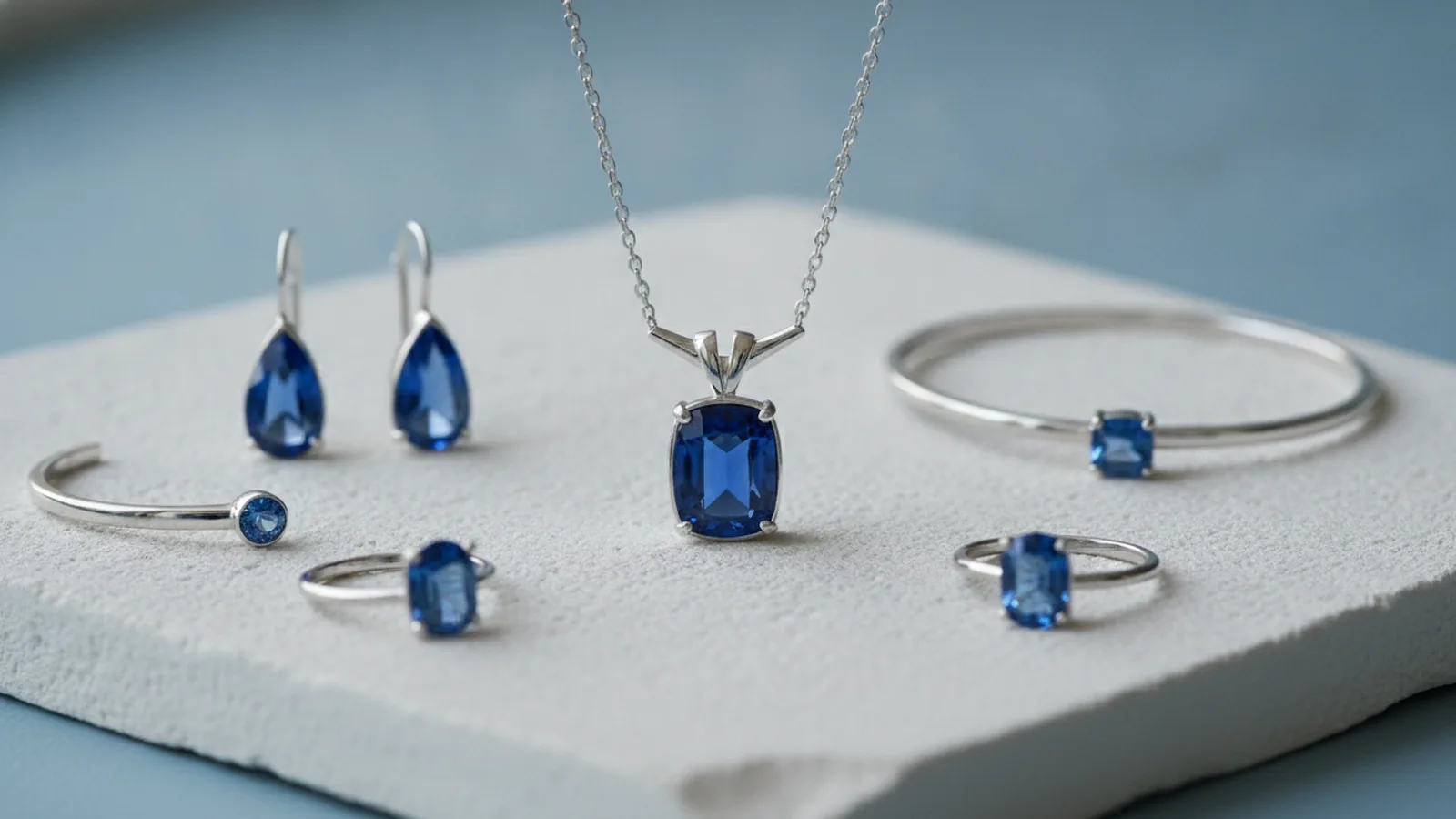
If you’re asking how to start a jewelry business, the fastest path is to match your skills to real customer demand. The global jewelry market is expected to reach $330 billion by 2026. That growth does not mean “everyone sells.” It means more styles, more channels, and more shoppers to serve.
Start with market research that answers one question: what are buyers already paying for. Look at bestsellers on marketplaces, review top listings, and note what people mention in their reviews. You’ll learn which materials, finishes, and price points customers prefer.
Write down your starting assumptions about your target audience. Are they gift buyers, trend chasers, or wedding shoppers? Are you aiming for everyday wear or statement pieces? These answers shape everything, from materials to pricing.
- Track what sells: materials, stone types, and design styles
- Track price ranges: entry pieces vs. premium items
- Track seasonality: holidays, prom season, and wedding months
Finding your niche that stands out
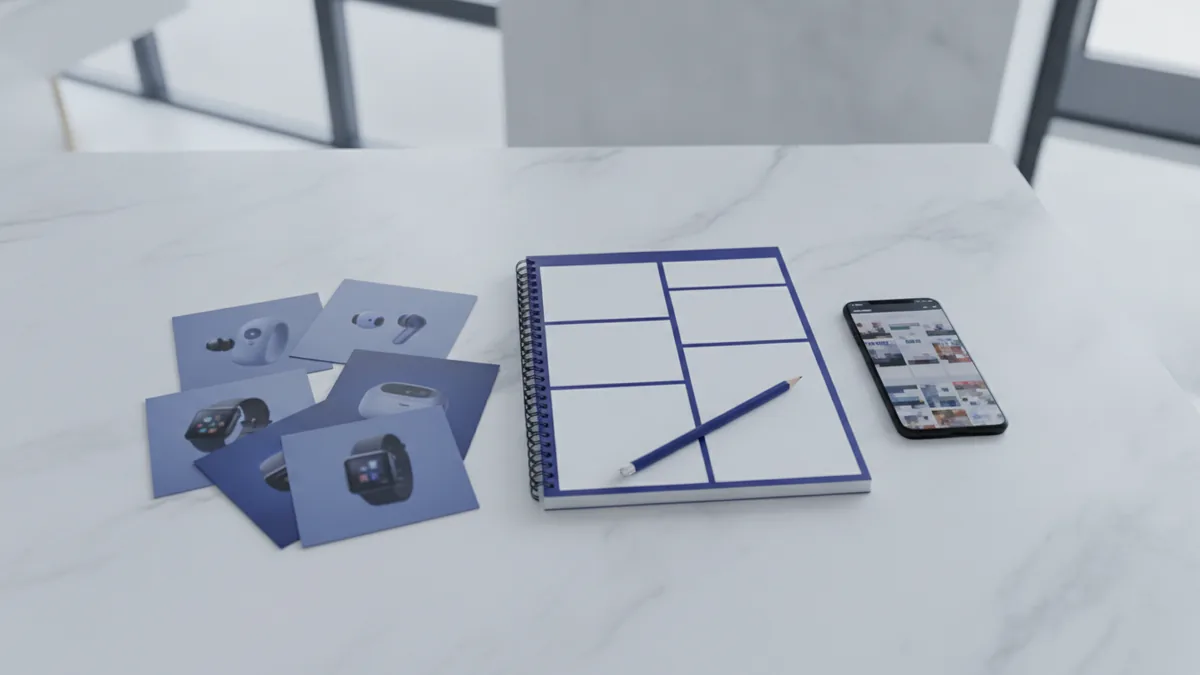
When you wonder how do i start a jewelry business, the key is choosing a niche you can explain in one sentence. A unique niche helps you stand out in a crowded market. It also makes your business plan easier, because you’ll know who to target.
Consider niches based on your strengths and constraints. If you make pieces quickly, focus on custom charms or simple stacking sets. If you enjoy detailed work, aim for bridal-inspired items. If you have access to estate pieces, a vintage route can be a natural fit.
Here are niche examples that often work well for beginners. They’re clear, easy to market, and compatible with home production.
- Personalized birthstone jewelry for birthdays and anniversaries
- Minimalist everyday wear with nickel-safe materials
- Vintage-inspired statement pieces for shoppers who love retro style
- Teen-friendly accessories like lightweight earrings and charm bracelets
Before you commit, test your niche with a small batch. Take photos, list a few items, and track which descriptions attract clicks. You’ll learn faster than you would by guessing.
Setting up your workspace for steady production
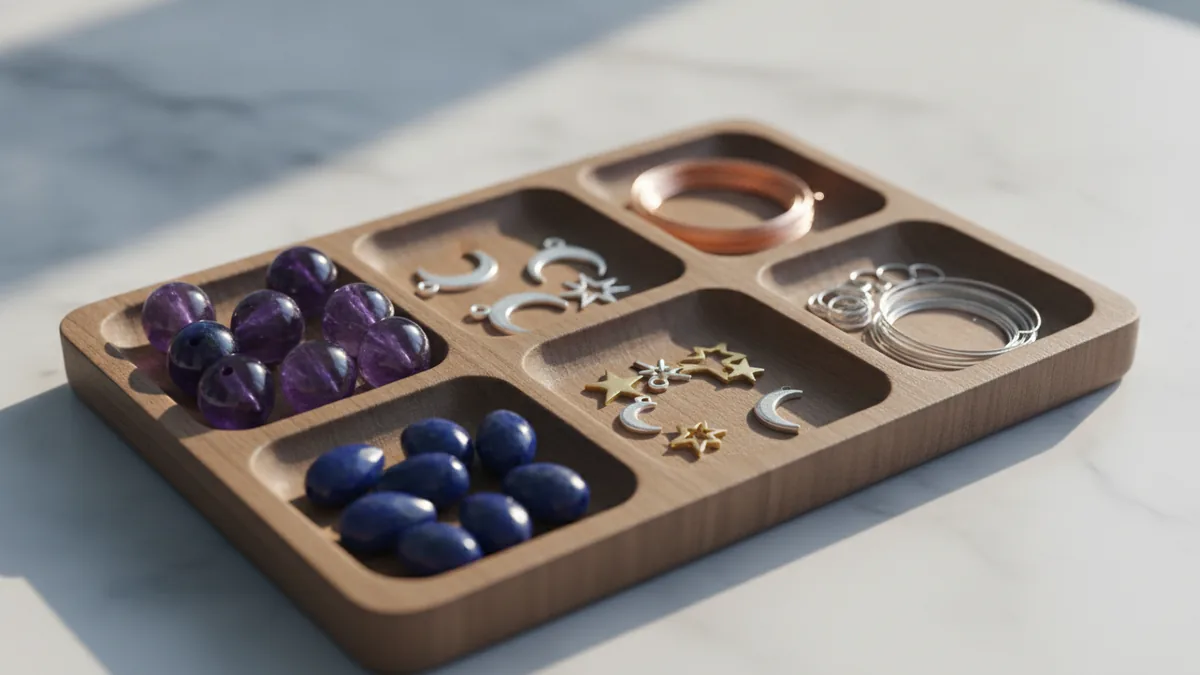
Whether you’re learning how to start a jewelry making business or planning to sell online, an organized workspace matters. Jewelry making needs small tools, consistent lighting, and a clean place to store parts. When your setup is messy, your output slows down and mistakes increase.
Design your space around flow. Start with a “build area” where you assemble pieces. Add a “parts area” for findings like clasps, jump rings, and beads. Create a “finish area” for cleaning, polishing, and bagging orders.
Good lighting is a must. Use a bright desk lamp and position it so you can see wire bends and stone settings clearly. If you’ll sell online, you also need a tidy background for product photos.
- Choose a flat work surface that won’t wobble
- Use labeled trays or small bins for findings
- Keep a dedicated spot for tools and spare batteries
- Set up a simple system for packaging and shipping labels
If you’re working from a shared home space, keep safety in mind. Store sharp tools in a case. Secure chemicals away from food prep areas. This also makes it easier to keep your “jewelry zone” ready to use.
Sourcing quality materials at a price you can profit on
One of the most practical parts of how to start your own jewelry business is figuring out materials. Buyers expect jewelry to look good and hold up. If your materials are cheap but your designs are strong, you may still sell. But you need a plan for quality at a cost you can manage.
Start by separating materials into two groups. First are “visible” materials like beads, chains, and stones. Second are “support” materials like wire, clasps, and jump rings. Customers judge the visible parts most, so spend carefully there.
As you source, compare total cost per finished piece, not just per item. If a clasp costs a little more but reduces breakage, it can improve your margins. Track the time you spend too. Better materials can save rework time.
| Material type | What to check | Why it matters |
|---|---|---|
| Clasps and findings | Strength, finish, and sizing | Fewer failures and returns |
| Beads and stones | Color consistency and wear | Better look over time |
| Chains and wire | Gauge and flexibility | Comfort and durability |
If you’re asking how do you start a jewelry business without overspending, begin with a tight palette. Pick a few metals, a few stone or bead types, and keep them consistent. Consistency speeds up production and improves your product photos.
Branding your jewelry business people remember
Branding and identity is not just a logo. For jewelry sellers, branding is how customers recognize your style at a glance. Your name, your visual choices, and your packaging all help buyers feel confident.
Start with a memorable business name. Make it easy to spell and search. Then build a logo that fits your aesthetic, whether that’s bold and modern or soft and romantic. Your logo should work on a tag, a web banner, and a small box label.
Next, plan your packaging. Simple packaging can look premium if it matches your style. Choose colors and materials that fit your target audience. For example, gift-ready boxes and tissue paper fit customers who buy for special moments.
- Business name that matches your vibe
- A logo that works at small sizes
- Packaging that supports gift buying
- Consistent product photo style
Strong branding also supports your pricing strategy. If customers connect your look with a feeling, they accept fair prices more easily. That matters when you’re learning is starting a jewelry business worth it and comparing your effort to sales.
Creating an online presence to reach customers
If you want how to start a jewelry business online, you need a clear place where shoppers can browse. Many sellers begin with social media, but you still need product pages or listings. Your online presence should make it easy to see photos, read details, and understand shipping timelines.
Choose e-commerce platforms that match your workflow. Some platforms help you sell directly from a storefront. Others work well for listing items quickly while you grow your brand. The best choice is the one you can maintain weekly.
Optimize your product pages for trust. Include clear measurements, material notes, and care tips. If you sell custom jewelry, show how the process works. Customers buy faster when they understand what happens after checkout.
Also, use consistent photography. Shoot items the same way each time. A neutral background and a repeatable lighting setup reduce editing time. This improves your catalog quality.
- Set up your storefront or seller profile
- Add a few “hero” listings with full details
- Create a shipping and returns policy page
- Post weekly updates with product photos
If you’re trying to learn how to start a jewelry business online for free, you can start with marketplace listings and social posts. But as soon as sales start, plan for a real storefront or domain. It builds credibility and makes growth easier.
Developing a marketing strategy for steady sales
The question how to start your own jewelry business often leads to one reality. Marketing is how your product gets discovered. You don’t need expensive campaigns to start. You need a strategy tied to your target audience.
Plan marketing around your niche. If you sell birthstone jewelry, schedule posts around birthdays and seasonal gifting. If you sell vintage-inspired pieces, share styling ideas and “story” content about the look. If you build teen-friendly accessories, focus on school events, weekends, and easy wear.
Use social media marketing with a simple content mix. Show making progress, share styling photos, and post customer-ready shots. Short videos can perform well because jewelry details are visual.
- Product posts: close-ups, on-body photos, and sets
- Story posts: why you designed a piece
- Process posts: tools, materials, and packing orders
- Offer posts: launch deals and limited drops
Build your pricing strategy around your costs and your perceived value. Use testing to find a price that sells and still feels fair. You can also offer bundles, like matching earrings and necklaces, to increase average order value.
Finally, track what works. If certain listings get saves or messages, make more in that direction. Marketing improves when you treat it like a feedback loop.
Common starter paths and fit
Not everyone starts the same way. If you’re asking how do i start a jewelry business as a teenager, keep your schedule realistic and focus on a small catalog. Choose materials that are easy to work with and focus on lightweight designs. You can also partner with an adult for shipping and payment handling if needed.
If you’re exploring how to start a vintage business, start by deciding your sourcing rules. Are you restoring vintage pieces, or creating new items with a vintage look? Either way, document what you can and price based on condition and demand.
If you want to learn how to start a fine jewelry business, plan for longer lead times and higher material standards. Fine jewelry buyers care about quality and consistency. Start by mastering a tight set of designs before you expand.
Whichever path you choose, write your next step on paper. Make one product set, take photos, and list it. That practical action answers how do you start a jewelry business faster than waiting for “perfect” plans.
Frequently asked questions
- How do you start a jewelry business from home?
- Start by making a small set of pieces, organizing your workspace, and listing your first items online. Use simple product pages with clear measurements and shipping timelines.
- How do I start a jewelry business online?
- Create an online storefront or seller profile, then publish product photos with detailed descriptions. Post regularly on social media and improve listings based on what customers save or ask about.
- How do you start a jewelry making business with limited budget?
- Choose a small set of materials and make a tight catalog. Use total cost per piece to control margins and avoid buying too many options at once.
- Is starting a jewelry business worth it?
- It can be worth it if your designs match a clear audience and you can market consistently. Track costs, pricing, and repeat demand before scaling production.
- How can a teen start a jewelry business?
- Pick lightweight, easy-to-make designs and start with a small product line. Focus on quality photos, safe tools, and simple shipping steps with adult help if needed.
- How do I start a jewelry business online for free?
- You can begin with marketplace listings and social posts. Plan to move to a real storefront when you see repeat interest and stable sales.
Related reading

Find Consulting Jobs (From Search to Offer)
Find consulting roles, build strong applications, and prepare for interviews.

Start a Property Management Business (From First Steps to Growth)
Build a property management firm with the right niche, rules, tools, and client plan.

Use Digital Marketing Services to Grow Your Business
Explore digital marketing channels, benefits, setup steps, and ways to measure results.