How to Start a Painting Business: Practical Steps and Setup
Learn how to start a painting business with steps on setup, insurance, tools, and clients.
Creating a business identity you can remember
If you want to start my own painting business, your first win is a clear identity people recall. A strong business identity helps you look local, stay consistent, and win calls faster. Start with a name, a simple promise, and a look you can repeat on every quote and invoice.
Pick a name that is easy to say and hard to confuse. Avoid names that sound like every other crew in your area. Test it by asking two people to repeat it after you say it once.
When you plan your branding, think about the jobs you really want. A starting strategy for residential interior work is not the same as starting a mural painting business. Decide early so your name and messaging fit the work you promote.
- Use a unique twist: “Colorcraft,” “FreshCoat Painting,” or a local landmark.
- Match your niche: interior, exterior, murals, or painting and decorating.
- Check domain and social handles before you commit.
- Write a one-sentence value statement for quotes and ads.

Legal requirements and business registration basics
To how to register a painting business, first learn what your city and state require. Most places ask for basic business registration, plus local permits depending on where you work. Regulations often change based on whether you hire employees.
Choose a business structure that matches your risk and cash flow. Many new owners use an LLC to separate personal assets from business risks. Others choose an S-Corp when profits grow and they want a tax setup that fits their situation.
Because rules vary, use your state’s business filing site or a local small business office for the exact steps. In practice, the workflow is usually: pick your entity type, file formation papers, get any local registrations, then set up business banking.
| Entity type | Best for | What to know |
|---|---|---|
| LLC | Most solo starters | Good asset separation with simpler upkeep. |
| S-Corp | Growing profit business | More rules, often worth it at higher income. |
| Sole prop | Lowest paperwork | No built-in shield for personal assets. |
If you plan on starting a painting contractor business, expect extra scrutiny. Contractors sometimes need licensing, bonding, or trade registration. Also, you may need proof of insurance before some property owners sign a contract.

Insurance for painters that protects you from costly surprises
Insurance for painters is not a “nice to have.” It is how you keep one accident from ending the year. Start with general liability, which covers common claims like property damage or injuries to someone at a job site.
Next, consider workers’ compensation if you hire painters or crew members. Even a single employee can trigger requirements. If you are still solo, ask your insurer what changes when you bring help.
Also think about commercial auto coverage if you use a truck or van for jobs. Tools are expensive, and a vehicle claim can be a big bill. Ask about inland marine or a similar policy for equipment if your current coverage is thin.
- General liability: common claims for job-site incidents.
- Workers’ compensation: often needed with employees.
- Commercial auto: if you drive customers’ materials or tools.
- Equipment coverage: helps replace damaged or stolen tools.
If you are starting a face painting business startup, your insurance needs may differ. Face painting can involve event liability, product safety questions, and sometimes licensing. Still, general liability is a solid base, and you should confirm coverage with a broker.

Necessary equipment and tools for steady, clean work
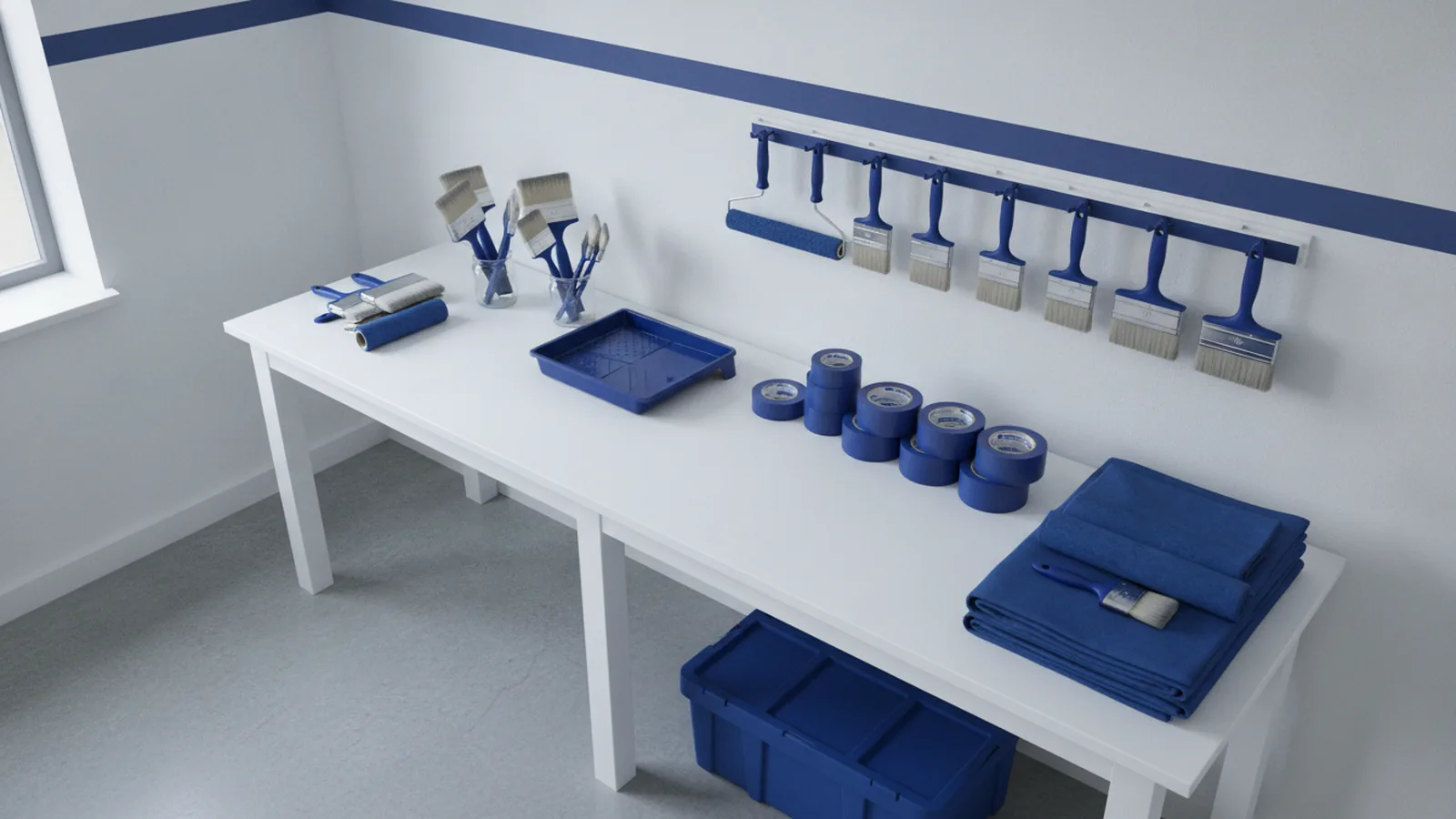
The fastest way to lose trust is sloppy prep and uneven coats. So invest in painting tools and equipment that match the work you sell. Buyers pay for results they can see, and good tools help you deliver consistently.
Start with a core kit that covers prep, cutting, rolling, and cleanup. If you do exterior work, choose tools that can handle rough surfaces and longer drying times. If you do murals, you may need different brushes, paint types, and drying setups.
When you plan your budget, separate “must-buy” from “buy as you grow.” Many starters overbuy sprayers on day one. You can often win early jobs with rollers, brushes, and careful masking.
- Prep tools: scrapers, sanding supplies, putty knife, caulk tools.
- Surface coverage: rollers, roller covers for your paint type.
- Cut-in brushes: angled brushes sized for trim and edges.
- Application gear: drop cloths, painter’s tape, extension poles.
- Paint mixing and measuring: buckets, stir sticks, strainers.
- Safety gear: respirators when needed, gloves, eye protection.
If you want to start a mural painting business, also plan for paint handling and color matching. You may need specialty paints, thicker primers, and a clear plan for weather control. For starting a painting and decorating business, add tools for small repairs, trim touch-ups, and smooth finishing.
For starting a pottery business, you would choose a different tool set entirely. This article focuses on painting services, but the rule holds: match tools to the job outcomes you sell.
Strategies to find clients in your first 90 days
Your first goal is simple: get a few paid jobs you can show. Many people search for how to start a painting contractor business, but the real shortcut is credibility. Build it by pricing fairly, finishing on time, and asking for reviews right after the final walk-through.
Start with word-of-mouth and personal networks. Tell friends and neighbors you are taking new residential jobs this month. Ask past contacts for introductions to homeowners’ groups, property managers, and local landlords.
Also use direct outreach. Many painting jobs are seasonal, so target the right window for your area. Offer a small value add, like a free color consult or a quick estimate for a defined radius.
- Ask every satisfied client for a review and a referral.
- Target property managers with a simple services sheet.
- Reach out to real estate agents before listings hit the market.
- Promote seasonal offers for exterior prep and interior refresh.
If you are starting a painting party business, your client path changes. You may need venues, party hosts, and ticket sales systems. Still, the same principle applies: identify the buyer and show clean, repeatable outcomes.
For a painting and decorating business, bundle related work to increase average job value. For example, offer wall prep plus trim touch-up as one package. This reduces decision fatigue for the customer.
Build an online presence for businesses that converts calls
People rarely type “how to start a painting business” when they are ready to hire. They search for local painters instead. So your online presence for businesses should focus on local proof and fast contact.
Build a simple website with your service list, service area, and a clear “request an estimate” button. Use high-quality before-and-after photos. If you have no client photos yet, document practice projects and small community jobs.
Use social media to show process, not just final walls. Short posts about prep steps, paint cleanup, and careful masking make you look professional. You can also share time-lapse videos during prep, which helps clients trust your workflow.
Fast tip: Put your phone number on every page and link it from your social profiles.
For marketing strategies for painting businesses, track which posts or referrals drive calls. When you see a pattern, repeat it. Most new owners improve results by doubling down on what already worked.
Networking and partnerships that help you stay busy
Networking in the painting industry is a practical way to find steady work. Build relationships with local suppliers who can tip you off to contractors needing help. Suppliers also help you choose the right paint for the surface type you see most.
Create partnerships with complementary service providers. Flooring installers, handymen, and cleaning services often meet customers planning upgrades. Ask if you can provide a referral exchange or a preferred quote for their customers.
Also connect with people who manage buildings. Property managers, HOAs, and commercial facility teams need reliable crews. If you can offer punctual scheduling and good site cleanup, you become easy to hire again.
- Visit paint stores weekly to learn what customers ask for.
- Join local business groups for contractor referrals.
- Offer a small service add-on for partners.
- Ask for a chance to bid on recurring maintenance work.
If you are starting a mural painting business, partnerships might include art studios and local event planners. If you are starting a face painting business startup, partnerships might include party venues and wedding planners. In both cases, target the buyer who already hosts the events you want.
Bottom line: your setup plan for starting a painting business
Start with a memorable business identity, then get business registration done correctly. Next, protect your work with the right insurance coverage. After that, buy tools that match your services and train your prep process.
Then focus on clients. Use word-of-mouth to land early jobs, and build an online presence that makes hiring easy. Finally, network so you have ongoing sources for estimates and partnerships.
If you are planning how to start your own painting business, treat your first 90 days like a sales sprint. Track leads, refine your quote process, and collect proof after each job. That discipline turns a new business into a trusted one.
Frequently asked questions
- How do I start a painting business with no clients yet?
- Start by offering a limited number of nearby jobs and ask for referrals after each one. Use practice projects to build a photo portfolio for quotes and your website.
- What is the best business structure for how to start a painting business?
- An LLC is common for first-time owners because it separates personal and business risk. An S-Corp can fit later if profits and payroll needs grow.
- How do I register a painting business in my area?
- Check your state and local requirements for business registration and any contractor licensing. Then file your entity paperwork and set up business banking and tax accounts.
- What insurance do painters need before taking jobs?
- General liability is the core coverage for most painters. If you hire workers, workers’ compensation usually becomes required.
- What painting tools and equipment should I buy first?
- Buy prep tools, rollers, quality brushes, tape, drop cloths, and safety gear. Expand to specialty equipment once you land the job types you want.
- How can I find clients when I start my own painting business?
- Use word-of-mouth, past contacts, and direct outreach to property managers and real estate agents. Track which leads convert so you can repeat what works.
Related reading

How CRM Improves Business Performance — From Sales to Service
See how CRM can help your team serve customers and work smarter.

Find Consulting Jobs (From Search to Offer)
Find consulting roles, build strong applications, and prepare for interviews.

Start a Property Management Business (From First Steps to Growth)
Build a property management firm with the right niche, rules, tools, and client plan.