How to Start a Skid Steer Business: Machines and Jobs
A practical guide to launching and growing a profitable skid steer business.
What a Skid Steer Business Can Offer
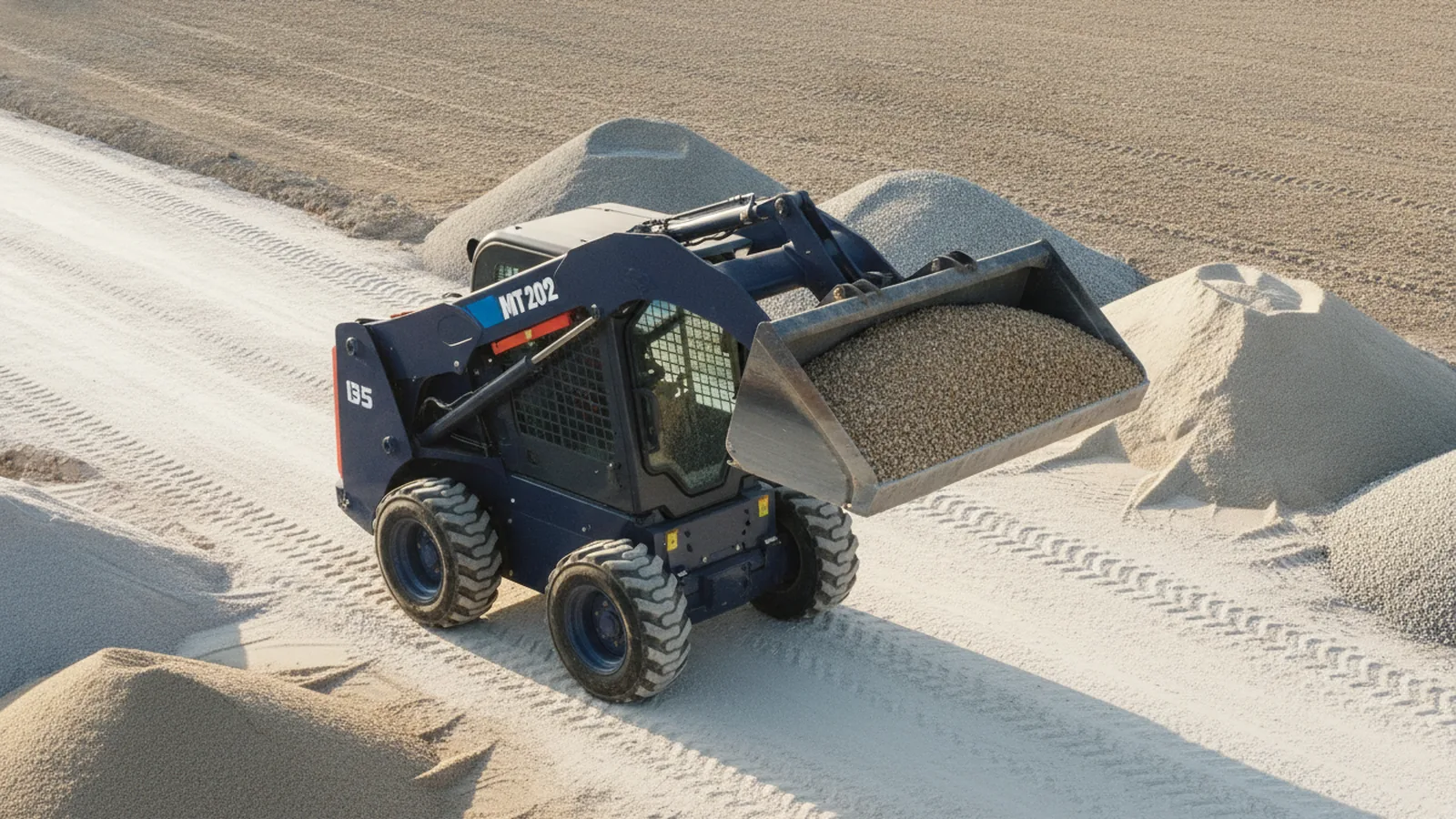
Learning how to start a skid steer business begins with one choice. You must decide which local jobs you can serve well and profitably. A skid steer can handle grading, excavation, snow removal, landscaping, and light demolition. It can also move soil, gravel, mulch, and construction waste.
Most new owners begin with one machine and a small service area. That keeps fuel, repairs, and travel costs under control. You can charge by the hour, by the job, or by the material moved. Your best pricing model depends on the work type and local demand.
Think beyond the machine itself. Customers pay for a finished result, such as a level driveway or clear parking lot. Fast scheduling and clean work can set you apart from larger firms. Reliability often matters more than owning the newest model.
- Driveway and pad grading
- Trenching and shallow excavation
- Brush clearing and land cleanup
- Mulch, gravel, and topsoil spreading
- Snow plowing and snow stacking
- Small demolition and debris removal
Study Demand Before Buying a Machine
Market research should come before equipment financing. First, list the customers near your base. These may include builders, landscapers, farms, homeowners, property managers, and public works crews.
Then call at least 20 potential customers. Ask which jobs they outsource, how often they need help, and what they pay now. Ask about wait times, too. A long wait for local operators may show clear room for a new business.
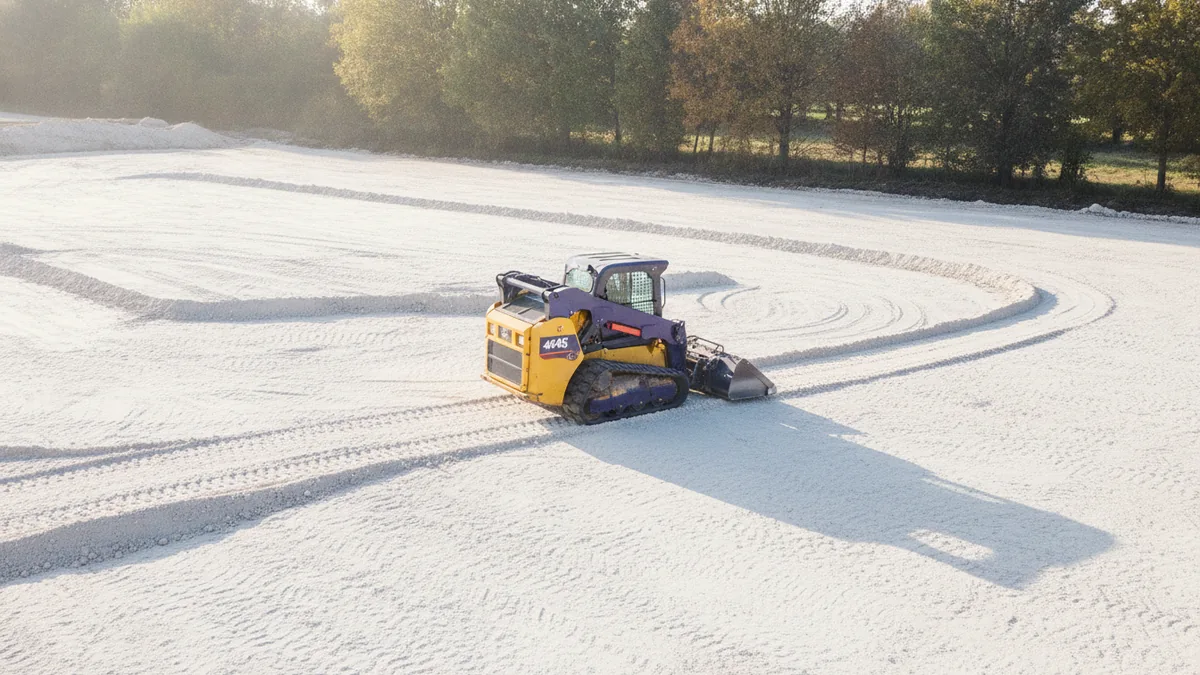
Review competing operators within a practical travel range. Note their machines, attachments, rates, reviews, and service areas. You do not need to copy their prices. You need to find gaps, such as weekend work, small jobs, storm cleanup, or fast snow service.
Seasonal demand can shape your service mix. Landscaping may peak from spring through fall. Snow work may create winter income in cold areas. Construction and property cleanup may provide steadier work across the year.
| Research question | Useful finding |
|---|---|
| Who needs the service? | Builders, farms, landscapers, and property owners |
| What work is common? | Grading, material moving, clearing, or snow removal |
| What gap exists? | Small jobs, short notice, or service during weekends |
| What travel range works? | A route that keeps fuel and unpaid drive time low |
Build a Practical Skid Steer Business Plan
A skid steer business plan turns an idea into a working set of numbers. It should explain your services, customers, prices, costs, and sales goals. Lenders also use this plan when they review financing requests.
Start with a simple first-year forecast. List expected jobs by month and estimate income from each service. Then subtract fuel, repairs, insurance, loan payments, taxes, advertising, storage, and your pay.
Include a cash reserve for slow months and major repairs. A used machine may need tires, hoses, filters, or hydraulic work. A reserve protects you from taking bad jobs just to cover one surprise bill.
Set a break-even target. For example, divide monthly fixed costs by your average gross profit per job. If fixed costs total $4,000 and each job adds $500 after direct costs, you need eight jobs monthly. This target gives your marketing a clear purpose.
- Choose a business name and service area.
- Define three to five services for your first year.
- Estimate start-up costs and monthly overhead.
- Set job rates that cover labor, travel, and machine time.
- Forecast slow seasons and repair costs.
- Set monthly sales and cash goals.
Keep the plan short enough to use. Review it each month against real job data. Change prices or services when the numbers show a weak return.
Choose the Right Skid Steer and Attachments
The right machine depends on your planned jobs. A small model may fit gates, backyards, and narrow sites. A larger model can lift heavier loads and move faster on open construction sites.
Compare rated operating capacity, lift path, width, reach, and hydraulic flow. High-flow hydraulics support demanding tools such as mulchers and cold planers. They can also raise the purchase price and repair cost.
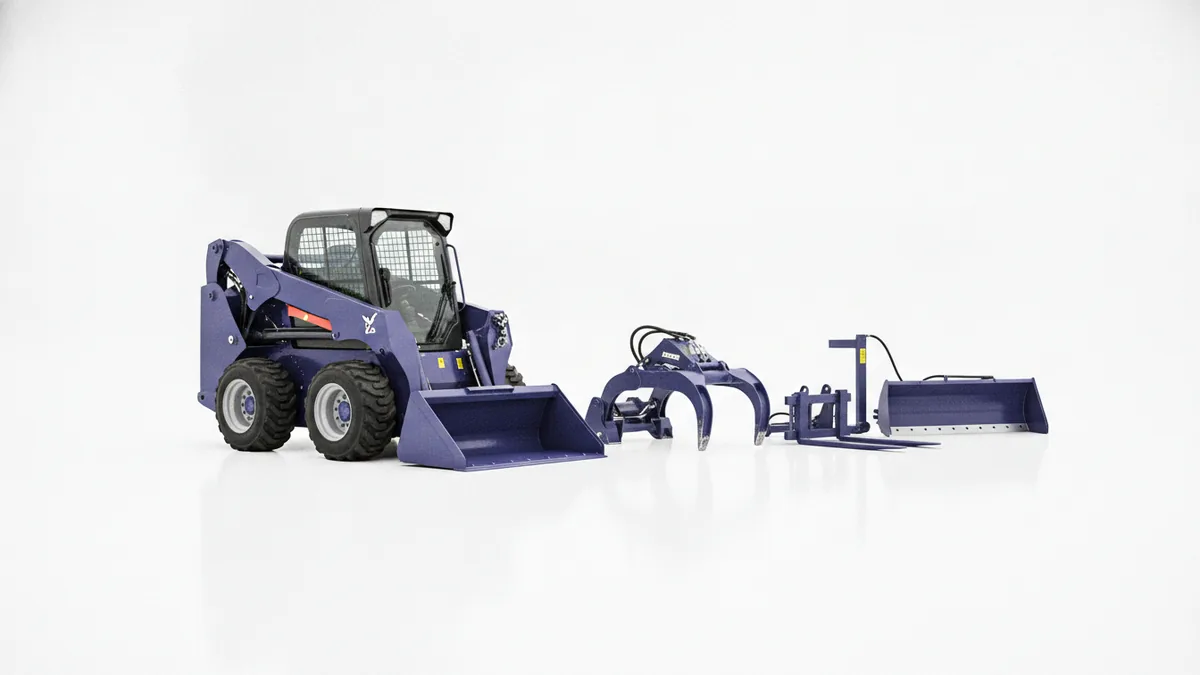
Buy attachments that match real demand. A general-purpose bucket suits many jobs. A grading blade supports finish work. A pallet fork helps with materials. A snow blade or blower can add winter income.
Do not buy every attachment at launch. Rent rare tools until sales prove the need. Rental costs can be lower than loan payments on equipment that sits unused.
- General bucket for dirt, gravel, and debris
- Grapple bucket for brush and bulky waste
- Leveling bar or land plane for finish grading
- Auger for posts and small foundation work
- Snow blade for lots, drives, and access roads
Inspect used machines before you buy. Check the frame, tires, lift arms, pins, hoses, and hydraulic leaks. Review service records and test every control under load. A trusted heavy equipment mechanic can spot costly wear.
Handle Registration, Licenses, and Insurance
Register the business structure that fits your risk and tax needs. Many owners choose a limited liability company, but the best choice depends on your state and advice from a tax expert. Apply for the needed tax accounts before you take paid work.
License rules vary by city, county, and state. Some areas require contractor licensing for grading, excavation, or demolition. Others require permits for work near roads, utilities, or drainage systems. Check each rule before advertising a new service.
Insurance protects both your equipment and your customers. Ask an insurance agent about general liability, commercial auto, equipment coverage, and workers' compensation. Coverage needs change if you hire staff or transport machines for other firms.
Use written job agreements. State the work area, price, payment date, site risks, and change order terms. Keep proof of insurance ready for builders and commercial clients. It builds trust before the first machine arrives.
The U.S. Small Business Administration startup guide covers common steps for registration, permits, and business setup. Local offices still control many rules, so confirm details where you work.
Market the Business Where Buyers Look
A clear online presence helps customers find and judge your company. Build a simple website with your service area, phone number, job photos, and request form. Create a business listing on Google and keep its hours and service details current.
Show proof of work rather than making broad claims. Post before-and-after grading photos, short job notes, and customer reviews. Ask for a review after each successful job. One strong local review can help more than a costly general ad.
Local networking can bring steady work. Visit landscape firms, builders, nurseries, farm suppliers, and property managers. Leave a short service sheet with rates or quote rules. Follow up within a week.
Track each marketing source. Ask every lead how they found you. Keep the channel that brings profitable jobs, not just cheap inquiries. Offer referral fees only when they follow local rules and fit your margins.
- Website with local service pages
- Google Business Profile with fresh photos
- Direct calls to builders and landscapers
- Local trade groups and supplier relationships
- Seasonal ads before snow or landscaping demand rises
Manage Cash, Jobs, and Growth
Financial management keeps a busy company from losing money. Open a business bank account and record every sale and cost. Keep fuel, repairs, insurance, loan payments, and taxes in separate budget lines.
Track machine hours for each job. Include loading, travel, setup, and cleanup time. A job that takes two billed hours may consume four paid hours. Your quote must cover the full time spent.
Set payment terms before work starts. Small residential jobs may need payment on completion. Commercial work may pay in 30 days or more. A deposit can cover fuel and materials on larger jobs.
Grow only after the first machine earns steady cash. Add an attachment when demand supports it. Add a second machine when current work turns away good customers. Hire an operator when the added sales exceed wages, taxes, insurance, and training costs.
Review these numbers each month:
- Revenue by service and customer type
- Gross profit per machine hour
- Fuel and repair cost per hour
- Unpaid invoices and average payment time
- Booked work for the next 30 days
Starting a skid steer business can work with one machine and a focused plan. Pick services that fit local demand. Price the whole job, protect the asset, and grow from measured results.
Step-by-step
- 01 Study your local market
Speak with at least 20 likely customers and review nearby competitors. Find common jobs, price gaps, and seasonal needs.
- 02 Choose your first services
Select three to five services that match local demand and your skills. Keep travel needs and equipment costs in mind.
- 03 Write the business plan
List start-up costs, monthly bills, job rates, sales targets, and cash reserves. Include a break-even goal.
- 04 Buy or finance equipment
Choose a skid steer with the size and lift strength your jobs require. Buy only the attachments that support proven demand.
- 05 Set up the business
Register the business, check local licenses, and buy suitable insurance. Use written agreements for every job.
- 06 Find and track customers
Build a local website profile and contact trade partners. Track lead sources, job profit, machine hours, and unpaid bills.
Frequently asked questions
- What do I need to start a skid steer business?
- You need a machine, useful attachments, business registration, insurance, permits, and working cash. You also need a clear service area and a plan for finding jobs.
- What services can a skid steer business offer?
- Common services include grading, excavation, landscaping, snow removal, brush clearing, and small demolition. Choose services based on local demand and your equipment.
- How much does it cost to start a skid steer business?
- A new skid steer business may cost from tens of thousands of dollars for used equipment to much more for a new machine and attachments. Add funds for insurance, repairs, fuel, storage, and marketing.
- How do I find demand for skid steer services?
- Call local builders, landscapers, farms, and property managers. Ask what work they outsource and what service gaps they see. Then compare their answers with local competitors.
- How should I price skid steer work?
- Rates should cover machine time, travel, fuel, labor, repairs, insurance, loan costs, and profit. Compare your full job cost with local market rates before setting a price.
- Can I start a skid steer business with one machine?
- Yes, many owners start with one machine and a small service area. Renting uncommon attachments can reduce early costs and limit unused equipment.
Related reading

Find Consulting Jobs (From Search to Offer)
Find consulting roles, build strong applications, and prepare for interviews.

Start a Property Management Business (From First Steps to Growth)
Build a property management firm with the right niche, rules, tools, and client plan.

Use Digital Marketing Services to Grow Your Business
Explore digital marketing channels, benefits, setup steps, and ways to measure results.