How to Start a Tooth Gem Business and Find Your First Clients
Build a safe, stylish tooth gem service with clear steps and smart pricing.
Understanding Tooth Gems and the Service You Sell
If you want to start a tooth gem business, begin with safety, training, and local rules. Tooth gems are small jewels bonded to the tooth surface. They do not require drilling or filing. The service is non-invasive when done with proper dental care.
A tooth gem may last from six months to two years. The result depends on the bonding method, tooth condition, eating habits, and home care. It may also fall off sooner if the client picks at it or bites hard food.
Your service should focus on temporary cosmetic style. It should not claim to fix teeth, whiten enamel, or treat oral health issues. Refer clients to a dentist when you see decay, cracks, gum swelling, pain, or poor hygiene.
- Offer small gems, stars, hearts, and simple paired designs
- Explain wear time and aftercare before each appointment
- Use written consent and clear removal guidance
- Decline clients with signs of tooth or gum problems
Market Trends and Earning Potential
The tooth gem market has grown with the wider beauty service sector. Social media has helped make small, visible style services easier to share. Many clients want a low-commitment look for events, holidays, or everyday wear.
Some market reports project a tooth gem market value above $1.2 billion by 2027. Treat that figure as a forecast, not a guaranteed result. Local demand matters more than a global estimate.
Application prices often range from $50 to $120. Simple designs can take 20 to 40 minutes. Material costs may stay low. Gross margins can exceed 90% before rent, travel, insurance, taxes, payment fees, and marketing.
A small home studio may need $500 to $1,500 to open. That range suits a lean start. You can test demand before taking on a salon lease.
| Cost or price | Useful planning range |
|---|---|
| Starter setup | $500–$1,500 |
| Typical application | $50–$120 |
| Basic service time | 20–40 minutes |
| Target gross margin | Up to 90% or more before overhead |
Essential Equipment and Supplies

A professional tooth gem kit should support clean work and steady results. Avoid cheap kits with unknown bonding products. Ask suppliers for product details, safe use notes, and storage guidance.
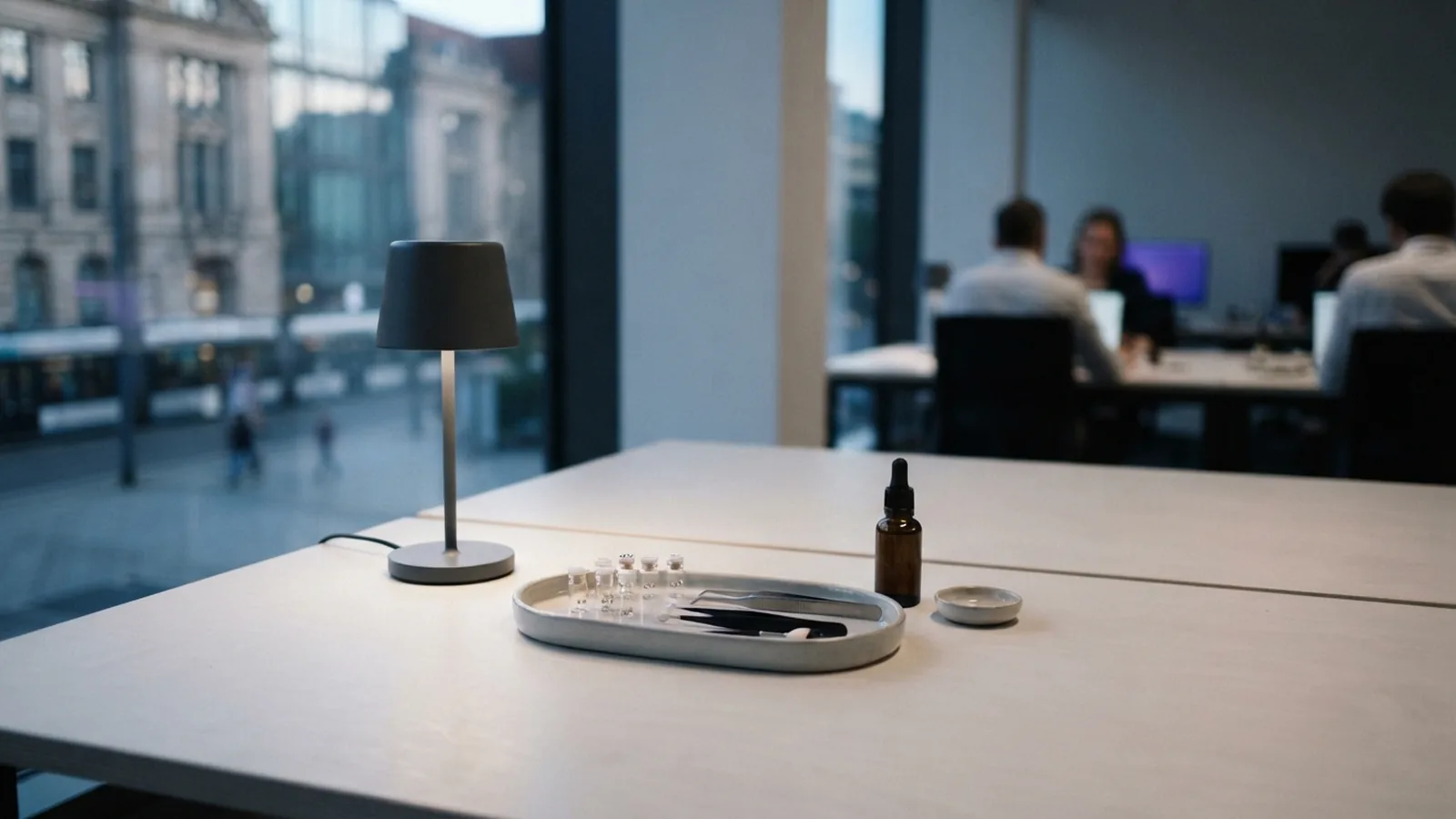
Your core setup needs a clean work surface, bright task lighting, and good client seating. You also need mouth mirrors, cotton rolls, cheek retractors, and disposable gloves. Add masks, eye protection, gauze, and surface covers.
The bonding system matters most. A typical kit may include an etching gel, bonding agent, dental resin, and curing light. Only use products meant for dental or oral use. Follow the maker's storage rules and expiry dates.
- Dental-grade gems in several shapes and sizes
- Dental bonding materials from a known supplier
- A curing light with fresh batteries or a safe power source
- Disposable barriers and single-use tools
- Sharps and waste containers where local rules require them
- Client forms, aftercare cards, and a cleaning checklist
Keep clean and used items apart. Track batch numbers and expiry dates. Replace any item that falls on the floor or touches a dirty surface.
Training and Tooth Gem Technician Certification

Training courses are strongly advised before you take paying clients. A good course teaches tooth checks, isolation, bonding, curing, removal, and aftercare. It should also explain when to refuse a service.
A tooth gem technician certification can build client trust. It does not always equal a state license or dental qualification. Check what the certificate proves before you use it in your marketing.
Choose a course with live practice, an experienced trainer, and clear safety lessons. Ask how the trainer checks your work. A short video course may help with theory. It should not replace supervised practice for beginners.
- Learn basic tooth structure and common warning signs
- Practice isolation and clean surface prep
- Place gems on training teeth before working with clients
- Complete supervised applications on suitable models
- Learn safe removal without scraping the enamel
- Build a written aftercare and referral process
Keep proof of your course, supplier records, and practice log. These records show care if a client raises a concern. They also help you spot weak points in your process.
Legal Considerations Before You Take Bookings

Legal requirements for tooth gems differ by country, state, province, and city. In many places, the service sits in a gray area. Some rules treat it as beauty work. Others reserve tooth bonding for licensed dental staff.
Do not assume that a short course gives you the right to work on teeth. Contact your local licensing office and dental board. Ask whether tooth gem application needs a dental license, salon license, special permit, or approved workspace.
You should also check business registration, tax rules, insurance, and waste disposal duties. Ask an insurer whether your policy covers work inside a client's mouth. Get written confirmation before opening.
- Confirm your local scope of practice
- Register the business in the right form
- Buy public and professional liability cover
- Use consent forms with risks and aftercare
- Set a clear refund and removal policy
- Keep client records private and secure
Never promise that a gem will last for a set time. Never place one over damaged enamel, decay, braces, or active gum issues. Refer those clients to a dentist.
Setting Up Your Tooth Gem Business

Start with a simple service menu. Offer one gem, two gems, and a small custom design. Keep your first menu narrow. This makes supply control and price testing easier.
Set prices from your time and full costs, not from gem cost alone. Include setup, cleaning, travel, rent, card fees, insurance, tax, and follow-up time. A $75 service may look strong until these costs reduce the real profit.
Write a clear client journey. It should cover booking, screening, consent, service, payment, and aftercare. Send the care guide by email or print it for the client.
- Choose a clean studio or approved mobile setup
- Create a separate business bank account
- Set booking rules and cancellation fees
- Buy insurance before your first paid booking
- Track sales, costs, stock, and tax from day one
Test the process with a small group of models. Time each appointment from arrival to clean-up. Then adjust your prices and booking gaps.
Marketing Strategies for Growth
An online presence is vital for a visual service. Use one main platform first. Post clear close-up results with client permission. Show the studio, tools, design range, and aftercare tips.
Good content answers client fears. Explain whether the service hurts, how long gems last, and what removal involves. Avoid claims that suggest dental treatment. Keep each post plain and specific.
Use local search terms in your profile and booking page. Include your town, service type, price range, and booking method. A complete business profile can help nearby clients find you.
- Share before-and-after results with written consent
- Post short clips of safe setup and cleaning
- Offer a first-visit bundle, not deep discounts
- Build links with salons, photographers, and event stylists
- Ask happy clients for honest local reviews
- Track bookings by post, referral, or search
Measure results each month. Watch inquiry count, booking rate, average sale, and repeat visits. Drop content that earns views but no bookings.
Tooth Gem Application Steps for a Safe Appointment
Use a fixed process for every client. First, review the consent form and ask about dental work, sensitivity, allergies, and current pain. Check the tooth and nearby gums under good light.
Next, clean and dry the chosen surface. Keep the area dry during bonding. Place the gem with care, then cure the resin as the product guide states.
Check the bond and nearby tooth surface before the client leaves. Give written aftercare. Tell the client to avoid picking, hard bites, and harsh cleaning near the gem.
- Screen the client and inspect the chosen tooth
- Clean the surface and set up clean barriers
- Isolate the tooth with suitable dental supplies
- Apply the bonding system as trained
- Place and cure the gem with the right tool
- Check the result and explain aftercare
When in doubt, stop the service. A safe referral protects the client and your business.
Step-by-step
- 01 Check local rules
Ask your licensing office and dental board about tooth gem work. Confirm permits, insurance, and workspace rules.
- 02 Complete hands-on training
Take a course that covers screening, bonding, curing, removal, and aftercare. Practice on models before paid work.
- 03 Buy safe equipment
Build a clean setup with oral-use bonding products, protective gear, disposable supplies, and a reliable curing light.
- 04 Create your service menu
Set a few simple design options and prices. Include labor, overhead, tax, fees, and follow-up time.
- 05 Set up client systems
Prepare consent forms, screening questions, booking rules, payment tools, and aftercare instructions.
- 06 Launch local marketing
Share permitted results online and list your town. Track which posts and referrals lead to bookings.
Frequently asked questions
- How much does it cost to start a tooth gem business?
- A lean setup often costs $500 to $1,500. Your total depends on training, tools, insurance, rent, and stock.
- Do you need a license to apply tooth gems?
- Rules vary by location. Ask your local licensing office and dental board before taking clients.
- How long do tooth gems last?
- Tooth gems may last six months to two years. Bond quality, tooth care, and eating habits affect wear time.
- What training does a tooth gem technician need?
- Choose training that covers tooth checks, clean prep, bonding, curing, removal, and aftercare. Supervised practice is best for beginners.
- How much can you charge for tooth gem applications?
- Many services charge $50 to $120. Set your price after adding labor, supplies, insurance, taxes, fees, and workspace costs.
- How do tooth gem businesses find clients?
- Build a strong local profile and share clear results online. Use client consent, simple booking steps, and helpful aftercare posts.
Related reading

Build a Business Plan That Guides Your Next Move
Turn your business idea into a plan you can test, fund, and update.

How CRM Improves Business Performance — From Sales to Service
See how CRM can help your team serve customers and work smarter.

Find Consulting Jobs (From Search to Offer)
Find consulting roles, build strong applications, and prepare for interviews.