How to Start an Axe Throwing Business: Plan, Safety, and Sales
Follow the steps to open an axe throwing facility with safety, licenses, and smart marketing.
Market research for an axe throwing business
If you want to know how to start an axe throwing business, start by proving demand. Axe throwing draws thrill-seekers, date-night crowds, and team groups. Your market analysis should show who buys, how often they visit, and what similar venues charge.
Begin with a local demand scan. Look at event calendars, Meetup groups, sports bars, and tourism sites in your target radius. Then list every axe throwing venue within driving distance and note pricing, session lengths, group sizes, and add-ons like food or drinks.
Competition is more than price. Check online reviews for what people love and what they complain about. Common gaps include long wait times, unclear rules, poor safety briefings, and weak staff engagement. Use those gaps to shape your unique selling proposition (USP).
- Document competitors’ pricing per session and any per-person fees
- Track review themes like safety clarity, cleanliness, and staff friendliness
- Estimate monthly demand using local events and group activity patterns

Build an axe throwing business plan that can guide decisions
Your axe throwing business plan should be detailed enough to steer daily choices. It also helps you forecast cash flow, since safety setup, staffing, and facility costs hit early. Start with your objectives and target markets, like birthday parties, corporate outings, tourists, and casual walk-ins.
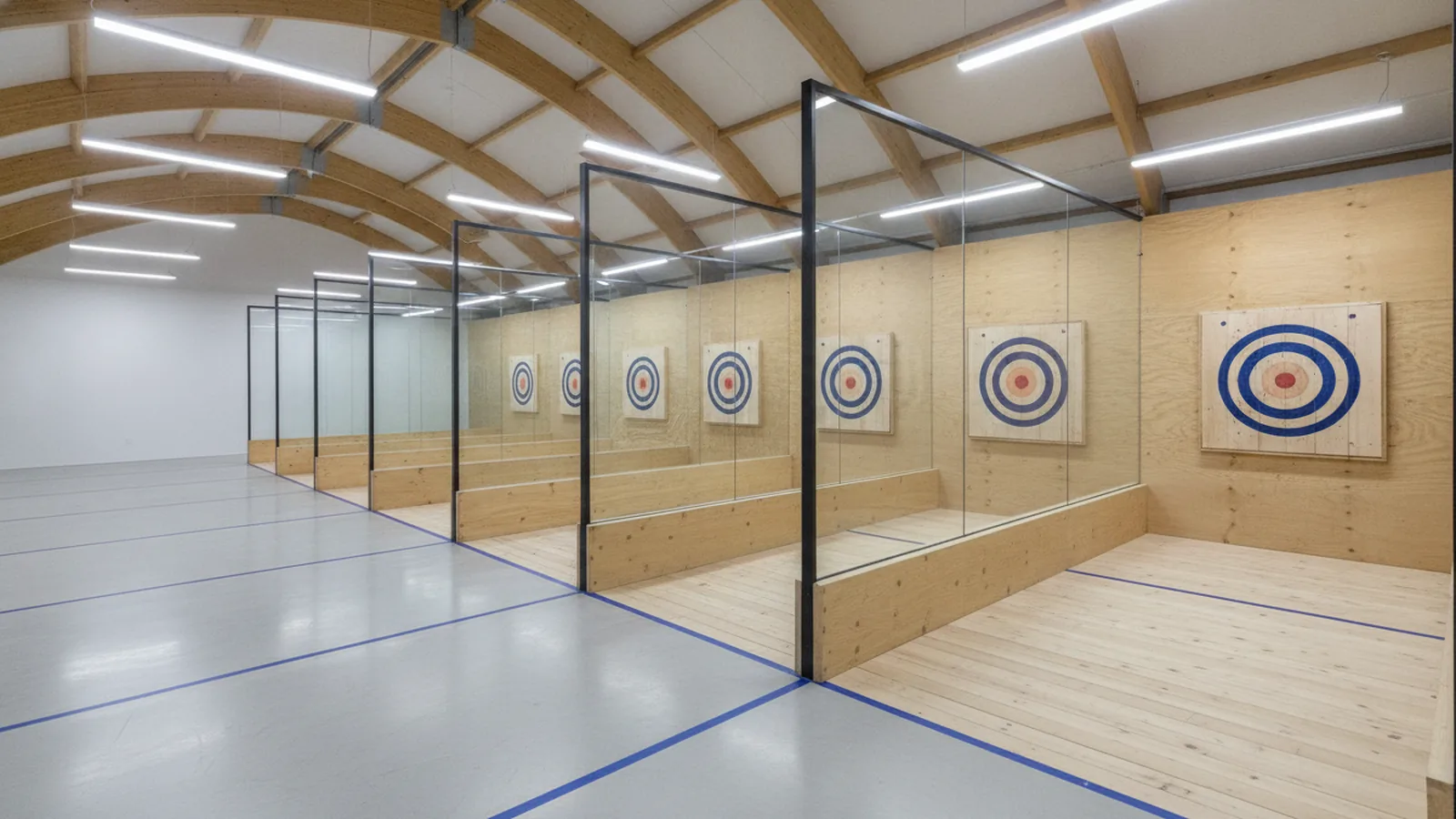
Next, map your operational processes. Define how you handle booking, check-in, waivers, safety training, and the session flow. A clear venue layout supports this work, with staging areas for gear, practice throw zones, and a clean path from entry to lanes.
Then build financial projections using realistic startup costs. You will buy lane boards, targets, protective gear, and safety supplies. Many operators also spend on sound control, flooring, and ventilation, depending on the space. Use assumptions and stress-test them with two scenarios: a slower ramp-up and a fast early growth pace.
| Projection area | What to estimate | Example inputs |
|---|---|---|
| Revenue | Sessions per day, avg group size, add-on sales | Weeknight vs weekend bookings |
| Costs | Rent, labor, insurance, supplies, utilities | Staffing per shift and lane count |
| Cash flow | Time to break even and runway needed | Conservative bookings for first 3 months |

Choose a location with space, access, and zoning fit
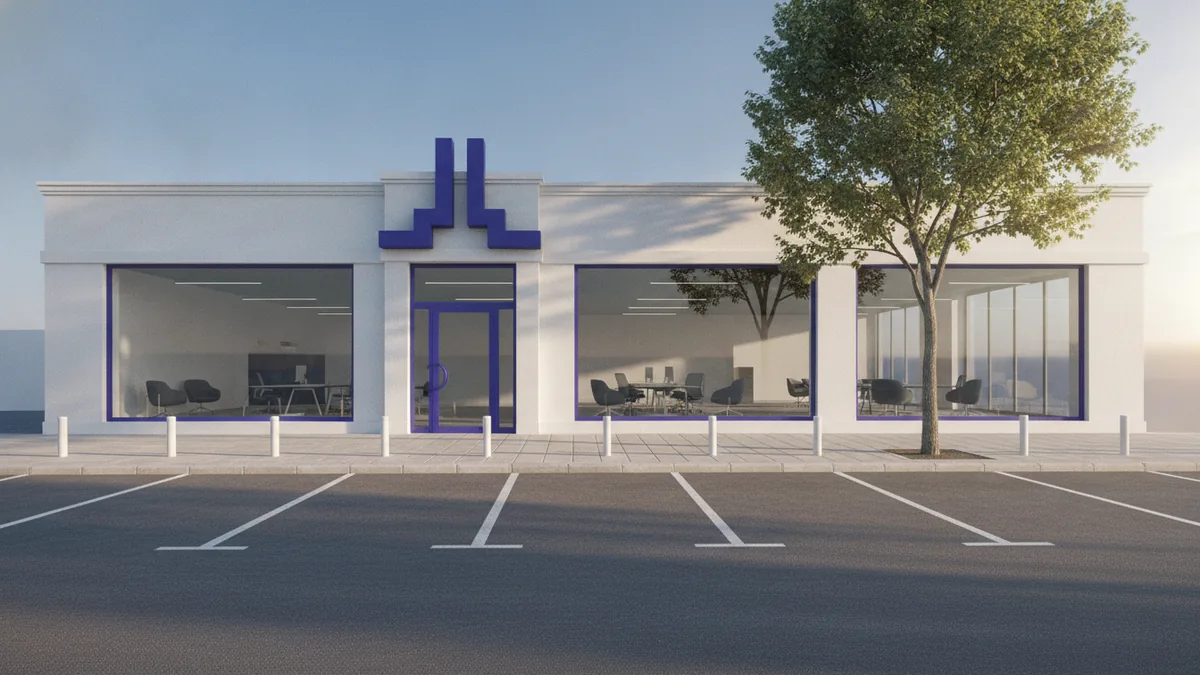
When opening an axe throwing facility, location determines your reach and your ability to operate safely. Choose a site that is easy to find and simple to access by car. Public transit helps too, but parking is often the key factor for groups.
Space needs planning, not guessing. You need lane length, safe backstops, clear throw lanes, and room for staff to brief guests. Include space for check-in, waiver signing, gear storage, and a waiting area. If you plan to sell snacks or host parties, plan seating and food service flow.
Before signing a lease, verify zoning and local building rules. Ask about occupancy limits, required fire safety equipment, and any restrictions on mechanical hazards. If you plan to serve alcohol, confirm liquor licensing requirements early, since approvals can take time.
- Prioritize parking and visible street access
- Confirm lane count you can support with safe clearance
- Check zoning for assembly or recreation use
Licensing and permitting requirements to expect
Licensing is not one form. It is a set of approvals that confirm you can operate as a business and meet local safety rules. Your first call should be to the city or county business licensing office. They can tell you which permits apply to your specific site and setup.
At minimum, you will likely need a general business license. Many jurisdictions also require a zoning permit or certificate of occupancy that matches your use. You may need permits for electrical work, fire safety, and any structural changes to the space.
If you are considering alcohol service, plan for a liquor license and the associated operating rules. Some locations allow beer and wine only, while others require full licensing. Either way, the process can affect your launch date, so build it into your timeline.
- Confirm the business license and zoning steps for your address
- Ask about occupancy, fire code, and any hazard-related permits
- Check liquor license needs if you plan to serve drinks
- Set a launch calendar that includes approval lead times
Safety training and insurance that reduce your biggest risks
Axe throwing is hands-on activity with real injury risk, so safety must be your core operating system. Start by training staff on safe handling, lane rules, and how to correct guest technique without intimidation. Safety protocols should cover gear checks, lane boundaries, and what happens when rules are broken.
Write a clear waiver and enforce it with consistent check-in. Then run a short safety briefing before every session. Your briefing should include how throws work, when guests can pick up axes, and how to signal a staff member. The goal is that every guest can follow directions during the session.
Insurance is equally important. You typically need general liability coverage, plus coverage suited to recreation activities. Ask insurers about coverage limits that match your expected attendance and about exclusions related to sports-like activities. This is where comparing quotes with the same assumptions matters, so you can evaluate true risk coverage.
- Use written safety protocols for daily lane setup and guest briefings
- Train staff on spotting safe throw zones and correcting unsafe behavior
- Verify insurance covers axe throwing activity and guest injury scenarios
Marketing strategies to fill lanes and build repeat customers
Marketing for starting an axe throwing venue should focus on intent. People book activities for birthdays, teams, and social nights. Your job is to make booking feel simple and predictable, and to show what a safe, fun session feels like.
Social media is a strong fit because axe throwing is visually engaging. Post short clips of safe lane flow, staff briefings, and group moments. Use location-specific posts, so locals understand where you are and what nearby groups could book. Also, track which posts lead to inquiries and which ones simply earn views.
Local partnerships can accelerate growth. Team up with corporate HR groups, sports clubs, wedding planners, and tour operators. Offer a first-visit deal or a “try day” for groups, then encourage customer retention with easy rebooking and season-based packages.
- Run group booking offers for birthdays, teams, and clubs
- Partner with local planners, gyms, and event organizers
- Build repeat visits with packages and simple rebooking links
Operational management and the customer experience
Operational processes decide whether your sessions run smoothly. Assign roles for check-in, safety briefing, lane coaching, and cleanup. Then standardize how you open lanes, sanitize equipment, and reset after every session. Consistency reduces confusion and supports safety.
Customer experience should feel welcoming even when guests are new. Your staff should explain the rules clearly, keep momentum high, and guide guests toward safe technique. Many first-time guests are nervous, so your training should include how to coach without pressure. When the session feels fun and safe, guests book again or recommend you to friends.
Revenue grows when you handle group bookings well. Offer add-ons like coaching upgrades, photo moments, or themed nights. Special events can also smooth demand across slower weekdays, when fewer groups may search for weekend dates.
Finally, measure what matters. Track session fill rate, no-show rates, average ticket value, and repeat booking. Use those numbers to adjust staffing hours, event calendars, and marketing spend.
| Metric | Why it matters | What to adjust |
|---|---|---|
| Fill rate | Shows demand and pricing fit | Promotion timing or lane availability |
| Repeat rate | Measures retention and experience quality | Packages, staff coaching, event offers |
| No-shows | Protects cash flow and staffing plans | Booking deposits and reminder rules |
Frequently asked questions
- What are the first steps to how to start an axe throwing business?
- Start with local market research and list nearby competitors. Then draft an axe throwing business plan with revenue assumptions, startup costs, and staffing needs.
- How much does it cost to open an axe throwing facility?
- Costs vary by space size, lane count, and build-out needs. Plan for lane equipment, safety supplies, insurance, deposits, and months of rent before steady bookings.
- Do I need special permits or a liquor license for axe throwing?
- You usually need a general business license and zoning approvals. If you plan to serve alcohol, confirm liquor licensing requirements early because timelines can be long.
- What safety protocols should an axe throwing venue follow?
- Use written safety protocols for lane setup and guest briefings. Train staff to enforce rules consistently and manage unsafe behavior quickly.
- What insurance coverage is important for axe throwing?
- Most operators need general liability suited to recreation activities. Talk with insurers about coverage limits and confirm what the policy includes for guest injury scenarios.
- How can I market an axe throwing business to get more bookings?
- Focus on social media content that shows safe group experiences. Add local partnerships and promote group bookings and special events to increase visibility.
Related reading

How CRM Improves Business Performance — From Sales to Service
See how CRM can help your team serve customers and work smarter.

Find Consulting Jobs (From Search to Offer)
Find consulting roles, build strong applications, and prepare for interviews.

Start a Property Management Business (From First Steps to Growth)
Build a property management firm with the right niche, rules, tools, and client plan.