How to Start an Oil Business: Steps, Costs, and Key Risks
Plan, fund, and launch an oil business with less risk.
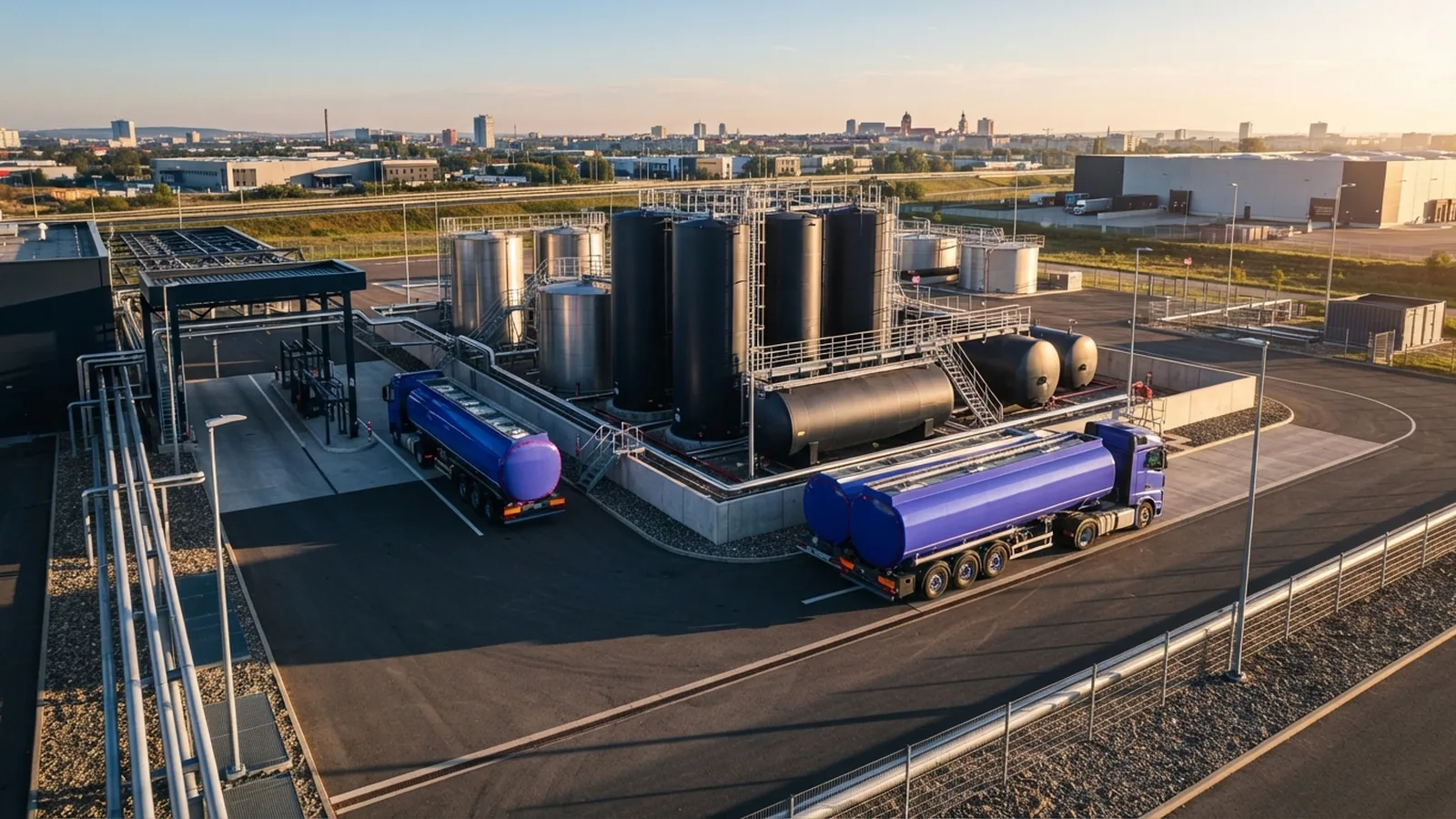
Understand the Oil Industry Landscape
To learn how to start an oil business, first choose one clear part of the supply chain. Oil exploration, refining, transport, storage, and fuel sales need different skills. Each path also brings different costs, risks, and rules.
A small firm may deliver fuel to farms or vehicle fleets. A larger firm may trade crude oil, run storage tanks, or supply factories. Your niche will shape your staff, permits, equipment, insurance, and cash needs.
Review these oil industry opportunities before you commit:
- Exploration: Finds and develops oil reserves. This path needs large funds and skilled teams.
- Refining: Turns crude oil into fuels and other goods. Plants need costly gear and strict safety controls.
- Petroleum distribution: Moves fuel from terminals to stations, farms, factories, or fleets.
- Oil trading: Buys and sells oil or fuel contracts. This path needs market skill, credit, and risk controls.
- Retail: Sells petrol, diesel, lubricants, or related goods to end users.
Most new firms should begin with a focused service. For example, a fuel delivery firm could serve farms within 100 miles. A narrow offer makes sales, pricing, and cash planning much easier.
Conduct Market Research Before You Spend
Market research shows where demand exists and where rivals already work. Track crude prices, fuel spreads, freight costs, storage rates, and local demand. Oil market volatility can change your margin within days.
Use trusted data for your first market view. The U.S. Energy Information Administration petroleum data tracks prices, supply, demand, and trade. Add local data from fuel buyers, ports, carriers, and trade groups.
Build a simple rival table. Record each firm’s products, delivery area, price method, credit terms, and service gaps. Speak with at least 15 possible buyers. Ask about order size, delivery times, fuel grades, and payment pain.
Test your idea with real numbers. If one customer buys 20,000 litres each month, model the full sale cost. Include storage, staff, loss, insurance, taxes, and bad debt. Keep a cash buffer for price swings.
- List at least three buyer groups in your target area.
- Compare five direct rivals on price and service.
- Check supply routes, storage sites, and delivery times.
- Estimate your margin after every major cost.

Develop a Detailed Oil Business Plan
An oil business plan turns research into a work plan. It should state your niche, buyers, service area, goals, and edge. Keep the first version clear enough for a lender to review quickly.
Set goals for the first 12, 24, and 36 months. Useful goals include signed buyers, monthly volume, gross margin, and delivery accuracy. Do not track revenue alone. High sales can still hide weak cash flow.
Your plan should cover these core parts:
- Market view: Show demand, rivals, price trends, and key risks.
- Sales plan: Name target buyers and explain how you will win orders.
- Operations: Cover sites, tanks, vehicles, staff, suppliers, and checks.
- Financial model: Show launch costs, sales, margins, cash flow, and break-even volume.
- Risk plan: Set limits for price moves, spills, theft, credit loss, and supply gaps.
Make three financial cases. Use a base case, a low-price case, and a high-cost case. Test a 20 percent sales drop and a 15 percent freight rise. This test reveals the capital requirements for an oil business.
Secure Funding That Fits Your Risk
Funding needs vary by niche. A broker may need office tools and working cash. A fuel distributor may need trucks, tanks, permits, and stock. An exploration firm may need large sums before it earns revenue.
Start with a full use-of-funds list. Split costs into fixed assets, launch costs, and working capital. Working capital pays suppliers before customers pay you. Oil firms often need a larger cash buffer than ordinary retailers.
Common funding sources include:
- Personal savings: Gives you control and shows your own commitment.
- Angel investors: May add sector contacts and business advice.
- Bank loans: Can fund vehicles, tanks, or buildings when cash flow supports repayment.
- Supplier credit: Lets approved buyers pay after delivery.
- Equipment finance: Funds trucks, pumps, or storage without a large first payment.
- Strategic investors: May bring funds, supply access, and market skill.
Match each funding source to a clear use. Do not fund long-lived tanks with very short debt. Keep enough cash for fuel purchases, repairs, wages, taxes, and slow customer payments.
Show lenders how you will handle price swings. Include signed buyer interest when possible. A firm order or supply deal can make your funding case much stronger.
Navigate Legal and Environmental Requirements
Legal duties depend on your country, state, products, and site. You may need company registration, tax records, trade permits, storage approval, and transport licenses. Ask a local lawyer and an environmental adviser to review your plan.
Environmental compliance must start before you lease land or buy tanks. Check rules for spills, air emissions, waste, soil testing, water protection, and emergency response. The U.S. Environmental Protection Agency oil spill rules show why storage sites need strong prevention and response plans.
Safety duties also affect your budget. Workers may need training for fuel handling, fire response, protective gear, and site checks. Your insurer may require proof of these controls before it offers cover.
Build a permit list before launch. Add the issuing body, fee, review time, renewal date, and person in charge. Delayed permits can stop sales even when your equipment is ready.
| Area | Questions to check |
|---|---|
| Site | Is the land approved for fuel storage or handling? |
| Transport | Do vehicles and drivers meet local rules? |
| Storage | Are tanks, pipes, alarms, and fire systems approved? |
| Environment | Do you have spill control, waste plans, and site records? |
Build Strategic Supply and Sales Partnerships
Partnerships can lower costs and shorten your path to market. A new distributor may work with a terminal, carrier, fuel supplier, insurer, and equipment firm. A trading firm may need lenders, storage providers, and buyers.
Check each partner before signing a deal. Review delivery history, credit strength, safety record, and claims process. Ask for references from firms with similar order sizes.
Put key terms in writing. Define product grade, volume, price formula, delivery window, inspection method, payment date, and loss rules. Also state what happens when supply stops or prices move sharply.
Do not rely on one supplier for every order. A second source can protect your service when a terminal closes or a route fails. It may also give you more power when you review prices.
Set Up Equipment, Location, and Daily Operations
Choose a site near buyers, supply routes, and safe road access. A cheap site can cost more if trucks face delays or storage needs costly upgrades. Check zoning, drainage, fire access, power, water, and room for future growth.
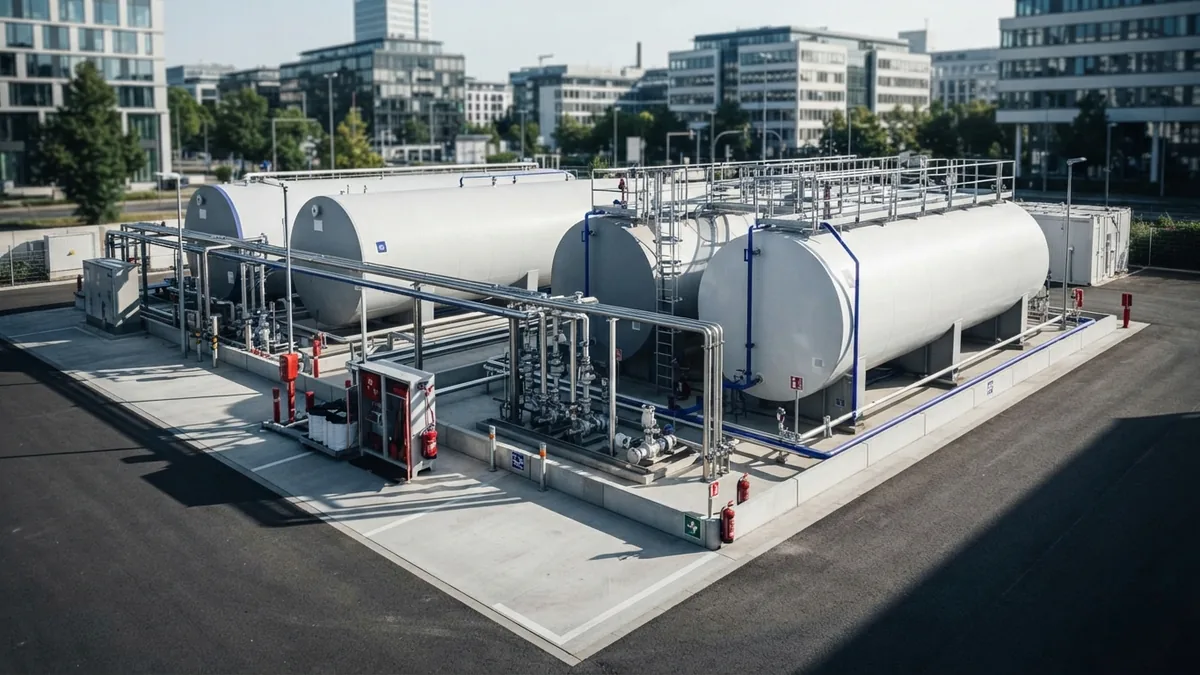
Buy equipment that matches your first sales volume. This may include tanks, pumps, meters, pipes, trucks, testing tools, spill kits, and office systems. Get service terms and spare part plans before you place an order.
Write clear work steps for receiving, testing, storing, loading, delivering, and billing fuel. Record each batch and delivery. Use checks that catch leaks, wrong grades, meter faults, and payment errors.
Safety must shape each task. Keep fire gear near risk points. Train staff before they handle fuel. Run spill drills and inspect tanks, hoses, valves, and vehicles on a set schedule.
Track a small set of useful numbers each week:
- Gross margin per litre or shipment
- On-time delivery rate
- Fuel loss and stock variance
- Open customer debt
- Safety checks completed
Launch in Stages and Control Risk
Start with a pilot route, a small buyer group, or a limited product range. This lets you test pricing, delivery times, stock checks, and customer service before you add more volume.
Set clear limits for credit, stock, price exposure, and supplier reliance. Review these limits each week. Stop growth when cash, safety, or service quality falls below your set level.
Review results after the first 30, 60, and 90 days. Keep the parts that work. Fix weak routes, slow payment terms, and costly supply gaps. Then update your oil business plan with real operating data.
Starting an oil company takes more than access to fuel. It needs a focused niche, sound funding, safe systems, and trusted partners. Build those parts in order, and growth becomes easier to manage.
Step-by-step
- 01 Choose an oil business niche
Select one path, such as fuel delivery, storage, retail, or oil trading. Match the choice to your skills, funds, and local demand.
- 02 Research buyers and rivals
Study prices, freight, storage, demand, and competing firms. Speak with likely buyers about volume, service, and payment needs.
- 03 Write the business plan
Set goals, sales targets, operating needs, risks, and financial projections. Test weak sales and higher cost cases.
- 04 Arrange funding
List launch costs, fixed assets, and working cash. Compare savings, investors, loans, supplier credit, and equipment finance.
- 05 Secure permits and insurance
Confirm company, tax, storage, transport, fire, and environmental duties. Get insurance and complete required safety plans.
- 06 Build supply and operations
Choose a suitable site, buy needed equipment, and sign supply and sales deals. Write steps for storage, delivery, billing, and emergencies.
- 07 Run a small pilot
Begin with a limited route, product range, or buyer group. Track margin, service, stock loss, safety, and customer payment.
Frequently asked questions
- How do you start an oil business?
- Choose a niche, research demand, write a plan, secure funding, and obtain permits. Then build safe supply and delivery systems.
- How much money is needed to start an oil business?
- The amount depends on your niche. Fuel delivery needs less capital than refining or exploration, but working cash remains vital.
- What permits are needed for an oil business?
- You may need company, tax, storage, transport, fire, and environmental permits. The exact list depends on your location and products.
- Is oil trading a good business for beginners?
- Oil trading can offer strong margins but carries sharp price and credit risks. Beginners should start with strict limits and expert advice.
- How can an oil business reduce risk?
- Use more than one supplier, set credit limits, insure key assets, train staff, and test low-price and high-cost cases.
Related reading

Choose a Business Structure (Types, Trade-Offs, and Examples)
Compare business types and choose a structure that fits your risks and goals.

Small Business Loan Rates (Fixed or Variable?)
Compare steady fixed payments with variable rates that can change over time.

Start a Finance Business (From Idea to Launch)
Choose a finance niche, check the rules, and build a sound launch plan.