How to Start Your Own Housekeeping Business
Start small, price by the job, and build steady work through trusted service.
Choose a housekeeping business model
To start your own housekeeping business, choose a service model, set up the basics, and find your first clients. Many owners begin alone, serving homes within a small area. This keeps costs low and lets you learn how long each job takes.
A solo service gives you direct control over quality and scheduling. A team can take more bookings, but brings added costs for pay, training, and cover. A franchise offers a known name and set systems, yet may require a large fee and ongoing payments.
Start with a clear service list. You might offer routine home cleaning, deep cleans, move-in or move-out jobs, or short-term rental resets. Avoid promising tasks that need special tools or training unless you can do them well.
- Solo: Best for a low-cost start and close client contact.
- Team: Suits owners with steady demand and clear work rules.
- Franchise: Offers a set model, but can cost more and limit choice.
For most new owners, working solo first is the safer route. You can test your prices, learn the work, and build a client base before hiring anyone.
Set up the business and meet local rules

Rules depend on your country, state, or city, so check with local agencies before you take paid work. Find out whether you need to register a business name, get a tax number, or hold a local permit. If you use a name other than your own, you may need to file a DBA, which means “doing business as.”
Choose a business structure that fits your risk and tax needs. A sole owner setup is often simple, while a company structure may offer more separation between personal and business matters. Ask a local accountant or business adviser when the choice is unclear.
Look into General Liability insurance before entering clients’ homes. It can help cover claims tied to damage or injury, subject to the policy terms. If you hire staff later, check rules for workers’ cover, payroll, and employment rights.
Use a written service agreement, even for small jobs. List the tasks, price, access plan, payment date, and rules for cancellations. Take care with keys and alarm codes, and keep client details private.
Keep business and personal money apart from the start. Track income, supplies, travel, and fees in a simple ledger or bookkeeping tool. Set aside money for tax, and save receipts as you go.
Buy the essentials and set a lean startup budget

A solo housekeeping business can often start for under $1,000, if you already own a car and basic household tools. Your total will vary by location, insurance, and the services you offer. Buy only what you need for your first jobs, then add tools when client demand supports them.
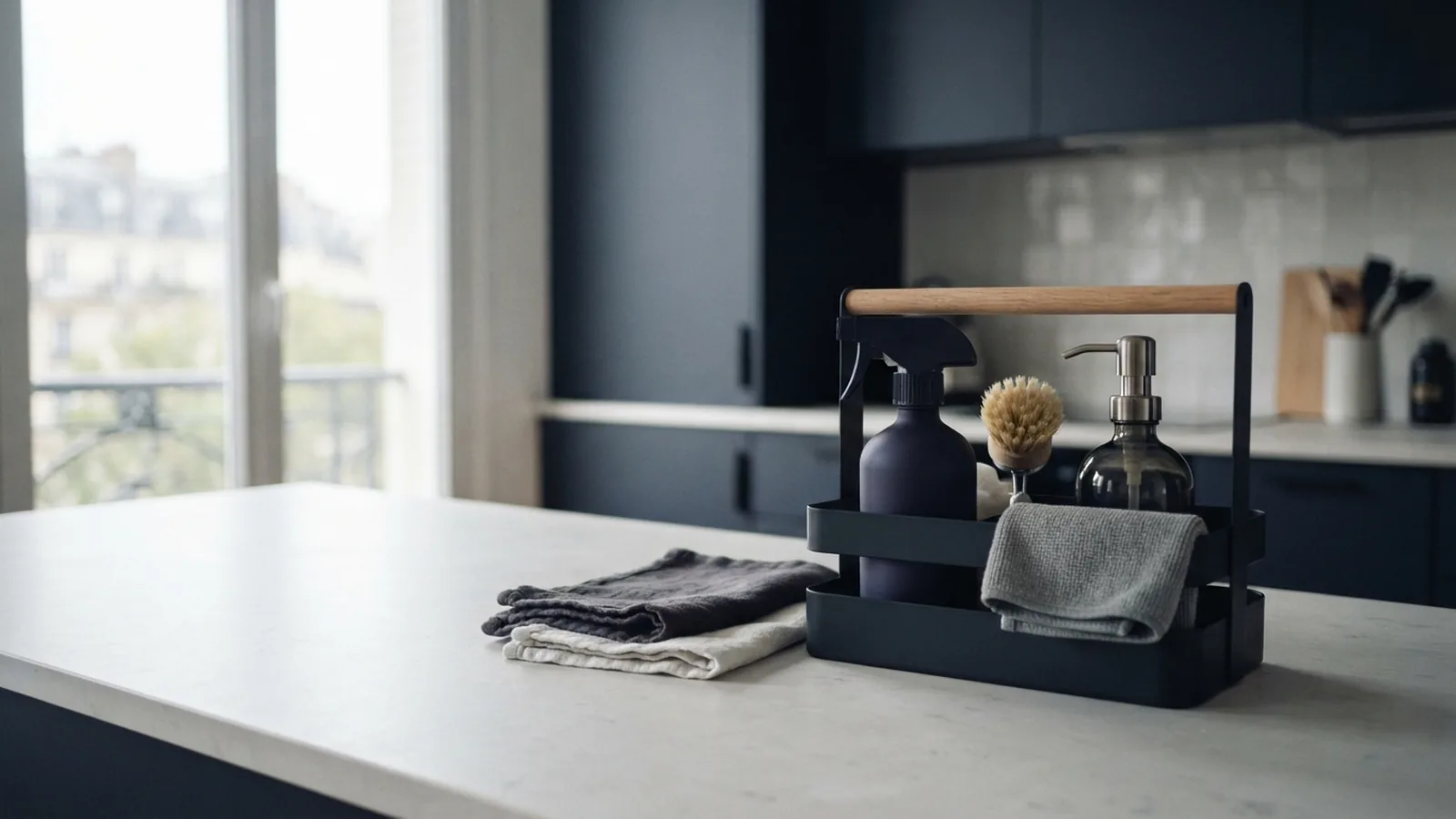
Start with a vacuum, mop, bucket, cloths, scrub brushes, gloves, and a small caddy. Add surface-safe cleaners for kitchens, bathrooms, glass, and floors. Check product labels, and never mix cleaning chemicals.
Keep a separate set of cloths for kitchens and bathrooms. This simple habit helps limit the spread of dirt between rooms. Ask clients about delicate surfaces, pets, allergies, and products they want you to avoid.
| Startup item | Rough cost |
|---|---|
| Basic tools and caddy | $150–$350 |
| Cleaning products and cloths | $75–$150 |
| Insurance and local filings | $200–$500 |
| Simple marketing and payment setup | $25–$100 |
These figures are planning ranges, not quotes. Get local insurance and filing prices before you set your budget. Keep a small reserve for fuel, replacement tools, or a slow first month.
Price jobs for value and profit
Set a target pay rate of about $30–$50 per working hour, then quote a price for each home or task. The right rate depends on your area, the job’s size, and the time it takes. This target is your gross pay before costs and tax.
It is usually better to charge by the job than by the hour. A job price gives clients a clear cost and rewards you for working well. It also avoids a lower bill when you become faster through practice.
Estimate the time for each room, then add travel, supplies, and a margin for surprises. For example, if a home takes three hours and your target is $40 per hour, the labor base is $120. Add costs or extra work, then give the client a firm quote.
Ask about the home before quoting. Square footage helps, but clutter, pets, buildup, and special requests can change the workload. For a first visit, you can set a higher deep-clean rate, then quote a lower repeat rate if later visits take less time.
- Set a minimum charge so short trips still pay.
- List what each package includes and what costs extra.
- Review prices when supply, travel, or labor costs rise.
- Track actual job time and update quotes that miss your target.
Find clients and earn repeat bookings

Start with people who already trust you. Tell friends, former colleagues, and local groups what you offer, where you work, and how to reach you. Ask satisfied clients to share your details with a neighbor.
Word of mouth grows when service is steady and easy to recommend. Arrive on time, follow the agreed list, and flag any problem before it becomes a surprise. After a good first job, ask whether the client would like a regular booking.
Use a simple service offer to win early work. You could offer a first-visit deep clean at a set price, or a small add-on for repeat clients. Make the terms clear, and check that the price still covers your time and costs.
Build a basic online presence with your service area, contact details, task list, and booking steps. Ask clients for honest reviews after completed jobs. Never post a client’s home or details without clear permission.
Keep a record of each lead and follow up once if they do not book. Note where they heard about you and which service they asked about. This shows which client acquisition methods bring real jobs, not just attention.
Grow at a pace you can manage
Do not rush to hire. First, build a stable schedule and learn your real costs across several types of homes. When you turn away good work or cannot meet repeat demand, growth may make sense.
Before hiring, write down your cleaning steps, quality checks, and client handoff rules. Set fair pay and check local rules for staff or subcontractors. A worker’s legal status can affect tax and insurance duties, so get local advice first.
Test growth with a small change. You might add one weekly route, serve a nearby area, or offer a new service that uses your current tools. Check the profit and workload before you expand again.
Protect the service that earned your first clients. Keep clear booking records, check work quality, and ask for feedback. Growth works best when clients still get the care they were promised.
Step-by-step
- 01 Choose your service model
Decide whether to work solo, build a team, or buy into a franchise. Start solo if you want to test demand with lower costs.
- 02 Check local business rules
Ask local agencies about business registration, a DBA, permits, tax steps, and insurance. Keep written terms for each client.
- 03 Buy core supplies
Choose basic tools and safe cleaning products for the jobs you plan to take. Keep startup spending lean and track each cost.
- 04 Set your prices
Choose a target gross rate and turn it into a job price. Include expected work time, travel, supplies, and extra tasks.
- 05 Find and retain clients
Ask your network for referrals and share a clear offer in local channels. Deliver consistent work and invite clients to book repeat visits.
Frequently asked questions
- How much does it cost to start a housekeeping business?
- A solo service may start for under $1,000 if you already have transport and basic tools. Insurance, local filing fees, and supply choices can change the total.
- Do I need to register a DBA for a housekeeping business?
- You may need a DBA if you trade under a name other than your own. Check your local rules, since filing needs vary by location.
- How should I price housekeeping services?
- Set a target gross rate, such as $30–$50 per working hour, then quote a fixed price for the job. Include time, supplies, travel, and any special tasks.
- Should I charge clients by the hour or by the job?
- A job-based price gives clients a clear cost and lets you benefit as your work gets faster. Estimate time carefully and define what the quote includes.
- Is it better to start a housekeeping business alone?
- Starting solo helps you learn the work, test prices, and build a client base with fewer costs. Hire only when demand and your job process are steady.
- How can I get my first housekeeping clients?
- Tell people you know, ask happy clients for referrals, and share a clear service offer in local groups. Follow up with leads and invite satisfied clients to book again.
Related reading

How to Start a Thrift Business: Plan and Launch
Choose your niche, plan costs, meet local rules, and build a steady stock supply.

How to Start a Franchising Business
Compare franchise options, check the numbers, and speak with owners before signing.

How to Start a Vitamin Business Online
Choose a focused product range, meet labeling rules, and build a store customers trust.