How to Start Your Own Restaurant Business
Plan, fund, launch, and manage a restaurant with less guesswork.

Identify a restaurant concept that fits the market
How to start a restaurant business begins with one clear idea. Choose a cuisine type, service style, price range, and guest group. Your concept should match your skills and local demand. A busy office area may need fast lunches. A suburb may suit family meals.
Study nearby restaurants before you spend money. Visit at lunch, dinner, and on weekends. Note prices, wait times, menu gaps, and busy hours. Ask local residents what they want to see. This market research can show if your idea fills a real need.
Write a short concept statement before you move on. Explain what you sell, who you serve, and why guests will return. Test the idea with tastings, pop-ups, catering, or a shared kitchen. Small tests can reveal weak demand before a lease creates risk.
- Choose a cuisine and service style you know well
- Define your main guest and average check
- Find a clear gap in the local market
- Test demand before signing a long lease
Draft a restaurant business plan
To learn how to build a restaurant business plan, start with your sales model. Estimate guests per day, average spend, opening days, and seasonal changes. Then list food, labor, rent, insurance, utility, repair, and loan costs. Build low, expected, and strong sales cases.
If you ask how to create a restaurant business plan, include more than a sales forecast. Cover your concept, market, menu, staffing, suppliers, site, and daily systems. Explain who will order stock, check waste, close the till, and train staff. These operating strategies help you manage a restaurant business successfully.
A good plan also shows the cash needed before opening. Include build-out work, kitchen gear, furniture, deposits, permits, early payroll, and launch costs. Keep three to six months of working cash if possible. The U.S. Small Business Administration business plan guide offers a clear format for these sections.
Use your plan as a working tool, not a one-time form. Update sales and costs each month after opening. Compare actual results with your forecast. Change prices, hours, or staffing when the numbers show a need.
- Forecast sales by day and by service period
- List one-time costs and monthly costs
- Show a break-even point and cash reserve
- Set clear rules for stock, waste, labor, and cash

Choose funding before you sign a lease
Funding may come from savings, partners, bank loans, grants, crowdfunding, or equipment finance. Each choice has a cost and a risk. Match the funding term to the asset. Use long-term debt for major equipment, not daily bills.
When learning how to get a loan for restaurant business costs, prepare a lender pack. Include your plan, owner resume, credit record, tax forms, site details, cash contribution, and supplier quotes. Lenders want proof that you understand sales and repayment. They may also ask for collateral or a personal guarantee.
Many people search for how to start a restaurant business with no money. A full restaurant still needs cash for deposits, stock, permits, wages, and bills. A safer low-cash route may begin with catering, a food stall, or a shared kitchen. Build sales history before taking on a costly site.
Do not borrow based on your best sales case. Test whether your expected cash flow can cover debt payments. Keep a reserve for slow weeks and repairs. Cash control matters more than a large opening budget.
- Work out the full start-up cost
- Set aside cash for early losses
- Compare rates, fees, terms, and security needs
- Borrow only what your cash plan can support
Choose a site that fits your guests and budget
A strong site needs more than high foot traffic. It must fit your guests, rent budget, kitchen needs, and service style. A lunch concept may need office workers nearby. A destination venue may need parking and easy evening access.
Check signs, sight lines, parking, transit, delivery access, and nearby firms. Visit at several times and on different days. Count passing customers for set time periods. Ask why the last tenant left. These checks can reveal weak demand or costly site problems.
Review the lease with a lawyer who knows business property. Check rent rises, repair duties, renewal rights, and permitted use. Confirm that the site can support food service, waste pickup, grease control, and enough power. Never assume a former restaurant meets every current rule.
Keep occupancy costs in your plan from day one. Rent, common fees, taxes, and repairs can hurt a thin margin. A cheap site may need major work. A costly site may still work if it drives strong sales.

Design a menu that earns its place
Your menu should express the concept and fit the kitchen. Start with a small set of dishes that share key ingredients. This can cut waste, speed service, and simplify staff training. Add items only when they support demand and profit.
Cost every recipe before printing a menu. Include ingredients, trim, garnish, packaging, and waste. Set prices from both cost and guest value. Check nearby prices, but do not copy them without checking your own costs.
Run a tasting with likely guests. Ask about flavor, portion size, price, and choice. Track which dishes guests finish and which they leave. Use the results to refine the menu before launch.
- Keep the first menu focused and easy to produce
- Cost every dish with current supplier prices
- Use shared ingredients where quality stays high
- Mark options that suit key dietary needs
Get licenses, permits, and insurance in place
Licenses vary by city, state, and business type. You may need a business license, food service permit, health approval, sales tax account, and food safety training. A liquor permit may apply if you plan to serve a bar menu or alcohol. Check rules before you sign a lease.
Ask local officials for a written list of needed approvals. Confirm rules for zoning, signs, fire safety, building work, grease, waste, and outdoor seating. Keep copies of forms, inspections, renewals, and staff certificates. Missing one approval can delay your opening.
For a restaurant and bar business, plan alcohol rules from the start. A bar can change layout, staffing, insurance, security, and cash controls. Do not treat alcohol sales as a simple menu add-on. Get advice from local authorities and a qualified insurance agent.
The FDA Food Code gives a model for safe food handling. Local agencies enforce the rules in practice. Check local requirements instead of relying on a national guide alone.

Build a marketing plan before opening
Restaurant marketing should begin before the doors open. Choose a name, look, promise, and tone that fit your guests. Create a simple site with the menu, location, hours, and booking details. Claim accurate business listings on major map services.
Build interest with tastings, local partnerships, and a clear opening offer. Share useful updates about the menu and service style. Ask early guests for honest feedback. Do not buy fake reviews or make claims you cannot support.
Track which channels bring visits and sales. Use a small test budget for local search, social ads, email, or partnerships. Measure bookings, repeat visits, average spend, and offer use. Stop spending on channels that bring attention but no guests.
- Set a launch date and local outreach plan
- Publish accurate hours, menus, and booking details
- Use tastings to build early word of mouth
- Track sales from each marketing channel
Run the restaurant with tight daily controls
Knowing how to start your own restaurant business is only the first stage. Strong daily control protects the margin. Review sales, labor, food cost, waste, refunds, and cash each week. Fix small leaks before they become large losses.
Set clear roles for opening, prep, service, cleaning, ordering, and closing. Train staff with short checklists and watched practice. Hold brief shift meetings before busy periods. Good systems make it easier to manage restaurant business work during pressure.
Owners who ask how to manage a restaurant business successfully should watch both numbers and guest experience. Read reviews for repeated issues. Check food quality and wait times yourself. Reward staff who protect service and costs.
Some owners also search how to start a restaurant consulting business. That path sells advice, training, or systems to other operators. It differs from owning a restaurant and needs proof of results, a clear service offer, and business clients.
A franchise can offer a known brand and tested systems. It also brings fees, rules, and less freedom. Anyone asking how to start a restaurant franchise business should review the agreement, costs, territory, and exit terms before paying.
For owners asking how to start restaurant business in USA, the steps stay similar. Local permits, taxes, labor rules, and liquor laws differ by state and city. The same checks apply when asking how to start up a restaurant business or how to start own restaurant business.
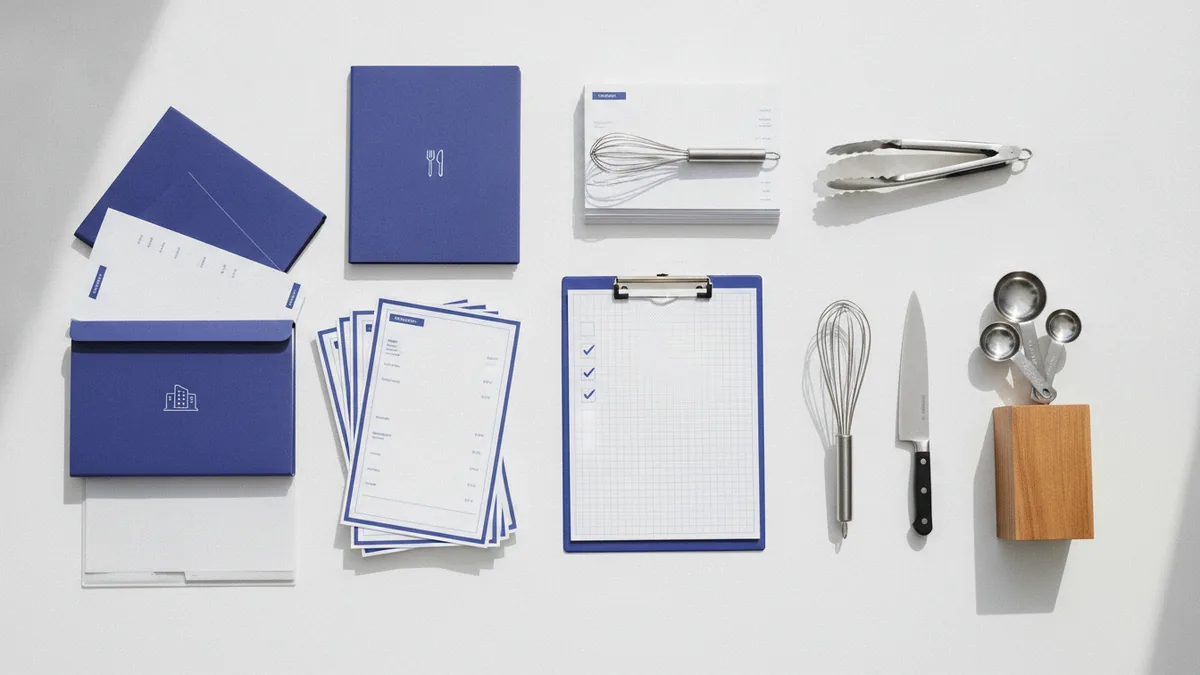
Use a clear opening checklist
If you ask how do you start a restaurant business, work in a fixed order. Test the concept, write the plan, fund the project, and check the site. Then set the menu, permits, team, and marketing plan. This order limits costly changes.
People also search how do i start my own restaurant business, how to start my own restaurant business, and how to start your own restaurant business. The answer is not one task. It is a linked set of tests that turns an idea into a safe operating plan.
Start with proof, not hope. Make sure guests want the offer, the numbers can carry the costs, and the site can pass inspection. Then open with a small, controlled menu. Learn fast and protect cash.
- Test the concept with real guests
- Finish the plan and cash forecast
- Secure funding and inspect the site
- Complete permits, hiring, training, and menu tests
- Launch marketing and review results each week
Step-by-step
- 01 Test the restaurant concept
Study nearby venues and speak with likely guests. Test your idea through tastings, catering, or a pop-up.
- 02 Write the business plan
Forecast sales, costs, staffing, suppliers, and cash needs. Include low, expected, and strong sales cases.
- 03 Secure funding
Compare savings, partners, loans, grants, crowdfunding, and equipment finance. Keep enough cash for early losses.
- 04 Choose and check the site
Match the site to your guests, budget, kitchen needs, and service style. Check the lease, zoning, power, waste, and access.
- 05 Prepare the menu and permits
Cost each dish and keep the opening menu focused. Get every local license, health approval, tax account, and permit.
- 06 Launch and manage operations
Train staff, market the opening, and track sales, labor, food cost, waste, and guest feedback each week.
Frequently asked questions
- How do you start a restaurant business?
- Start with a clear concept, local market checks, and a cost forecast. Then secure funding, choose a site, get permits, design the menu, hire staff, and market the opening.
- How to create a restaurant business plan?
- A plan should cover the concept, market, menu, staffing, site, suppliers, sales forecast, costs, cash reserve, and daily controls. Include low, expected, and strong sales cases.
- How to start a restaurant business with no money?
- You need cash for deposits, permits, stock, payroll, equipment, and early bills. Start with catering, a food stall, or a shared kitchen if a full site is not affordable.
- How to get a loan for restaurant business costs?
- Prepare a business plan, owner resume, credit records, tax forms, site details, supplier quotes, and your cash contribution. Compare rates, fees, collateral needs, and repayment terms.
- How to start a restaurant and bar business?
- A restaurant and bar business may need extra permits, insurance, security plans, and cash controls. Check alcohol rules with your city and state before signing a lease.
- How to start a restaurant franchise business?
- Review the franchise fee, required investment, royalty rate, territory, supplier rules, renewal terms, and exit rights. Get legal and financial advice before signing.
Related reading

Build an App Business (From First Idea to Launch)
Turn a useful app idea into a tested product and a sound business.

Business Applications — The Software Behind Daily Work
See how business apps support daily work, team goals, and better decisions.

Consulting Jobs — Roles, Skills, and How to Get Started
See what consultants do, which skills matter, and how to enter the field.