Private Branding (How Retailers Build Their Own Products)
See how retailers create their own products and brands.
What Is Private Branding?
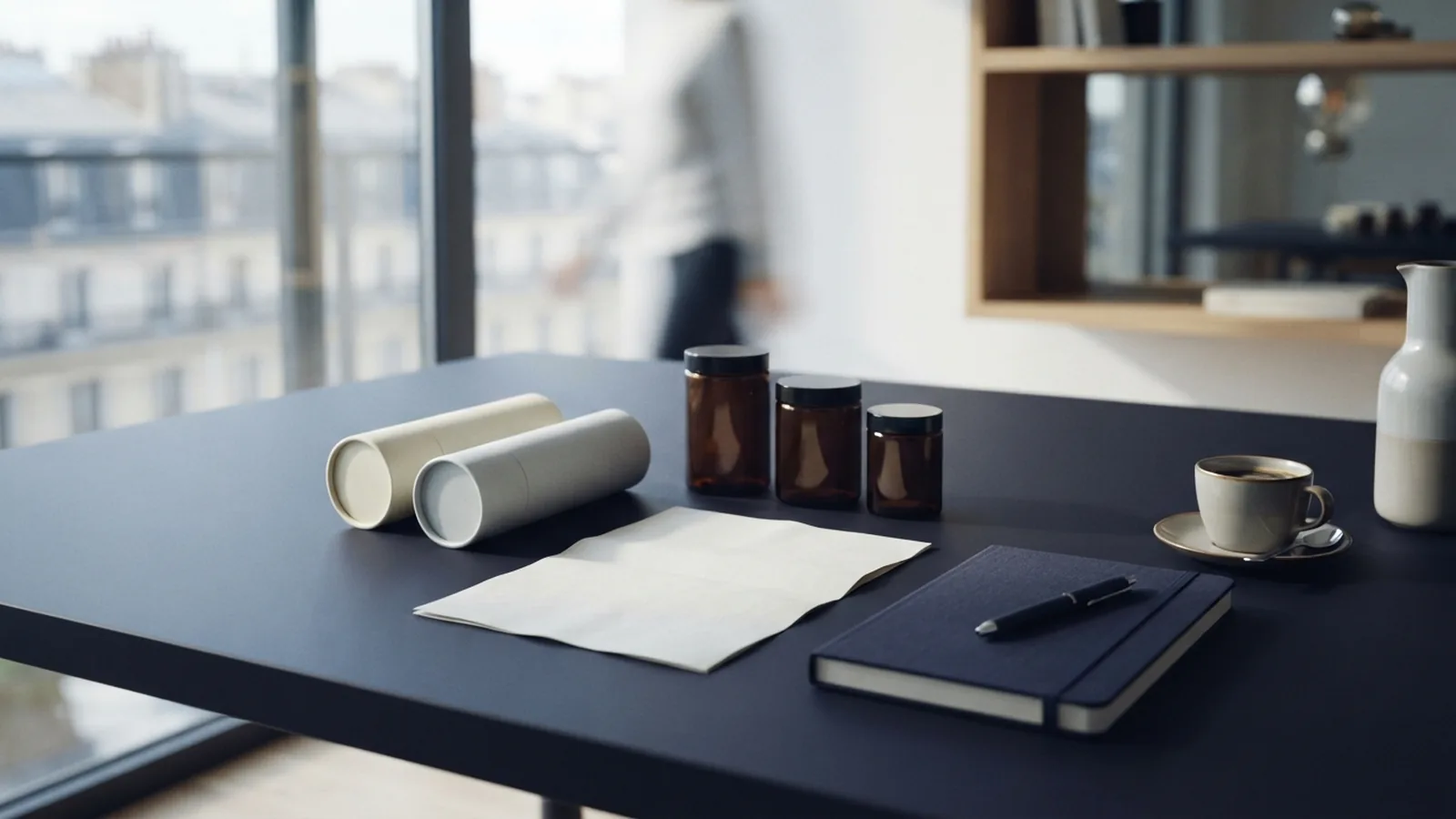
Private branding means selling goods under a brand owned by a retailer. A third-party maker often produces those goods. The retailer guides the product, price, package, and marketing. This lets a store shape its range without running a factory.
For example, a grocery chain may ask a food maker to produce pasta sauce. The chain sets the recipe, jar size, look, and target price. The maker produces and packs the sauce. Shoppers see the store's brand on the shelf.
What is private label branding? It is another name for this model. The terms often refer to the same kind of product. Private label products range from basic household goods to premium foods and skin care.
Brand ownership brings both control and responsibility. Shoppers link the product's quality to the retailer. The retailer must choose its maker with care, set clear product rules, and stand behind what it sells.
Types of Private Branding
Store brands are the best-known type. A grocery store might sell milk under its own name. A pharmacy might offer pain relief under a house brand. These ranges often cover common needs at several price points.
Exclusive product lines are made for one retailer or store group. A clothing shop might offer coats in cuts and colors found only in its stores. A home goods retailer might create furniture for its own customers. These products can give shoppers a reason to choose that store.
Niche labels focus on a clear need, taste, or group. Examples include plant-based snacks, fragrance-free skin care, and premium pet food. A focused range can serve a specific group well. It still needs to meet real customer needs.
- Store brands: Broad ranges sold under a retailer's name.
- Exclusive lines: Products made for one retailer or store group.
- Niche labels: Focused ranges for a clear need or taste.
These types can overlap. A retailer may sell a broad store brand and a premium niche line at once. The right mix depends on its customers, shelf space, and brand goals.
Private Branding vs. National Brands
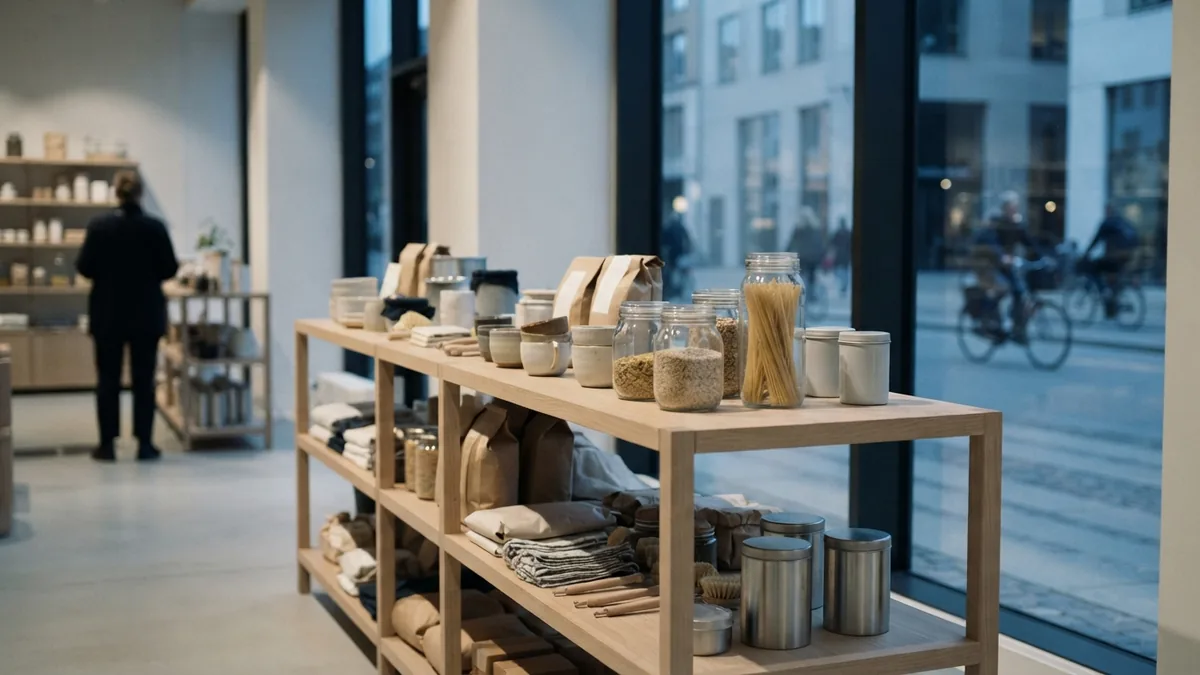
A private brand belongs to a retailer or retail group. It is usually sold through that retailer's shops or sales channels. A national brand belongs to its maker and is sold through many retailers.
Control differs, too. A retailer guides the product details for its own line. It may work with the maker on ingredients, size, package, and price. A national brand owner makes those choices and then seeks shelf space in stores.
| Feature | Private brand | National brand |
|---|---|---|
| Brand owner | Retailer or retail group | Product maker |
| Where sold | Often one retailer or group | Many retailers |
| Product choices | Retailer guides the product | Brand owner guides the product |
| Production | Often handled by a third-party maker | Handled by the brand owner or its suppliers |
Neither model guarantees better quality or a lower price. A store brand may cost less because it has different sales and marketing costs. Some private brands target premium buyers and cost more than well-known brands. Compare the product, not just the name.
Many retailers carry both kinds. National brands can bring name recognition and broad demand. Private brands give stores more say over their own range. Together, they give shoppers more choice.
Benefits of Private Branding
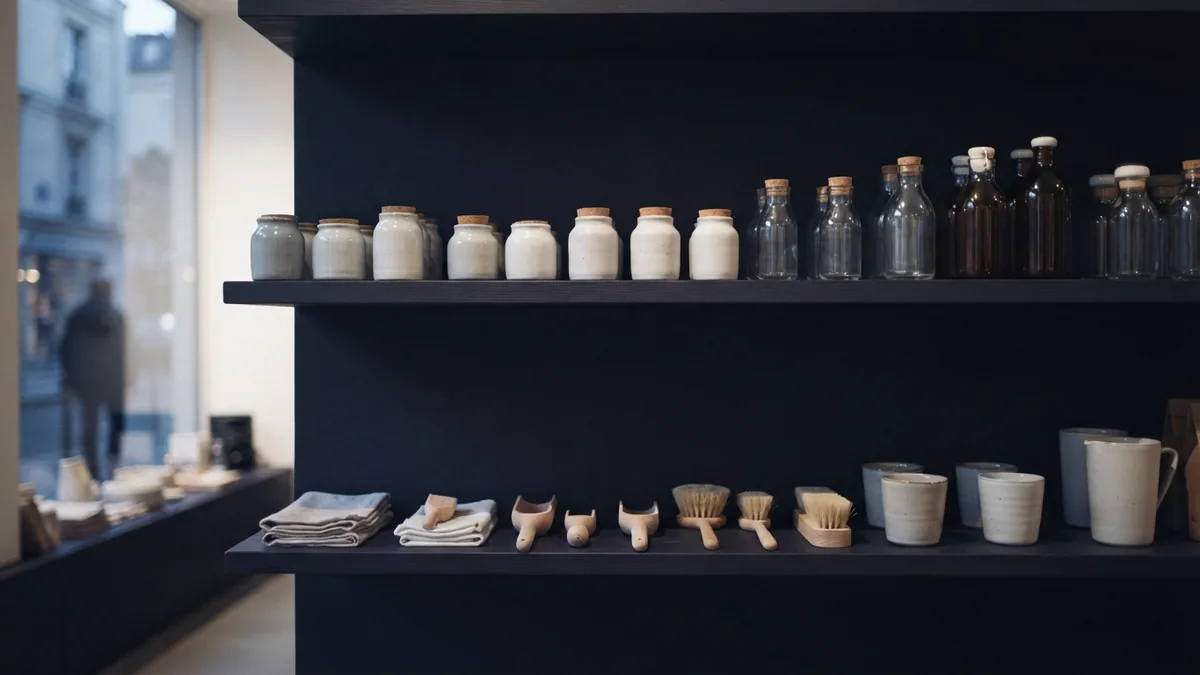
Higher profit margins are one possible benefit. A retailer may have more say over product cost and shelf price than it does with a national brand. The true margin also depends on maker fees, order size, freight, returns, and sale costs. Count these costs before setting a price.
Private branding can also build customer loyalty. Shoppers who trust a retailer's products have another reason to return. That trust grows when quality stays steady and the range solves real needs. One strong product may lead shoppers to try others.
Distinct products can help a retailer stand apart from nearby rivals. When shoppers cannot find the same item elsewhere, price is only part of their choice. A private line can also fill gaps in a store's range. The best lines fit the store's customers and strengths.
Retailers gain a direct way to shape the customer experience. They can change a product or package when needs shift. This control is useful, but it also brings a duty to meet the brand promise.
Challenges in Private Branding
Finding a reliable maker takes time. A low quote means little if the maker misses deadlines or changes materials without approval. Retailers should check a maker's track record, capacity, safety steps, and terms. They should also agree on how problems will be handled.
Quality control is another key challenge. A product that varies from one order to the next can damage trust. Set product specifications before production starts. These should cover materials, size, performance, packaging, and tests.
Order size can create risk. A large first order may lower the cost per item, but it can leave a retailer with unsold stock. A small run costs more per item, yet it can test demand with less risk. Match the first order to likely sales and the maker's minimum order rules.
Marketing needs care as well. A new brand may lack the name recognition of a national product. The retailer must explain who the product serves and why it is worth trying. Clear shelf placement, useful product details, and steady quality help build trust over time.
How to Start with Private Branding
Begin with a customer need, not a product idea alone. Review what shoppers buy, ask staff about common requests, and look for gaps in the current range. A product should fit the store and solve a clear problem.
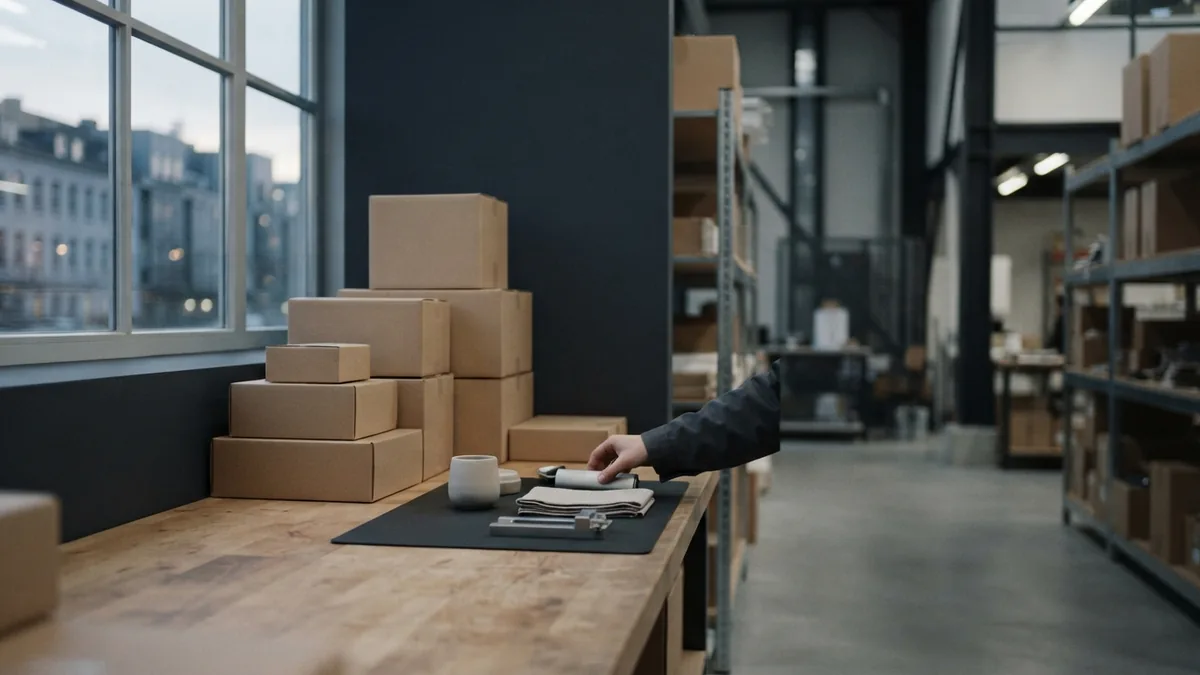
Next, set a simple product brief. Describe the intended customer, key features, target price, package needs, and quality rules. Share the brief with possible makers and ask for samples, costs, lead times, and order limits.
- Choose a product gap. Use sales data and customer feedback to find a need your store can serve.
- Write product rules. Set the key features, quality level, price aim, and package needs.
- Check possible makers. Compare samples, costs, capacity, order limits, and delivery times.
- Test before a wide launch. Start with a small run when possible and gather buyer feedback.
- Track results. Review sales, returns, customer comments, and product quality after launch.
Before placing an order, agree on who owns the product design and package files. Put quality checks, delivery dates, payment terms, and steps for defects in writing. Clear terms can prevent costly disputes later.
Launch in a way that fits the product. Give shoppers a clear reason to try it, then watch sales and feedback. Keep what works and fix what does not. Private branding grows through sound choices and steady follow-through.
Frequently asked questions
- What is private branding?
- It is a way for a retailer to sell goods under its own brand. A third-party maker often produces them.
- What is private label branding?
- Private label branding is another term for products sold under a retailer's own brand. The retailer sets key product goals, while a maker may handle production.
- How is a private brand different from a national brand?
- A private brand belongs to a retailer and is often sold through its stores. A national brand belongs to its maker and is sold through many retailers.
- What are the benefits of private branding?
- It can give retailers more control over products, price, and marketing. It may also support stronger margins, customer loyalty, and a distinct store range.
- What are common private branding challenges?
- Retailers need to find a reliable maker, keep quality steady, and market the product well. Large orders and weak demand can also create stock risk.
Related reading

Start a Storage Business (From First Idea to Opening)
Plan your storage business around local demand, realistic costs, and a secure, easy-to-reach site.

Build an Affiliate Marketing Business (From the Ground Up)
Start small, choose a useful niche, and earn through trusted recommendations.

Business Intelligence Tools — What They Do and How to Choose
See how BI tools turn business data into useful decisions.