Start a Cookie Business (From First Recipe to First Sale)
Turn a strong cookie idea into a well-planned business with clear steps for selling.
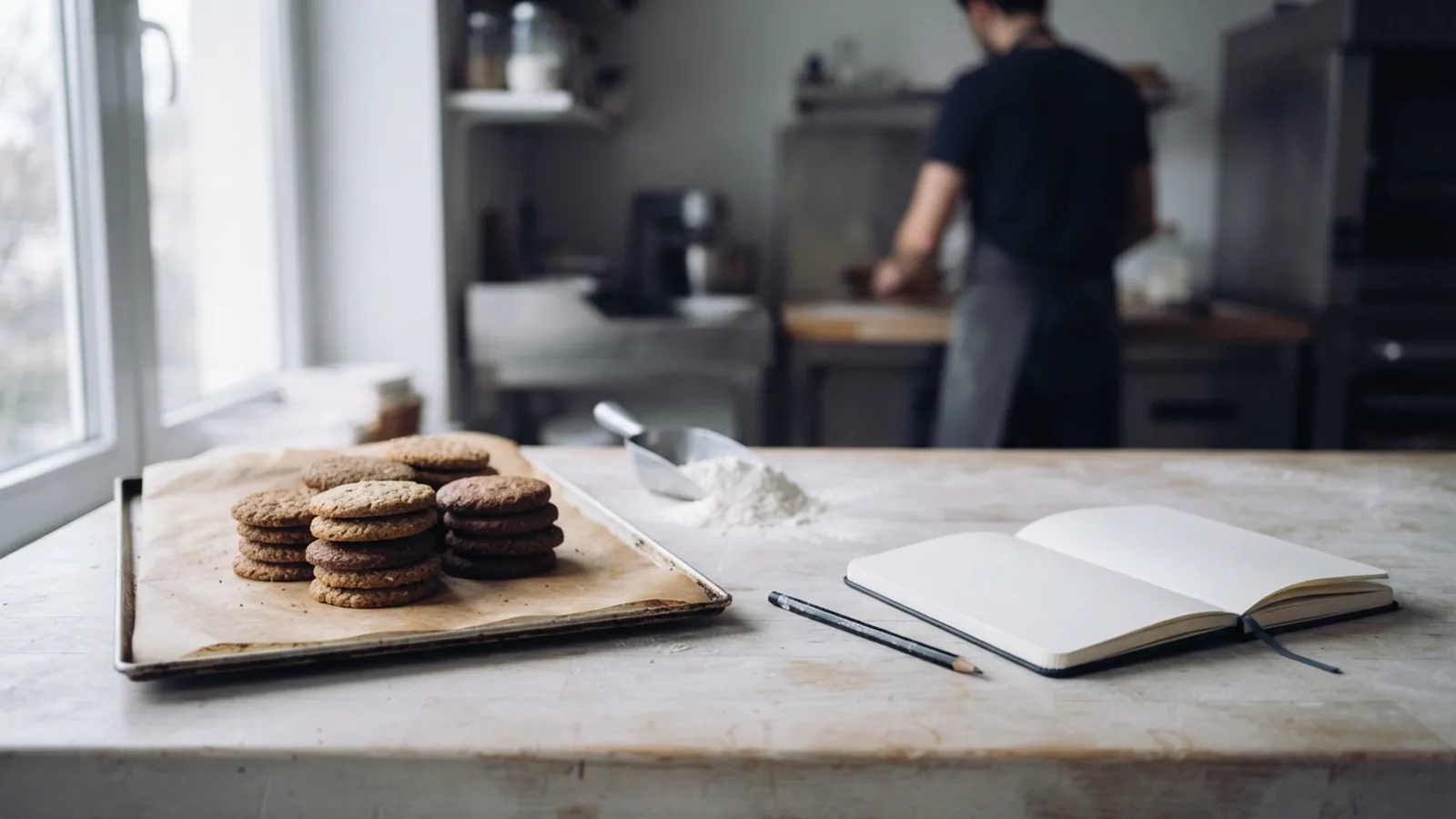
Understand the cookie market before you bake
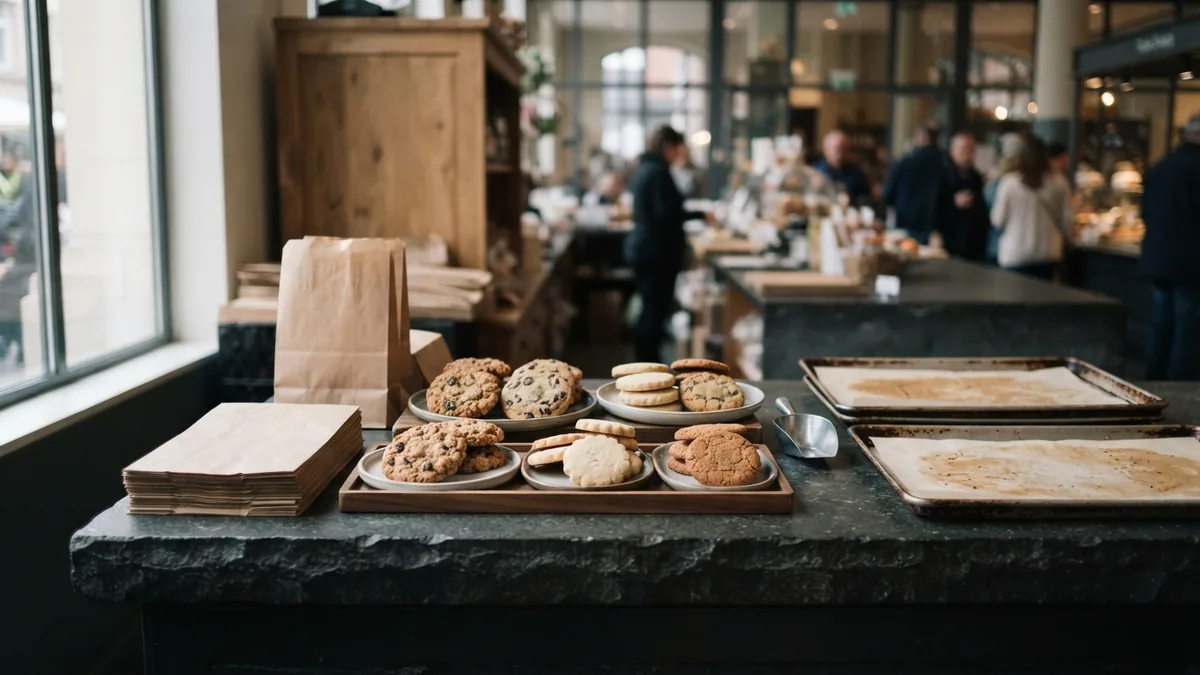
To start a cookie business, test demand, pick a clear niche, plan costs, and check local food rules. Then choose where to sell and how to reach buyers. Start small. A few tested products can teach you more than a large menu.
Study nearby bakeries, farmers’ markets, cafés, and online sellers. Note their prices, best-selling flavors, pack sizes, and customer reviews. Look for needs they do not meet, such as custom party favors, vegan treats, or gift boxes that ship well.
Ask likely buyers what they would order and what they would pay. A short survey can help, but real orders offer stronger proof. Try a small batch at a market or through a local event. Track the number of samples, sales, repeat orders, and questions people ask.
Check demand both nearby and online. Local buyers may want fresh cookies for birthdays or office events. Online customers may favor sturdy cookies with longer shelf life and simple shipping. Compare shipping fees, delivery times, and packaging needs before you promise nationwide service.
- List nearby sellers and their core products
- Ask 10 to 20 likely buyers about flavors and prices
- Test a small batch before buying large quantities
- Record sales, costs, and customer feedback
Use the results to shape your first offer. For example, strong demand for custom favors may support a made-to-order model. Weak interest in a flavor is a useful signal, not a reason to keep spending.
Choose a niche customers can remember
A focused niche helps customers understand why they should buy from you. You might make decorated sugar cookies, gluten-free cookies, filled cookies, or small-batch regional flavors. Pick a direction that fits your skills, local demand, and ability to make each order well.
If you are exploring how to start a cookie decorating business, test both design time and profit. Detailed icing work can bring a higher price, but it also takes longer. Set limits on colors, shapes, and design changes so each order stays manageable.
For a sugar cookie business, build a small set of reliable shapes and flavors first. Test how the cookies taste after icing and how well they hold their shape. For allergy-aware products, avoid claims you cannot support. Separate tools and work areas may be needed to reduce cross-contact.
Write a short product promise that guides your choices. It could be “custom birthday cookies with bold, simple designs” or “small gift tins of crisp, gluten-free cookies.” Keep the first menu narrow. Four to six core products make buying, baking, and stock planning easier.
Price each item from its full cost, not just the ingredients. Include labor, packaging, payment fees, delivery, and waste. If a decorated cookie costs $1.10 to make before labor, a $1.25 sale price may leave too little to pay yourself.
Set up the business and choose where to sell
Choose between online sales, a physical shop, or a small local model that combines both. A home bakery or shared kitchen can lower early costs where local rules allow it. A storefront brings walk-in traffic, but rent, utilities, and staff raise the amount you must sell.
To learn how to start an online cookie business, plan the full order path. Buyers need clear product photos, prices, delivery dates, and a simple way to pay. Set order cutoffs and explain how you handle custom requests, delays, and damaged parcels.
Write a business plan before taking on major costs. Keep it short, but include your goals, target buyers, menu, sales channels, startup costs, and monthly forecast. Estimate how many packs you must sell to cover fixed costs, then test whether that number seems realistic.
For example, if fixed monthly costs are $1,200 and each box adds $8 toward those costs, you need 150 boxes to break even. This simple estimate can guide your sales target. Update it when ingredient prices, rent, or shipping fees change.
Separate business money from personal spending where possible. Track each sale and cost from day one. Pick an order method that fits your volume, such as a basic online shop, a market stall, or direct local orders. Avoid paying for costly tools before you know they solve a real problem.
- Choose a sales model and define your first customer group.
- Write a one-page plan with costs, prices, and sales goals.
- Set up a way to take orders and track every payment.
- Run a small launch and review profit after each batch.
Source ingredients and baking equipment with care
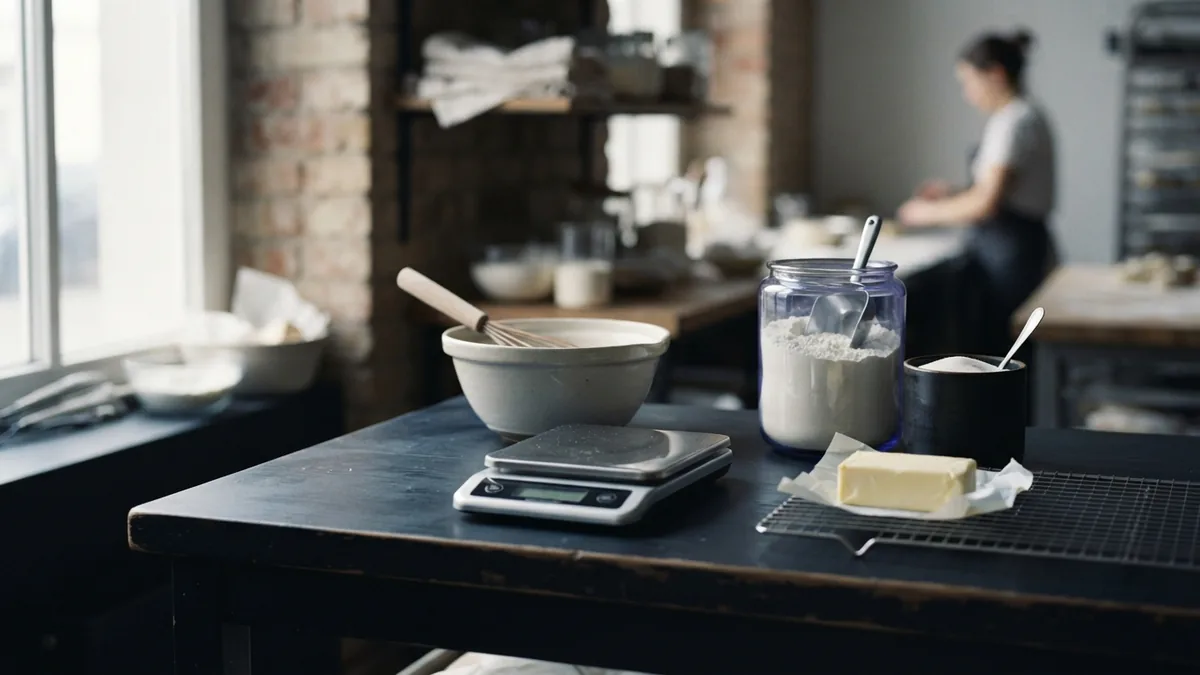
Good products rely on steady ingredients and repeatable methods. Compare suppliers for flour, butter, sugar, chocolate, flavorings, and packaging. Ask about case sizes, delivery times, and price changes. A lower unit price may not help if you must store more stock than you can use.
Buy equipment to match your planned output. A home test may need an accurate scale, sturdy mixer, oven thermometer, sheet pans, cooling racks, and storage tubs. A larger operation may need extra mixers or a commercial oven, but wait until sales support those costs.
Measure recipes by weight and keep a batch record. Note ingredient brands, bake time, yield, and any changes. This helps you repeat a good result and spot problems when a supplier changes a product.
Test packaging for freshness and safe delivery. Pack a sample box, shake it gently, and send it through a real delivery route. Check for broken edges, icing marks, and stale texture. Choose packaging that protects the cookies without adding needless cost.
Keep a basic stock sheet for ingredients and packaging. Set a reorder point for items with long lead times. Small, regular orders often reduce waste while you learn which products sell most.
Market your cookies and earn repeat orders

Show the product clearly in your marketing. Use natural light and close views that reveal size, texture, and icing detail. Share prices, order dates, pickup or delivery terms, and serving sizes so buyers can decide without asking basic questions.
Social media can help you build local interest. Post new flavors, behind-the-scenes baking, customer-approved event photos, and seasonal order dates. Invite buyers to share feedback, but ask permission before posting names or images.
Use local advertising where your likely customers already gather. Try community markets, school fairs where permitted, office gift offers, or partnerships with nearby cafés. Give each offer a simple way to track results, such as a market-specific code or a short order form.
For local search, keep your business name, hours, service area, and contact details consistent across listings. Ask satisfied customers for honest reviews. Do not offer rewards in exchange for positive reviews. Reply to concerns with a calm, useful fix.
Make repeat buying easy. Add a reorder card to each box or send a reminder before a holiday, with permission. Track which channels bring profitable orders, not just likes. Spend more time on the methods that lead to sales and return buyers.
Check food rules, safety, and required licenses
Food rules vary by country, state, and city. Before selling, contact your local health department or food business regulator. Ask whether home baking is allowed, which foods qualify, and whether you need kitchen checks, permits, or food safety training.
Confirm the rules for labels, allergens, storage, and delivery. Common allergens include wheat, milk, eggs, peanuts, and tree nuts. Keep ingredient records and make sure each product description matches its recipe. Do not claim a cookie is allergen-free unless your process can support that claim.
You may also need a business registration, tax account, sales permit, or insurance. Requirements depend on where you operate and what you sell. Check rules before taking paid orders, especially if you plan to ship across borders or use a rented kitchen.
Build safe habits into every bake. Wash hands and tools, keep raw ingredients sealed, and store finished goods away from cleaning supplies. Set clear rules for cooling, packing, and delivery. A written checklist helps you follow the same steps during busy weeks.
Keep copies of permits, supplier details, recipes, and cleaning records. Review them when your menu or kitchen changes. Starting with a small, legal setup lets you learn without risking a costly stop to sales.
Step-by-step
- 01 Test local and online demand
Study nearby sellers and ask likely buyers what they want. Test a small batch and record sales, costs, and feedback.
- 02 Choose a focused cookie niche
Pick products that fit your skills and buyer needs. Keep the first menu small enough to make well and price with care.
- 03 Plan costs and sales channels
Write down your target customers, startup costs, prices, and sales goals. Choose online, local, or storefront sales based on demand and budget.
- 04 Buy tools and source ingredients
Start with equipment that fits your planned batch size. Test suppliers, recipes, and packaging before ordering large amounts.
- 05 Check rules and launch a small batch
Confirm permits, food safety steps, and label rules with local agencies. Launch a limited menu, then adjust based on profit and buyer feedback.
Frequently asked questions
- How much money do I need to start a cookie business?
- Costs depend on your kitchen, sales model, and local rules. Start with a small budget for ingredients, tools, packaging, permits, and basic marketing.
- Can I start a cookie business from home?
- Often, but local food rules decide what you may bake and sell from home. Ask your local health department about permits, kitchen checks, labels, and sales limits.
- How do I start an online cookie business?
- Choose cookies that travel well, test their packaging, and set clear prices and delivery terms. Then use a simple order system and check rules for shipping food.
- What is a good niche for a cookie business?
- A good niche matches your skills with buyer demand. Options include decorated sugar cookies, gluten-free treats, gift boxes, or locally inspired flavors.
- How should I price homemade cookies?
- Add ingredient, labor, packaging, payment, delivery, and waste costs. Compare the result with local prices, then check whether each sale leaves enough to cover overhead.
- Do I need a license to sell cookies?
- You may need food permits, business registration, tax accounts, or training. Rules depend on your location and sales method, so check with local agencies first.
Related reading

Business Intelligence Tools — What They Do and How to Choose
See how BI tools turn business data into useful decisions.

Start a Flower Business (From First Sale to Shop)
Choose your model, plan costs, price for profit, and find your first flower customers.

Business Management — How Organizations Get Work Done
See how managers plan, lead, and help teams reach business goals.