Start a Mobile Drug Testing Business (Without a Lab)
Build a mobile testing service with sound training, lab links, and clear pricing.

Understand the Drug Testing Industry
Employers use drug tests when hiring, after incidents, and for random checks. Transport firms, builders, and staffing agencies may need regular service. Demand varies by local work, employer rules, and test options. A busy market does not guarantee a profit.
Before you start, speak with employers in your area. Ask what tests they order, how often they need visits, and where current services fall short. Find out whether they need early appointments, several work sites, or after-hours calls. Their answers can shape your service area and hours.
Learn the difference between Department of Transportation (DOT) and non-DOT testing. DOT rules apply to tests for some safety-sensitive jobs. Non-DOT tests follow employer policies and state law. Keep the forms, steps, and records for each type apart.
Read 49 CFR Part 40 before taking DOT orders. It sets federal rules for covered transport testing. State and local rules may also affect consent, privacy, and records. Confirm which rules apply to each service you plan to offer.
- List likely clients and the tests they need.
- Map travel times and set a service area you can cover.
- Check local rules before offering each test type.
Choose a Business Model That Fits
A collection-only service visits a work site, checks identity, collects a sample, and sends it to a lab. This model can cost less to launch than running a lab. It still needs trained staff, safe handling, and a reliable booking process.
A third-party administrator (TPA) can provide wider support to employers. A TPA may place orders, track tests, and link employers with labs and Medical Review Officers (MROs). An MRO is a licensed doctor who reviews some lab results and related medical details. Use a qualified MRO for that work.
You could also offer breath alcohol tests, on-site rapid screens, or evening visits. Each service needs suitable gear and staff training. A rapid kit may give an initial result, but some results need lab checks. Explain that limit before an employer chooses a test.
New firms often benefit from a small service area and a short test list. For example, begin with workplace urine collection within a set travel range. Add breath tests after staff training and device checks are in place. A focused offer helps control travel and supply costs.
- Collection only: Collect samples and ship them to a lab partner.
- Program support: Help employers place orders and track each test.
- Field testing: Add breath tests or rapid screens when ready.

Meet Training and Certification Needs
DOT urine collectors must meet federal training and skill check rules. Training covers collection steps, privacy, forms, sample safety, and error handling. Collectors must pass a monitored collection before working alone. Keep proof of training on file.
Breath Alcohol Technicians (BATs) need training in the approved breath test process. They must learn device use, checks, record keeping, and steps for invalid tests. Ask a qualified trainer or device maker about each model. Keep staff and device records current.
Non-DOT work may use different steps, but staff still need clear written rules. Train collectors to check identity, gain consent, protect privacy, and seal samples. Cover spills, refusals, delays, and damaged kits. Review staff work often to catch errors early.
There is no single license for every drug testing service across the country. Check city, state, and federal rules for permits, lab work, privacy, and alcohol tests. A local regulator or lawyer can help confirm which rules fit your services.

Buy Equipment and Protect Each Sample
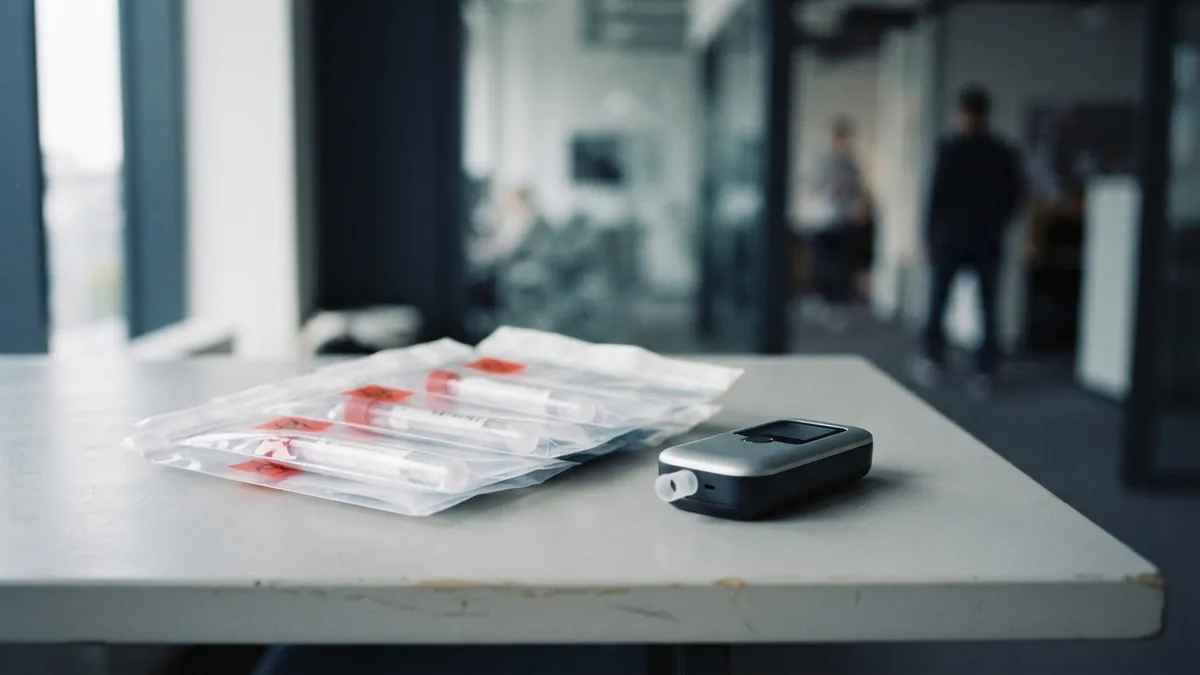
Match each supply to the tests you plan to offer. Urine collection kits need cups, seals, forms, and secure packs. Breath tests need a suitable device. Check its care needs, calibration schedule, and quality checks before you buy.
Keep shipping supplies on hand, including leak-proof bags, absorbent material, and approved boxes. Follow the lab's packing steps and the carrier's rules. Before shipping, check that forms, seals, and tracking details match.
Use a clean, private space at client sites when possible. A mobile setup must protect donor privacy and sample safety. Store kits in a dry, locked place, and check expiry dates each month. Restock before supplies run low.
Keep a chain of custody for every sample. This record shows who handled it and when. Use the lab's forms and steps, and record any issue at once. Good records help you spot gaps and answer client questions.
- Use the kit and forms approved by your lab partner.
- Check seals and sample details before shipment.
- Log supply checks, device care, and staff training.
Build Lab Partnerships and Local Links
A dependable lab partner is key to a sound service. Compare test menus, result times, support hours, shipping steps, and fees. Ask how the lab handles lost samples, delayed results, and questions from employers. Put service terms in writing before you begin.
Agree on how orders move from the employer to your team and then to the lab. Set out who answers questions, tracks samples, and shares results. Confirm that each party knows its role in protecting private records. Clear steps reduce missed handoffs.
Build a working link with an MRO when your service needs medical review. Ask about coverage, response times, and how the MRO handles disputed results. Do not present yourself as a medical reviewer unless you hold the needed license. Keep your service within your training and role.
Local ties can also bring steady work. Meet staffing firms, occupational health providers, and employers with several sites. Explain your travel range and booking process. Reliable follow-up matters more than broad claims about your service.

Set Prices and Find Clients
Price each service from its full cost, not just the test kit. Include staff time, travel, lab fees, supplies, insurance, training, and payment costs. Set a minimum call-out fee so short visits still cover your time. Review costs as volume and fuel prices change.
Use a clear rate sheet for routine visits, extra stops, urgent calls, and after-hours work. State what the fee covers and what may add cost. Employers can then compare offers without guessing. Avoid promising a low price before you know the travel and lab costs.
To market your drug testing services, focus on the problems you solve. Share your service area, hours, test types, and booking steps on your website and business listings. Contact local employers directly with a short, useful overview. Ask current clients for referrals after you have shown steady service.
Keep employee drug policies in mind when speaking with employers. They may need help finding a collector, but their policy sets the reason and rules for testing. Do not give legal advice unless qualified. Direct questions about workplace policy to the employer's legal or human resources team.
- List each service and its base price.
- Set extra fees for travel, waits, and after-hours visits.
- Track inquiries and follow up with useful answers.
Start Small and Review the Work
Launch with the services you can deliver well today. Test your booking, collection, shipping, and result handoff before taking on more clients. Use a checklist for each visit, then review errors and delays with your team. Small fixes can prevent repeat problems.
Track visits, travel time, supply use, and client feedback each month. These figures show which services earn enough and where your process slows down. Add new test types only after you confirm the rules, training, lab support, and costs. Growth should follow a working service, not come before it.
Anyone asking how to start a drug testing business should first choose a clear service model and target area. To start a drug screening business, build around trained collectors, trusted lab links, and a simple booking path. A mobile drug testing business can stand out through prompt visits and careful sample handling. Strong records and fair pricing help turn first jobs into repeat work.
Step-by-step
- 01 Check local demand
Speak with employers and learn which tests, visit times, and service areas they need. Compare current options and identify a gap you can serve.
- 02 Choose your service model
Decide whether to offer collection only, program support, or both. Start with services that match your skills, budget, and local demand.
- 03 Confirm rules and training
Check federal, state, and local rules for every planned service. Complete required collector or BAT training before taking client orders.
- 04 Set up supplies and partners
Buy the right kits and shipping supplies, then agree on clear steps with labs and MROs. Test your order, collection, and result handoff process.
- 05 Set rates and reach employers
Build rates from your costs, including travel and after-hours work. Share your service area, hours, and booking steps with local employers.
Frequently asked questions
- How do I start a mobile drug testing business?
- Choose a service area and decide whether you will collect samples, manage employer programs, or offer both. Then confirm local rules, train staff, set up lab links, and price each service.
- Do I need a license to start a drug testing business?
- There is no single national license for every drug testing service. Check state and local rules for your planned services, permits, lab work, privacy, and alcohol tests.
- What equipment does a mobile drug testing business need?
- Common supplies include urine collection kits, forms, seals, secure packs, and shipping materials. Breath tests also need a suitable device, care checks, and staff training.
- What is the difference between DOT and non-DOT testing?
- DOT testing follows federal rules for covered transport jobs. Non-DOT testing follows employer policy and state law, so keep its forms and steps separate.
- How should I price mobile drug testing services?
- Count staff time, travel, lab fees, supplies, insurance, and training. Set clear rates for routine visits, added stops, urgent calls, and after-hours work.
Related reading

Start a Business with a Problem Worth Solving
Turn a useful idea into a business with clear steps, sound research, and steady resolve.

Loft Conversion Timelines — What Affects the Build
Typical build times range from four to twelve weeks, plus planning and setup.

Get a Small Business Tax ID (EIN and State Rules)
Get an EIN from the IRS for free, then check your state’s tax ID rules.