Start a Plastic Injection Molding Business (From Plan to First Run)
Plan your market, machines, molds, materials, and first production run.
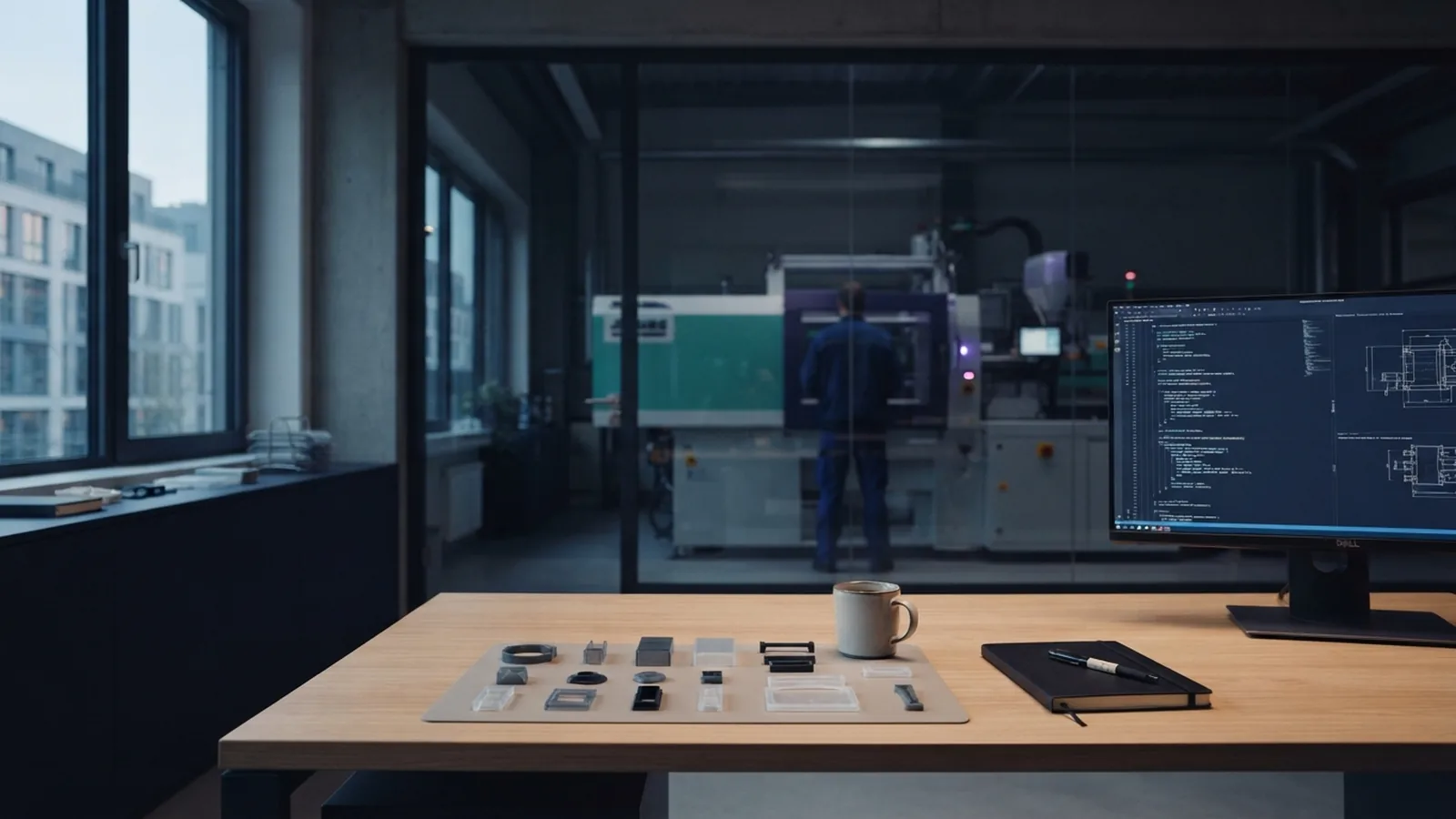
Understand the Injection Molding Business
To start a plastic injection molding business, first choose a product niche, confirm buyer demand, and price your equipment and tooling. Then build a business plan, secure a suitable workspace, and test production before taking large orders. Careful planning matters because machines and molds can tie up substantial cash.
Injection molding is a manufacturing process that heats plastic pellets, pushes the melt into a mold, and cools each part. It suits repeat production of parts with consistent shapes, such as enclosures, clips, caps, and fittings. A single mold can produce many parts, but its design and upkeep affect cost, quality, and lead time.
New firms often succeed by serving a narrow need rather than competing on every part. You might focus on short-run replacement parts, local product makers, or a specific material. Decide whether you will sell finished parts, mold design, tooling, or a mix. Your offer shapes the machines, staff, and cash you need.
- Custom molding: Make parts to a customer's drawings and agreed specs.
- Own-product sales: Design and sell parts under your own brand.
- Contract production: Run repeat orders for makers with ongoing demand.
Research Buyers and Build a Business Plan
Market research helps you find buyers before you buy costly tools. Speak with product makers, repair firms, and local manufacturers. Ask what parts they need, how many they order, and what problems they face with current vendors. Seek real quotes or sample requests, not just general interest.
Study competitors' part types, lead times, order sizes, and service gaps. A small shop may win with quick changes, low minimum orders, or close support. Check which buyers need safety tests, material records, or approved vendor status. These needs can add time and cost before your first sale.
Your business plan should set out your target buyers, sales path, production plan, and cash needs. List machine costs, mold design, rent, power, staff, insurance, shipping, and upkeep. Add a cash buffer for repairs and slow sales. Ask an accountant or lender to review your cash flow before you sign a lease.
Work out the cost per good part. Include resin, cycle time, labor, power, scrap, packaging, and mold wear. For example, a part that takes 30 seconds needs 120 cycles per hour before downtime. Your true output will be lower after setup, checks, and breaks. Price from the usable output, not the best-case rate.

Choose Machines, Tools, and Plastics
Match the injection molding machine to the part and mold. Key checks include clamp force, shot size, tie-bar spacing, and the mold's size. A machine that is too small may not hold the mold shut. One that is too large can waste power and floor space.
Ask suppliers to test your mold or a close sample part before you buy. Compare new and used machines by condition, service records, spare parts, and support nearby. Budget for dryers, temperature controls, chillers, grinders, and safe material handling. These items are part of the production system, not optional extras.
CAD software helps shape parts and molds before metal is cut. A mold designer can check wall thickness, draft, gates, vents, and cooling paths. Start with a design review and a mold-flow check when part risk or volume justifies it. Software does not replace skilled tool design.
Choose plastic by the part's job, finish, cost, and use conditions. Polypropylene is light and often suits hinges or containers. ABS can suit firm housings. Polyethylene can resist impact and moisture. Nylon can handle wear, but it may need drying before use. Ask resin suppliers for data sheets and confirm the grade fits the part.
- Check heat, chemical, and impact needs with the buyer.
- Confirm color, surface finish, and any test needs.
- Run a small trial to check shrink, warping, and fit.
- Keep each resin grade and batch traceable.
Design Molds to Make Good Parts
Good mold design cuts defects and waste. Keep wall thickness as even as the part allows. Sudden thick spots can sink as the plastic cools. Add draft so the part can leave the mold without drag. Place gates and vents to help the melt fill the cavity and let trapped air escape.
Plan cooling around the shape. Uneven cooling can warp parts or stretch cycle time. A tool maker can weigh mold cost against part volume and expected tool life. Simple molds may suit early runs. Multi-cavity molds can lower unit cost at high volume, but they raise the first cost and add setup needs.
Build review points into the design process. Check the part drawing, mold layout, and first samples with the buyer. Set limits for key sizes and visual flaws before production. Record each change, so the approved mold and part match the latest spec.
Run a pilot batch before promising full output. Check dimensions, fit, finish, and repeatability across several cycles. Track scrap and machine settings. Fix the cause of a defect before raising output. A short trial can prevent a long run of unusable parts.
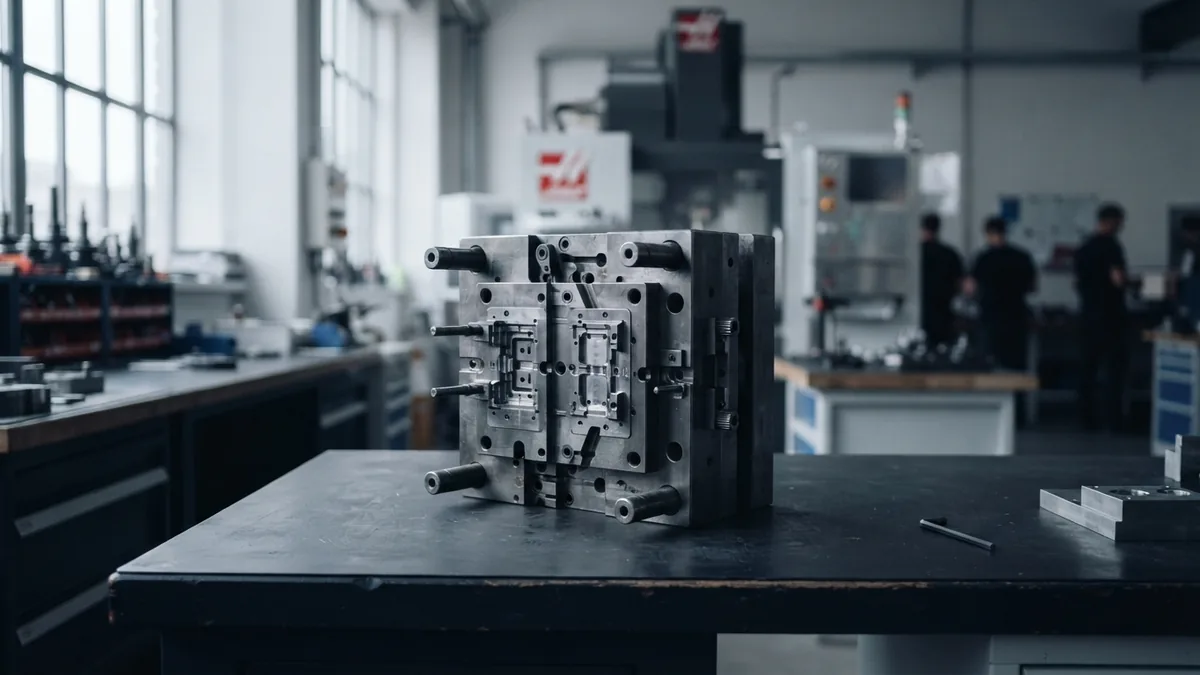
Set Up a Safe, Useful Workspace
Choose a site with enough power, floor strength, ventilation, and access for machine delivery. Check local rules for fire safety, noise, waste, and worker safety before signing. Ask a qualified electrician to review the load. Injection molding machines and cooling gear can draw high power.
Lay out the shop so materials move in a clear path. Keep resin storage near drying and feed systems. Place machines with room for mold changes and service work. Set a separate area for finished parts, packing, and quality checks. Clear routes reduce damage and help staff work safely.
Write down safe work steps for hot surfaces, moving platens, mold changes, and resin spills. Train each worker before they run a machine. Use guards and follow the machine maker's instructions. Keep tools and emergency stops easy to reach.
Plan quality control from the first trial. Use a check sheet for dimensions, weight, appearance, and cycle settings. Keep samples from approved runs when useful. Track defects by mold and resin batch. This record helps you spot drift before a full order fails.
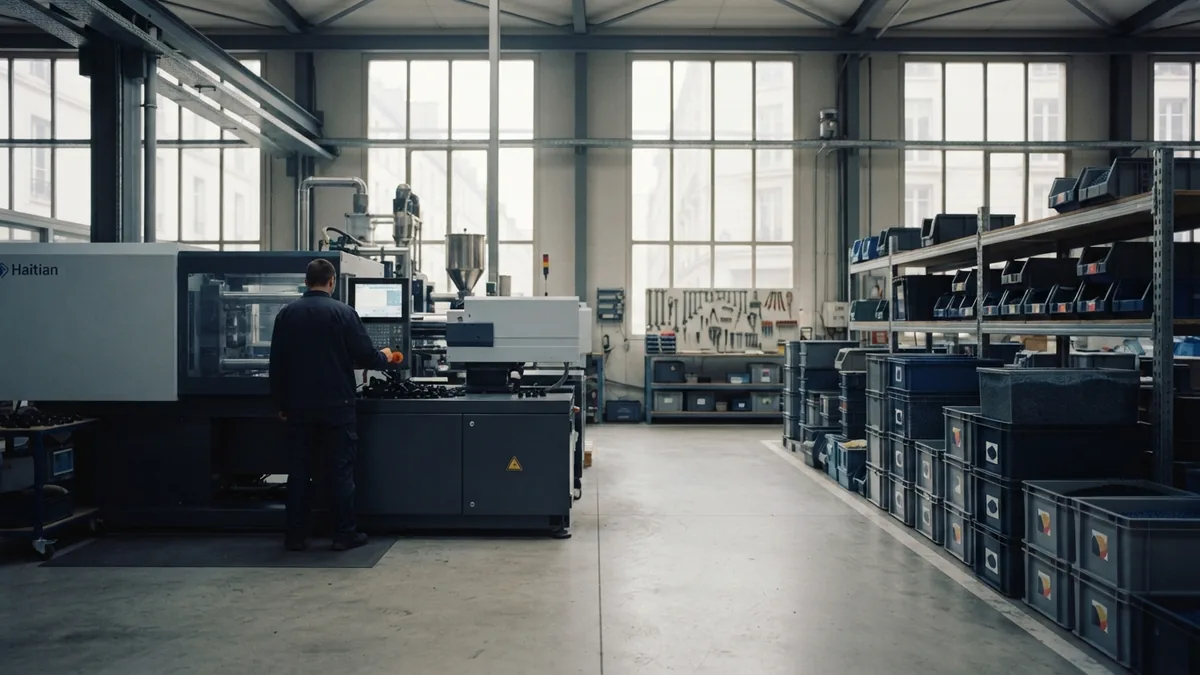
Find Reliable Material and Part Suppliers
A steady supply chain protects delivery dates and part quality. Find at least two sources for key resins where possible. Ask about grade changes, lead times, order minimums, and batch records. Confirm that a supplier can provide the same grade over time.
Source molds, spare parts, and machine service with equal care. Check how fast a tool maker can repair a damaged insert. Ask machine vendors about local service and common parts. A low purchase price can cost more if the shop sits idle while waiting for help.
Set stock levels based on use and supplier lead time. Keep resin dry and stored as its maker directs. Mark batches clearly and use older stock first when suitable. Do not change resin grades without checking the part and mold settings.
Agree on terms before work starts. Write down who owns the mold, who pays for changes, and who keeps design files. Set rules for rejected parts, delivery dates, and payment. Clear terms reduce disputes as orders grow.
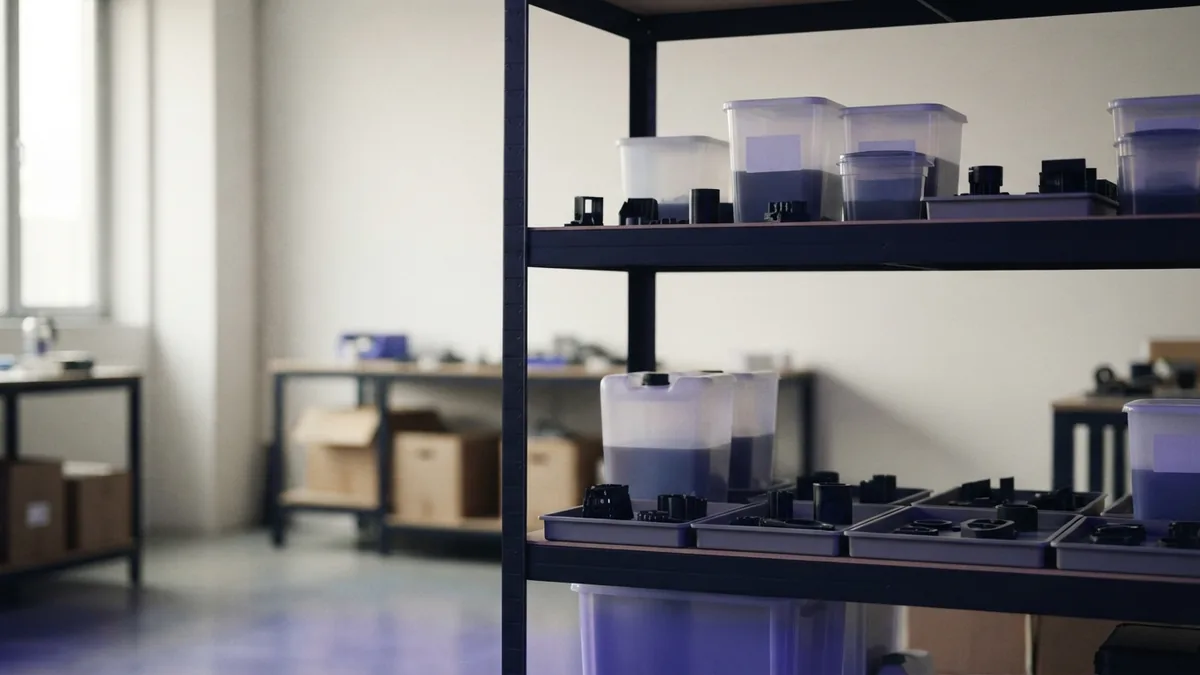
Launch with a Controlled First Run
Start with one buyer, one part, or one small product line. Confirm the drawing, material grade, order size, and inspection needs in writing. Make a sample run and get buyer approval before full production. This step tests the whole workflow, from resin intake to packing.
Set a production plan with target cycle time, checks, and a named person for each task. Record the machine settings that produce approved parts. Track output, scrap, downtime, and labor per batch. Use the results to improve cost and delivery estimates.
Build sales through direct contact with local product firms and manufacturers. Share clear details on part size, materials, order limits, and lead times. Do not promise capacity before you have proven it. Early trust is easier to keep than to win back.
Starting a plastic injection molding company takes more than buying a machine. A focused market, sound mold design, reliable suppliers, and steady quality checks make the business far more resilient. Grow capacity when repeat orders support the next machine or mold. Keep cash available for repairs and slow periods.
For a first launch, work through these steps:
- Choose a buyer group and confirm a real part need.
- Price the machine, mold, site, staff, and working cash.
- Test the part design, material, and mold before a large order.
- Set supply, safety, quality, and delivery steps in writing.
- Run a small approved batch, then scale from real results.
Step-by-step
- 01 Choose a product niche
Pick a buyer group and part type you can serve well. Confirm demand through buyer talks, sample requests, or early orders.
- 02 Build a costed business plan
List machine, mold, site, staff, material, and cash needs. Estimate part cost using actual cycle time, scrap, labor, and upkeep.
- 03 Select machines and materials
Match machine size and features to the part and mold. Choose a resin grade that meets the part's use and finish needs.
- 04 Set up the shop and supply chain
Plan power, safe machine access, material storage, and quality checks. Secure reliable sources for resin, mold work, service, and spare parts.
- 05 Run a pilot and grow carefully
Make samples, check them against the agreed spec, and get buyer approval. Track output and defects before taking on larger orders.
Frequently asked questions
- How do I start a plastic injection molding business?
- Choose a product niche, confirm buyer demand, and build a costed business plan. Then secure the right machine, mold, materials, workspace, and first trial order.
- How much does it cost to start an injection molding business?
- Costs vary with machine size, mold design, site needs, and output goals. Price the machine, tooling, power work, dryers, cooling gear, rent, staff, and cash for repairs.
- What equipment is needed for plastic injection molding?
- Most shops need an injection molding machine, molds, resin drying and feeding gear, cooling equipment, and basic quality tools. The exact setup depends on part size, material, and order volume.
- Which plastics are used in injection molding?
- Common choices include polypropylene, ABS, polyethylene, and nylon. Pick a grade based on heat, impact, wear, chemical exposure, finish, and the buyer's part needs.
- How can a small molding company find customers?
- Contact local product makers, repair firms, and manufacturers with a clear service offer. Ask about part needs and order size, then prove quality with a sample or pilot run.
Related reading

Private Branding (How Retailers Build Their Own Products)
See how retailers create their own products and brands.

Start a Storage Business (From First Idea to Opening)
Plan your storage business around local demand, realistic costs, and a secure, easy-to-reach site.

Build an Affiliate Marketing Business (From the Ground Up)
Start small, choose a useful niche, and earn through trusted recommendations.