Start an Ukay-Ukay Business in the Philippines (Step by Step)
Plan your market, legal setup, stock, shop, and sales before opening.
Understand the Ukay-Ukay Business
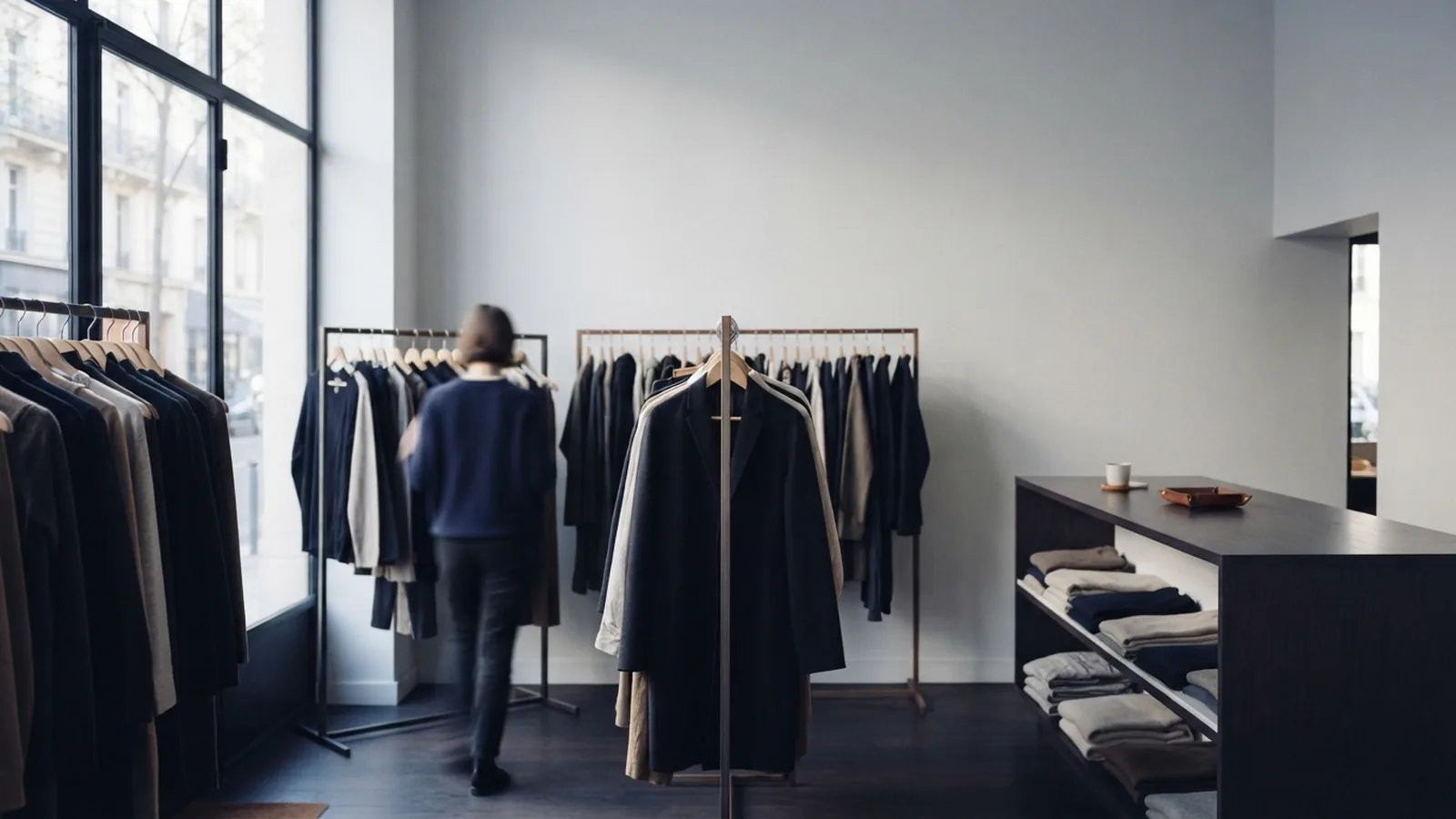
To start an ukay-ukay business in the Philippines, study your local market, set a budget, choose legal sources, secure permits, and pick a strong location. Ukay-ukay refers to second-hand clothing sold at affordable prices. Shoppers often visit for low-cost basics, one-off pieces, and vintage finds.
Demand depends on the area, price, and quality of your stock. Students may seek low-cost everyday wear, while office workers may look for jackets or bags. Do not assume every item will sell. Visit nearby shops and markets, note busy hours, and ask potential buyers what they want.
Plan the shop around a clear customer and price range. A small stall with carefully picked pieces needs a different budget from a full store with hundreds of items. Write down rent, permits, transport, cleaning, racks, packaging, and cash for restocking. Leave room for slow sales during your first weeks.
Why Start an Ukay-Ukay Store?
Second-hand clothing can offer a lower entry cost than a shop selling only new apparel. You can test demand with a small batch before taking on a larger lease or buying more stock. This makes careful planning useful, even for a small ukay ukay clothing business.
Each piece can also help your shop stand out. A useful mix might include daily wear, denim, light jackets, and a small selection of unusual finds. Customers may return when new items arrive often and prices remain easy to understand. Keep in mind that each bale or bundle can vary in size, wear, and style.
- Start with a focused range that suits nearby shoppers.
- Track every cost before setting a selling price.
- Buy small lots first, then reorder what sells.
- Set aside money for unsold stock and repairs.
Your edge comes from good selection and trust, not just low prices. Clean, sorted stock saves customers time and helps them feel safe buying used clothes. Clear prices and honest notes about wear also reduce disputes.
Register the Business and Check Local Rules
Choose a business structure before you open. A sole proprietor may register a business name with the Department of Trade and Industry. A partnership or corporation generally follows a different registration route through the Securities and Exchange Commission.
Ask your barangay and city or municipal hall which local clearances and permits apply to your store. Requirements can vary by location, business type, and premises. Check the needed steps before signing a long lease. You will also need to register with the Bureau of Internal Revenue and meet tax and record-keeping rules.
Prepare basic details such as your proposed business name, address, owner information, and proof of right to use the premises. Ask the relevant offices for current forms, fees, and timelines. Keep copies of approvals and renew permits when due.
Take special care with imported used clothing. Philippine law restricts the importation of used clothing, so do not assume an overseas seller can ship stock legally. Ask suppliers for proof of lawful sale and origin. When in doubt, seek guidance from the Bureau of Customs or a qualified local adviser before paying.

Find Stock and Check Quality
Local wholesalers, resale dealers, and clothing collectors can be useful sources. Compare several suppliers before buying. Ask what a bundle contains, how items are graded, whether you can inspect stock, and what happens when goods arrive in poor condition.
Buying locally can make it easier to inspect goods and avoid cross-border shipping risks. If you consider an international supplier, first confirm that the goods and shipment meet Philippine rules. Do not rely on a supplier's claim alone. Get written terms and keep receipts for each purchase.
Start with a small test order and record the results. For each batch, note the cost, number of sellable pieces, repairs, and sales after two or four weeks. A simple stock sheet can reveal which sizes, styles, and price points move fastest.
- Check seams, zippers, stains, odors, and missing buttons.
- Separate clean, repairable, and unsellable pieces.
- Wash or steam garments before putting them on sale.
- Mark down slow stock after a set number of weeks.
Set prices using the full cost per sellable item, not just the bundle price. Add transport, cleaning, rent, and likely unsold pieces to your estimate. Then compare your prices with nearby sellers and the value of each garment.
Choose and Set Up Your Store
Location shapes foot traffic and rent, so compare sites in person. Look near schools, transport stops, markets, or neighborhoods with steady footfall. Visit at different times and on more than one day. Count passersby and check whether they can see the shop from the street.
A busy site is not always the best choice if rent eats up your margin. Compare rent, access, safety, nearby competition, and space for sorting stock. A compact stall can work if it is easy to find and items are well arranged. Make sure the lease allows the type of retail business you plan to run.
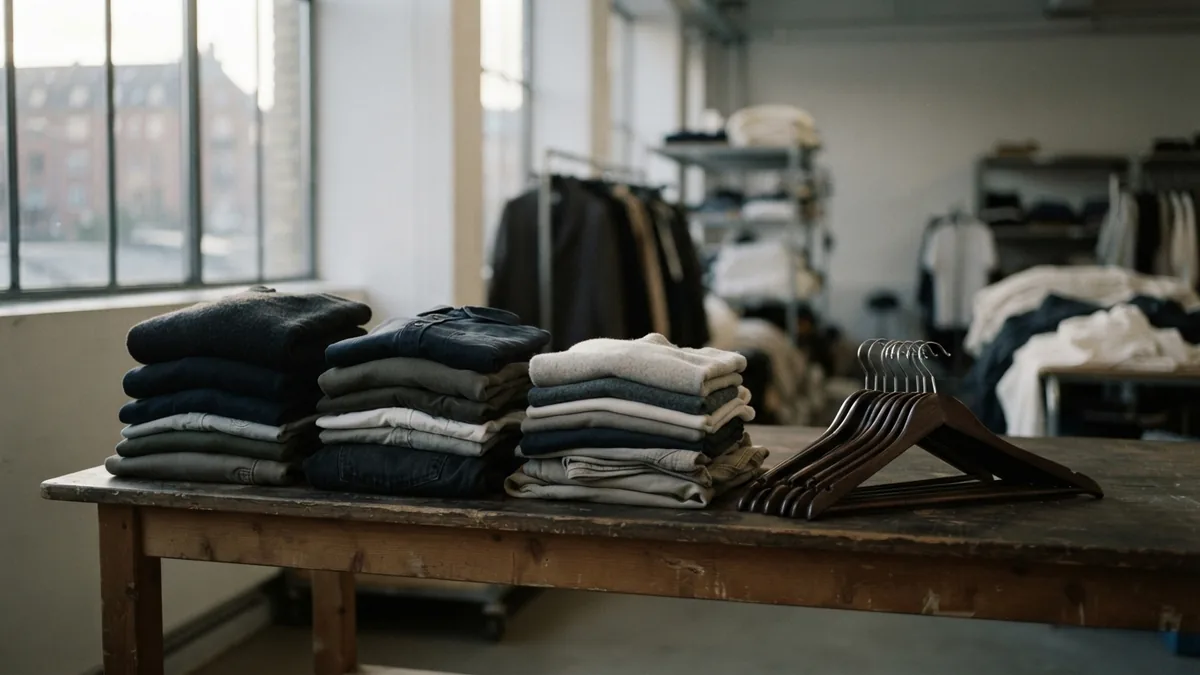
Keep the store bright, tidy, and easy to browse. Group garments by type, size, or price, and leave enough room between racks. Use a clear fitting area where space allows. Store new stock separately so you can sort and inspect it before display.
Set a regular routine for cleaning, tagging, folding, and restocking. Check shelves daily and remove damaged pieces. A neat shop gives buyers a reason to browse longer and return for new finds.
Market the Shop and Keep Customers Coming Back
Use social media to show new arrivals, opening hours, prices, and your shop location. Take clear photos in good light, and share several items at once. Post on a steady schedule rather than only when stock arrives. Reply to questions about sizes, condition, and pickup times.
Local advertising can help people nearby discover the store. Try a simple opening offer, flyers with permission, or a small sign that follows local rules. Ask nearby businesses about cross-promotions. Track which posts and offers bring visits or sales, then spend more time on what works.
Good service matters as much as promotion. Greet customers without pressure, keep prices visible, and describe flaws honestly. Set a clear policy for holds, exchanges, and returns, then explain it before payment. A quick, fair response to a complaint can protect trust.
Review your stock and cash each week. Record what sold, what stayed, and how much money remains for rent and restocking. If a style does not move, change its price or display before buying more. Small, steady checks help a new ukay ukay business grow without tying up too much cash.
Step-by-step
- 01 Study local buyers
Visit nearby shops and markets at different times. Note common prices, customer types, and clothing gaps you could serve.
- 02 Set a budget and business structure
List startup and weekly costs, then choose a suitable business structure. Keep cash aside for slow sales and restocking.
- 03 Check registration and permits
Ask the right registration offices and your local government for current requirements. Confirm rules before signing a lease.
- 04 Test and check your stock
Compare suppliers and buy a small test lot. Inspect, clean, sort, and track each item before setting prices.
- 05 Set up the shop and promote it
Choose a site with suitable rent and foot traffic. Arrange clear displays, share new stock online, and track what brings sales.
Frequently asked questions
- How much money do I need to start an ukay-ukay business?
- Costs depend on rent, permits, stock, transport, and shop fittings. Make a budget for each item and keep extra cash for slow sales and restocking.
- What permits do I need for an ukay-ukay store in the Philippines?
- You may need business name or company registration, barangay clearance, a local business permit, and BIR registration. Ask your city or municipal hall for the current rules.
- Can I import used clothes to sell in the Philippines?
- Philippine law restricts the importation of used clothing. Check with the Bureau of Customs before arranging any overseas shipment.
- Where can I source ukay-ukay clothes?
- Look at local wholesalers, resale dealers, and clothing collectors. Inspect small test lots, check supplier terms, and keep purchase records.
- How do I attract customers to my ukay-ukay shop?
- Post new arrivals and clear prices on social media, then use local ads or opening offers to reach nearby buyers. Keep the shop clean and respond quickly to questions.
Related reading

Start a Plastic Injection Molding Business (From Plan to First Run)
Plan your market, machines, molds, materials, and first production run.

Private Branding (How Retailers Build Their Own Products)
See how retailers create their own products and brands.

Start a Storage Business (From First Idea to Opening)
Plan your storage business around local demand, realistic costs, and a secure, easy-to-reach site.