What Business Should I Start: Finding Your Best Fit
Compare business ideas by budget, skills, demand, and growth.

Start by finding the right business fit
When you ask, “what business should I start,” begin with fit rather than hype. The best choice matches your skills, budget, time, and local demand. A good idea can still fail when costs run high or buyers stay scarce.
List the skills you can sell within 30 days. Add past work, useful contacts, and results you have achieved. A former bookkeeper could serve small firms. A fitness coach could run local classes or online sessions.
Next, decide what you want from the business. You may want extra income, flexible hours, or a full-time firm. These goals shape the answer to “what sort of business should I start?”
- Skills you can sell soon
- Cash you can risk without harming home needs
- Hours you can work each week
- Customers you can reach through your network
- Work you can repeat without losing interest
Use this list when figuring out what business to start. Your first goal is not a perfect idea. Your first goal is a short list that fits your real life.
Check costs, demand, and room to grow
Every business has two main cost groups. Startup costs cover tools, stock, permits, setup, and launch ads. Ongoing costs include rent, software, wages, insurance, shipping, and tax.
A service firm may need a laptop and basic cover. A shop may need stock, rent, staff, and a cash buffer. A café can face high costs before its first sale. List costs for the first year, not launch day alone.
Demand matters just as much. Speak with likely buyers and study rival prices. The U.S. Small Business Administration market research guide gives a sound way to check buyers and rivals.
Build three sales cases before you spend. Use low, likely, and strong sales levels. If ten clients pay $500 each month, sales reach $5,000. Then subtract costs, tax, refunds, and payment fees.
| Business type | Main cost pattern | Growth path |
|---|---|---|
| Freelance service | Low setup and stock cost | Add clients, rates, or staff |
| Online store | Stock, site, ads, and shipping | Add products and sales channels |
| Local shop | Rent, stock, staff, and permits | Add sites or a web shop |
| Consulting firm | Low setup but high skill needs | Sell retainers, courses, or teams |
Keep a cash buffer for slow months. A simple plan can reveal weak pricing before it becomes a costly problem.
Low-cost business ideas for small budgets

If you ask, “what is a cheap business to start,” look first at services. You sell time or skill before buying stock. This makes it easier to test demand with a small offer.
The least expensive business to start is often based on skills you already have. Options include writing, design, coding, bookkeeping, tutoring, cleaning, pet care, and video editing. Mobile repair and home maintenance can work with basic tools.
An online business may need little cash but still needs steady work. A niche newsletter, paid workshop, or digital template shop can grow over time. Sales may take months, so keep another income source at first.
People asking what business should I start with little money should test demand before building a brand. Speak with ten likely buyers. Offer one clear result. Ask for payment before buying more tools.
- Choose one customer group.
- Offer one useful result.
- Set a simple price.
- Speak with ten likely buyers.
- Sell a paid test before adding costs.
Low cost does not mean low effort. You still need sales, follow-up, and good service.
Match the idea to your available budget
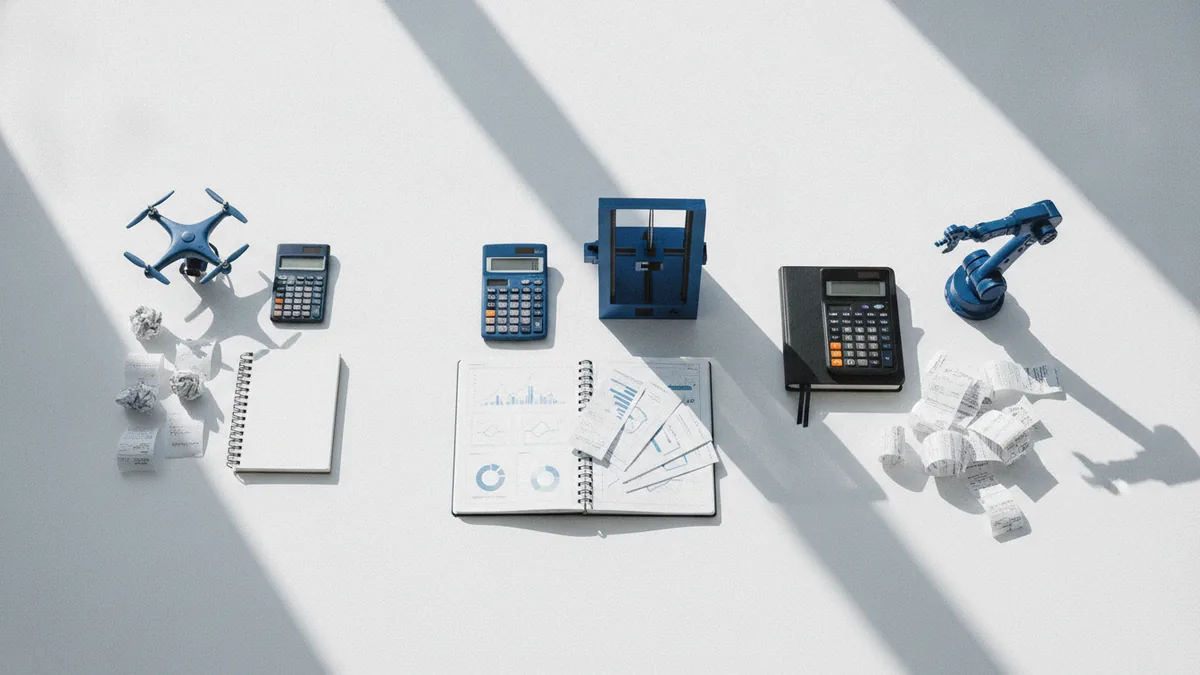
Budget changes the range of businesses you can test. It does not decide the business for you. Keep part of your cash back for living costs and slow sales.
What business should I start with 1k? Try freelance work, tutoring, pet care, cleaning, or a small digital product. What business to start with 5k? You could add tools, paid ads, training, or a simple mobile service.
What business to start with 20k may include a lean agency, small online store, mobile trade service, or franchise deposit. With $30k, you could fund better tools, stock, a van, or a short cash runway.
What business should I start with 50k? A small studio, food trailer, niche shop, agency, or equipment rental firm may fit. What business to start with 100k? You may fund staff, stock, a local site, or a proven franchise model.
Do not spend the full amount on gear or stock. Set sales targets before signing a lease or hiring staff. Fixed costs can turn a slow month into a serious loss.
- Use under $5k for a skill-based test
- Use $20k to $30k for tools, stock, or a small team
- Use $50k for a larger test with cash reserves
- Use $100k only after demand and margins look clear
Find lucrative and safer business opportunities

What is a lucrative business to start? Look for costly problems, repeat buyers, and strong margins. Technology support, specialist trades, health services, and business software setup can meet those needs.
The most lucrative business to start is not the one with the highest sales claim. It is the one that keeps enough money after delivery costs. A firm with steady clients may beat a large shop with thin margins.
If you ask what is the safest business to start, choose a model with low fixed costs and clear demand. Services often carry less stock risk than retail. Still, no business is risk-free.
People also ask what business to start in a recession. Firms that solve urgent problems may hold up better. Examples include repairs, bookkeeping, home care, food supply, and cost-cutting services.
Health and wellness may keep growing as people seek care and support. Technology services may grow as small firms adopt cloud tools and AI-powered services. Check local rules before offering health, finance, or technical work.
What may work in 2026?
When asking what business should I start in 2026, focus on lasting needs. Remote work support, online learning, home services, and care work may offer useful paths. Sustainable repair, reuse, and energy-saving services can also meet local needs.
What business to start in 2026 depends on your market. A trend alone does not create buyers. Test the offer with real customers before you spend on stock, staff, or software.
AI can help with drafts, support, search, and routine tasks. Yet buyers still pay for judgment, trust, and good outcomes. Build a service around a problem, not around a tool.
Use a simple scorecard for each idea. Rate demand, startup cost, skill fit, risk, and growth from one to five. The top score gives you a test order, not a final answer.
| Check | Question |
|---|---|
| Demand | Will people pay for this soon? |
| Fit | Can I deliver it well? |
| Risk | Can I limit fixed costs? |
| Growth | Can sales grow without matching costs? |
Use a quiz, then test the idea
A “what business should I start quiz” can help sort your interests and limits. Treat it as a prompt, not a verdict. A good quiz should ask about skills, money, time, sales comfort, and work style.
You can make your own what business should I start test. Give each idea a score from one to five. Score demand, skill fit, cash need, risk, and repeat sales.
Then compare the results with customer talks. Ask what buyers do now, what they dislike, and what they would pay. This step turns a quiz result into useful market evidence.
- Score each idea with the same questions
- Remove ideas with weak demand
- Speak with at least ten likely buyers
- Sell a small paid version
- Review results after 30 days
This process helps determine what business to start without relying on guesswork. It also shows whether the idea suits a side business or a full-time plan.
Launch with a small, clear test
Start with one customer group and one offer. Write a short plan with your price, costs, sales goal, and weekly work hours. The SBA business plan guide can help you set these parts down.
Sell before you build too much. A paid pilot gives better proof than praise from friends. Track sales, delivery time, repeat interest, and cash left after each job.
Review the test after 30 days. Keep the idea if buyers return and the numbers work. Change the offer if demand exists but pricing or delivery fails. Stop if buyers show little interest after fair testing.
The best answer to what business to start now is often the one you can test this month. Begin small, learn fast, and protect your cash.
- List your skills, goals, and limits.
- Choose three business ideas.
- Check demand and rival prices.
- Write a basic sales and cost plan.
- Sell a small paid pilot.
- Review the numbers after 30 days.
Step-by-step
- 01 List your strengths and limits
Write down your skills, goals, time, budget, and useful contacts. Keep the list practical.
- 02 Choose three business ideas
Pick ideas that match your skills and solve a clear customer problem.
- 03 Check demand and costs
Speak with likely buyers and study rival prices. List startup and monthly costs.
- 04 Score each idea
Rate demand, fit, cash need, risk, and growth from one to five.
- 05 Sell a paid pilot
Offer one small service to a real customer. Track sales, delivery time, and profit.
- 06 Review the results
Check the numbers after 30 days. Keep, change, or stop the idea based on evidence.
Frequently asked questions
- What business should I start?
- Start with your skills, budget, time, and local demand. Then test one small paid offer before making a larger commitment.
- What is the least expensive business to start?
- Freelancing, tutoring, cleaning, pet care, and digital products can start with little cash. The least expensive choice often uses skills you already have.
- What business should I start with 50k?
- With $50k, consider a service firm, small studio, food trailer, niche shop, or equipment rental business. Keep cash for slow months and test demand first.
- What business to start with 20k?
- A lean agency, mobile service, online store, or franchise deposit may fit. Keep enough money for tools, marketing, and several months of costs.
- How does a what business should I start quiz help?
- Use a quiz to compare your skills, time, budget, and work style. Confirm the result through buyer talks and a paid pilot.
- What is the most lucrative business to start?
- A strong choice solves a costly problem, earns repeat sales, and keeps healthy margins. No business is guaranteed to make you wealthy.
Related reading

Start a Property Management Business (From First Steps to Growth)
Build a property management firm with the right niche, rules, tools, and client plan.

Use Digital Marketing Services to Grow Your Business
Explore digital marketing channels, benefits, setup steps, and ways to measure results.

Start a Sealcoating Business (From Setup to Growth)
Plan your setup, buy the right gear, win local jobs, and grow at a sound pace.