What Happens When a Business Goes Bankrupt? Chapter 7 vs Chapter 11
What happens when business goes bankrupt? Learn Chapter 7 vs 11, court steps, and outcomes for staff.

Understanding business bankruptcy
When a business goes bankrupt, a court handles its debt and money problems. Many collection actions pause right away. This can give the business time to plan.
You may ask, what happens when business goes bankrupt. The answer depends on the chapter filed. In the U.S., that is often Chapter 7 or Chapter 11.
Some people hear “bankrupt” and assume the firm shuts down. That is not always true. Chapter 11 can let the business keep going.
So what happens if your business goes bankrupt? Expect new court rules, new deadlines, and new payment paths. Creditors follow a set claim process too.
Why businesses go bankrupt
Why do businesses go bankrupt? Most cases start with steady cash trouble. Bills rise faster than sales. Then payments get missed.
How does a business go bankrupt in real life? It often looks like late vendor bills and slow customer pay. Payroll becomes hard. Then credit terms tighten.
Financial distress can build for months or years. Then one event tips the balance. Examples include a big lawsuit, a bad contract, or a sudden market shift.
Common reasons businesses go bankrupt include weak management and outside shocks. Poor budgeting is one driver. A competitor changing prices is another.
- Mismanagement: weak costs, slow billing, or bad hiring
- Market change: less demand or higher input costs
- Debt load: high fixed payments you must make
- Business liabilities: legal risks and unpaid tax bills

Bankruptcy processes: what the court handles
The process starts when the business files in bankruptcy court. The court then sets steps for claims and assets. It also controls key actions by the firm.
One major protection is the automatic stay. This is a legal halt on many collections. Many lawsuits and calls stop during the case.
After filing, creditors get notice of the case. They must file creditor claims by set dates. A late claim often gets reduced or denied.
From here, what happens depends on which chapter is chosen. Chapter 7 and Chapter 11 use very different methods.
Chapter 7 bankruptcy: liquidation and asset sale
Chapter 7 bankruptcy means liquidation. A trustee takes over and sells assets. Cash then goes to creditors in set priority order.
If a business goes bankrupt it automatically closes? Often, yes in Chapter 7. The goal is to end the business and pay claims from sales.
Some work may continue briefly. That helps finish sales and handle last claims. Still, operations usually do not continue long.
Chapter 11 bankruptcy: reorganization while the business keeps going
Chapter 11 bankruptcy focuses on reorganization. The business can keep running while it makes a plan. The plan maps how debts will be repaid over time.
Debt repayment can include cash payments. It can also include other deal terms. Creditors vote on the plan, and the court must confirm it.
This is why Chapter 11 allows for business reorganization. It can also protect key jobs and customer links. Yet change is still common.
| Topic | Chapter 7 | Chapter 11 |
|---|---|---|
| Main goal | Sell assets and end | Restructure and keep running |
| Operations | Usually stops | Often continues |
| How creditors get paid | From asset sale cash | From the approved plan |

Impact on business operations
What happens when a small business goes bankrupt often looks like fast change. It can include staff cuts and tighter spending. It can also include vendor shifts.
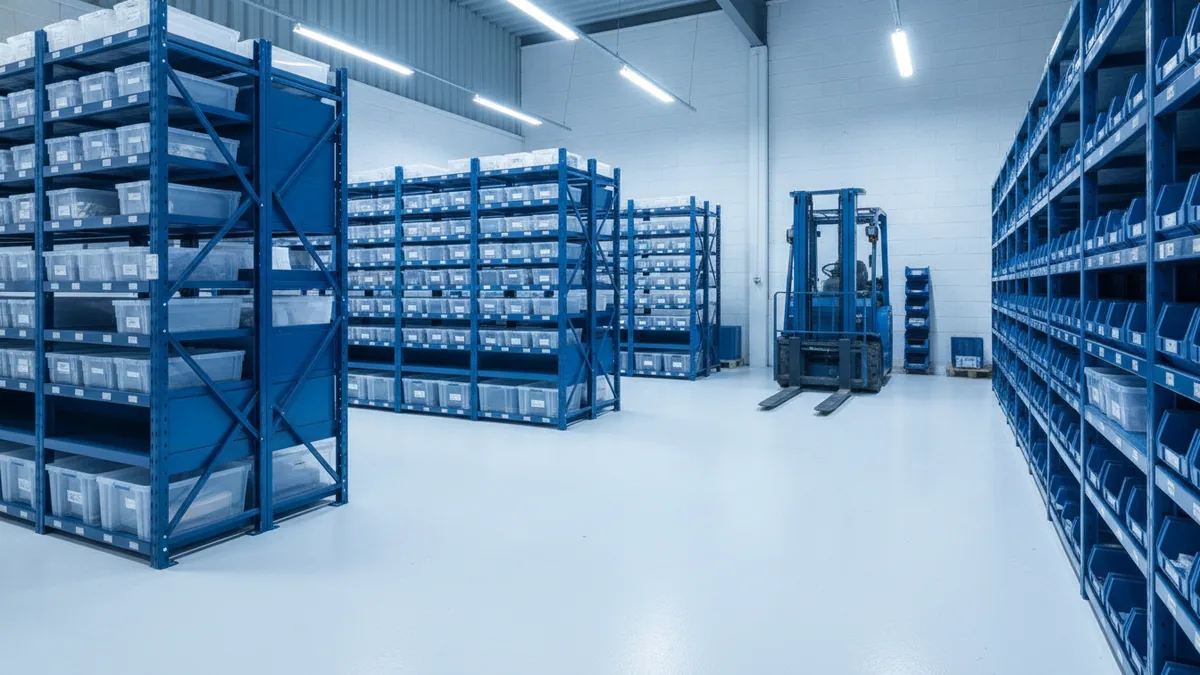
In Chapter 7, operations usually wind down. Inventory may be sold off. Equipment may be auctioned or transferred.
In Chapter 11, work can continue but under court rules. The business may renegotiate lease terms. It may stop weak projects quickly.
During either chapter, the firm must track cash closely. New work may need faster pay terms. This helps keep the lights on.
- List assets and deals: inventory, tools, leases, and key contracts
- Stabilize cash: pay what keeps the business working
- Manage claims: answer notices and sort who owes what
- Choose a final path: liquidation or a court-approved plan
Effects on creditors and employees
Creditors do not get paid by pressure. They get paid by court priority rules. That is how creditor claims are sorted.
Payments can differ by bankruptcy type. In Chapter 7, recovery depends on what assets sell for. In Chapter 11, recovery depends on what the plan can fund.
Some debts get paid first. Others wait longer or get reduced. That can feel unfair, but the rules are fixed.
What happens if your business goes bankrupt for workers? Employees may face layoffs. They may also see pay timing and benefit changes.
Job security can drop during a case. In Chapter 7, many jobs end as the firm shuts down. In Chapter 11, some roles may stay while the plan is built.
- Creditors: file claims and follow court deadlines
- Employees: layoffs may happen, especially in Chapter 7
- Suppliers: new work may need quicker payment
- Customers: service can change during the switch

Legal protections and options
Legal protection for businesses starts when you file. The automatic stay can pause many creditor actions. The court then oversees major moves by the business.
Many owners ask, what happens if my business goes bankrupt to my personal life. A key issue is whether lenders have a personal guarantee. If yes, personal assets can be at risk.
People also search, if my business goes bankrupt will i lose my house. That depends on your loan terms and collateral. A business case does not automatically take every personal asset.
It is also smart to clear up a harmful search phrase. How to bankrupt your business is not a safe goal. Bankruptcy is a legal way to deal with insolvency.
If you face financial distress, focus on options. First, talk to a lawyer about Chapter 7 vs Chapter 11. Second, gather records on cash flow and debts.
Ask what success looks like for your case. In Chapter 11, success means a confirmed plan. In Chapter 7, success means an orderly end and paid claims.
FAQ: what to expect if your business files
What happens when a business goes bankrupt in Chapter 7?
A trustee sells assets and pays creditors from the proceeds. Many operations stop in most Chapter 7 cases. Creditors get paid based on priority rules.
What happens when a business goes bankrupt in Chapter 11?
The firm can keep running while it builds a plan. It proposes debt repayment terms and seeks court approval. Creditors vote on the plan.
When a business goes bankrupt, what legal protection does it get?
The filing triggers the automatic stay. Many collection actions pause during the case. The court also sets deadlines for claims.
How does a business go bankrupt before filing?
It often starts with missed bills and shrinking cash. Vendors may demand faster pay. Sales may drop if trust falls.
What happens if my business goes bankrupt to employees?
Employees may face layoffs or role changes during the case. Chapter 7 can end jobs faster because operations stop. Chapter 11 may keep some jobs for a time.
What happens if your business goes bankrupt to creditors?
Creditors file claims, then recovery follows court rules. Chapter 7 recovery often depends on asset sale value. Chapter 11 recovery depends on the approved plan.
Frequently asked questions
- What happens when a business goes bankrupt in Chapter 7?
- A trustee sells assets and pays creditors from the proceeds. Many operations stop in most Chapter 7 cases. Creditors get paid based on priority rules.
- What happens when a business goes bankrupt in Chapter 11?
- The firm can keep running while it builds a plan. It proposes debt repayment terms and seeks court approval. Creditors vote on the plan.
- When a business goes bankrupt, what legal protections does it get?
- A bankruptcy filing triggers the automatic stay that pauses many collections and lawsuits. The court then controls major actions and deadlines.
- How does a business go bankrupt, and what signs show up first?
- Often it starts with missed payments and shrinking cash flow. Vendors may tighten terms, and revenue can fall as operations become unstable.
- What happens if my business goes bankrupt to my employees?
- Employees may face layoffs, benefit changes, or altered pay timing. The impact can be more severe in Chapter 7 than in Chapter 11.
- What happens if your business goes bankrupt to creditors?
- Creditors file claims, and recovery follows priority rules. Payments may differ by bankruptcy type and the value of available assets.
Related reading

Find Consulting Jobs (From Search to Offer)
Find consulting roles, build strong applications, and prepare for interviews.

Start a Property Management Business (From First Steps to Growth)
Build a property management firm with the right niche, rules, tools, and client plan.

Use Digital Marketing Services to Grow Your Business
Explore digital marketing channels, benefits, setup steps, and ways to measure results.