Are Conversion Vans Still Being Made?
Find out who makes, sells, and rents conversion vans today.
The Current Conversion Van Market
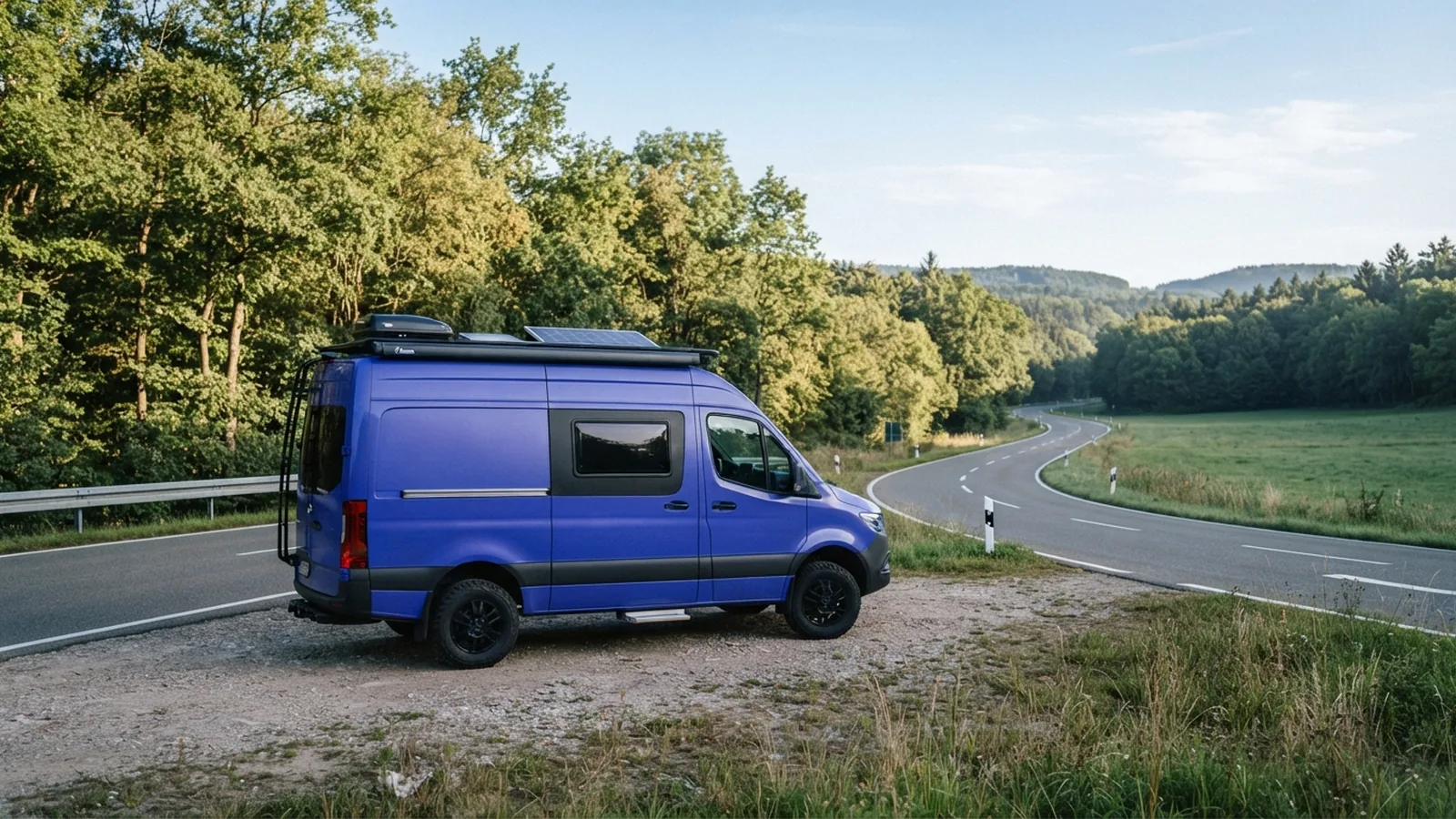
Yes, conversion vans are still being made. Ford, GMC, and Mercedes-Benz still build the large vans used for many conversions. Specialist firms then add beds, seats, kitchens, storage, and other living features.
The market now covers three main uses. Families want safe passenger space. Travelers want a compact camper. Others need easier access and better mobility support. A conversion van can serve all three groups with the right floor plan.
Ford sells the Transit van in several roof and body lengths. GMC still offers the Savana passenger and cargo van. Mercedes-Benz builds the Sprinter in several body styles. You can review the current Ford Transit passenger van range before comparing conversion firms.
Many buyers use “conversion van” for two different products. One is a passenger van with upgraded seats and trim. The other is a camper van with beds, water tanks, and cooking gear. Check the build type before you compare prices.
Who Makes Conversion Vans Today?
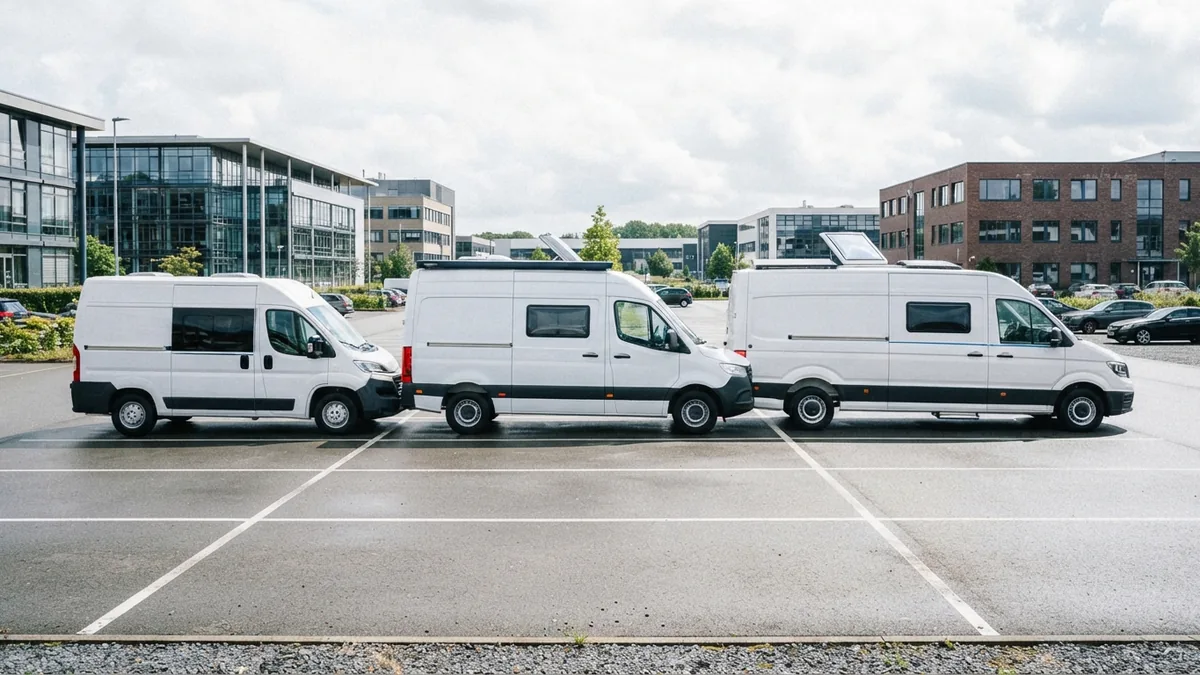
Base van makers and conversion firms share this market. Ford, GMC, and Mercedes-Benz supply the core vehicles. Companies such as Explorer Van, Midwest Automotive Designs, Roadtrek, and Winnebago add custom interiors.
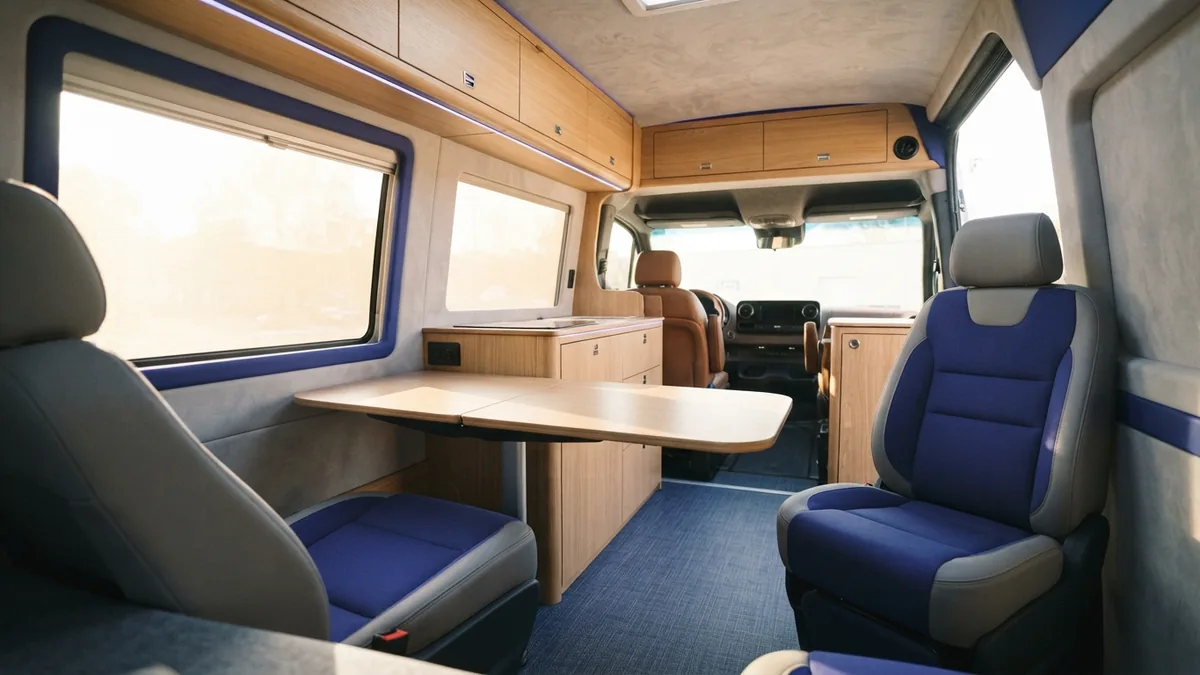
Some firms focus on family travel. They install captain’s chairs, folding seats, sound systems, and rear climate control. Others focus on camping. Their vans may include a bed, fridge, sink, stove, and roof fan.
Camper makers often build on the Mercedes Sprinter, Ford Transit, or Ram ProMaster. Their designs differ in size, price, and service support. Mercedes describes the Sprinter van platform and its body choices on its official site.
Ask who built each part of the van. The chassis, seats, wiring, plumbing, and cabinets may come from different firms. That answer helps you find the right warranty and repair shop.
- Passenger converters: Best for families, groups, and business shuttles
- Camper converters: Best for road trips, camping, and van travel
- Mobility converters: Best for wheelchair access and easier transfers
- Luxury converters: Best for premium seats, work trips, and long rides
Buying New or Used: Which Makes Sense?
A new conversion van gives you more choice. You can set the seat layout, bed size, cabinet finish, and power system. You can also request lifts, hand controls, or other mobility features.
New vans cost more, though. A family passenger conversion may cost about $60,000 to $110,000. A full camper build may cost $90,000 to more than $180,000. Luxury builds can pass $200,000 after upgrades and taxes.
Used conversion vans offer a lower entry price. Older passenger models often sell for $15,000 to $45,000. Used camper vans may range from $35,000 to $120,000. Age, mileage, layout, and build quality drive the spread.
Inspect a used van before you buy. Water leaks can damage floors and cabinets. Weak batteries can hide a costly power problem. Also check the tires, brakes, roof seals, plumbing, and service records.
- Set a total budget, including tax, insurance, and repairs.
- Choose passenger, camper, luxury, or mobility use.
- Compare the van’s age, mileage, and service history.
- Test every seat, outlet, light, latch, fan, and appliance.
- Pay for an independent inspection before signing.
Where to Buy Conversion Vans
You can buy a conversion van through a dealer, a specialist builder, or a private seller. New buyers often start with a van dealer. The dealer can explain the base vehicle, loan terms, and factory warranty.
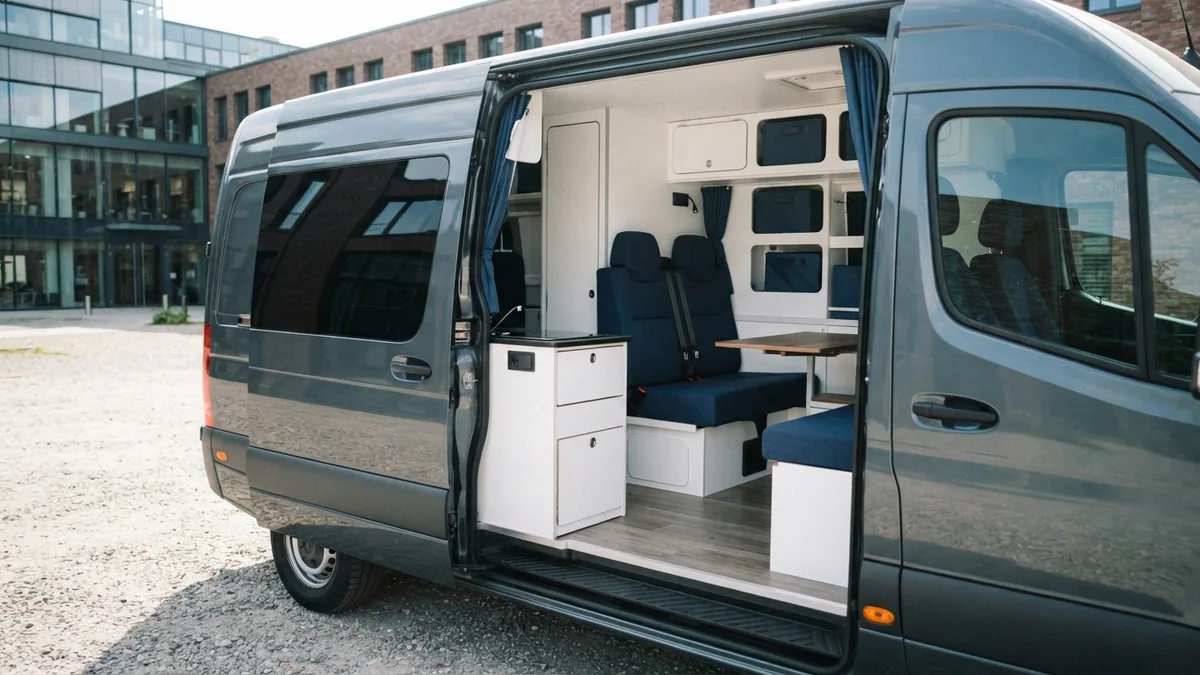
Specialist dealers sell finished builds from known conversion firms. This route gives you a clear layout and a chance to see the van in person. It may also give you one place for service and warranty help.
Custom builders offer more control. You choose the base van, sleeping plan, storage, power system, and finish. Ask for a written build sheet. It should list each part, its brand, and its warranty period.
Private sellers may offer the best price. They also create more risk. Check the title, accident record, lien status, and inspection report. Never send a deposit before you confirm the seller and vehicle.
| Buying route | Main benefit | Main risk |
|---|---|---|
| Van dealer | Clear vehicle support | Fewer custom choices |
| Specialist dealer | Finished layouts to compare | Higher dealer markup |
| Custom builder | Design matched to your needs | Longer build time |
| Private seller | Often the lowest price | Less warranty support |
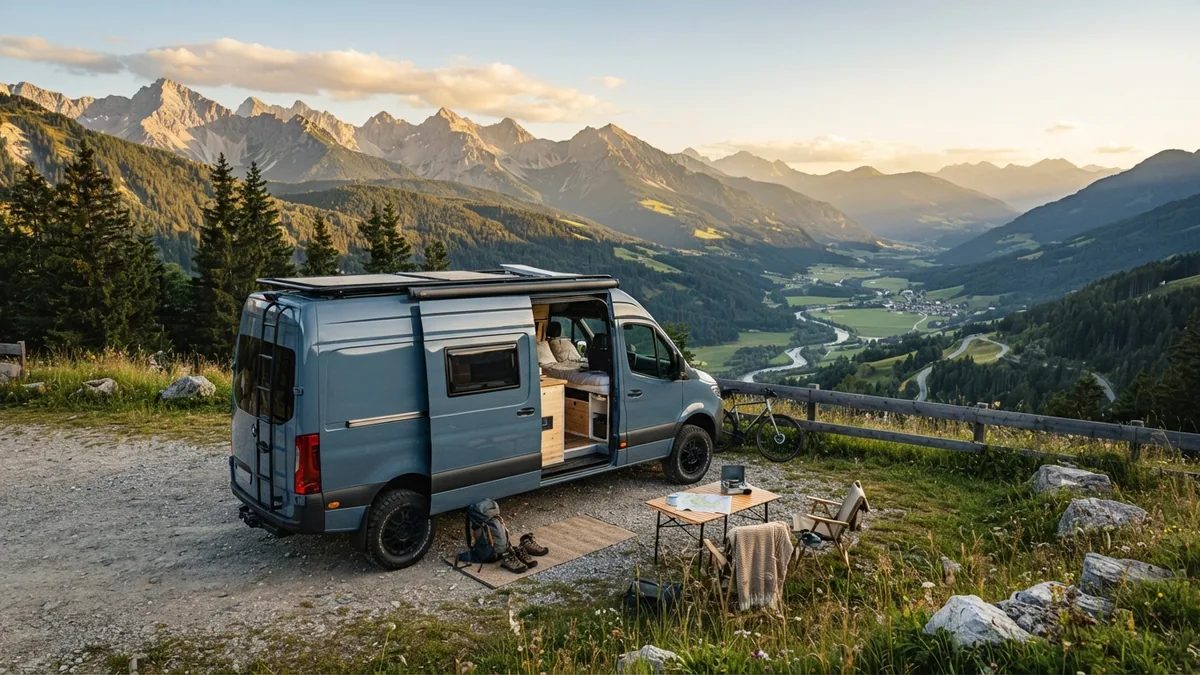
Can You Rent a Conversion Van?
Yes, you can rent conversion vans. Rental firms serve road trippers, families, event crews, and people testing van life. Some rent simple passenger conversions. Others rent full camper vans with beds and cooking space.
Daily rates often run from $120 to $350. Larger or premium campers can cost $400 or more per night. A rental may also add mileage fees, cleaning fees, insurance, and a security hold.
Search for camper van rental firms, peer-to-peer rental sites, and local conversion dealers. Ask who rents conversion vans in your travel area. Compare the full trip cost, not just the daily rate.
- Rental price and required deposit
- Daily mileage limit and extra-mile fee
- Insurance cover and roadside help
- Sleeping capacity and bed size
- Kitchen gear, toilet access, and power outlets
- Pickup rules, fuel terms, and cleaning charges
A three-night rental can reveal problems before a major purchase. Test the bed, driving view, storage, and power setup. You will learn which features matter during real travel.
Features Found in Modern Conversion Vans
Modern conversion van features vary by use and price. Basic builds may have upgraded seats, trim, USB ports, and a fold-down bed. Premium builds may add leather seating, sound control, and a rear entertainment system.
Many camper vans include a kitchen area. It may have a small sink, water tank, fridge, and induction hob. Some also include a microwave or outdoor cooking kit. Space stays tight, so measure the work area before you choose.
Do conversion vans have bathrooms? Some do. A compact camper may use a portable toilet or a wet bath. A wet bath combines the toilet and shower in one small room. Larger vans may have a fixed bathroom, but this reduces living and storage space.
Power systems also shape daily comfort. A van may use a second battery, solar panels, shore power, or a fuel heater. Ask how long the system can run without a campsite hookup. That answer matters for remote trips.
- Captain’s chairs and reclining rear seats
- Fold-flat beds or fixed sleeping platforms
- Kitchen counters, sinks, fridges, and cooktops
- Portable toilets or enclosed wet baths
- Solar power, batteries, and shore power
- Roof fans, insulation, and heating systems
How to Maintain a Conversion Van
Van maintenance has two parts. First, service the base vehicle like any large van. Follow the maker’s plan for oil, brakes, tires, fluids, and belts. Heavy loads can raise wear on brakes and suspension.
Next, inspect the conversion itself. Check roof seals and windows after heavy rain. Test the battery, charger, lights, outlets, fridge, fan, and heater. Run clean water through the plumbing before long trips.
Keep a service log with dates and mileage. Record battery age, tire changes, leaks, and repairs. This log helps prevent missed work. It also supports a better resale price.
Winter storage needs extra care. Drain water tanks and protect exposed pipes from frost. Charge the house battery as the maker directs. Cover vents only when the manual allows it.
A yearly inspection suits most owners. Inspect more often when you drive off-road or use the van full time. Small leaks and weak batteries cost less to fix than major interior damage.
Frequently asked questions
- Do they still make conversion vans?
- Yes. Ford, GMC, and Mercedes-Benz still build vans used for new conversions. Specialist firms then add passenger, camper, luxury, or mobility interiors.
- Who makes conversion vans?
- Ford, GMC, and Mercedes-Benz make common base vans. Conversion firms such as Explorer Van, Roadtrek, Winnebago, and Midwest Automotive Designs build finished interiors.
- Where can you buy conversion vans?
- You can buy them from van dealers, specialist conversion dealers, custom builders, or private sellers. New and used inventory is also listed through online vehicle marketplaces.
- Can you rent conversion vans?
- Yes. Camper van rental firms and peer-to-peer rental sites offer conversion vans. Rates often range from $120 to $350 per night before fees.
- How much are conversion vans?
- Prices vary by size and build. Used passenger conversions may cost $15,000 to $45,000. New camper conversions often cost $90,000 to more than $180,000.
- Do conversion vans have bathrooms?
- Some conversion vans have bathrooms. Options include portable toilets, wet baths, and fixed bathrooms in larger models.
Related reading

Start a Domain Hosting Business (From Reseller to Provider)
Start small, serve a clear niche, and build a hosting business clients trust.

Build a Business Plan That Guides Your Next Move
Turn your business idea into a plan you can test, fund, and update.

How CRM Improves Business Performance — From Sales to Service
See how CRM can help your team serve customers and work smarter.