Business Class on a Plane: Benefits, Costs, and Value
See what business class includes and when the higher fare is worth it.
Understanding Business Class on a Plane
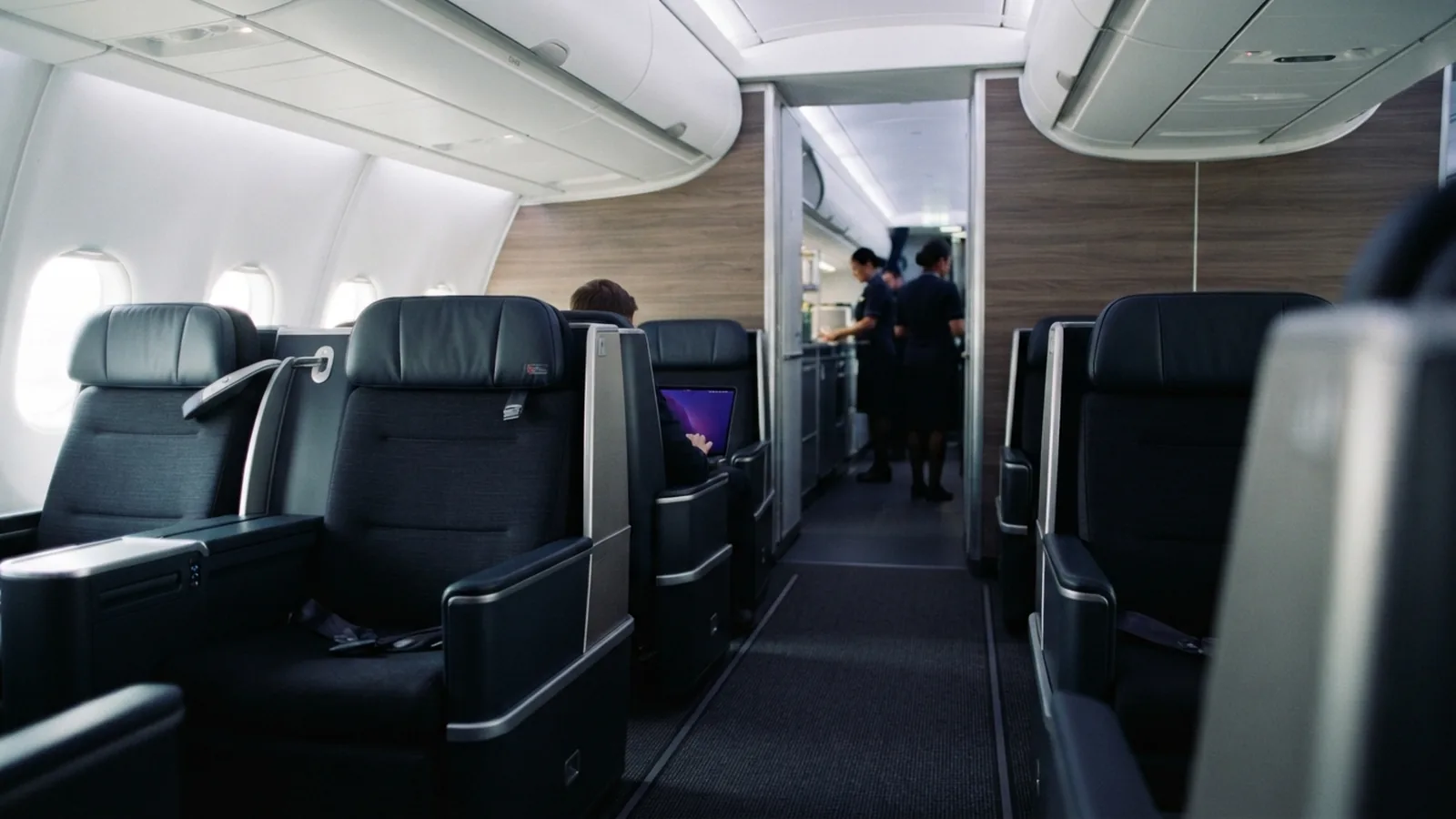
Business class is a premium cabin between economy and first class. It offers more space, better service, and extra travel perks. On many long flights, it also includes a lie-flat seat.
So, what is business class on a plane? It is a fare class built for comfort, rest, and faster airport service. The cabin often sits at the front of the plane, ahead of economy. Some aircraft place it on an upper deck.
Airlines began adding a separate business cabin in the late 1970s and early 1980s. The goal was simple. Airlines wanted to serve work travelers without matching first-class prices. The product grew as firms sent more staff across borders.
- Economy focuses on low fares and basic transport.
- Business class adds space, service, and time-saving perks.
- First class usually adds more privacy and a higher level of service.
Cabin names can vary by airline. A carrier may call its top cabin business class on one route. It may use a different name on another route. The seat, service, and fare rules matter more than the label.
Business Class vs. Economy Class
The main difference between coach and business class is the space around you. Economy seats often have about 30 to 32 inches of pitch. Pitch is the gap from one seat point to the same point behind it. Business seats can offer far more room.
On short flights, business class may use the same seat as economy. The airline may block the middle seat instead. It may also serve a better meal and offer early boarding. On long flights, the gap grows much wider.
| Feature | Economy class | Business class |
|---|---|---|
| Seat space | Basic legroom and width | Wider seats and more room |
| Sleep | Reclining seat | Flat-bed seat on many long routes |
| Food | Paid or basic meal service | More choice and better meal service |
| Airport service | Standard check-in and boarding | Priority lines and early boarding |
| Baggage | Lower free allowance | More checked bags on many fares |
Is coach or business class better? That depends on your trip. Economy often wins on price. Business class often wins on rest, work time, and ease.
For a two-hour flight, the extra seat width may not matter much. For a ten-hour flight, sleep can change your next day. The best choice rests on time, price, and purpose.
What Amenities and Services Does Business Class Include?
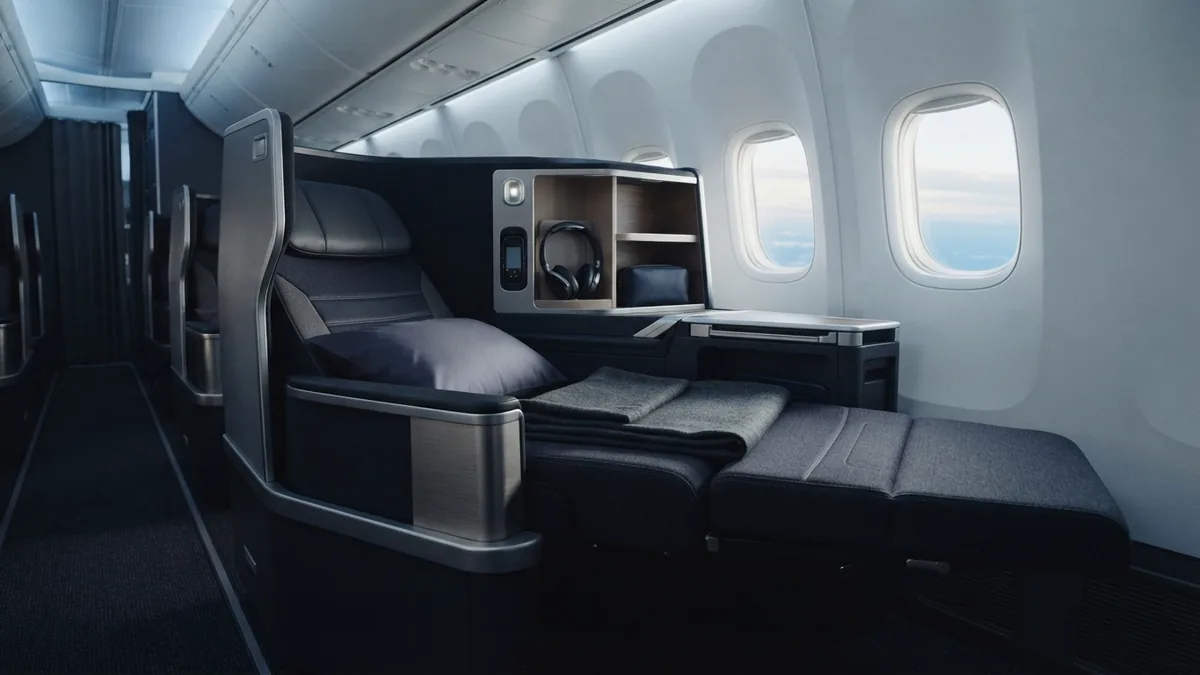
Seating is the biggest draw for many travelers. Long-haul cabins often use wide seats with direct aisle access. A full flat-bed can reach six feet or more on some planes. A privacy screen may help you rest, but cabin layouts differ.
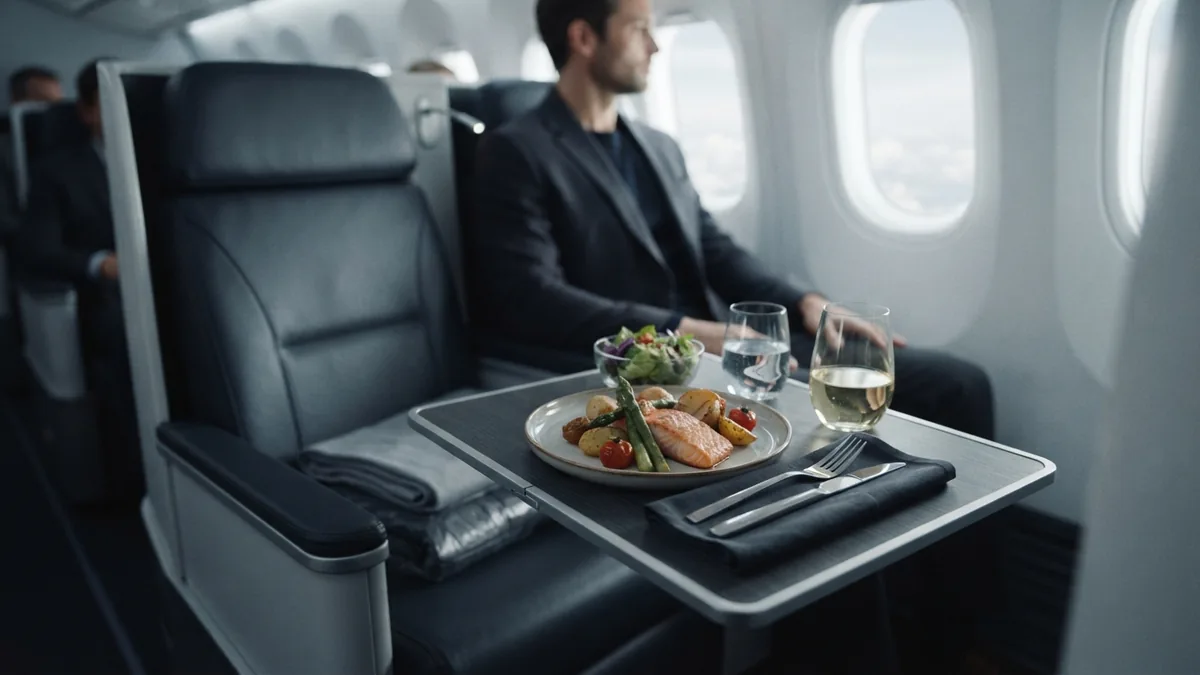
Dining can also set the cabin apart. Many airlines offer several main dishes and a longer meal service. Some serve regional dishes or wines picked for the route. “Gourmet” does not mean every meal will suit every taste. Quality can still vary by flight and crew.
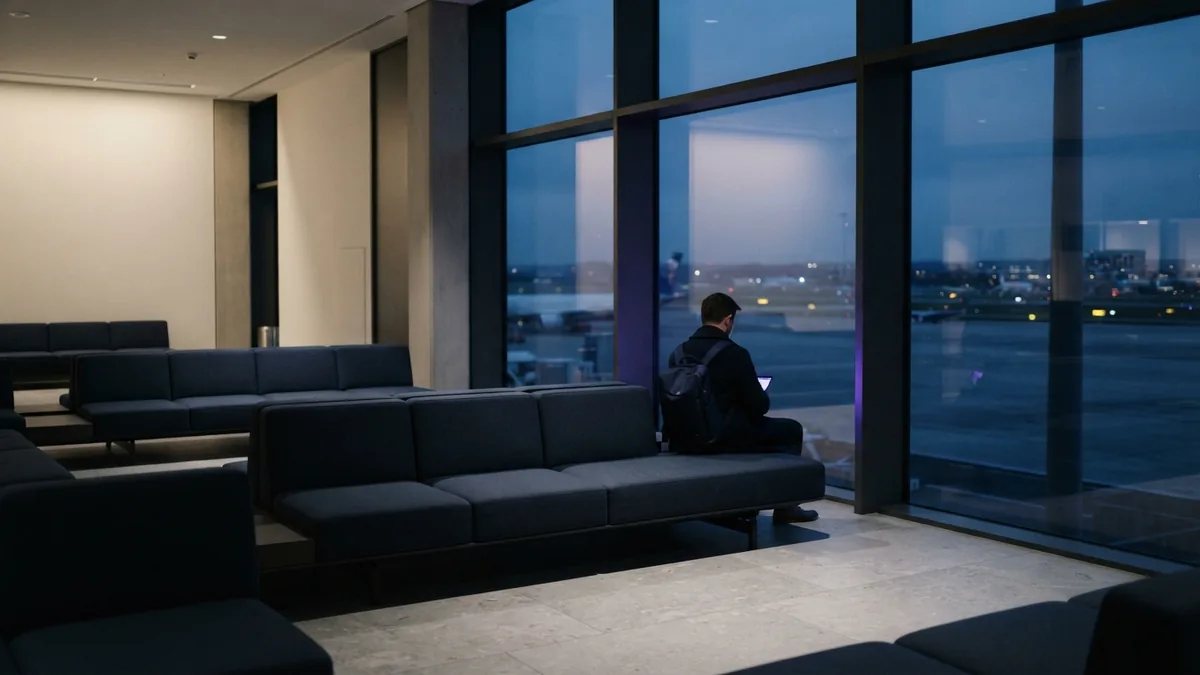
Airport lounge access is another key perk. Lounges may offer quiet seats, snacks, showers, and work desks. Access may depend on your fare, route, airline, or loyalty tier. A low business fare may have fewer perks than a flexible fare.
- Priority check-in and security lanes at some airports
- Priority boarding in business class
- Extra checked baggage on many routes
- Better headphones and a larger seat screen
- Power outlets and more space for work
- Faster baggage delivery after landing in some airports
These benefits save time as well as effort. A shower can help after an overnight flight. A quiet desk can help before a client meeting. The value rises when each perk solves a real travel need.
Cost of Business Class Tickets
The cost of business class tickets can range from twice to five times the economy fare. Some peak routes cost even more. A round-trip economy ticket may cost $600. The same route may cost $2,000 in business class.
Fares change with demand, season, and booking time. A flexible business fare can cost far more than a restricted fare. One-way tickets also tend to show poor value. Compare round-trip fares when your trip allows it.
The higher fare may make sense when sleep protects a key workday. It may also replace a hotel night after a late arrival. A company may gain more from a rested worker than from the cheapest ticket.
Still, the fare does not always pay back. A short route may offer few seat gains. A daytime flight may not need a bed. Lounge access may have little value if you arrive just before boarding.
- Compare the full fare, including bags and seat fees.
- Check the exact aircraft and seat map.
- Price a premium economy seat as a middle option.
- Value your lost sleep, work time, and hotel costs.
- Check the change and refund rules before you buy.
Points and upgrades can shift the math. A paid economy ticket may earn an upgrade offer later. Yet upgrade space is never certain. Buy business class when the seat matters, not when hope is the plan.
Business Class Quality Varies by Airline and Route
Business class is not one fixed product. Two airlines may charge similar fares for very different seats. One may offer a private suite. Another may use a narrow recliner with an empty middle seat.
The aircraft often matters more than the airline name. New planes tend to have better beds, storage, and power ports. Older planes may have angled seats or fewer private spaces. A plane swap can change the product after booking.
Route length also shapes the offer. A short regional flight may provide a meal and a wider seat. A long-haul flight may provide a bed, lounge access, and a larger meal service. Check the route page and aircraft type before paying more.
- Look for direct aisle access if you value privacy.
- Check whether the seat lies fully flat.
- Review the seat map for paired seats or solo seats.
- Confirm lounge access at both ends of the trip.
- Read the fare rules for bags, changes, and refunds.
Seat maps can change without warning. Treat them as a guide, not a promise. Recheck your booking before travel.
Who Should Fly Business Class?
Who flies business class? Many passengers are work travelers, but they are not the only group. People with limited mobility may value the extra room. Families may choose it for long overnight trips.
Business class often suits long-haul flights with a tight schedule. It can also suit an important business trip with a morning meeting. The bed and lounge can reduce strain before that meeting. These are real business travel advantages.
The cabin may help when you must work in the air. A larger table, power supply, and calmer space can help. Yet focus on the task, not the promise. Some flights remain noisy or busy.
Economy may be better for leisure trips with a flexible plan. It may also win when the fare gap funds a longer stay. A premium cabin should support your goal. It should not replace a clear trip budget.
Making the Right Choice for Your Travel Needs
Is business class better than coach? It is better for comfort and time. It is not always better for value. The right choice depends on the cost gap and the trip’s demands.
Start with the flight length. Then check the landing time and your next task. A night flight before a work event gives business class a strong case. A short flight with no fixed plans gives economy a stronger case.
Consider premium economy as a middle path. It often adds seat width and legroom at a lower fare. It may not include a bed or lounge access. Still, it can solve the main problem on medium-length flights.
Use this quick test before booking:
- Will I need to work or meet clients soon after landing?
- Will a flat bed protect my sleep?
- Does the route offer the full business product?
- Can the fare fit the trip budget without harm?
- Would premium economy meet most of my needs?
Business class earns its place when it buys useful time and rest. Economy wins when the flight is short or the fare gap is too wide. Compare the full trip, not just the seat.
Frequently asked questions
- What is business class on a plane?
- Business class is a premium cabin between economy and first class. It often includes more space, better meals, priority airport service, and a flat bed on long flights.
- What is the difference between coach and business class?
- Business class usually offers a wider seat, more room, better service, and extra airport perks. Coach costs less but provides fewer comfort features.
- How much more does business class cost than economy?
- Business class often costs two to five times more than economy. The gap changes with route, demand, season, aircraft, and fare rules.
- Is business class better than coach for long flights?
- Business class is often better for long flights because a flat bed can protect your sleep. Economy may still be the better value for flexible leisure trips.
- Does business class always include lounge access?
- No. Lounge access can depend on the airline, route, fare, and loyalty status. Check the exact fare terms before booking.
- Who should fly business class?
- Business class suits travelers who need rest before work, face a long overnight flight, or value faster airport service. It may also help passengers who need more space.
Related reading

Start a Mobile Drug Testing Business (Without a Lab)
Build a mobile testing service with sound training, lab links, and clear pricing.

Start a Business with a Problem Worth Solving
Turn a useful idea into a business with clear steps, sound research, and steady resolve.

Loft Conversion Timelines — What Affects the Build
Typical build times range from four to twelve weeks, plus planning and setup.