How Much Does a Tub to Shower Conversion Cost? A Real Guide
Tub to shower conversion usually costs $1,200–$8,000. Here’s what drives price.
Average Cost of Conversion
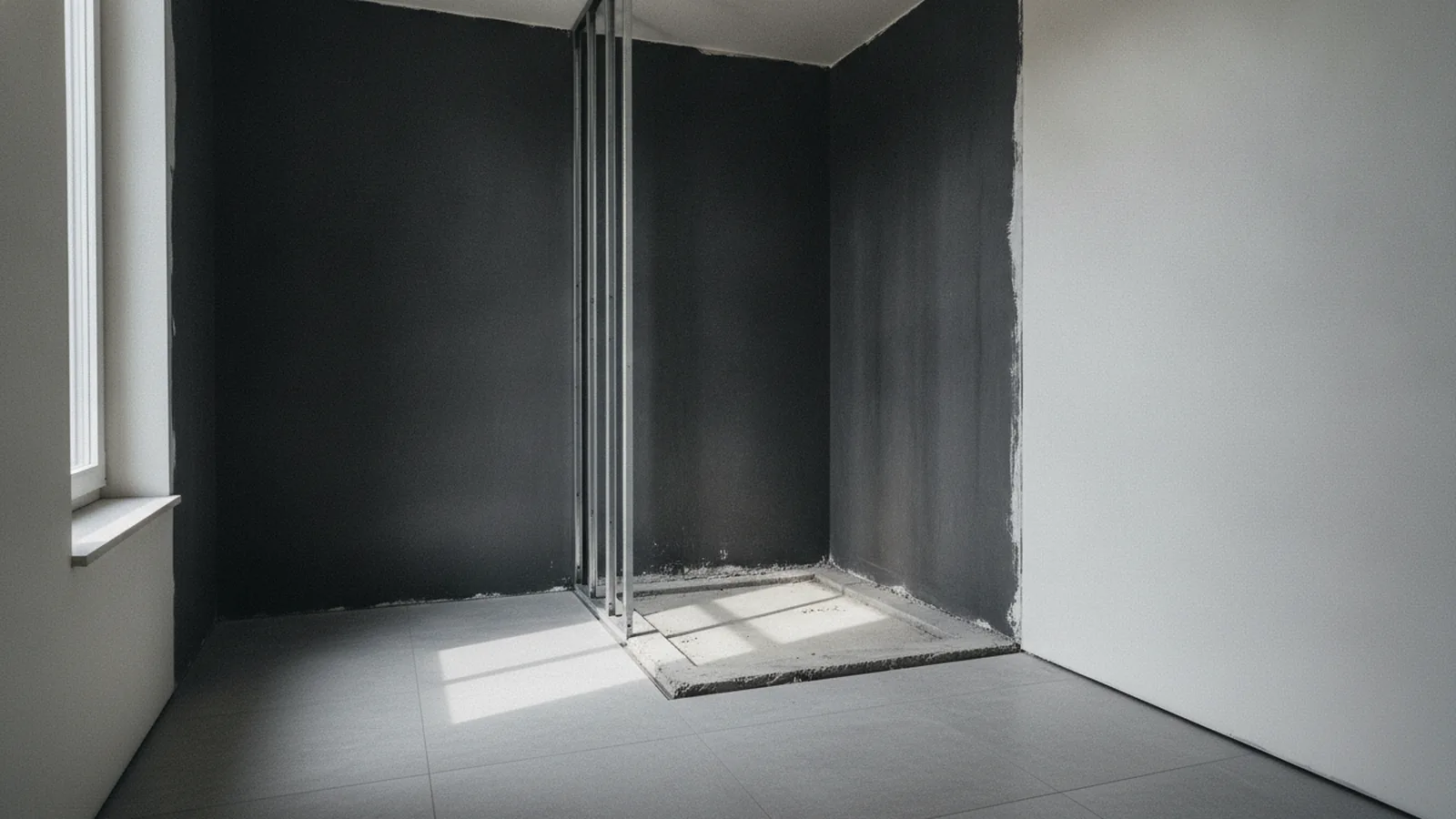
If you are wondering how much for tub to shower conversion, expect most projects to land between $1,200 and $8,000. The overall average tub to shower conversion cost is about $3,000. Your exact number depends on what you remove, what you rebuild, and how custom you want the shower to be.
As a quick budgeting guide, simple swaps tend to sit near the low end. More involved bathroom remodel work, higher-end shower materials, and added safety features push budgets higher. If you are doing a full bathroom refresh at the same time, the price can blur into broader remodel pricing.
Below are common budget bands many homeowners use when planning. Treat them as starting points, then use a detailed quote to tighten your estimate.
- $1,200–$2,500: Basic shower stall, standard finishes, minimal plumbing changes
- $2,500–$4,500: Better tile work or upgraded acrylic, new shower valve, a few extras
- $4,500–$7,500: Walk-in shower, glass door, more detailed waterproofing, safety add-ons
- $7,500–$8,000+: Custom layout, premium glass, built-ins, higher-end plumbing fixtures
What Drives Tub to Shower Conversion Pricing
Cost of tub to shower conversion is rarely one single line item. It is a mix of demo, waterproofing, wall build-out, shower base or pan, plumbing changes, and finishing work. Even when the shower footprint stays the same, the labor details matter.
Bathroom layout is a major factor. A tight space can mean more precise cutting and more time to protect floors and walls. If the new shower needs a different drain location, plumbing considerations usually increase the workload and material costs.
Material choices also move the needle. For example, tile systems can cost more in materials and labor than acrylic. Shower materials range from budget-friendly to high-end, and the difference shows up in both the surface look and the install effort.
Finally, you should plan for accessibility needs. Accessible showers may include grab bars, a lower threshold, or a seating area. Those features can add cost, but they can also prevent rework later.
- Bathroom layout: space limits, drain alignment, wall condition
- Plumbing changes: relocating valve or drain, new supply lines
- Waterproofing scope: full-wall membranes, niche builds
- Safety features: grab bars, handhelds, non-slip floors
- Local labor rates: hourly pricing and contractor availability
Types of Shower Installations and How They Affect Price
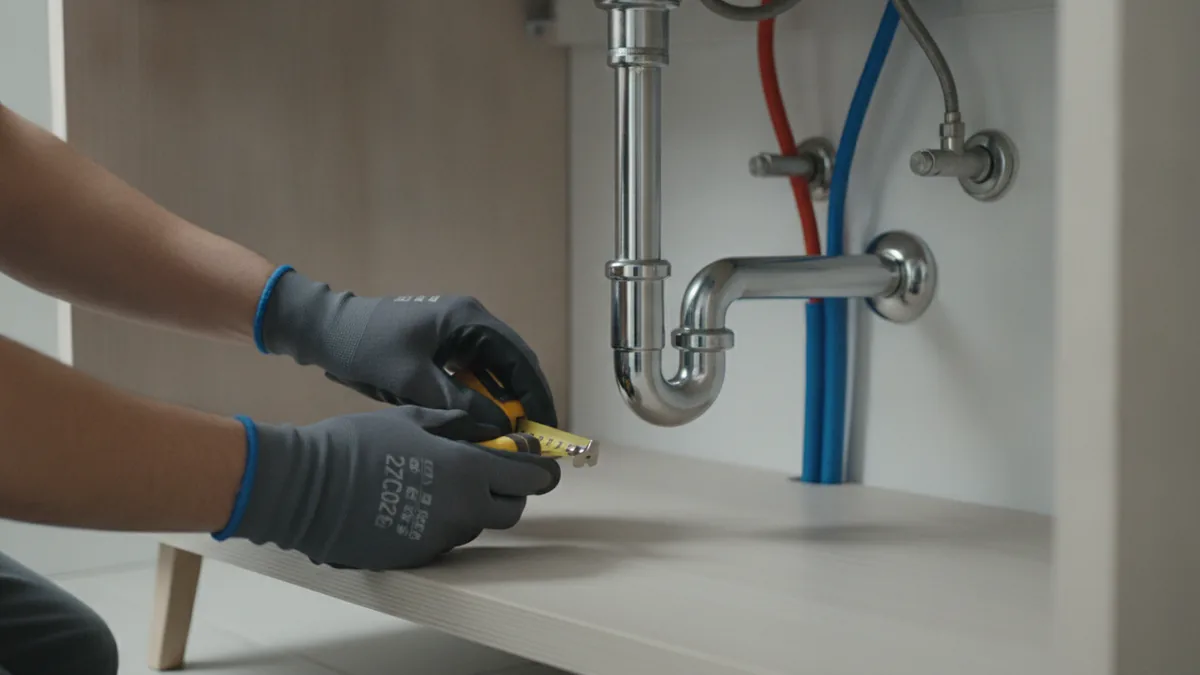
The type of shower is one of the biggest answers to tub to shower conversion pricing. Most homeowners compare a walk-in shower to a more traditional shower stall. In general, walk-in showers cost more because they often need a curbless or low-threshold setup and more framing detail.
A shower stall conversion usually fits the existing footprint better. It often uses a shower pan or base, then tiles or acrylic finishes the walls. That can keep bathtub to shower conversion costs closer to the lower end of the range.
Walk-in showers typically involve more layout work. They may include a wider opening, a frameless glass enclosure, and custom waterproofing around ledges. If you also add built-in seating, that takes extra structure and finish work.
When comparing quotes, ask what “type” really means. Some contractors use the term walk-in loosely, while others mean a specific design with a lower threshold and different framing.
| Shower type | Typical impact on cost | Best for |
|---|---|---|
| Shower stall | Often lower | Budget updates, tighter spaces, simple layouts |
| Walk-in shower | Often higher | Ease of access, aging-in-place, wider entryways |
| Curbless or low-threshold | High | Accessible showers, reduced step-over barriers |
| Glass-enclosed with framing | Mid to high | Water containment with a cleaner look |
| Frameless glass | High | Premium look, larger openings |
Shower Materials and Their Costs
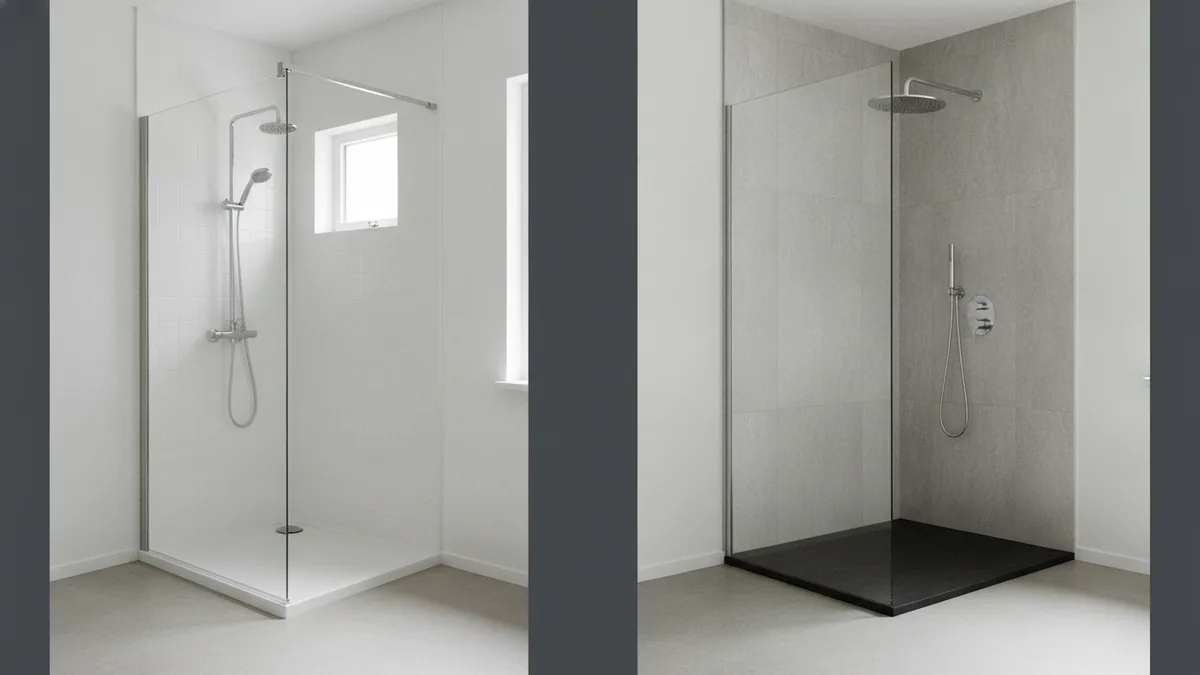
Shower materials are a direct driver of average tub to shower conversion cost. You may choose between tile, acrylic panels, or a mix of both. Each approach changes both the price of the parts and the labor time to install them.
Tile is a common choice for durability and design flexibility. The cost depends on tile price per square foot and how much surface area you cover. Specialized waterproofing layers and underlayment can also add cost, especially when you tile wall to wall.
Acrylic and fiberglass systems can lower risk and time. They are often quicker to install than full tile walls. However, you still pay for proper waterproofing behind the panels and for any trim work around niches and fixtures.
Don’t forget the shower base. A custom-built base can be more labor-intensive, while a pre-made pan or base may cost less and install faster. The best choice depends on your shower type, slope needs, and drain details.
- Tile walls: higher material and labor, strong design control
- Acrylic panels: often faster, fewer seams, can be lower cost
- Glass enclosures: thicker glass and better hardware cost more
- Premium fixtures: price varies widely by brand and finish
- Flooring: non-slip options can add a bit to materials
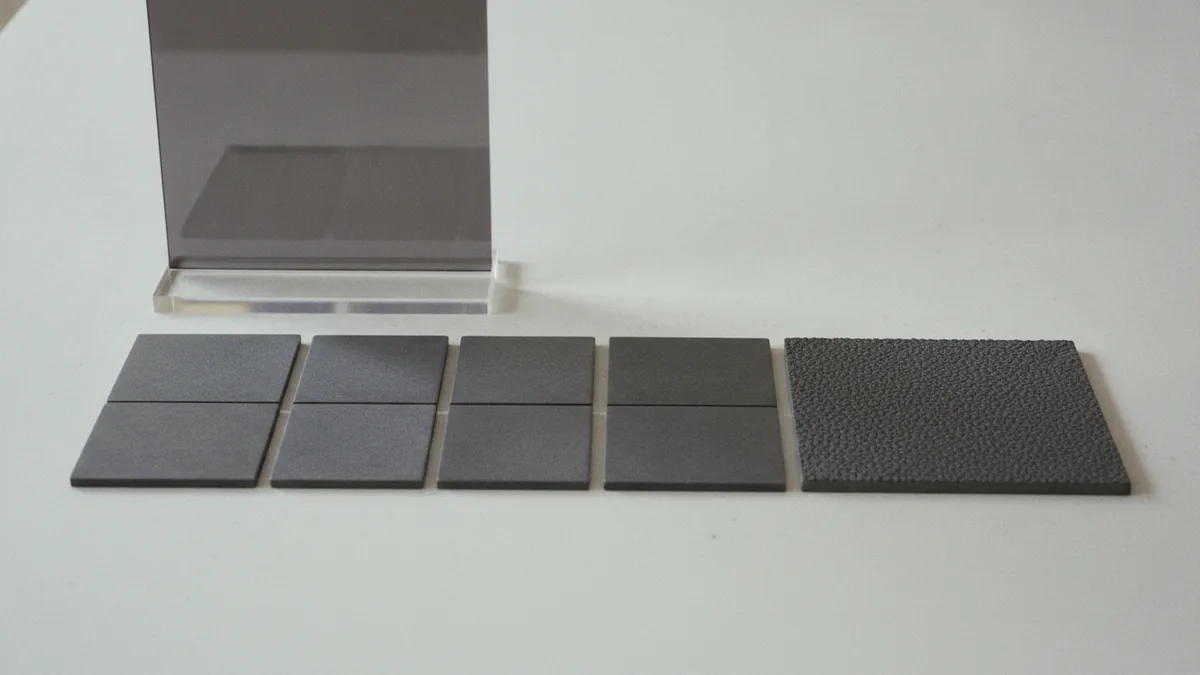
Customization and Upgrades That Raise or Lower the Budget
When people ask how much does a tub to shower conversion cost, upgrades usually explain most of the spread. Glass doors, premium fixtures, and custom shower features can add significant cost. The upgrade question is not just “what do you want,” but “what can you install without rework.”
Glass doors are one of the most common upgrades. A basic hinged door is usually cheaper than frameless glass. If you want a custom size or a specific door swing, expect pricing to rise.
Premium fixtures can also increase budgets. Upgrading the shower valve, adding body sprays, or installing a rain-style shower head may add parts and labor. If your existing plumbing rough-in does not match the new layout, plumbing considerations can increase cost.
Custom shower features can be high value. Grab bars and seating can improve comfort and safety. Built-in shelves and niches also change waterproofing and framing work, which affects tub to shower conversion pricing.
- Decide on your shower type first. It sets the layout and enclosure needs.
- Pick materials next. Tile and acrylic options change both part and labor price.
- Then choose upgrades. Add glass, fixtures, and built-ins based on your budget.
- Confirm what plumbing work is needed. Ask for a clear scope in the estimate.
Common Questions About Costs
What is the average cost of tub to shower conversion?
The average tub to shower conversion cost is about $3,000. Most projects fall between $1,200 and $8,000 based on scope and finish level. A simple stall can be closer to the low end, while walk-in designs with premium glass can push toward the high end.
How much is a tub to shower conversion in a typical home?
For many homes, how much is a tub to shower conversion depends on plumbing changes and wall finish choices. If you keep the same rough-in and choose standard finishes, you may see pricing near the mid range. If you relocate the drain or rebuild more wall surface, pricing typically rises.
How much does a bath to shower conversion cost if I want a walk-in?
How much does a bath to shower conversion cost for a walk-in shower depends on the threshold style and enclosure type. Walk-in showers cost more because they need added framing and more detailed waterproofing. Expect to budget higher than a basic shower stall, especially with glass doors.
Will Medicare or the VA pay for a tub to shower conversion?
Some people look for does medicare cover tub to shower conversion or will the va pay for a tub to shower conversion. In practice, coverage depends on the person’s medical situation and the program rules. These programs are not guaranteed for home remodel costs, so you should confirm eligibility with the agency or a qualified benefits advisor.
What does a tub to shower conversion cost after labor differences by region?
Local labor rates can change the total price across regions. A contractor in a high-cost metro area may charge more per hour. Permitting and inspection costs can also vary, but labor is often the biggest swing factor.
Will the cost change if my walls are already damaged?
Yes. If you have water damage behind the tub, you may need extra repairs before waterproofing. That can increase tub to shower conversion pricing because it adds demolition, materials, and time.
How much should a tub to shower conversion cost for a realistic budget?
Many homeowners set a target near $3,000 as a baseline. If you know you want a walk-in setup, glass enclosure, or premium materials, plan above that figure. If your goal is simple and you keep plumbing in place, you can often come in closer to $1,200–$2,500.
Quick way to compare quotes
To avoid surprises, ask each contractor for a line-item style breakdown. Confirm the shower type, the waterproofing method, and which materials they include. Also ask whether fixtures and glass are standard or upgraded so you can compare apples to apples.
Where to focus if you want to control cost
If budget is tight, choose a simpler shower stall layout first. Then prioritize durable waterproofing and safe, non-slip surfaces. You can still upgrade a few visible items, like a quality shower valve or a reliable handheld, without paying for every premium feature.
Frequently asked questions
- What is the average cost of tub to shower conversion?
- The average tub to shower conversion cost is about $3,000. Most projects range from $1,200 to $8,000 depending on materials and plumbing work.
- How much for tub to shower conversion if I choose a walk-in shower?
- Walk-in shower pricing is typically higher than a shower stall. Higher enclosure costs and more detailed framing usually push budgets upward.
- What does a tub to shower conversion cost if plumbing needs to be changed?
- If the drain or valve must move, labor and materials increase. Your contractor should list exactly what plumbing considerations apply.
- Will Medicare cover tub to shower conversion costs?
- Coverage depends on medical eligibility and program rules. It is not guaranteed, so verify with a benefits expert for your situation.
- Will the VA pay for a tub to shower conversion?
- It may be possible in some cases, but approval depends on eligibility criteria. Confirm options with your VA representative or benefits counselor.
Related reading

Start a Mobile Drug Testing Business (Without a Lab)
Build a mobile testing service with sound training, lab links, and clear pricing.

Start a Business with a Problem Worth Solving
Turn a useful idea into a business with clear steps, sound research, and steady resolve.
Loft Conversion Timelines — What Affects the Build
Typical build times range from four to twelve weeks, plus planning and setup.