How to Get and Read a Business Credit Report
Learn where to order, read, and monitor your business credit report.
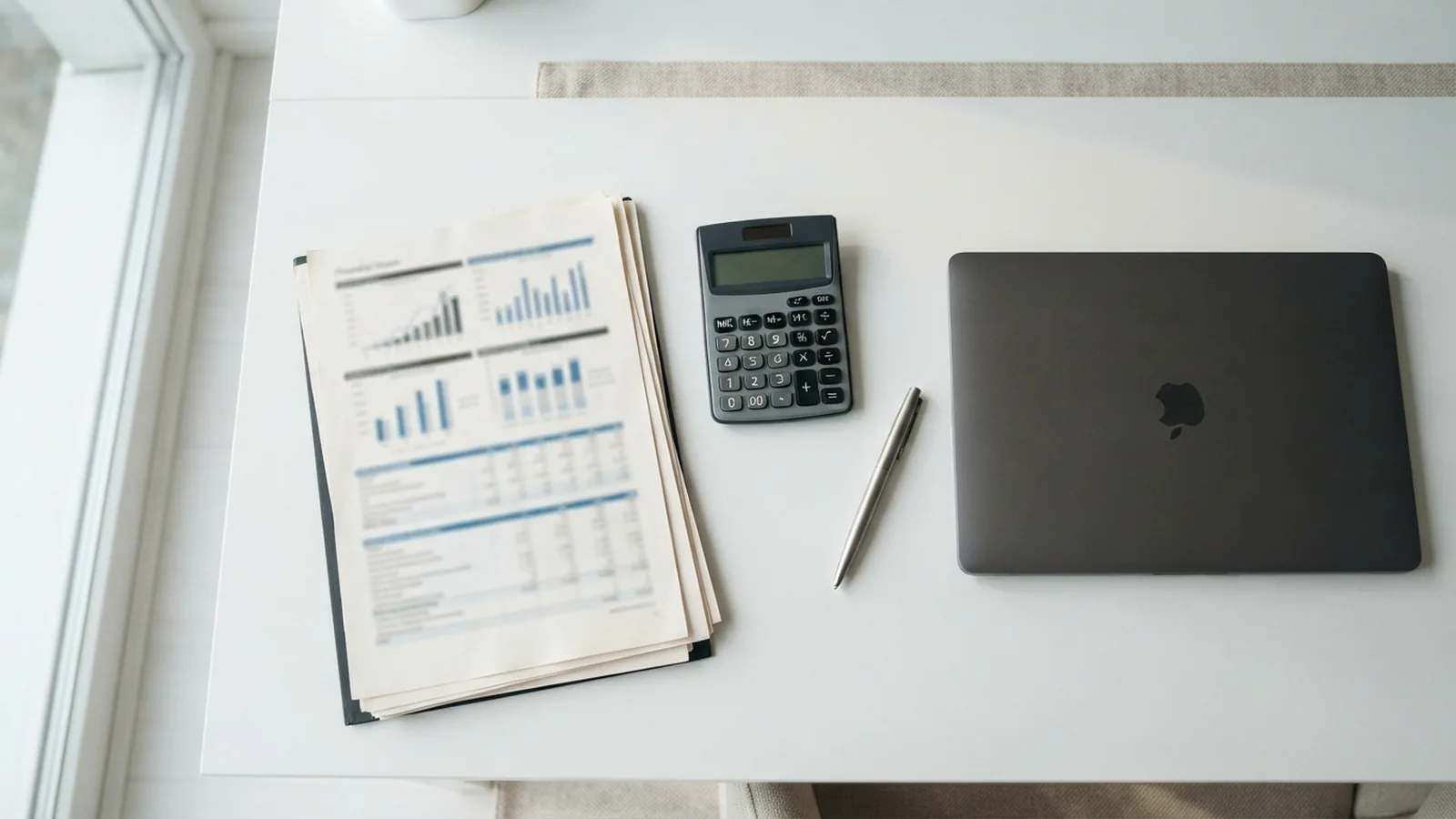
What a Business Credit Report Shows
A business credit report records how a company handles borrowed money and trade bills. It gives lenders, insurers, and suppliers a view of the firm’s credit risk. You can get one online from a credit bureau or through a business credit service.
If you ask, “How do I get a credit report for my business?” start by finding the right business file. A company may have more than one record. Names, addresses, tax details, and legal forms can create mix-ups.
A personal credit report tracks an individual. A business credit report tracks a company. These reports often use a business name, address, tax number, or company ID to match records.
Business credit data can affect trade terms and loan offers. Strong data may support longer payment terms. Weak data may lead to deposits, higher rates, or rejected requests.
Why Regular Credit Checks Matter
Credit reports can change when suppliers send new payment data. A late invoice may appear even after you paid it. A report can also show accounts that your firm never opened.
Regular checks help you spot errors early. They can also reveal signs of fraud, such as new loans or unknown suppliers. Early action gives you more time to dispute false data.
Many firms check their reports before seeking a loan. Others check before signing a large supply deal. A quarterly review works well for many small firms. Monthly checks may suit firms with many accounts.
- Check the report before a major loan or lease request
- Review new accounts and recent payment entries
- Watch for changes in the business credit score
- Save copies so you can track changes over time
Monitoring also helps you spot weak cash flow signals. A growing list of late bills needs prompt review. It may point to billing gaps, poor cash planning, or a false entry.

How to Get a Credit Report for a Business
The process is simple when your business details match bureau records. First, list every legal and trading name your firm uses. Add the main address, phone number, website, and tax details.
Next, choose a credit reporting agency or an online business credit service. Dun & Bradstreet and Experian are common choices in the United States. Each provider may hold different data.
- Gather your business details. Prepare the legal name, address, tax ID, and registration data.
- Search for the company file. Use the bureau’s search tool or ask its support team for help.
- Confirm your identity. The provider may ask for proof of ownership or business records.
- Select the report. Choose a one-time report or a plan with ongoing credit monitoring.
- Review the file. Check names, accounts, balances, payment dates, and public records.
- Save the report. Keep the date, order details, and a copy for your records.
Some services offer a free business profile. Full reports, scores, and alerts may cost extra. Check the price before you enter payment details.
To learn how to run a credit report on a business you do not own, use a business credit service that permits third-party searches. You may need the firm’s exact name and address. Do not assume a result matches the right company without checking those details.

What Information Appears in the Report?
A business credit report often starts with basic company data. This can include the legal name, trade names, address, industry, and start date. It may also list owners or related firms.
The report then shows credit data from lenders and suppliers. It may include account limits, current balances, payment terms, and past due amounts. Some suppliers report payments, while others do not.
| Report section | What to check |
|---|---|
| Business profile | Names, addresses, owners, and company type |
| Credit score | Score range, risk band, and score date |
| Payment history | On-time payments, late bills, and past due amounts |
| Public records | Liens, judgments, bankruptcies, and filings |
| Financial data | Revenue, debt, balances, and reported business performance |
The business credit score may use a different scale from a personal score. Never compare the numbers without reading the provider’s guide. A higher score often points to lower risk, but the score is not the full story.
Some reports contain financial performance details. These may come from public filings, company data, or trade partners. Small firms may have little financial data, even when they pay bills on time.

Where to Order a Business Credit Report
Credit reporting agencies collect data from lenders, suppliers, public records, and other sources. Dun & Bradstreet is known for its business files and D-U-N-S Number. Experian also sells business credit reports and monitoring plans.
You can order a report through each bureau’s website. Online platforms may combine data from more than one source. That option can save time, but it may not show the full file from every agency.
Compare each provider before you buy. Look at the report scope, score type, update rate, dispute process, and total price. A low first-month price may turn into a monthly plan.
- Dun & Bradstreet: Useful for firms that need a D-U-N-S Number or trade data.
- Experian: Offers business reports, scores, and alert services.
- Online platforms: May gather reports, scores, and alerts in one account.
Data can vary between providers. One bureau may list a supplier account that another does not. For a major loan request, checking more than one report can reveal gaps.
How to Read the Results
Start with the company profile. Check every name and address against your records. An old address can link your firm to another company’s debt.
Review payment history next. Look at the number of accounts paid on time. Then check late payments, account age, credit limits, and current balances.
Public records deserve close attention. A lien, judgment, or bankruptcy entry can affect a lender’s view. Confirm the case number, date, legal name, and current status.
Read the score notes before drawing a conclusion. The report should explain the score range and key risk factors. A score drop may follow a new balance, a late payment, or missing data.
Use this quick review order:
- Confirm the company identity and account ownership
- Check payment dates and past due balances
- Review public records and their current status
- Read score factors and risk notes
- Compare the report with your bank and supplier records
Do not treat missing data as proof of poor credit. It may mean that suppliers do not report payments. Ask key suppliers whether they send payment data to business bureaus.

What to Do After You Find a Problem
Make a list of each error before you contact the bureau. Note the account name, report page, wrong detail, and correct detail. Gather invoices, payment receipts, contracts, and bank records.
Send a dispute through the provider’s stated process. Keep copies of every form and file. Ask for a case number and a review date.
Contact the data provider too. A supplier or lender may need to correct the entry at its source. Keep written proof of any change.
Fraud needs a faster response. Contact the bureau and the listed lender at once. Review bank access, payment tools, and staff permissions.
- Correct wrong names, addresses, and company links
- Challenge accounts your firm did not open
- Ask suppliers to report on-time payments
- Pay overdue bills and confirm the update date
- Set alerts for new accounts and score changes
Some errors take more than one report cycle to fix. Check the file again after the stated review period. Escalate the dispute if the bureau does not address clear proof.
Build a Simple Credit Review Routine
Set one owner for business credit checks. That person can store reports in a secure folder and track open disputes. A clear owner prevents missed reviews.
Check your report at least four times each year. Check it more often before funding, insurance, or large supplier deals. Record the score, major balances, and new entries each time.
Ask lenders what they review before you apply. Some focus on payment history. Others weigh debt, public records, time in business, and cash flow.
Good credit data takes steady upkeep. Keep legal details current. Pay trade bills on time. Fix errors as soon as they appear.
Step-by-step
- 01 Gather business details
Prepare the legal name, trading names, address, phone number, tax ID, and registration data.
- 02 Choose a credit provider
Select a bureau or online business credit service. Compare report scope, price, score type, and alerts.
- 03 Find the company file
Search with the exact business name and address. Check that the result matches your firm.
- 04 Order and review the report
Buy the report or plan, then check scores, accounts, payment history, public records, and financial data.
- 05 Dispute wrong information
Collect proof and file a dispute with the bureau. Contact the lender or supplier that supplied the data.
Frequently asked questions
- How do I get a credit report for my business?
- You can order a report from Dun & Bradstreet, Experian, or another business credit service. You will need the firm’s legal name, address, and other identifying details.
- How can I run a credit report on a business?
- Use a business credit bureau or an online service that allows company searches. Confirm the business name and address before buying the report.
- Who provides business credit reports?
- Dun & Bradstreet and Experian are two common providers. Online platforms may also combine reports, scores, and alerts.
- What is included in a business credit report?
- A report may include a business credit score, payment history, public records, account data, and financial details. The exact sections vary by provider.
- How often should I check my business credit report?
- Check your report each quarter and before a major loan or supplier deal. More frequent checks may help firms with many accounts.
- What should I do if my business credit report has an error?
- Collect proof, file a dispute with the bureau, and contact the lender or supplier that sent the data. Keep the case number and check the report again later.
Related reading

Loft Conversion Timelines — What Affects the Build
Typical build times range from four to twelve weeks, plus planning and setup.

Get a Small Business Tax ID (EIN and State Rules)
Get an EIN from the IRS for free, then check your state’s tax ID rules.

Business Management Courses — Skills, Degrees and Careers
Explore the subjects, skills, degrees, and career paths in business management.