Loft Conversion Timelines — What Affects the Build
Typical build times range from four to twelve weeks, plus planning and setup.
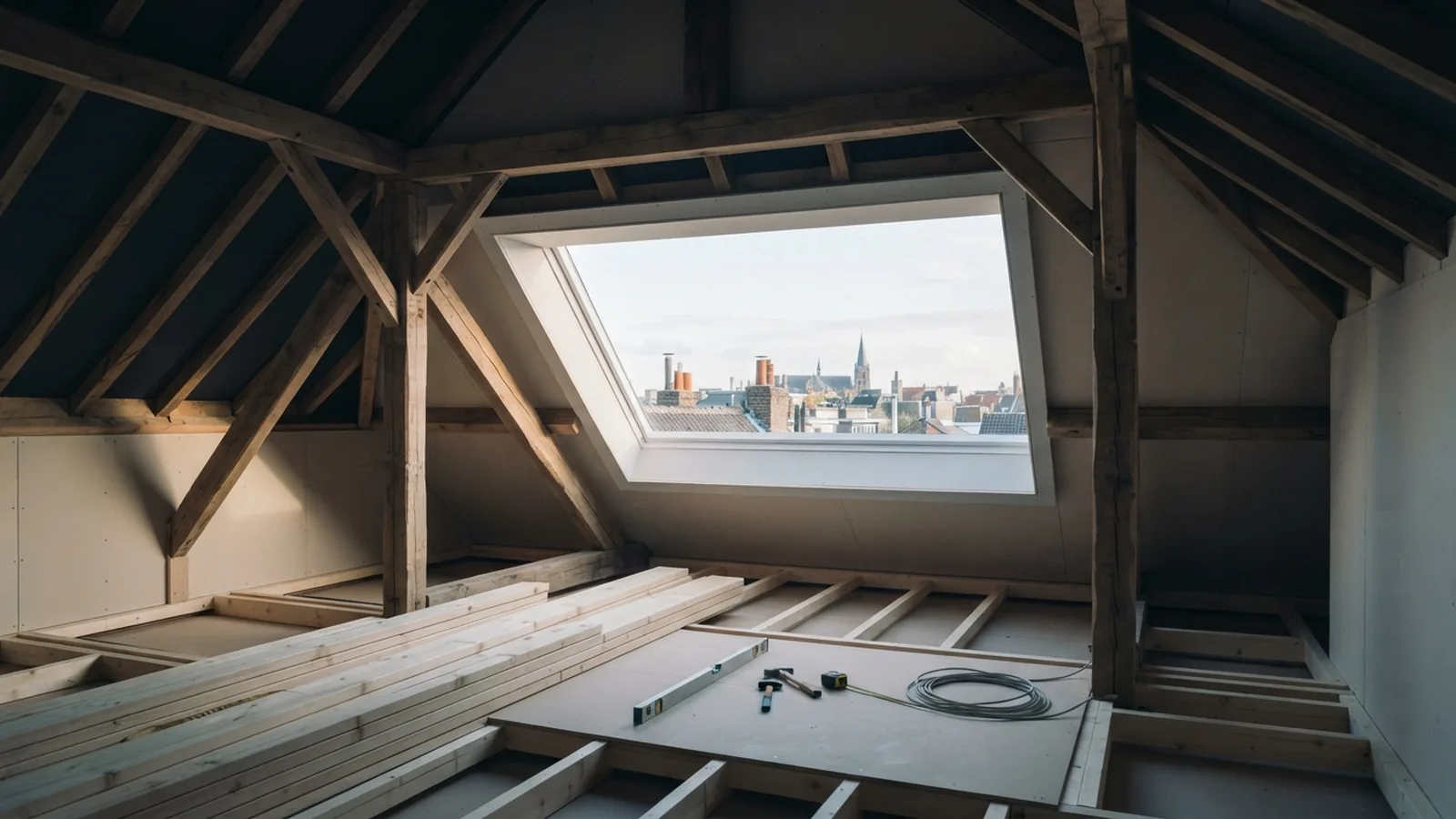
Understanding loft conversion timelines
How long does a loft conversion take? Most builds need four to twelve weeks of construction. A simple Velux project often takes four to six weeks. A large Mansard build can take ten to twelve weeks.
Those figures cover building work, not the full project. Surveys, design, approvals, and contractor booking can add one to three months. So the full journey may last several months before the new room is ready.
How long does it take to do a loft conversion? The answer depends on the home and the design. Loft size matters, as do roof shape and site access. A bungalow may have different roof and access needs from a terraced home.
- Velux conversion: about four to six weeks
- Dormer conversion: about six to eight weeks
- Hip-to-gable conversion: about eight to ten weeks
- Mansard conversion: about ten to twelve weeks
These time frames for loft conversions are useful for early planning. They are not fixed promises. Ask builders to state what their estimate includes, such as stairs, a bathroom, and final checks.
Stages of the loft conversion process
Work often starts with protecting the home and setting up safe access. The team may then strengthen the floor and roof. They build the new structure and fit stairs as the design requires.
Next, the roof is made weather-tight. Windows or a dormer go in, followed by insulation and core services. Electricians and plumbers may work while other parts of the room take shape.
Finishing work includes plastering, doors, floors, and decoration. A bathroom adds plumbing, waterproofing, and tiling. Snagging and final checks can take a few more days.
- Set up: Protect the home and arrange safe access.
- Build the frame: Strengthen the floor and alter the roof as needed.
- Make it weather-tight: Fit roof windows or build the dormer.
- Add services: Install wiring, heating, and plumbing where needed.
- Finish and check: Fit stairs, plaster, decorate, and fix snags.
The order can change to suit the home and the builder’s team. Agree on the key stages before work begins. Ask who will tell you when each stage is done.
Typical build times by conversion type
A Velux conversion uses roof windows and makes little change to the roof shape. It is often the quickest option, taking around four to six weeks. Work may take longer if the floor needs major support or the stairs need complex changes.
A dormer conversion usually takes six to eight weeks. The builder adds a box-shaped roof feature, which can create more headroom and floor space. A large dormer, ensuite, or two-bedroom layout may add work and extend the build.
A hip-to-gable conversion changes a sloping roof end into a straight wall. It often takes eight to ten weeks because the roof needs more work. A Mansard changes much of the roof slope, so it can take ten to twelve weeks.
| Conversion type | Typical build time | Common reason for variation |
|---|---|---|
| Velux | 4–6 weeks | Floor support or stair changes |
| Dormer | 6–8 weeks | Size and room fit-out |
| Hip-to-gable | 8–10 weeks | Roof shape and support work |
| Mansard | 10–12 weeks | Major changes to the roof |
Use these ranges to compare types of loft conversions, not to set a firm handover date. Each roof has its own limits. The builder should inspect the structure before giving a firm schedule.
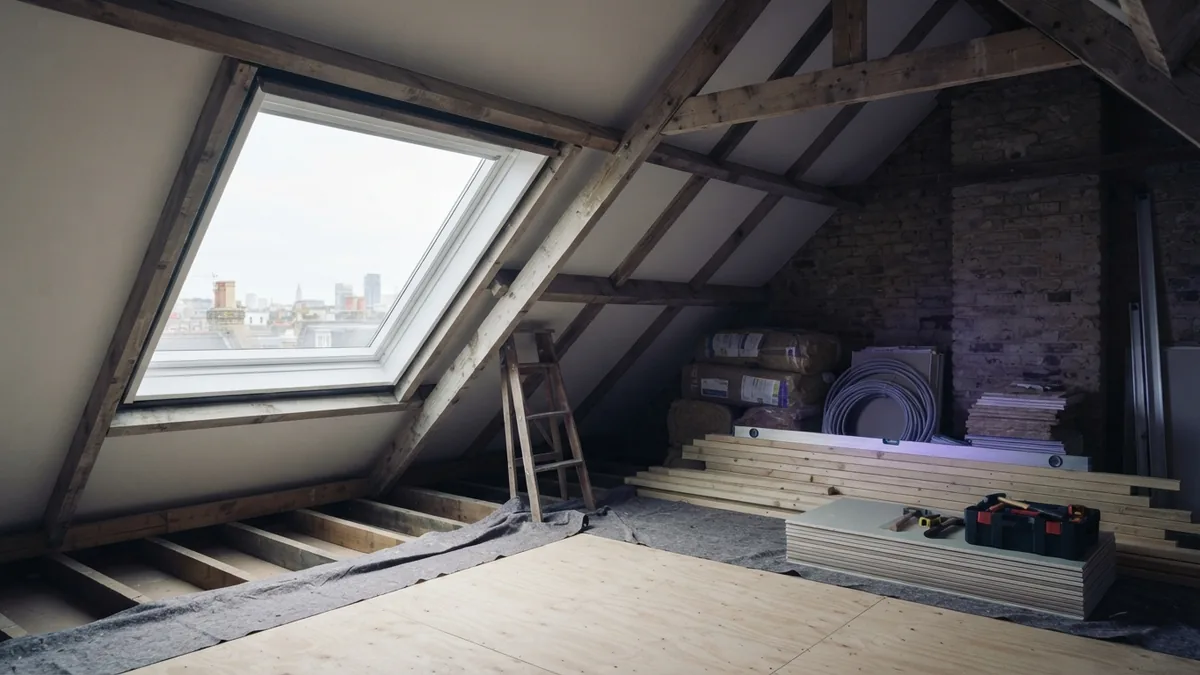
Factors that can change completion time
Loft size and layout: A bigger space needs more framing, insulation, and finish work. A second bedroom or bathroom adds further tasks. Roof shape can matter as much as floor area.
Access to the home: Builders need room to bring in supplies and take away waste. Narrow roads, limited parking, or shared paths can slow deliveries. Carrying items through the house may also mean more time spent protecting rooms.
Roof and floor condition: Hidden damage or weak joists can need repair before the new room can proceed. Older homes may reveal problems once the roof is open. Agree how the builder will report extra work and any change to the schedule.
Late changes and supplies: A new layout can lead to work being done twice. Late choices for stairs, windows, or fittings can hold up a task. Make key choices early and check that needed items are on order.
Weather and work hours: Roof work can slow in poor weather. Noise limits or restricted work hours can also affect progress. Ask the builder how the plan allows for these risks.
Small delays do not always move the final date. Some tasks can happen at the same time. The schedule should show which tasks depend on earlier work.
Planning and preparation before work begins
Preparation for a loft conversion can take one to three months. Time is needed for design, surveys, approvals, and builder bookings. The wait can be longer if plans need changes or a key trade is busy.
Before work starts, ask for a written schedule with start dates and main handover points. Check what the builder has included. A schedule should cover the stairs, services, room finish, and any bathroom work.
- Confirm the design and room layout before booking the build.
- Ask what approvals and checks the project needs.
- Choose windows, stairs, and fittings early.
- Check delivery dates for items that could hold up the work.
- Agree how the builder will share delays and changes.
Cost questions often arise at this stage, but price alone does not set the build time. The cost of a loft conversion depends on design, size, and the work included. Ask for a written quote and a separate timeline, rather than treating a price range as a promise about duration.
A basic design may need less roof work than a dormer or Mansard. Still, the size of the room, access, and the state of the roof can change the schedule. Compare like with like when reviewing builders’ plans and quotes.
Conclusion: set a realistic finish date
Build time ranges from about four weeks for a simple Velux conversion to twelve weeks for some Mansard projects. Dormers often take six to eight weeks. Hip-to-gable work often takes eight to ten weeks.
Add one to three months for design, checks, approvals, and booking. Then allow for the home’s size, access, roof condition, and chosen layout. These factors shape the duration of loft conversions as much as the conversion type.
Ask for a schedule that separates preparation from construction. Check how the builder will handle delays and extra work. A clear plan gives you a better view of when the new space will be ready.
Frequently asked questions
- How long does a loft conversion take from start to finish?
- Construction often takes four to twelve weeks. Design, surveys, approvals, and contractor booking can add one to three months.
- How long does a dormer loft conversion take?
- A dormer conversion usually takes six to eight weeks of building work. A large design or bathroom can extend the schedule.
- How long does a Velux loft conversion take?
- A simple Velux conversion often takes four to six weeks. Major floor or stair changes may add time.
- What can delay a loft conversion?
- Limited site access, roof repairs, late design changes, and slow deliveries can all cause delays. Poor weather can slow roof work too.
- Does a two-bedroom loft conversion take longer?
- It can, since extra rooms add framing and finish work. The roof shape, access, and any bathroom also affect the schedule.
Related reading
Get a Small Business Tax ID (EIN and State Rules)
Get an EIN from the IRS for free, then check your state’s tax ID rules.

Business Management Courses — Skills, Degrees and Careers
Explore the subjects, skills, degrees, and career paths in business management.

Start a Domain Hosting Business (From Reseller to Provider)
Start small, serve a clear niche, and build a hosting business clients trust.