How to Start a Bike Courier Business: Steps, Costs, and Plan
Learn how to start a bike courier business with steps, costs, legal basics, and pricing.
Understanding the bike courier industry
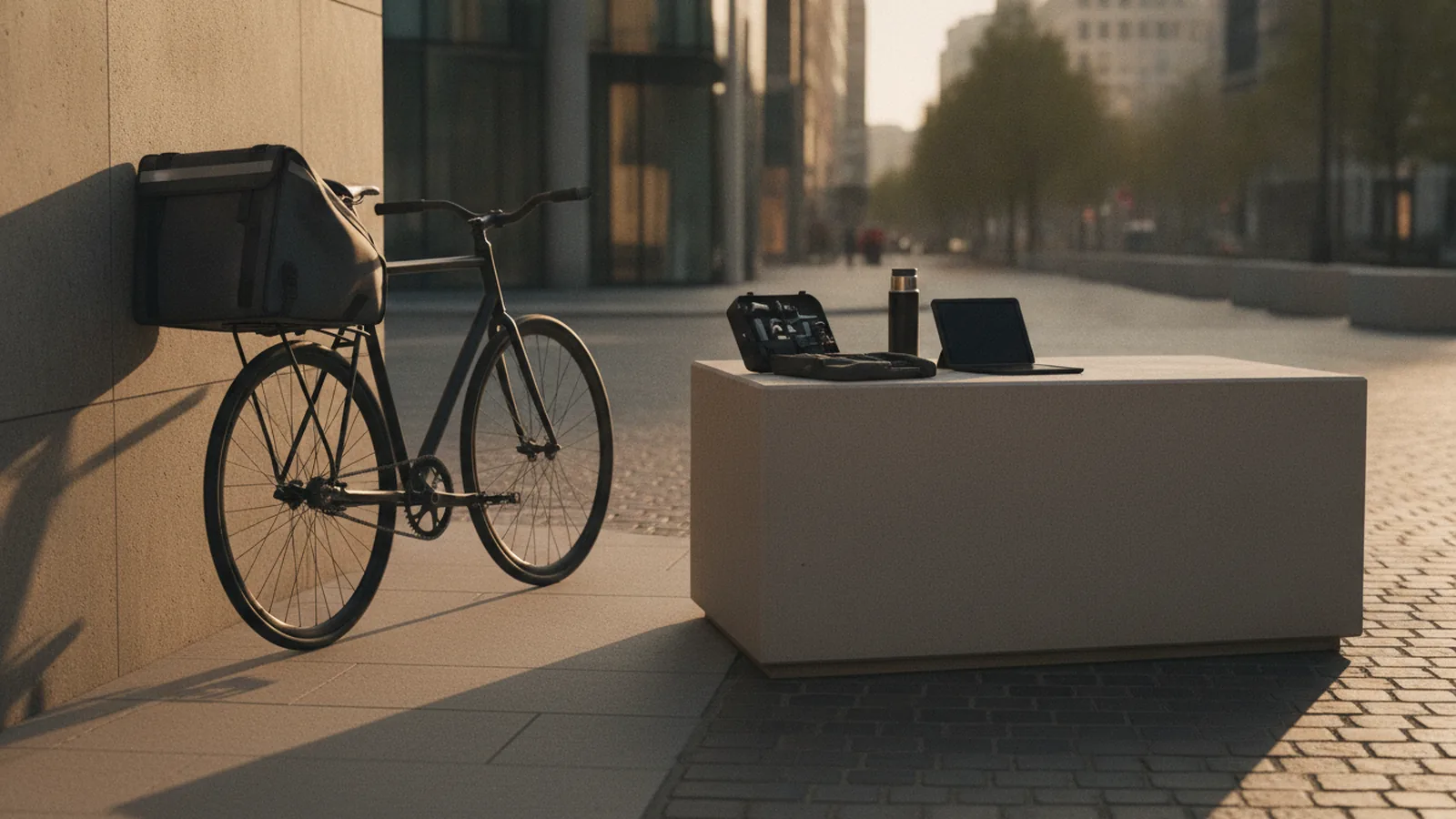
If you want to know how to start a bike courier business, start with demand and fit. Bike couriers work best where short trips are common. They also win when timing matters more than distance.
Do market analysis for courier services in your area. Check delivery density in your city. Then note rush hours for offices, clinics, and law firms.
Look at who already offers courier service. Search for same-day delivery posts and local ads. Also watch how often clients request pickups throughout the day.
Decide your target market next. Many riders focus on businesses that need fast document delivery. Others focus on small parcels with clear delivery rules.
- Search local “same-day delivery” ads and note frequent sellers
- Walk or map routes within a 2–5 km area
- Interview 10 to 20 decision makers about delivery pain
- List the clients you could serve with repeat trips

Key steps to start your business
Write a bike courier business plan before you buy gear. A plan turns guesses into daily numbers. It also helps you set a real launch timeline.
Pick your service model early. You can run on-demand trips for urgent needs. Or you can run scheduled pickups for steady clients.
Outline your services clearly. Many new operators start with documents and small parcels. Then they add items only when they can handle them safely.
Create delivery rules so clients know what to expect. For example, set a size limit for parcels you will carry. Also define how you handle returns and re-deliveries.
- Do a quick demand check with short calls and route notes
- Choose a service area, like “within 5 km of downtown”
- Define your services, like documents and small parcels
- Write your bike courier business requirements for work flow
- Set early targets, like ten pilot trips in month one
- Decide how you will track orders and delivery proof
Legal requirements and permits you should confirm early
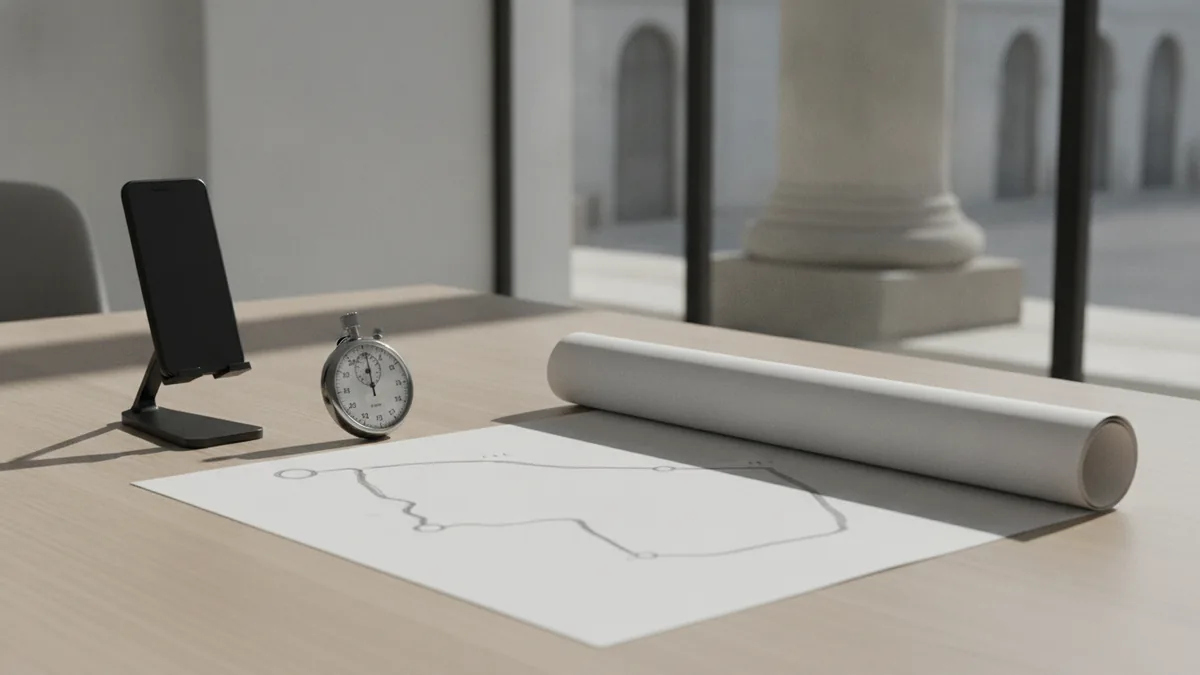
Legal needs can change by city and country. So you should confirm rules early. This avoids shutdown risk during your first busy weeks.
You often need a business license and tax registration. You may also need local approval for home-based storage. Some cities require special permits for courier work.
Insurance is a must for business trust. Many firms ask for proof of coverage before they sign. Liability coverage helps if an accident leads to a claim.
Ask about cargo needs too. If you carry client documents or small parcels, ask what coverage fits. Clients may also want proof of safe handling and care.
- Business registration and any local courier trade rules
- Liability insurance for claims from accidents or incidents
- Any cargo coverage your clients require
- Rules for biking on roads and required safety items
Confirm contractor versus employee status before you hire. If you use helpers, local worker rules can apply. Get a clear answer before you scale.

Equipment and resources needed
Equipment affects speed, safety, and client trust. A good bike reduces downtime from flats and broken brakes. It also keeps your rides comfortable.
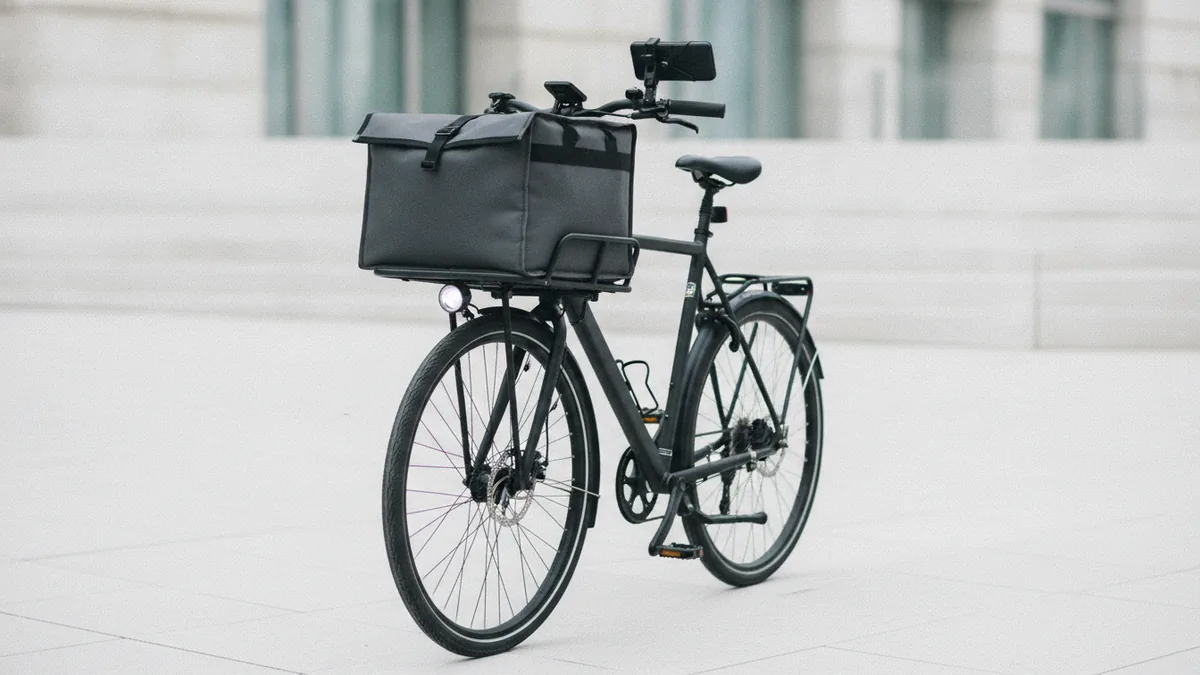
Plan your carry system based on what you deliver. For documents, you need a secure, sealed bag. For parcels, add padding to limit damage.
Use bright lights and clear visibility gear. In bad weather, a reflective vest helps drivers spot you. A bell helps when you need to alert people fast.
For communication, use one reliable setup. Many riders use a smartphone with a mount. A power bank helps when calls run long.
| Item | Practical choice | What it solves |
|---|---|---|
| Bike | Comfort frame and quality tires | Fewer breakdowns on daily trips |
| Carry bags | Waterproof delivery bag plus inserts | Less damage in rain and bumps |
| Safety | Helmet, lights, and reflective vest | Safer rides in traffic |
| Phone setup | Mount, charger, and power bank | Fast pickup calls and updates |
| Repair kit | Spare tube, pump, tire tools | Quick fixes without long waits |
Build a maintenance routine that fits your week. Inspect tires for wear every week. Check brakes and bolts before your heaviest days.
Marketing your bike courier service
Marketing is mostly about proof and fast service. You will earn clients by meeting pickup time and delivery time. Clean updates also boost trust.
Start with the businesses you mapped in your demand work. Offer a pilot with clear rules. For example, schedule five deliveries over two weeks.
Your online page should answer simple questions. Where do you deliver? What do you carry? How fast can you start after a call? Keep answers short and clear.
Use local ads that reach office decision makers. Try listings, local flyers, and outreach to office managers. Many clients care about the delivery flow, not your bike story.
- Create a landing page with service area and limits
- Set up a business email and a simple lead form
- Use local search listings with consistent hours
- Place door flyers near offices and law firms
- Offer scheduled pickups for steady weekly work
When you pitch, show how you reduce their risk. Promise clear pickup windows, not vague “fast” claims. Then follow up with delivery proof.
Financial planning and pricing strategies
A bike courier business plan should include start-up costs and monthly costs. List one-time items like bags, lights, locks, and bike upgrades. Then list monthly items like phone data and repairs.
Pricing must cover your time and your risk. Many couriers price by time window or distance. Others use a base fee plus a waiting buffer.
Create a cost model you can explain to yourself. Estimate your average travel speed with real stops. Then compute a cost per hour from monthly expenses.
If a route cannot pay you, fix it. Raise price, shorten service time windows, or change coverage size. Profit is a plan result, not a hope.
| Cost type | Examples | Planning tip |
|---|---|---|
| Variable | Repairs, tires, tubes, rain wear | Track spend for 30 to 60 days |
| Semi-fixed | Insurance, phone plan, basic tools | Use quotes, then add about 10 to 15 percent |
| Fixed | Business costs and accounting | Budget yearly costs, then divide |
Also plan for slow weeks. Many riders set aside a cash buffer for one month. This reduces panic when calls drop.
Tips for success in the delivery market
Success in starting a bike delivery service needs steady service. Pick an operating window you can keep. Then protect your time during rush hours.
Communicate with clients like a pro. Send a pickup note. Then send a delivery update when you arrive. Notify them quickly if weather slows you down.
Sustainable business practices can be a real plus. Bike trips can cut pollution versus short car trips. You can mention environmental benefits of bike couriers, but lead with reliability.
- Use a pickup photo and item check before you roll
- Keep a route plan and backup paths for detours
- Practice safe turns and fast stops
- Set service rules for late pickups and missed calls
- Ask for feedback after each pilot client delivery
Think about scale from day one. If you grow, you can add gear first. You can also add riders later once routes prove profitable.
A note on “adjacent” bike businesses
You may also see ideas about how to start a bike business. Some people ask about how to start a bike repair business. Others ask about how to start a bike tour business.
Those can work in the same brand story, but they change your time needs. Courier work is daily and time-based. Repair and tours often follow different calendars.
If your goal is couriering, keep your first six months focused. Build a reputation for on-time delivery first.
Frequently asked questions
- How do I start a bike courier business in my city?
- Check local demand, then pick your service area and delivery rules. Write a bike courier business plan with pricing and insurance needs.
- What services should a bike courier business offer first?
- Start with documents and small parcels that you can carry safely. Add returns and scheduled routes once you have repeat clients.
- What are the main bike courier business requirements?
- You usually need business registration, local permits if required, and liability insurance. Some clients may ask for proof of coverage.
- How much does it cost to start a bike delivery service?
- Costs vary based on your bike and insurance quote. Plan for a delivery setup, safety gear, cargo bags, and at least one month of costs.
- How should I price courier trips when starting out?
- Estimate cost per hour from your monthly costs. Then set flat trip fees or time-window fees that include waiting time.
- How do I get my first business clients?
- Start with a pilot for nearby offices or law firms you mapped. Publish your coverage and rules online, then do local outreach.
Related reading

Start a Mobile Drug Testing Business (Without a Lab)
Build a mobile testing service with sound training, lab links, and clear pricing.

Start a Business with a Problem Worth Solving
Turn a useful idea into a business with clear steps, sound research, and steady resolve.

Loft Conversion Timelines — What Affects the Build
Typical build times range from four to twelve weeks, plus planning and setup.