How to Start a Bouncy Castle Business: Requirements, Costs, Marketing
Start a bouncy castle rental with clear steps on permits, costs, safety, and marketing.
Understanding the bouncy castle rental business
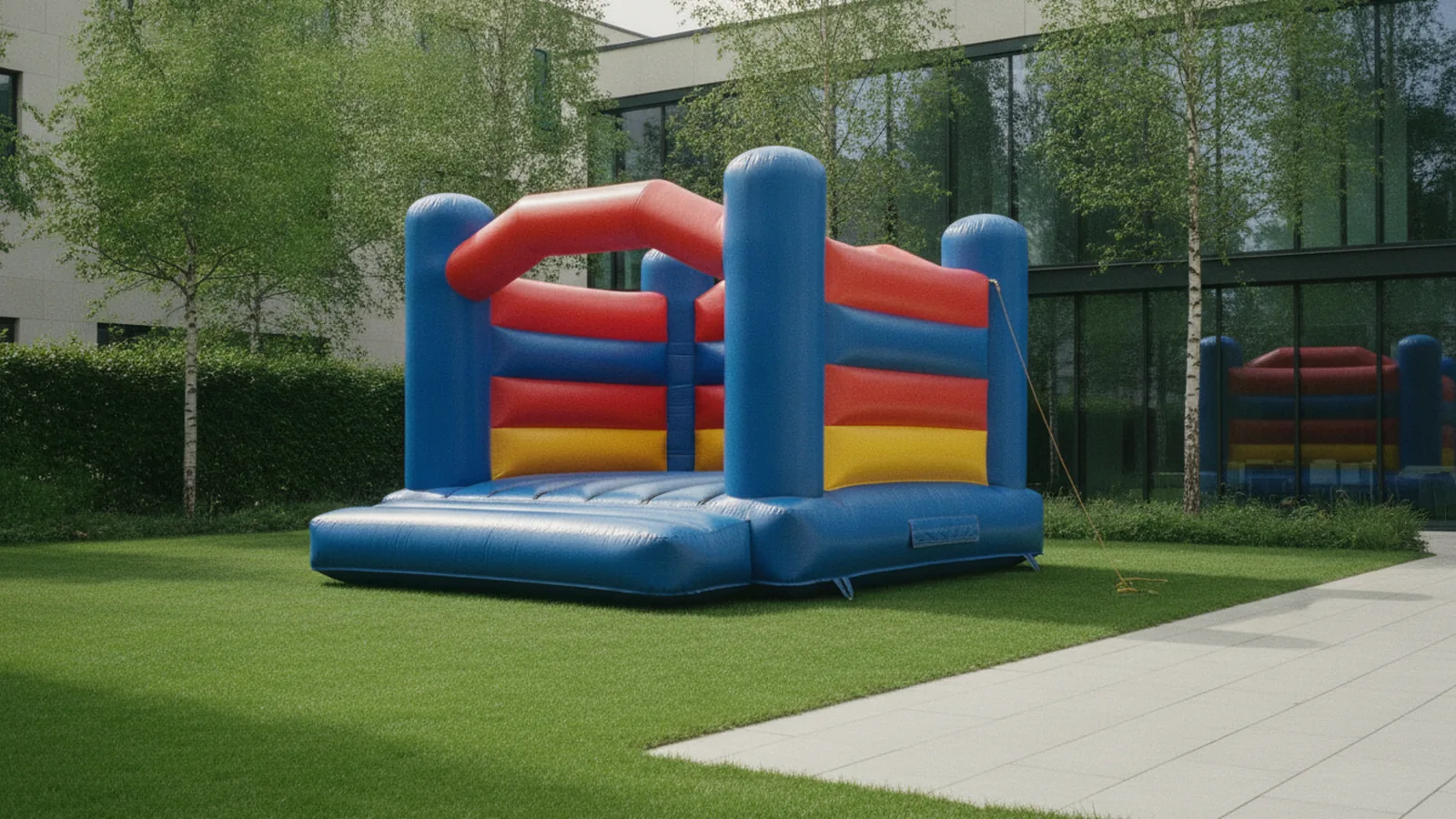
If you want how to start a bouncy castle business, focus on safe fun and smooth service. You sell a full experience, not just a bouncy castle. Fast setup and clear rules matter to parents and planners.
Start by picking who you serve. Most bookings come from birthday parties, school days, fairs, and community events. Some also want weekday slots for camps.
Choose one or two top groups first. Then build your offers around their needs. A tight focus helps your ads and your pricing.
Next, study the local inflatable rental market. See what sizes people ask for. Check what others charge and how fast they reply.
- Target buyers: birthdays, schools, fairs, and small venues
- Deliver value: quick setup, clean gear, simple safety rules
- Pick a niche: weekday camps, weekend parties, or community days
Legal requirements and permits for inflatable rentals
Starting a bouncy castle rental means you must meet local safety rules. Laws vary by city, county, and state or region. Check before you buy gear for public use.
Call your local licensing office and ask about permits for inflatables. Some areas need permits to operate. Others focus on on-site setup rules.
Also ask about any inspection needs. Some regions may ask for proof you follow safety steps. Keep records in a folder for quick answers.
Ask about rules for anchoring and safe use. You may also need guidance on power and fans. If a venue has extra rules, get them in writing.
- Set up your business name and tax setup as needed locally
- Ask your local office about permits for inflatable rentals
- Request any required papers for setups at customer sites
Then build a simple paper trail. Use a log for checks and repairs. That supports both good service and calm dispute handling.
Bouncy castle rental costs: a realistic startup budget
Most plans fail on bouncy castle rental costs that feel “small” at first. Then reality hits after your first season. You need funds for gear, insurance, and marketing.
Build your budget in three parts. Equipment and setup come first. Insurance and marketing follow. Operations finish the list.
Plan for wear and tear. Inflatables take stress from wind, heat, and travel. Add a repair kit and spare parts from day one.
Insurance is a must for most operators. You likely need coverage for claims and damage. Many seek business insurance for rentals that fits your work.
| Cost area | What to include | Why it matters |
|---|---|---|
| Gear | Inflatables, blowers, anchors, repair kit | Controls what you can safely rent |
| Coverage | Liability for accidents, property coverage for gear | Helps if a claim happens |
| Marketing | Website basics, photos, local ads, flyers | Brings first calls and bookings |
| Ops | Fuel, bags, cleaning tools, spare parts | Reduces delays between rentals |
Example budget for a first season can be tight. You might start with two castles and one slide option. Then add a third after you learn your peak weekends.
Keep cash for slow weeks too. A seasonal business needs breathing room. That keeps your plan steady when bookings drop.
Choosing the right bouncy castles and equipment
Your first inventory should match your buyers. Decide what types and sizes to offer for your area. Then buy equipment that can handle your schedule.
A smart first lineup often includes two sizes. A smaller castle fits tight yards. A larger one works well for parks and schools.
Look for demand shifts in the event planning world. Some customers want themes and slides. Others want classic bouncy fun with fewer extras.
However, too much variety can slow you down. More models means more cleaning and repairs. Start simple and scale based on repeat asks.
- Pick sizes that match your typical sites
- Choose themes only where local demand is clear
- Buy the right blower and anchor kit for each unit
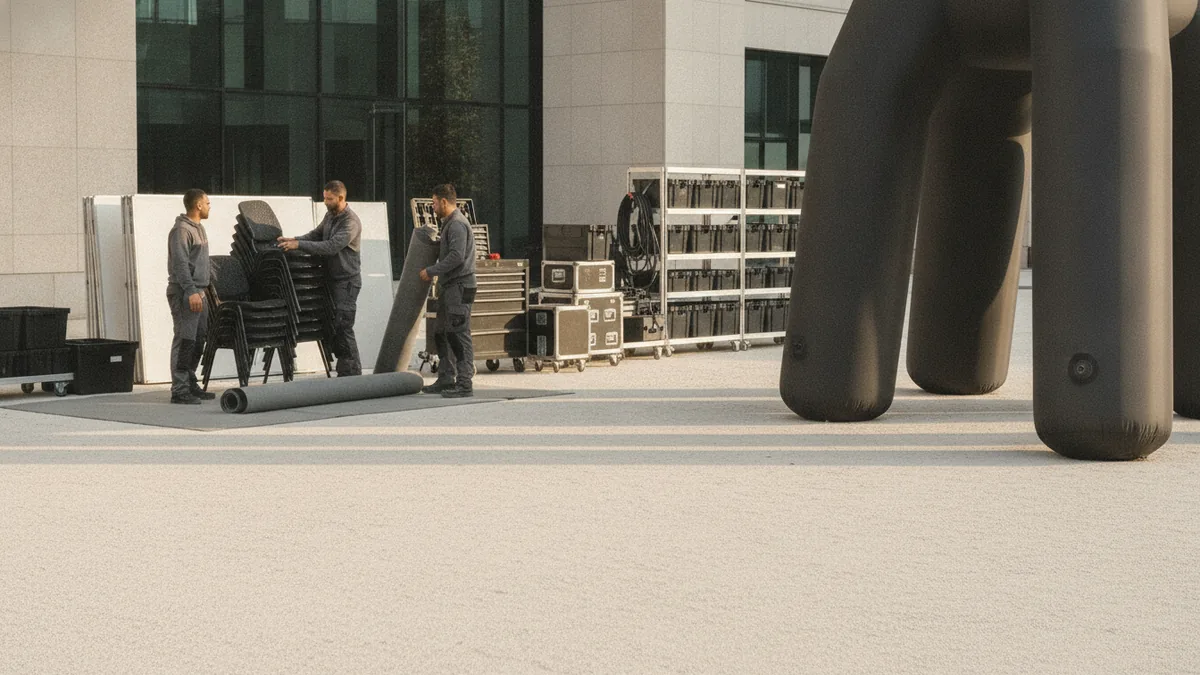
Set up and break down practice matters. Time your full routine at home. That helps you quote arrival times and reduce stress.
Make sure each unit has good parts support. Check seams, valves, and fabric strength often. If a fan fails, your whole day stops.
Marketing a bouncy castle business: channels that generate bookings
If you want marketing a bouncy castle business to work, sell trust and ease. People want proof that your gear is clean and safe. They also want clear pickup and setup rules.
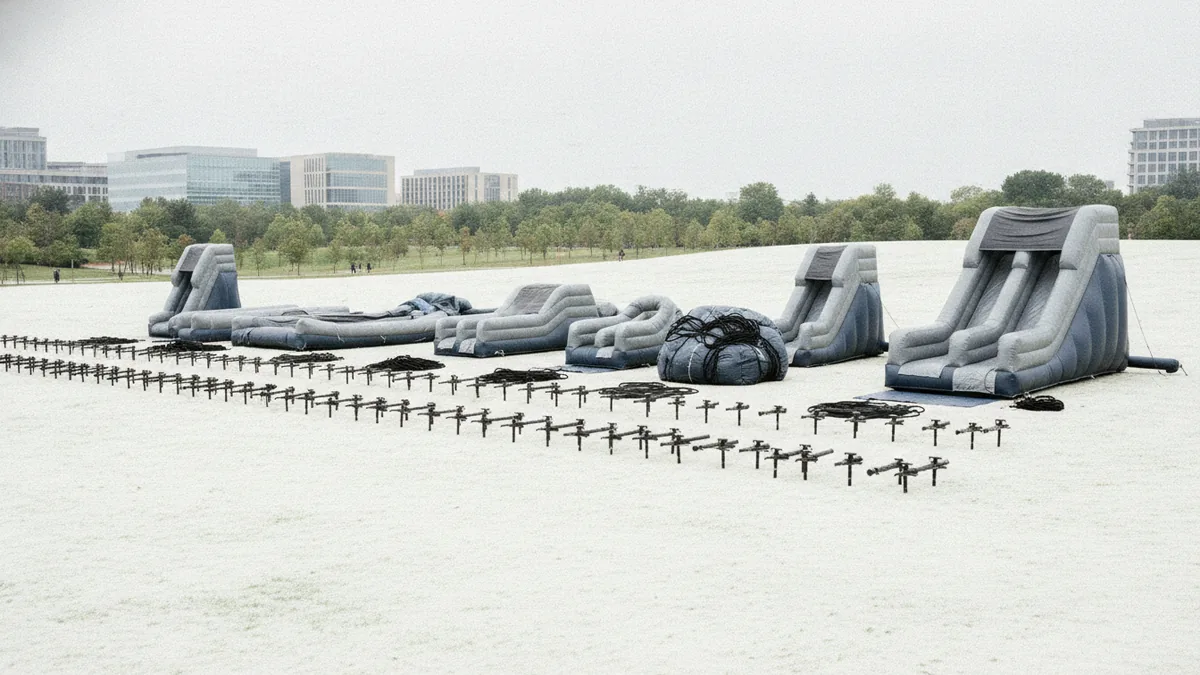
Use social media to show real setups. Post photos of the castle in a yard or event field. Show the open space around it and the finished look.
Keep replies fast. Set a rule to answer messages quickly during booking hours. Parents plan fast, especially in party season.
Partnerships can create steady leads. Work with party stores, school staff, and event planners. Offer a referral deal they can explain in one minute.
- Set up a simple site with pricing and rules
- Post weekly updates with clear pictures and setup tips
- Partner with local planners and party shops
- Ask for a review after every smooth rental
Plan for seasonal business operations. In many places, demand climbs in spring and summer. Booking windows open earlier than you expect.
Also track your best lead sources. Write down where each call came from. Then focus your time on channels that convert.
Tips for success and growth: safety, service, and steady operations
Great customer service in rentals can beat any ad. People remember on-time arrivals and clear communication. They also notice how tidy your setup looks.
Set rules before you arrive. Explain space needs, power limits, and weather cutoffs. This prevents confusion on site and reduces last-minute drops.
Build safety guidelines into your daily routine. Inspect fabric, seams, and valves before each job. Check anchors and test airflow before guests arrive.
Maintenance also protects your margins. Clean each unit after use. Let it dry fully before packing to prevent mildew.
- Do a full pre-use check every time
- Clean, dry, pack, and then test blower flow
- Use clear weather rules for bookings and refunds
Keep a simple repair log. Note what failed, when, and what fixed it. This helps you spot repeat weak spots.
Finally, review your bouncy castle business plan each season. Look at which sizes book fastest. Then adjust your lineup and pricing based on real data.
Frequently asked questions
- How do I start a bouncy castle business with no experience?
- Start by practicing setups and using a clear safety checklist. Then launch with one or two sizes that fit local demand.
- What permits do I need for inflatable rentals?
- Permits vary by location. Call your local licensing or building office and ask about rules for inflatable rentals.
- What are typical bouncy castle rental costs to start?
- Costs usually include inflatables, blowers, anchors, insurance, and marketing. Budget for cleaning tools and spare parts too.
- Do I need insurance for a bouncy castle rental business?
- Yes, most operators carry liability coverage for rental use. Many also add property coverage for their equipment and losses.
- How should I market my bouncy castle business locally?
- Use social media to show clean, real setups. Reply fast to messages, and build partnerships with local event planners.
- What safety checks should I do before each rental?
- Inspect the inflatable for wear, check the blower and airflow, and confirm anchors are ready. Follow written site rules for space and weather.
Related reading

Start a Mobile Drug Testing Business (Without a Lab)
Build a mobile testing service with sound training, lab links, and clear pricing.

Start a Business with a Problem Worth Solving
Turn a useful idea into a business with clear steps, sound research, and steady resolve.
Loft Conversion Timelines — What Affects the Build
Typical build times range from four to twelve weeks, plus planning and setup.