How to Start a Handmade Jewelry Business: Bench to Storefront
Learn how to start a handmade jewelry business with niche, materials, design, branding, and online sales steps.
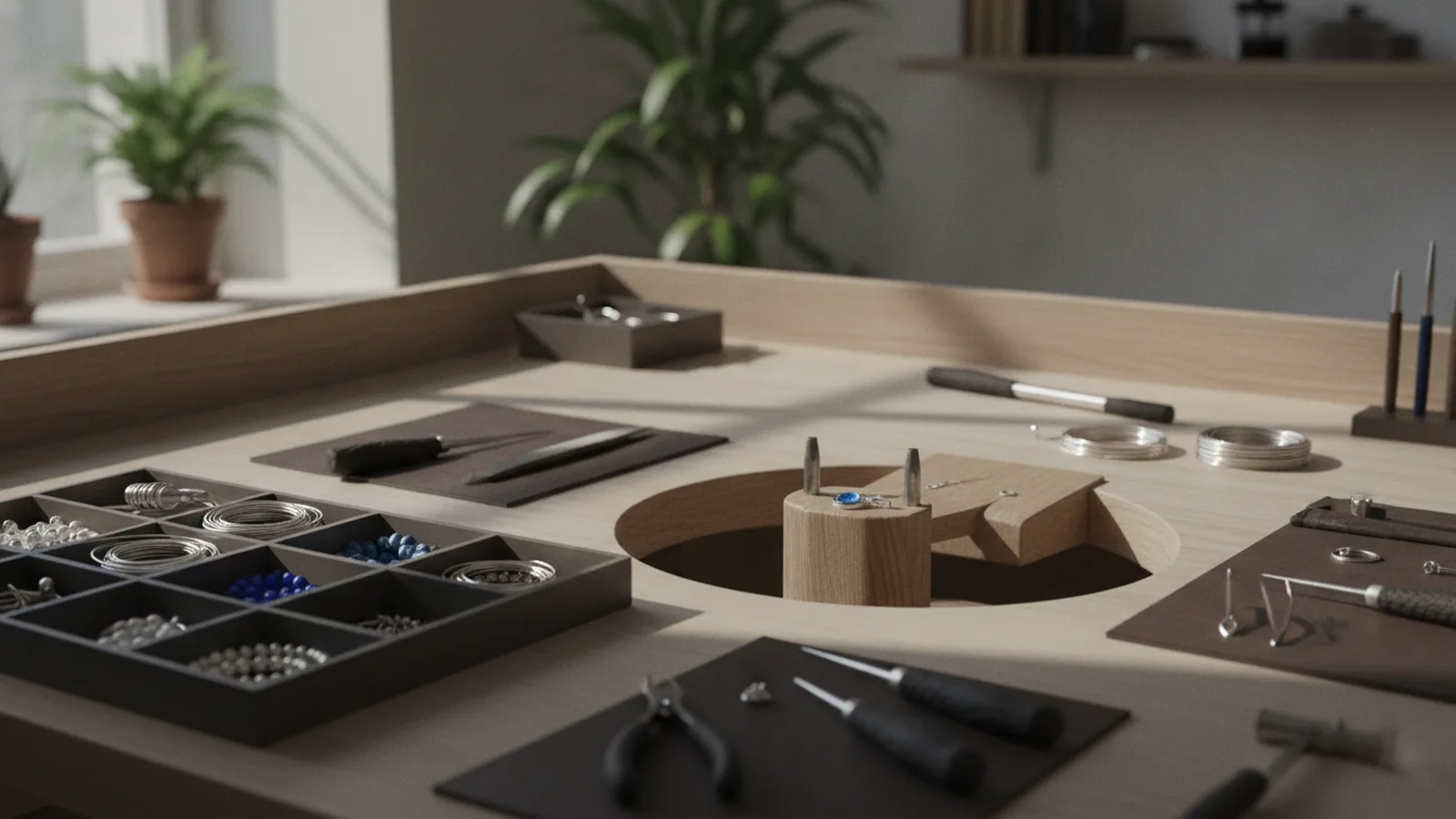
Understanding the jewelry market
The fastest way to succeed at handmade jewelry is to understand where demand is growing and why people buy. The global jewelry market is projected to keep expanding through the coming years, which means more shoppers are searching for pieces and styles. New brands also benefit because trends move quickly and customers often want something personal.
Still, “handmade” alone is not a positioning strategy. Shoppers compare you to mass-market options on price and to other makers on design. Your edge comes from taste, story, and a clear product promise, such as custom names, durable everyday wear, or eco-friendly materials.
When you think about demand, track three signals. First, what styles are popular on social feeds. Second, what materials customers ask for in reviews and messages. Third, what price points sell consistently in your target shops.
- Trend signal: repeat styles across many posts, not one viral spike
- Product signal: materials and finishes buyers mention often
- Price signal: listings with steady sales and healthy margins
Use these signals to shape your first collection. It is easier to grow once you know which pieces customers reorder or gift.
Finding your niche
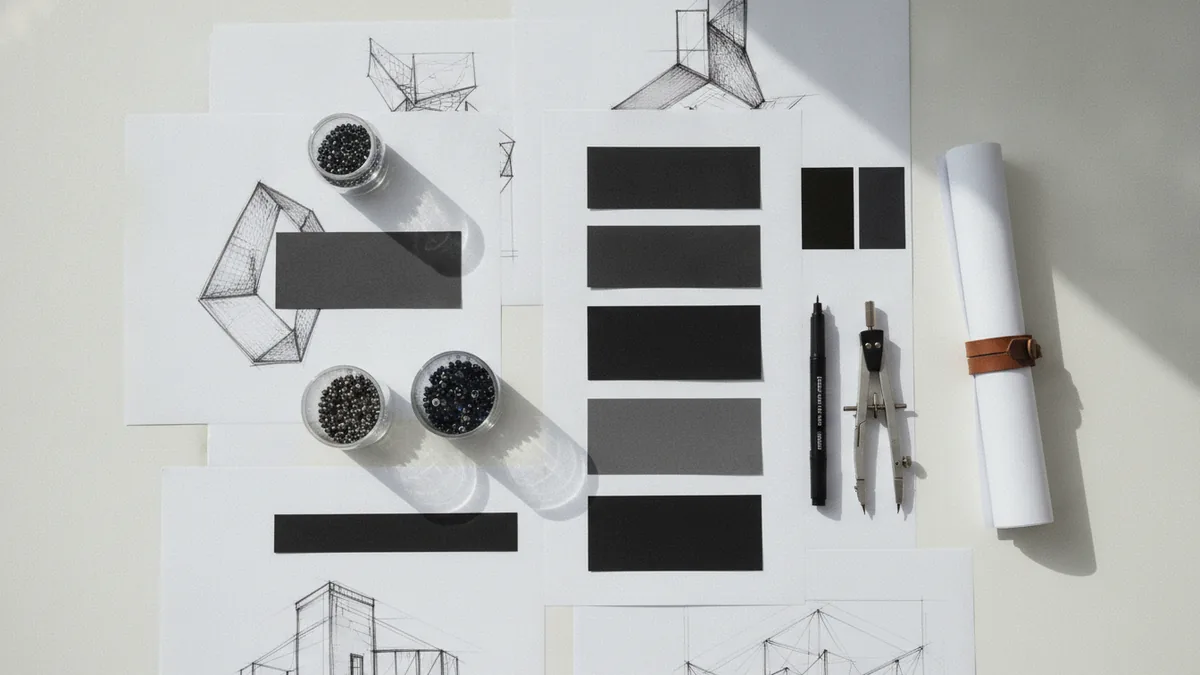
If you want to stand out, you need a niche market with a specific buyer mindset. For example, eco-friendly jewelry targets shoppers who care about sourcing, packaging, and long-term wear. Costume-style jewelry can win with bold colors and seasonal releases. Personalized jewelry stands out when you can deliver fast and consistent custom options.
A helpful test is to write a one-sentence “buyer promise.” It should sound like something a customer would repeat. Examples include “lightweight everyday earrings for sensitive ears” or “name bracelets that look like heirlooms.” This promise guides your materials, designs, and how you write product listings.
Start narrow enough that you can build depth. Then expand once you have a winning product. Your niche does not have to be forever, but it should be clear in your first handmade jewelry business plan.
- List 10 niches you would enjoy making for six months.
- Pick 3 you can serve well with your skills and materials.
- Validate demand by checking sold listings and saving posts.
- Choose one niche and design a small “starter lineup” for it.
Many makers begin with a theme like “boho” or “minimal,” then add a twist. The twist is what creates differentiation: a signature bead, a unique finish process, or a custom option you can deliver reliably.
Setting up your workspace
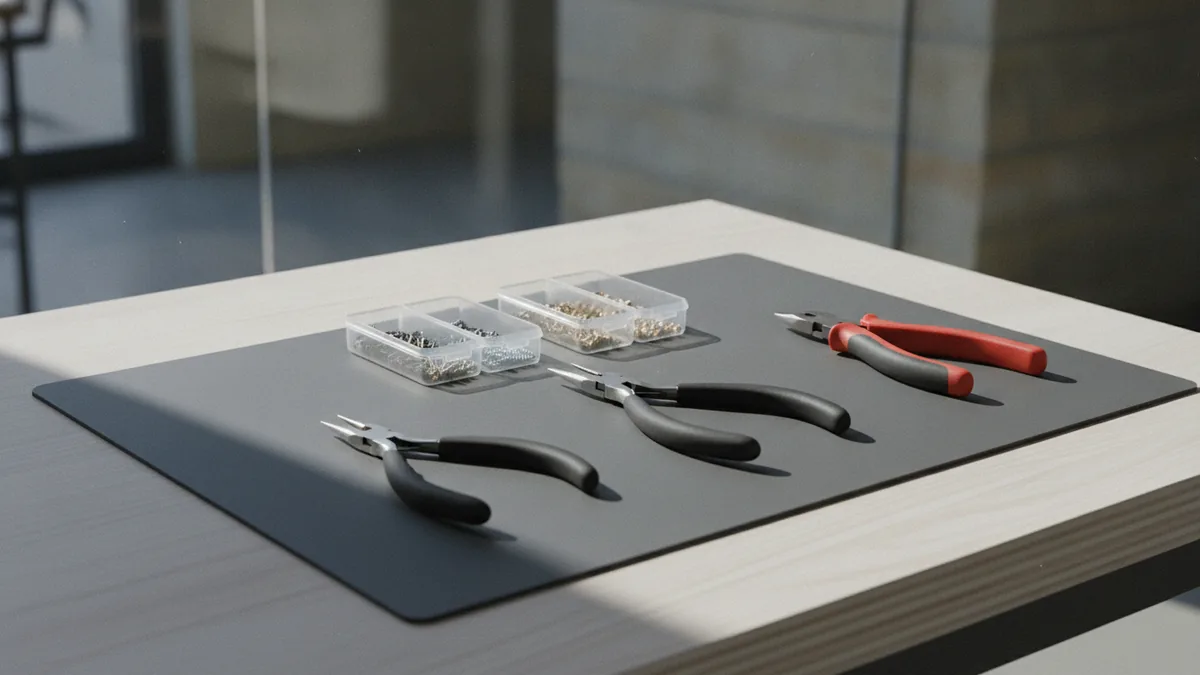
A productive workspace helps you work faster and make fewer mistakes. It also makes it easier to test ideas without clutter taking over your day. If you are starting small, dedicate one stable area for assembly and another for storage.
Essential tools depend on your jewelry type, but most beginners need reliable cutting and shaping. Pliers, wire cutters, and a sturdy workbench are the backbone for clean loops, straight bends, and repeatable results. A magnifier and good lighting are also worth the cost because small details affect how “finished” pieces look.
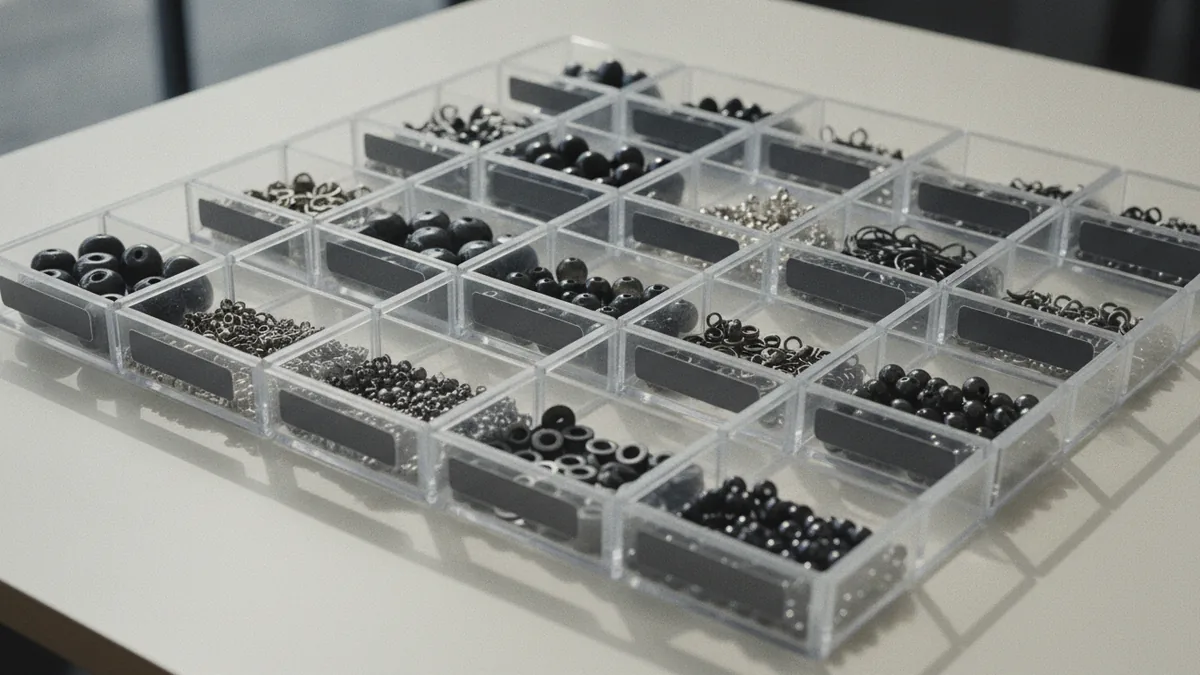
Think about workflow, not just tools. You should be able to go from sorting beads to assembling components without hunting for supplies. Labels and small containers reduce the time you spend searching.
| Area | What to set up | Why it matters |
|---|---|---|
| Work surface | Sturdy bench and a non-slip mat | Keeps small parts from sliding |
| Hand tools | Pliers, wire cutters, flat-nose tools | More control for loops and bends |
| Finishing | Files, polishing cloth, jeweler’s hammer (as needed) | Cleaner edges and consistent shine |
| Organization | Trays, labeled bins, bead organizers | Fewer mistakes during assembly |
Work in a clean, repeatable setup and you will get better faster. It also helps if you plan to batch-produce pieces for drops.
Sourcing quality materials
Materials make or break a handmade jewelry business. Customers may not know the chemistry behind a clasp, but they feel it when jewelry looks cheap or breaks after a few wears. Sourcing from reputable suppliers reduces returns and protects your reputation.
When you choose materials, think beyond “pretty.” You want strong components, consistent sizes, and finishes that hold up. For example, if you use jump rings, check gauge and coating quality. If you sell earrings, pay close attention to posts and backings.
Sustainable materials can be a meaningful advantage, especially for eco-conscious shoppers. You can choose options like recycled metals, responsibly sourced stones, or plant-based dyes for certain components. You do not need to be perfect, but you should be honest about what you use and why.
- Start with a supplier shortlist so reorder steps stay smooth
- Order small test quantities to check color, texture, and durability
- Standardize components like clasps and findings to reduce errors
- Plan for restocks so best-sellers do not sell out forever
Keep basic records in a spreadsheet. Track supplier names, item codes, and the per-piece cost. This makes your pricing easier later and helps with margin control.
Designing your jewelry collections
Design is a process, not a one-time burst of creativity. A solid workflow lets you move from idea to prototype to finished product without losing your style. Most successful makers sketch concepts first, then test proportions and comfort before scaling up.
Begin with sketching to explore shapes, layouts, and color combinations. Then build prototypes using your real components, not placeholders. This is where you learn what is lightweight, what pinches, and what looks unbalanced under normal lighting.
Many makers also use design software to organize ideas and plan variations. It can help you create “collection boards” and track which finishes and lengths belong together. Even simple tools can speed up decision-making when you are expanding your line.
- Sketch 15–25 concepts based on your niche and buyer promise.
- Prototype your top 5 with the exact materials you plan to sell.
- Test wear comfort for earrings, bracelets, and necklaces.
- Refine details like clasp placement and chain length.
- Create a collection set with matching colors and consistent sizing.
To keep customers coming back, plan variety inside a consistent style. Offer different lengths, charms, or metal finishes while keeping a signature look. That consistency helps shoppers recognize your work instantly.
Establishing your brand identity
Brand identity is how customers remember you when they scroll past other listings. It includes your logo, your color choices, your photography mood, and the way you describe benefits. Clear messaging matters just as much as a nice logo.
Start with a simple brand foundation. Decide what you stand for, who you serve, and what makes your pieces different. Then translate that into branding elements like recurring design motifs, packaging style, and a consistent tone of voice in product descriptions.
Write a short brand message you can reuse. It should explain what you make, who it is for, and how it solves a problem or matches a lifestyle. This messaging becomes the backbone of your marketing strategy.
- Logo and style guide: pick fonts and colors you will use everywhere
- Signature design elements: a recognizable charm, finish, or pattern
- Clear product benefits: comfort, durability, personalization, or lightweight wear
- Consistent packaging: branded inserts or simple eco packaging
Do not try to appeal to everyone. A clear identity attracts the right buyers and reduces “unclear listing” messages.
Building an online presence and marketing
For many makers, the simplest way to start selling is to use e-commerce platforms like Etsy or Shopify. Etsy is great for reaching shoppers who already search for handmade items. Shopify gives you more control over your storefront once you have traffic.
Marketing strategy is also about customer engagement. Reply quickly to questions, ask for feedback after delivery, and encourage buyers to share photos. People trust what other customers show, so create small moments that make it easy for them to post.
Social media can drive discovery, but your product pages still do the sales work. Build listings with clear photos, accurate sizes, and helpful details like clasp types and care tips. If you sell personalized jewelry, show example variations so customers can imagine the final piece.
| Channel | Best use | Starter action |
|---|---|---|
| E-commerce platform | Sales and search intent | Launch 10–20 listings with consistent categories |
| Social media | Awareness and engagement | Post making-in-progress and finished wear shots |
| Email or messages | Repeat customers | Send a small drop preview to early buyers |
If you are learning how to start your own handmade jewelry business, track one metric per channel. On Etsy, watch views to sales conversion. On social, watch saves and profile visits. Adjust your photos and titles when numbers stall.
Finally, keep your product pipeline active. Small, frequent drops usually outperform random “big releases” because you stay visible. The goal is not constant novelty, but steady reinforcement of your niche and brand identity.
Frequently asked questions
- How do I start a handmade jewelry business with no experience?
- Start small with one niche and a limited starter lineup. Prototype your best designs, then test sales on one platform before scaling. Focus on clean photos, accurate sizes, and durable components.
- What should be included in a handmade jewelry business plan?
- Include your niche promise, target customer, pricing approach, material costs, and a collection schedule. Add sales channels, a simple marketing strategy, and how you will handle reorders and returns.
- Where can I source quality materials for handmade jewelry?
- Use reputable suppliers with consistent component quality and reliable shipping. Order small batches for testing, then standardize repeatable items like clasps and jump rings.
- How do I price handmade jewelry without undercharging?
- Calculate per-piece material cost, then add labor time and packaging costs. Include fees from your sales channel and build in a margin for reorders and mistakes.
- Which platform is better for starting a handmade jewelry business, Etsy or Shopify?
- Etsy is often faster for initial discovery because shoppers search for handmade items. Shopify works well once you have traffic, because it gives more control over your storefront and branding.
- What are the best handmade jewelry business tips for marketing?
- Use social media for discovery and engagement, then drive buyers to detailed product pages. Respond quickly to questions, share wear photos, and encourage customer posts after delivery.
Related reading

Start a Mobile Drug Testing Business (Without a Lab)
Build a mobile testing service with sound training, lab links, and clear pricing.

Start a Business with a Problem Worth Solving
Turn a useful idea into a business with clear steps, sound research, and steady resolve.

Loft Conversion Timelines — What Affects the Build
Typical build times range from four to twelve weeks, plus planning and setup.