How to Start a Hunting Business and Build a Safe Operation
Build a legal, safe, and profitable hunting business from the ground up.

What It Takes to Start a Hunting Business
To start a hunting business, choose a clear service, check local rules, and build a safe operating plan. Most owners begin as guides, outfitters, or ranch operators. Each model needs different land access, permits, gear, and staff.
Start with one region and one core offer. For example, you might lead whitetail hunts, run a hog hunting business, or provide guided upland trips. A narrow offer makes pricing, marketing, and planning much easier.
Write a simple plan before buying equipment. Set out your target clients, hunting seasons, trip length, price, costs, and expected booking rate. Test the plan with local hunters, landowners, and a licensed legal adviser.
- Choose one main game type and service area
- Confirm land access and season dates
- List every permit, license, and insurance need
- Set prices from real costs, not guesswork
- Create a safety plan for every trip type
Choose the Right Hunting Business Model
A hunting guide leads clients in the field and shares local skill. Guides may supply advice, transport, meals, or basic gear. Many begin with low overhead by using leased land and rented lodging.
An outfitter offers a wider service. An outfitter may arrange access, lodging, meals, transport, gear, and guides. Learning how to start an outfitter business means managing more vendors, staff, and client needs.
A hunting ranch owns or manages land for private hunts. Ranch income may come from hunt fees, lodging, land leases, livestock, or conservation work. This model needs more cash, but it can offer greater control.
Match the model to your assets. A guide needs skill and trust. An outfitter needs systems and strong local ties. A ranch owner needs land, habitat plans, and enough cash for slow seasons.
For a new owner, the guide model often offers the simplest entry. You can add lodging, gear rental, or full outfitting services later.

Licenses, Permits, and Hunting Rules
Rules vary by state, county, species, and land type. Contact the state wildlife agency before taking any payment. Ask about guide licenses, outfitter permits, business registration, land access, and season rules.
You may need a hunting license, guide license, commercial use permit, transport permit, or special species permit. Some states also require a bond, first aid proof, background check, or guide exam. Rules can change each season.
Check local rules for lodging, food service, boats, vehicles, firearms, and public land. County health rules may apply if you serve meals. Land managers may require a separate permit for paid trips.
The U.S. Fish and Wildlife Service hunting guidance gives useful federal context. Still, your state agency remains the key source for local rules.
Keep copies of every permit in one digital folder. Track renewal dates in a calendar. Never assume a client’s personal license covers your commercial activity.
Build a compliance checklist
- State business registration
- Guide or outfitter license
- Species and season permits
- Landowner or public land agreement
- Commercial insurance documents
- First aid and emergency training
- Written waiver and client rules
Skills That Help Owners Succeed
Strong field skills matter, but they are not enough. A good owner must lead, teach, plan, and solve problems under pressure. Clients pay for a safe and well-run experience.
Communication is central to client management. Explain plans in plain language before each hunt. Ask about fitness, experience, food needs, and comfort with firearms. Confirm the plan again the night before departure.
Leadership also shapes staff conduct. Set clear rules for alcohol, firearms, vehicles, wildlife care, and client privacy. Review these rules with every guide before the season starts.
Useful business skills include cash tracking, sales, scheduling, and conflict handling. A first aid course can help you respond with calm action. Navigation and weather awareness also reduce field risk.
| Skill | Business value |
|---|---|
| Field knowledge | Improves hunt quality and animal care |
| Clear communication | Builds trust and reduces mistakes |
| Leadership | Sets safe standards for guides |
| Bookkeeping | Shows which trips make money |
Marketing a Hunting Service
Hunting marketing works best when it shows proof and local knowledge. Build a simple site with your service area, seasons, prices, rules, and booking process. Use clear photos of land, camps, gear, and habitat.
Ask past clients for honest reviews after each trip. Get permission before sharing names or hunt results. Reviews can answer key concerns about safety, comfort, game quality, and guide skill.
Use search terms that match your service. A guide might target “guided deer hunts in Texas.” An outfitter might target “full service elk hunting trips.” A hog business can target nearby searches for private hog hunts.
Build ties with archery shops, sporting goods stores, lodges, and local clubs. Offer useful talks about season planning or field safety. These links can bring steady referrals without large ad costs.
Keep your marketing honest. Do not promise a harvest or hide added costs. Show the real trip, including weather limits and physical demands.
Startup Costs and Income Sources
Startup costs depend on your model and land access. A guide may spend $5,000 to $20,000 on gear, insurance, transport, branding, and deposits. A full outfitter may need $30,000 to $100,000 or more.
Land leases, vehicles, lodging, radios, coolers, firearms, optics, and first aid kits can raise costs fast. Insurance may include general liability, vehicle cover, and protection for rented land. Get quotes before setting prices.
Income can come from daily hunts, multi-day packages, lodging, meals, gear rental, transport, and training. Off-season work may include habitat checks, land surveys, or outdoor skills courses.
Use a cash plan that covers slow months. The Small Business Administration startup cost guide offers a sound way to sort one-time and monthly costs.
Set a break-even target. If fixed costs total $24,000 and each hunt earns $800 after direct costs, you need 30 hunts to cover them. Add a cash reserve for repairs, refunds, and poor weather.
Safe and Smooth Day-to-Day Operations
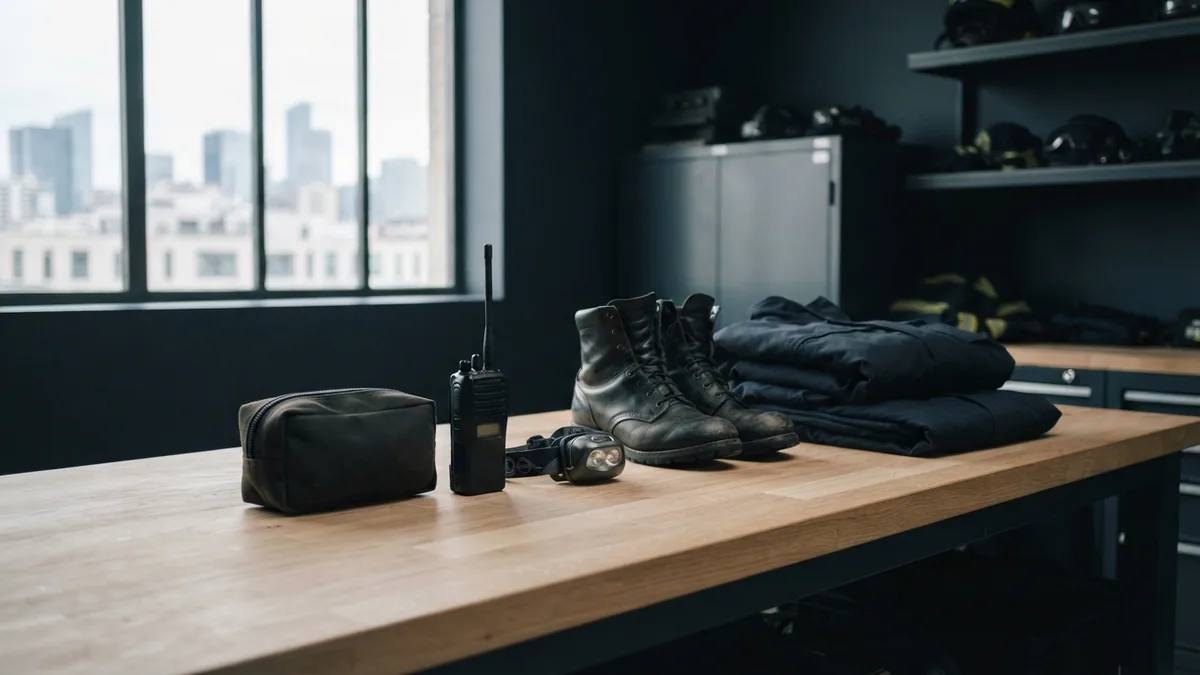
Safety must guide every booking decision. Inspect firearms, vehicles, tree stands, boats, and camp gear before use. Set rules for muzzle control, loaded weapons, alcohol, and target checks.
Use a written trip plan. Record the route, client names, vehicle details, check-in time, weather risk, and emergency contact. Share the plan with a trusted person who stays off-site.
Screen clients before the hunt. Ask about age, fitness, medical limits, shooting skill, and past field experience. Adjust the route, pace, and gear when needed.
Give every client a short safety talk before the trip starts. Keep first aid gear, water, spare batteries, maps, and a charged phone or radio close at hand. Know the nearest hospital and access road.
Good service also means clear engagement. Set meeting times, reply fast, and explain delays. After each hunt, ask what worked and what needs change.
Run each trip with a repeatable process
- Confirm the permit, land access, weather, and client details.
- Inspect transport, firearms, optics, first aid gear, and food.
- Give the safety talk and review the day’s route.
- Check in at set times during the hunt.
- Record harvest details and follow wildlife rules.
- Close the trip with payment, feedback, and gear checks.
Plan for Growth Without Losing Control
Start small enough to serve each client well. A full calendar can harm your name if staff, gear, or land cannot support it. Grow only after your basic process works for a full season.
Track booking source, trip cost, profit, repeat rate, and review score. These numbers show which services deserve more time. Drop offers that fill dates but lose money.
When you hire guides, use written agreements and clear pay rules. Train them on safety, client care, wildlife law, and record keeping. Review their work after each season.
A strong hunting business protects land, wildlife, clients, and its own reputation. That balance supports repeat bookings and long-term access.
Step-by-step
- 01 Choose your hunting service
Pick one region, game type, and core offer. Decide whether you will guide, outfit, or run a ranch.
- 02 Check rules and permits
Contact state and local agencies about licenses, permits, land access, insurance, and season rules.
- 03 Build the operating plan
Set prices, map trip routes, buy key gear, and write safety and emergency procedures.
- 04 Create your booking system
Set up a website, waiver, payment process, client screening form, and calendar.
- 05 Launch and improve
Run a small number of trips, collect feedback, track profit, and refine the service before expanding.
Frequently asked questions
- How do I start a hunting business?
- Choose a service, confirm land access, check all rules, buy insurance, and set a clear price. Start with one region and one main hunt type.
- How do I start a hunting guide business?
- Gain field and safety skills, secure guide permits, build landowner ties, and create a simple booking process. Begin with a small number of trips.
- How do I start an outfitter business?
- Plan a wider service that may include guides, lodging, meals, transport, and gear. You will need strong systems, more insurance, and more working cash.
- What licenses does a hunting business need?
- Needs vary by state, county, species, and land type. You may need a business license, guide or outfitter permit, species permit, and land access agreement.
- How much does it cost to start a hunting business?
- A small guide service may cost $5,000 to $20,000. A full outfitting operation may cost $30,000 to $100,000 or more.
- How can a hunting business attract clients?
- Use a clear website, local search terms, client reviews, referral partners, and honest trip details. Photos of land and gear can build trust.
Related reading

Loft Conversion Timelines — What Affects the Build
Typical build times range from four to twelve weeks, plus planning and setup.

Get a Small Business Tax ID (EIN and State Rules)
Get an EIN from the IRS for free, then check your state’s tax ID rules.

Business Management Courses — Skills, Degrees and Careers
Explore the subjects, skills, degrees, and career paths in business management.