How to Start a Massage Business From the Ground Up
Plan, license, equip, and market your massage business with less risk.
What It Takes to Start a Massage Business
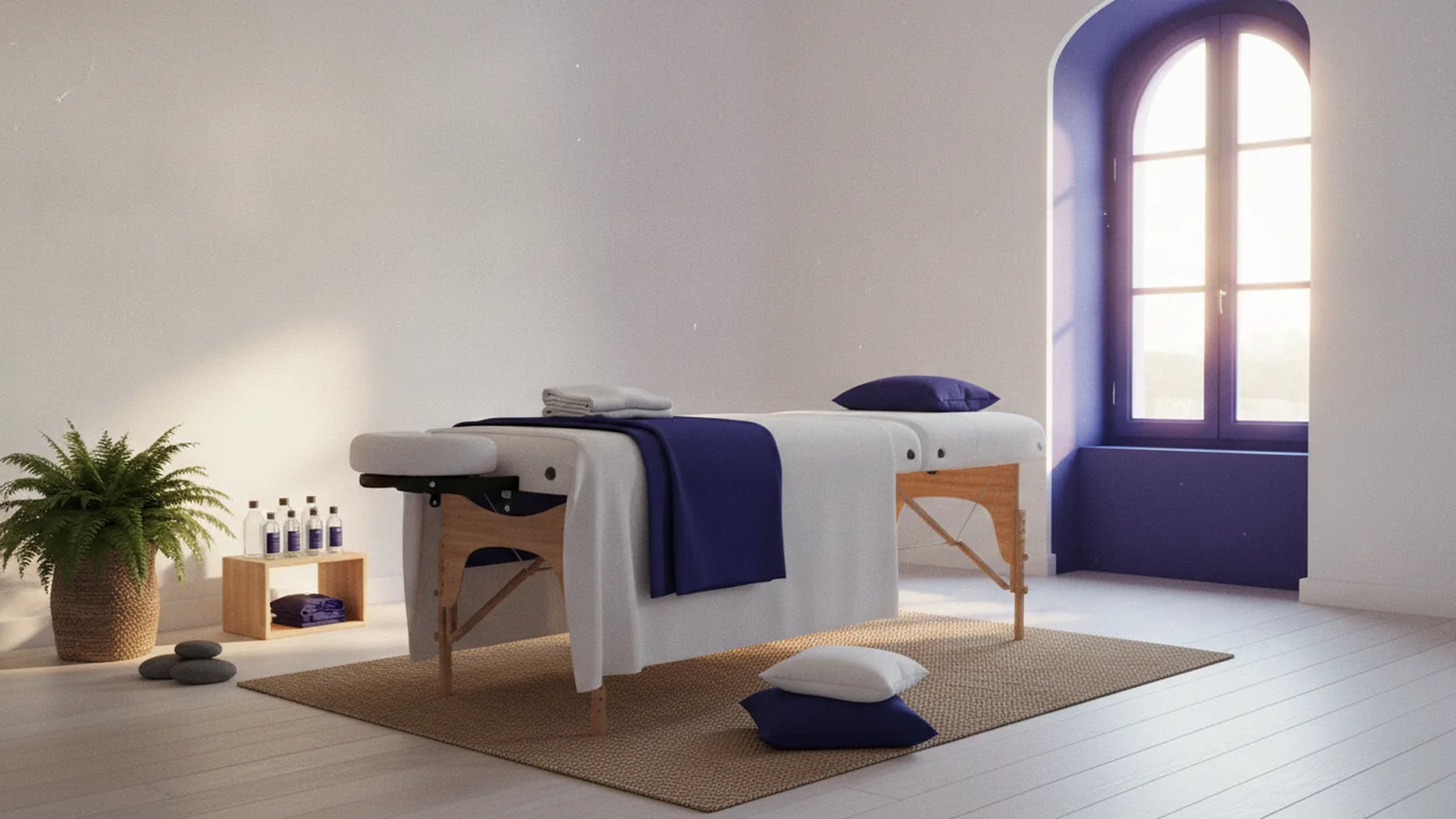
To start a massage business, first confirm local rules, earn the needed credentials, and plan your costs. Then choose a service model, secure insurance, and build a steady flow of clients. Your first goal is not a large studio. It is a safe service with clear pricing and repeat bookings.
Massage businesses can take several forms. You might work from home, travel to clients, rent a room, or open a full spa. Each model has different costs, risks, and growth limits. A small chair massage service may need less cash than a full massage parlor business.
Start with one clear offer. For example, you could provide 60-minute sessions for office workers within a five-mile area. A focused offer makes pricing, promotion, and scheduling much easier.
Earn the Right Qualifications
Massage therapy rules vary by state, county, and city. Some areas require training hours, a state license, an exam, or a local permit. Others set rules for room size, sanitation, or client records. Check your state board and city offices before taking clients.
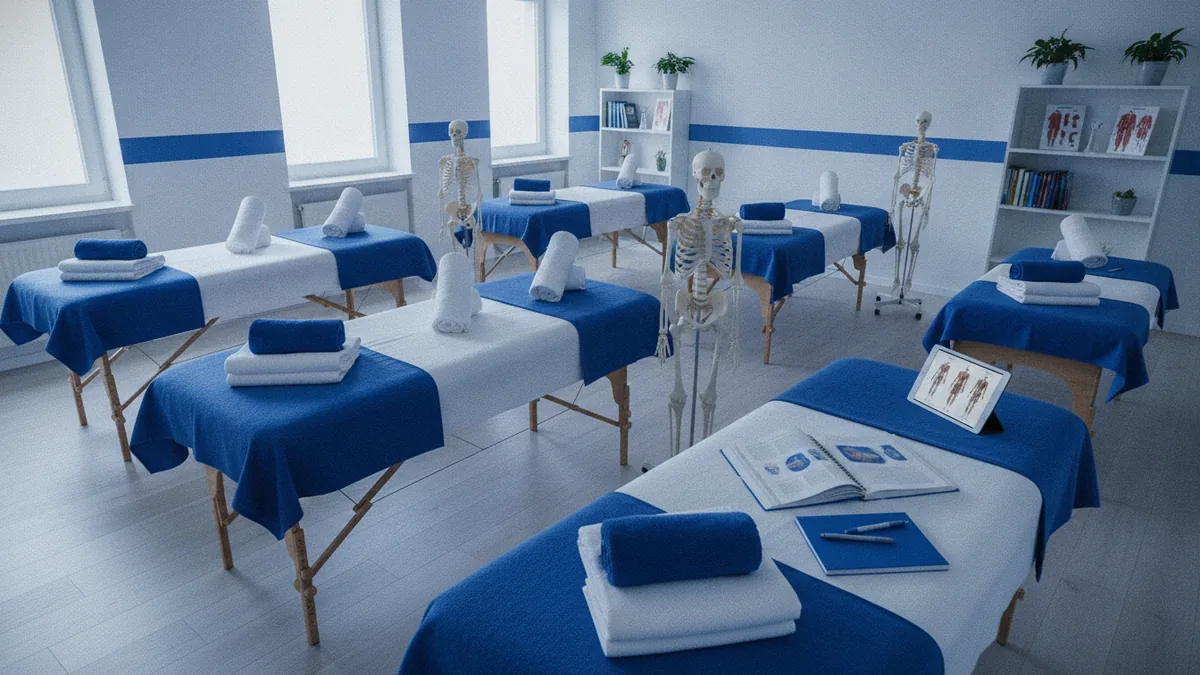
Look for a respected school with a clear course plan. Training often covers anatomy, safety, ethics, and hands-on methods. Ask how many hours the course provides. Also ask which exam or license the course supports.
Keep every record in one place. Save your course proof, exam results, license dates, and renewal notices. You may also need first aid training. Rules can change, so check official sources each year.
The U.S. Small Business Administration launch guide offers a sound starting point for permits and business setup. It is a government source with broad guidance for new owners.
Build a Business Plan That Guides Decisions
A business plan turns a good idea into a working model. Set goals for the first year, such as 15 paid sessions each week. List your target clients, service area, prices, and likely costs. Add a simple sales forecast for each month.
Study nearby providers before you set prices. Note their session length, rates, reviews, booking process, and service range. Look for gaps. A gap might be evening appointments, mobile visits, or short chair sessions for local firms.
Plan your break-even point. Add monthly rent, software, insurance, supplies, phone service, and taxes. Then divide that total by your average profit per session. This shows how many sessions you need each month.
Keep some cash for slow months. A new practice may need three to six months to build repeat demand. Review your plan every quarter. Change prices or hours when real booking data shows a better path.

Handle Licenses, Taxes, and Insurance
Choose a legal structure that fits your risk and tax needs. Many solo owners start as sole proprietors. Others choose a limited liability company. Ask a local tax expert about your choice.
You will likely need a business license and a tax account. Your city may also require a home occupation permit. Check zoning rules before working from home. A landlord may need to approve client visits as well.
Liability insurance is vital for legal and safe operation. It can help cover claims tied to injury, property damage, or treatment errors. Ask if the policy covers mobile work, rented rooms, and all staff.
Use written intake forms and consent forms. Store client data with care. Set clear rules for late arrivals, refunds, cancellations, and health concerns. These steps protect clients and reduce disputes.
Pick the Best Location and Work Model
A home-based practice keeps rent low and gives you control. It may suit private sessions with a small client list. Yet home visits can raise privacy, access, parking, and zoning concerns. Keep business areas separate from family space.
A mobile practice removes rent for a treatment room. It can serve homes, hotels, gyms, and offices. Travel time can cut your daily income. Set a travel fee and group nearby bookings into the same route.
A rented room or storefront gives clients a clear place to visit. It may also support better branding and longer hours. Rent, repairs, utilities, and build-out costs can strain cash. Test demand before signing a long lease.
For a corporate chair massage business, focus on offices, events, and wellness days. Chair work needs less space and shorter sessions. For a foot massage business, confirm local rules for the exact services offered. Do not assume one license covers every treatment.

Buy Equipment That Supports Safe Work
Begin with a strong, adjustable massage table or chair. Choose gear that suits your height and client type. Check the weight rating, padding, fold system, and warranty before you buy.
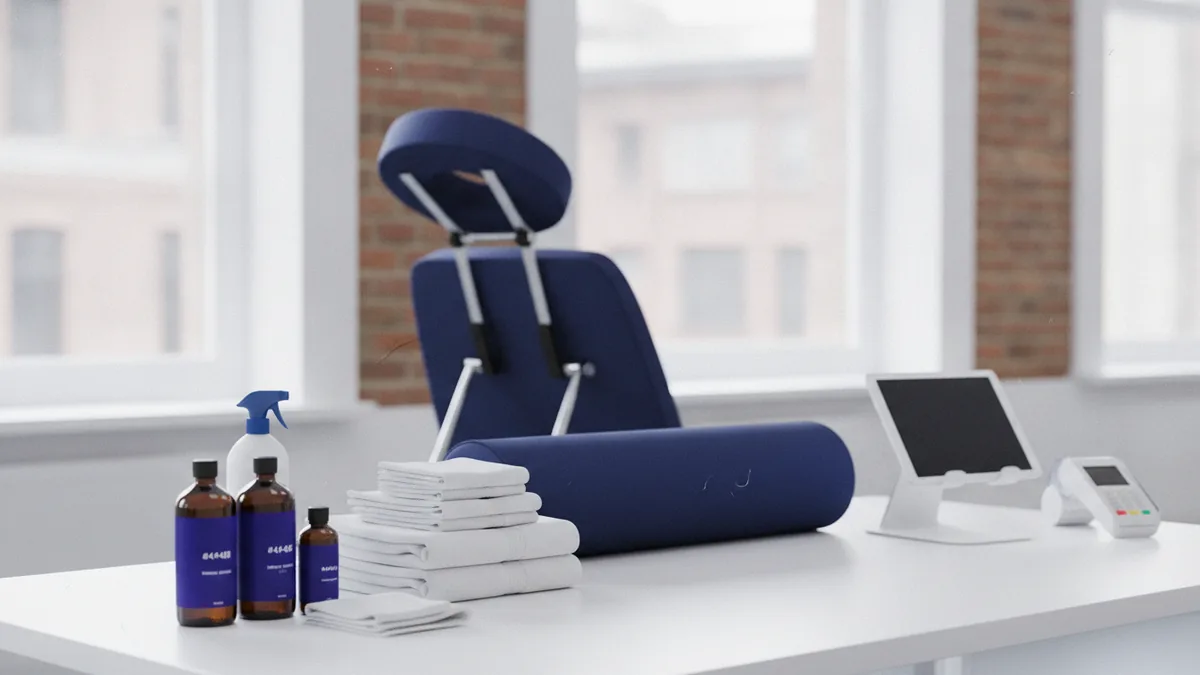
Stock clean linens, face cradle covers, bolsters, oils, lotion, hand cleaner, and waste bags. Keep spare sheets ready for busy days. Use sealed storage bins for clean items and a separate bin for used linens.
You also need a phone, card reader, booking tool, and basic accounting system. Pick software that sends reminders and tracks payments. A simple setup can reduce missed visits and cut admin time.
- Adjustable table or massage chair
- Fresh sheets, towels, and face covers
- Oils, lotion, bolsters, and cleaning supplies
- Payment reader and booking software
- First aid kit and secure record storage
Buy less at first, then add gear based on demand. Do not buy costly spa features before your core service earns steady sales.
Market the Service and Win Repeat Clients
Create a simple website before your launch. Show your services, prices, service area, hours, booking link, and contact details. Add a clear note about your license and training when allowed by local rules.
Use social media to share useful tips, open slots, and local offers. Keep posts focused on your work. Never share client details without written permission. Ask happy clients for honest reviews on trusted platforms.
Build local ties with gyms, salons, hotels, sports clubs, and office managers. Offer a short trial event for a local firm. Bring a clear rate sheet and a simple booking plan.
A loyalty plan can raise repeat bookings. For example, give a small credit after five paid visits. You can also offer a referral reward that follows local rules. Track each source so you know which marketing brings paying clients.
If you wonder how to start a chair massage business, sell a clear event package. Set a minimum booking time, travel zone, and rate per hour. If you plan a massage spa business, add room design and staff costs to your plan. Grow only after your first service has stable demand.
A Practical Launch Checklist
Set a launch date only after your core systems work. Run test bookings with friends or trusted clients. Check the intake form, payment flow, room setup, reminder message, and cleanup time.
- Confirm state and city rules.
- Finish training and required exams.
- Write the business plan and budget.
- Buy licenses and insurance.
- Set up the space, tools, and booking system.
- Launch the website and local outreach.
- Review bookings, costs, and client feedback each month.
Starting small can lower risk. A clear offer, safe practice, and steady follow-up matter more than a large opening day. Use your first 90 days to learn which clients, services, and channels drive repeat sales.
Step-by-step
- 01 Check local rules
Contact your state board and city offices. Confirm training, exams, licenses, permits, zoning, and sanitation rules.
- 02 Create the business plan
Set your target client, services, prices, costs, sales goals, and break-even point. Study nearby providers before you set rates.
- 03 Choose the work model
Pick a home, mobile, rented-room, or storefront model. Compare rent, travel, privacy, access, and growth limits.
- 04 Get protection and permits
Register the business, obtain required licenses, and buy liability insurance. Use intake, consent, and cancellation forms.
- 05 Set up tools and space
Buy safe treatment gear, clean linens, oils, payment tools, and booking software. Test the full client journey before launch.
- 06 Market and measure
Launch your website and local outreach. Track bookings, costs, reviews, and repeat visits each month.
Frequently asked questions
- What license do I need to start a massage business?
- Massage rules vary by state and city. Check your state board, city license office, zoning office, and health department before opening.
- Do I need liability insurance for a massage business?
- Yes, most owners need liability insurance. Ask for cover that includes treatment claims, mobile work, rented rooms, and staff.
- What is the best location for a massage business?
- You can work from home, travel to clients, rent a room, or open a storefront. Compare rent, travel time, privacy, zoning, and growth needs.
- What equipment do I need to start a massage business?
- Start with a massage table or chair, clean linens, oils or lotion, bolsters, cleaning supplies, payment tools, and booking software.
- How do I get clients for a new massage business?
- Build a website, use local social media, seek reviews, and network with gyms, salons, hotels, and office managers. Add a loyalty or referral plan.
- How does a chair massage business work?
- A chair massage business serves short sessions at offices and events. It can cost less to start because it needs less space and gear.
Related reading

Business Applications — The Software Behind Daily Work
See how business apps support daily work, team goals, and better decisions.

Consulting Jobs — Roles, Skills, and How to Get Started
See what consultants do, which skills matter, and how to enter the field.

Build Stronger Business Relationships Through Networking
Make business networking more useful, natural, and lasting.