How to Start a Packers and Movers Business That Lasts
Plan, license, market, and grow a profitable moving business.
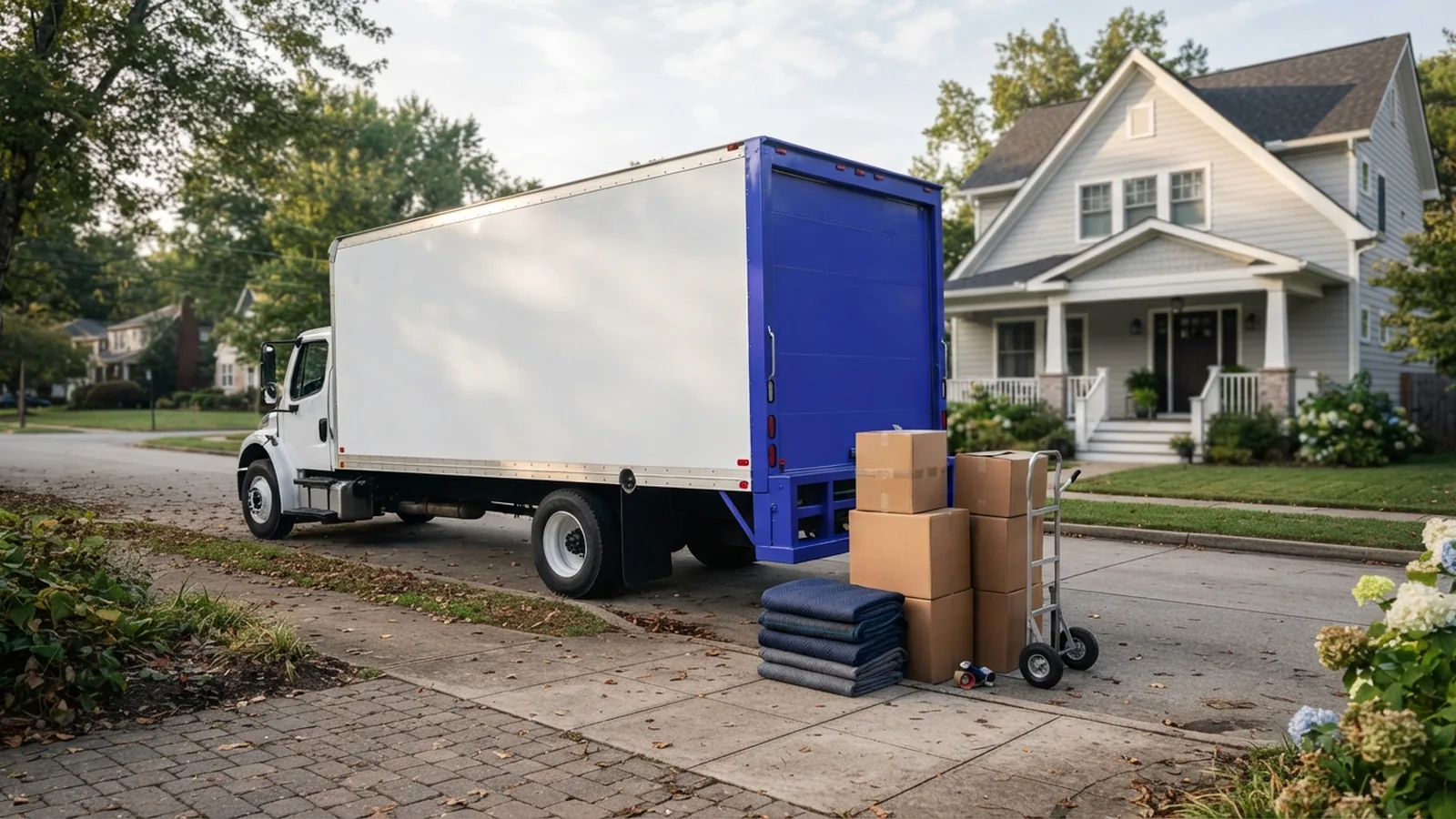
Understand the Moving Industry Before You Start
To learn how to start a packers and movers business, begin with your local market. Study demand, rival firms, travel times, and common move sizes. Many households and firms relocate each year. They need help with packing, lifting, transport, storage, or all four tasks.
Starting a moving company can need less cash than many transport firms. You may begin with one van, basic gear, and a small crew. Still, careful planning matters. Fuel, wages, repairs, claims, permits, and insurance can drain cash fast.
Choose a clear service focus. Residential moves often involve apartments, houses, and local jobs. Commercial moves may involve offices, shops, records, and weekend work. Home moves need care with fragile goods. Business moves need speed, planning, and low downtime.
- Track local move prices and peak seasons.
- List firms that serve homes, offices, or both.
- Ask agents, landlords, and firms about common service gaps.
- Pick a launch area that keeps drive times low.

Build a Practical Moving Company Business Plan
Your moving company business plan should turn your idea into clear numbers. Set a target market, service list, launch budget, and sales goal. For example, you might serve renters within 30 miles. You could offer packing, loading, transport, and unpacking.
Write down every start-up cost. Include vehicle deposits, gear, permits, insurance, fuel, software, uniforms, and ads. Add three months of working cash. This buffer helps cover slow weeks and surprise repairs.
Set prices with care. A local move may use an hourly crew rate. A long move may need a flat quote based on weight, distance, stairs, and packing work. Show customers what each quote includes. Clear pricing prevents disputes.
Plan cash flow, not just sales
Build a simple monthly sheet. Record jobs booked, cash received, wages, fuel, rent, repairs, and loan payments. Keep business and personal funds apart. Review the sheet each week during your first year.
Use a break-even check before buying a second truck. Add fixed costs, then estimate profit per job. The result shows how many jobs you need each month. It also helps you spot weak prices early.

Handle Licenses, Permits, and Insurance
Legal rules depend on your country, state, and service area. Check rules for business registration, local permits, tax accounts, and vehicle use. Some areas also require a household goods permit. Ask your transport agency for the current list.
Drivers may need a commercial driver’s license, or CDL, for larger vehicles. The need depends on vehicle weight and local law. Check each driver’s record before hiring. Keep copies of licenses, training records, and vehicle checks.
Insurance protects both your firm and its customers. Common cover includes commercial auto, general liability, workers’ compensation, and cargo cover. Cargo cover helps address damage or loss claims. Ask a broker to match cover with your job types.
For U.S. interstate work, the Federal Motor Carrier Safety Administration registration guide explains carrier registration steps. Local moves may follow different rules. Never assume one permit covers every route.
Keep records ready
Store permits, policies, inspections, contracts, and claim notes in one place. Set renewal reminders at least 30 days early. Use plain contracts that explain rates, payment dates, limits, and claim steps. Have a lawyer check the form before launch.
Set Up Vehicles, Gear, and Daily Workflows
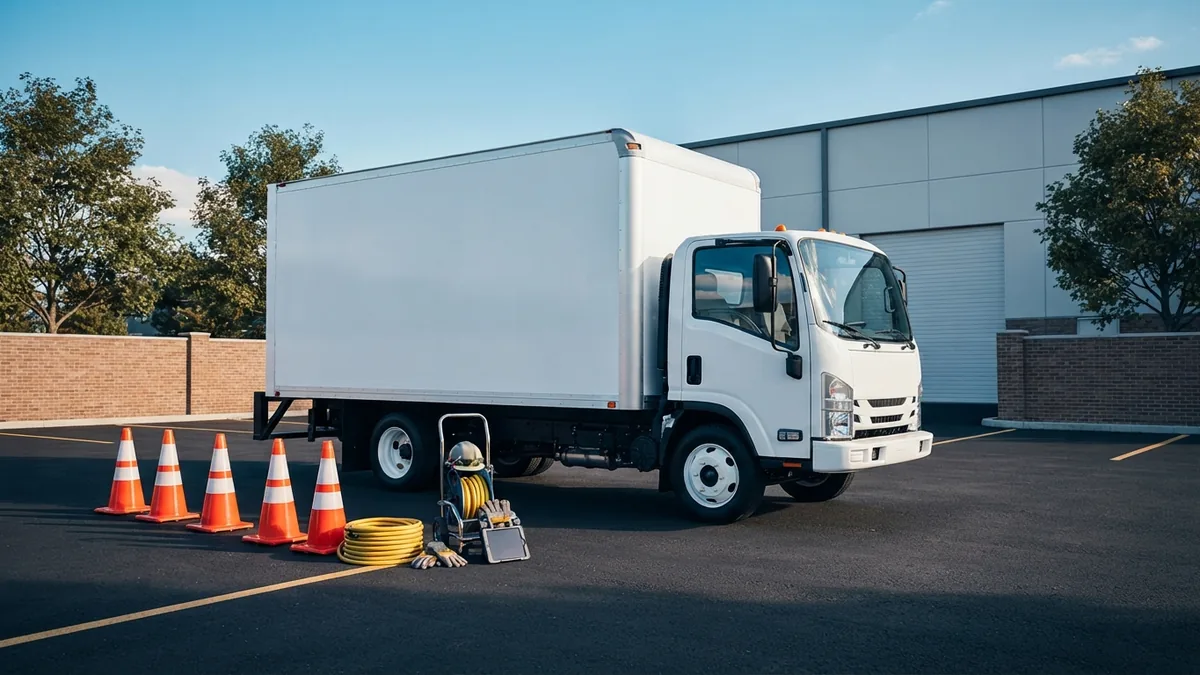
A sound transportation business setup starts with the right vehicle. Match truck size to your target jobs. A small van may suit studio moves. A box truck may suit larger homes or offices. Avoid buying more capacity than your first jobs need.
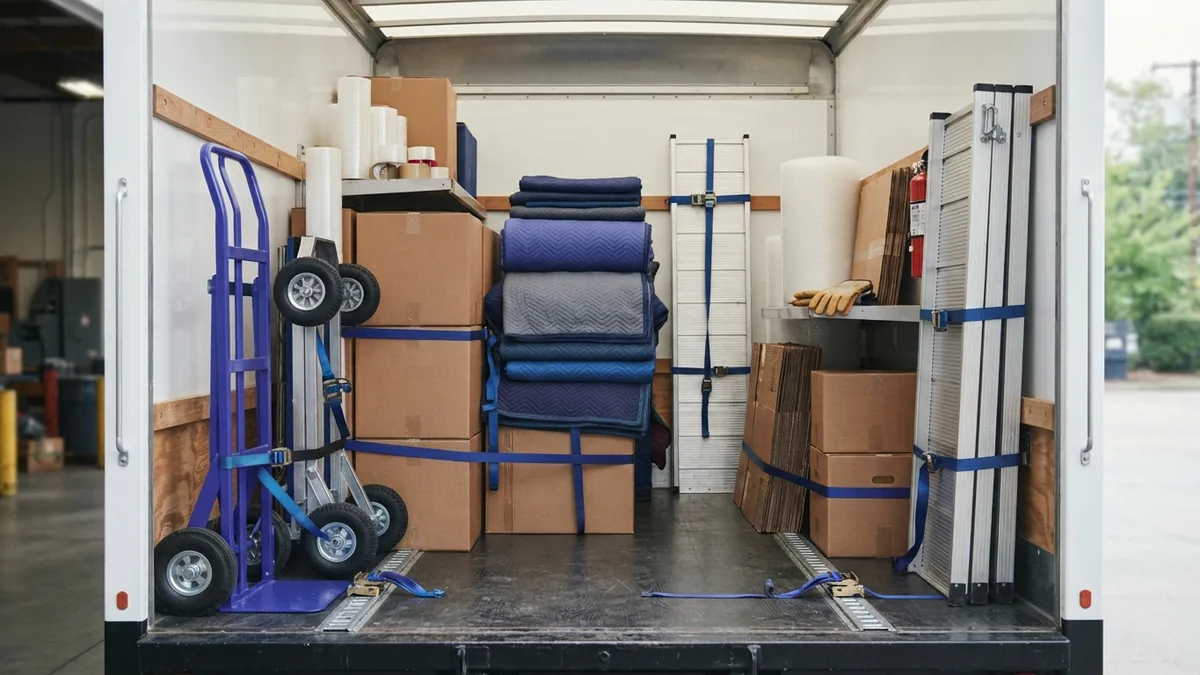
Buy tools that cut damage and lift strain. Useful gear includes dollies, straps, blankets, ramps, wrap, boxes, labels, and gloves. Keep a repair kit in each vehicle. Inspect tires, brakes, lights, and straps before every shift.
Build a repeatable job process. Confirm the address, stairs, parking, item list, and arrival window. Take condition notes before loading. Protect floors and door frames. Count items at key points during the move.
- Use a written quote and signed work order.
- Send arrival details one day before the job.
- Mark fragile boxes and keep them apart.
- Record damage with notes and clear pictures.
- Close each job with payment and customer sign-off.
Scheduling software can track crews, routes, quotes, and payments. Start with a simple tool. Upgrade only when manual work causes missed calls or double bookings.
Use Smart Marketing for Moving Services
Packers and movers marketing should make trust easy to see. Create a professional website with services, service areas, prices, reviews, and contact details. Add a quote form that asks useful questions. Show real work with clear permission.
Set up a business profile on major map services. Keep your name, phone number, hours, and address consistent. Ask happy customers for honest reviews after each completed job. Reply to all reviews with calm, useful answers.
Social media can show packing tips, truck care, and job lessons. Short local videos may build brand awareness. Do not post customer details without consent. Focus each post on a real need.
Match the message to the customer
Residential ads should stress care, clear quotes, and arrival times. Commercial ads should stress planning, weekend slots, and quick office moves. Build ties with estate agents, landlords, storage firms, and office managers. Local networking can bring steady referrals.
Track each lead source. Record calls, quote requests, booked jobs, and ad costs. Stop channels that bring many calls but few paid jobs. Keep the channels that bring good margins.
Hire and Train a Reliable Moving Crew
Your crew shapes safety, speed, and customer trust. Hire for care, fitness, calm speech, and steady work habits. Check references and driving records. Verify work rights and any required licenses.
Give new staff a clear first week. Teach safe lifting, stair work, wrapping, loading order, and claim steps. Show them how to speak with customers. Training should include a short test and a supervised job.
Pay on time and set fair rules for breaks, overtime, tips, and damage reports. Use simple score checks for safety, attendance, care, and customer feedback. Reward good work. Fix weak habits early.
- Hold a ten-minute safety talk before each shift.
- Pair new staff with an experienced lead.
- Ban rushed lifts and unsafe shortcuts.
- Review every claim with the full crew.
Win Repeat Business Through Better Service
Customer service starts before the truck arrives. Answer calls quickly and confirm the scope of work. Give a realistic arrival window. Tell customers about stairs, parking, deposits, and possible extra charges.
During the job, protect the home and explain any change in cost. If damage occurs, report it at once. Offer a clear claim path and a fast response. Customers may forgive a problem when your team handles it well.
After the move, send the receipt and ask for feedback. Request a review only after the job is complete. Keep customer details for future offers, with permission. Repeat business can lower your need for costly ads.
Grow without losing control
Watch sales, profit, cash, claims, reviews, and repeat jobs each month. Revenue alone can hide weak margins. Set aside cash for taxes, repairs, and slow seasons. Do not add trucks until demand stays strong for several months.
Test growth in small steps. Add packing help before adding a full crew. Expand to nearby towns after routes become full. Review your numbers every week. Sustainable growth comes from good service and tight cost control.
Step-by-step
- 01 Study your local market
Compare move demand, rivals, prices, and service gaps. Choose a small launch area with short drive times.
- 02 Choose your service mix
Decide whether to serve homes, offices, or both. Set clear services such as packing, loading, transport, and unpacking.
- 03 Write the business plan
Set your budget, prices, sales goal, crew plan, and cash buffer. Calculate the jobs needed to cover monthly costs.
- 04 Secure legal approval
Register the business and obtain local permits. Check vehicle rules, CDL needs, insurance, and route requirements.
- 05 Buy gear and set workflows
Choose a suitable vehicle and buy safe lifting gear. Create steps for quotes, loading, delivery, claims, and payment.
- 06 Hire and train staff
Check references and driving records. Train the crew in safe lifting, item care, customer service, and claim reporting.
- 07 Launch and track results
Build a website, create map listings, and use social media. Track leads, margins, reviews, claims, and repeat jobs each month.
Frequently asked questions
- How do I start a packers and movers business?
- Start with market research, a clear service plan, permits, insurance, one suitable vehicle, and trained staff. Then build a website and win local leads.
- What licenses are needed for a moving company?
- You may need business registration, local permits, vehicle permits, insurance, and a CDL for certain vehicles. Rules vary by location and route.
- How much money is needed to start a moving company?
- A basic launch may need one vehicle, moving gear, insurance, permits, marketing, and working cash. Costs vary by vehicle size and local rules.
- What is the difference between residential and commercial moving?
- Residential moves serve homes and apartments. Commercial moves serve offices and firms, often with tighter time limits and larger planning needs.
- How can a new moving company find customers?
- Use a website, map listings, social media, local partners, and honest reviews. Track each lead source and keep the channels that bring paid jobs.
- How can a moving company stay profitable?
- Track income, wages, fuel, repairs, claims, taxes, and loan costs each week. Keep business funds separate and hold cash for slow periods.
Related reading

Get a Small Business Tax ID (EIN and State Rules)
Get an EIN from the IRS for free, then check your state’s tax ID rules.

Business Management Courses — Skills, Degrees and Careers
Explore the subjects, skills, degrees, and career paths in business management.

Start a Domain Hosting Business (From Reseller to Provider)
Start small, serve a clear niche, and build a hosting business clients trust.