How to Start a Poop Scooping Business: Plan, Price, and Market
Start a poop scooping business with planning, pricing, tools, and marketing tips.
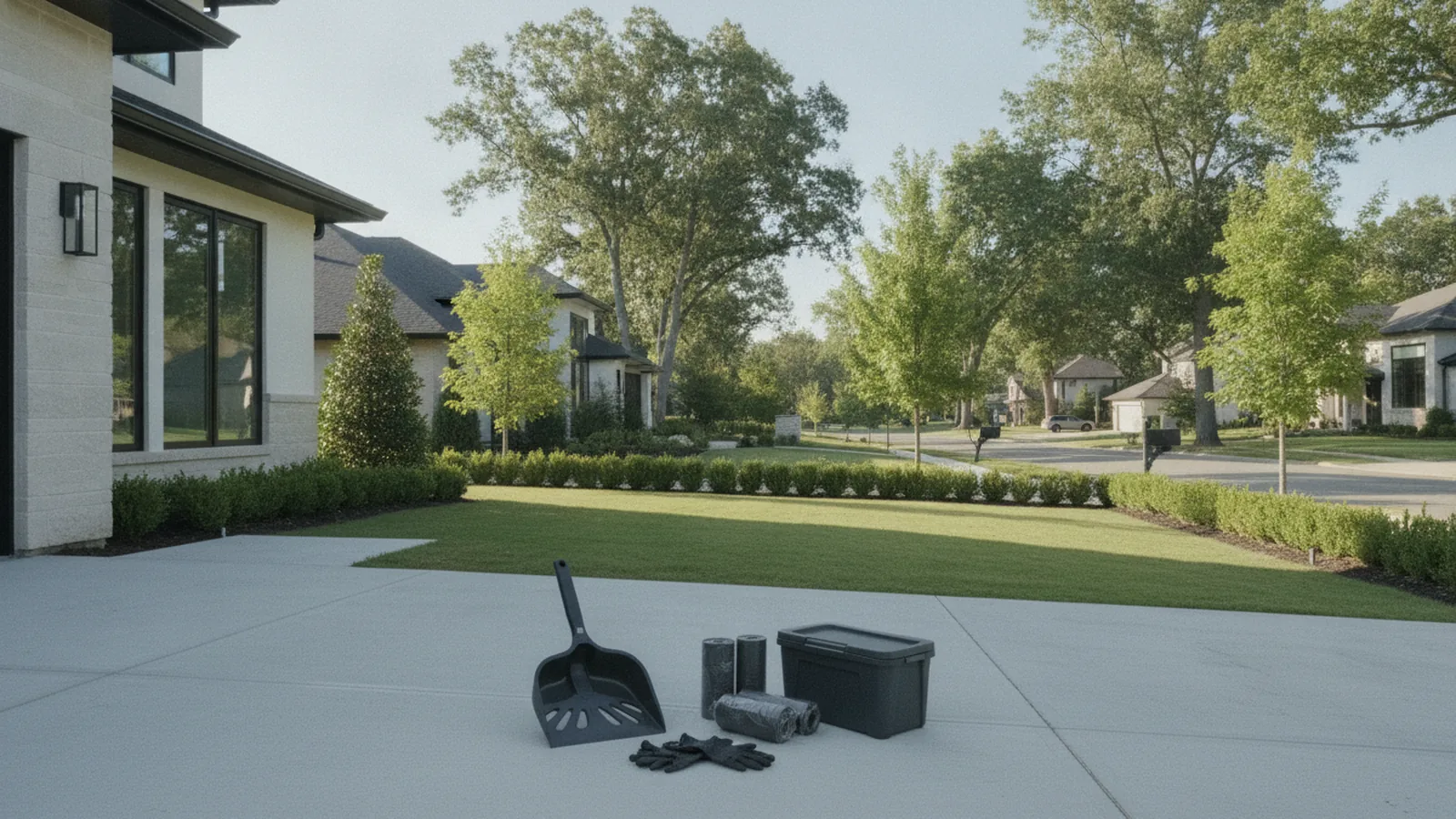
Introduction to a Poop Scooping Business
If you want to know how to start a poop scooping business, the direct answer is this. Pick your service area, set clear packages, price competitively, then market consistently. Most operators win by being reliable and easy to book. Clients usually want predictable visits, not one-off surprises.
A poop scooping startup sits inside the broader pet waste removal business. The demand tends to stay steady because pet ownership stays strong, and owners hate the cleanup. In many neighborhoods, new demand also comes from younger families, busy professionals, and new housing developments.
Before you buy gear, decide what you will actually do each day. Some clients want weekly visits. Others need a one-time cleanup before guests arrive. Knowing this early shapes everything, from your tools to your route plan.
- Recurring visits build stable monthly income.
- One-time cleanups help you start faster with less commitment.
- Clear rules reduce missed appointments and mess-ups.
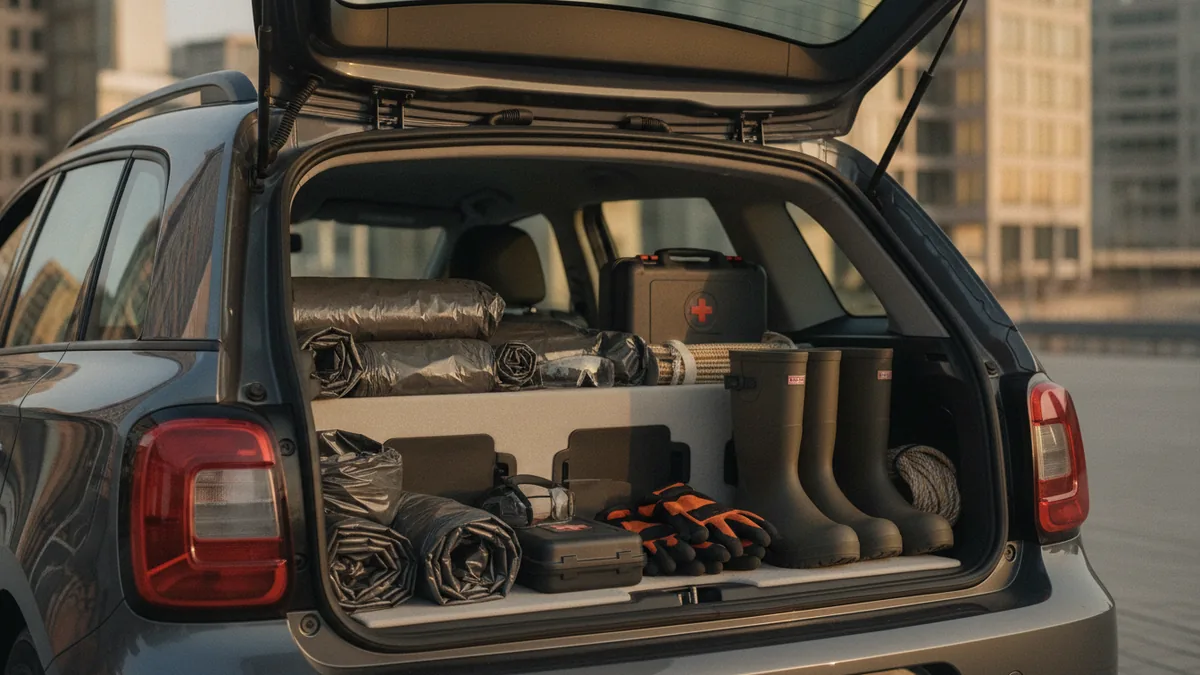
Planning Your Business
Business planning for a poop scooping service is mainly about operations. You need a simple workflow for scheduling, travel, cleanup standards, and customer updates. If you run this like a small field service, you avoid chaos within weeks.
Start with a one-page plan. Write your service area boundary, your target hours, and your service menu. Then map how you will handle new leads, reschedules, and cancellations. Clear customer service expectations matter a lot in starting a pet care business.
Next, decide how you will track work. Many solo operators use a spreadsheet for routes and notes. As you grow, booking software can reduce no-shows and make payments smoother.
- Define your service area and hours.
- Create service packages and rules.
- Set your scheduling and payment method.
- Write a simple checklist for each visit.

Conducting Market Research
Market research helps you answer two questions. Is there enough demand near you, and who already serves it? In most towns, the competition looks small on the surface. That said, quality and speed vary, and that gap is where new pooper scooper services can win.
Start by searching online for “poop scooping” in your city and nearby suburbs. Note how many providers you find, how they position themselves, and whether they offer recurring plans. Then check their review ratings and read a few recent comments about reliability and communication.
Then do on-the-ground research. Look for pet stores, dog parks, apartment complexes, and HOA bulletin boards. Ask store managers if they know local providers. You can also speak with residents at community events to learn what they pay today.
| Research step | What you learn | How it helps pricing |
|---|---|---|
| Search local providers | Service options and gaps | Choose a pricing range that fits offerings |
| Read customer reviews | Common complaints | Price for the value you deliver |
| Talk to pet owners | Budget and booking habits | Adjust packages for real needs |

Choosing a Business Structure
Choosing a business structure is part of protecting yourself and staying organized. Many new operators start as a sole proprietorship because it is simple. However, an LLC can offer personal liability protection and may look more professional to some clients.
Talk with a local accountant or business attorney before you file. Rules differ by state or country, and you should match your structure to your risk level. Because you handle customer property and potential messes, liability coverage is a key part of starting a poop scooping business.
Also think about how you will accept payments. If you plan to use card payments, you may need a payment processor setup. If you keep it simple at first, cash and checks can work, but modern customers often expect card or online invoices.
- Sole proprietorship: easiest start, less setup.
- LLC: more paperwork, often better risk separation.
- Insurance: check general liability and any specific coverage needs.

Financial Planning and Pricing
Financial planning starts with a clear pricing strategy. Your goal is to cover fuel, bags, supplies, and your time, while still matching what clients will pay. Pricing also needs to reflect the service packages you offer, like one-time cleanups or recurring visits.
To set rates, compare local quotes from market research. Many providers charge based on factors like yard size, number of pets, and visit frequency. You can simplify this by creating a base price and then adding small upcharges for extra pets or larger areas.
Do not underprice to “get customers.” At first, you will still spend time traveling, loading up, and coordinating schedules. If your per-visit profit is too low, growth becomes stressful instead of sustainable. A good rule is to calculate your cost per visit, then add a margin that leaves room for slow weeks.
Here is a simple example model you can adjust. Imagine you charge $35 for a standard weekly visit. If you spend $6 on supplies per visit, and your travel costs average $4, your supply plus travel cost is $10. If the time per stop is 40 minutes including drive and admin time, you need your hourly rate target to determine your margin.
| Cost or revenue item | Example for one weekly visit |
|---|---|
| Charge per visit | $35 |
| Supplies and bags | $6 |
| Fuel and travel wear | $4 |
| Estimated net before tax | $25 |
Your exact numbers depend on your area and how fast you route jobs. Use a weekly tracker in your first month. Then revise your pricing strategy based on real time and real supply usage.
Essential Tools and Equipment
Essential equipment is the difference between a smooth route and a messy one. For pooper scooper services, the goal is fast, clean pickup with safe handling. Quality ergonomic scoopers reduce strain when you work through multiple visits in a day.
You also need waste bags and a safe way to store them during transport. Many operators use sealable containers or sturdy bin liners in the vehicle. Protective gear matters too, especially gloves and washable clothing. If you handle multiple homes, hygiene and consistency protect you and your customers.
Build your kit with redundancy. Keep spare scoops, extra gloves, and backup bags. If a tool breaks mid-route, you still need to finish the job professionally.
- Ergonomic scoopers for quick pickup
- Durable waste bags with easy sealing
- Protective gear: gloves and maybe disposable boot covers
- Disposable wipes or hand sanitizer for cleanup
- Reusable storage bin or sealed liners for transport
- Cleaning tools for your scoop between properties
- A route plan and a phone for scheduling updates
Marketing Your Services
Marketing tactics for a poop scooping business should be practical and local. Your first wins often come from being easy to find and fast to respond. Most customers choose the service that can start soon and communicate clearly.
Start with a simple online presence. Create a basic website or landing page that lists your service packages, service area, and pricing range. Include how to book and what to expect at the first visit. If you do recurring visits, show that you offer weekly or biweekly options and what happens if a client misses a day.
Then use local channels. List your business on major maps platforms, and keep your hours consistent. Post before-and-after style photos of your kit and process only if your platform policies allow it. Also ask for reviews after the first good experience.
Finally, build referral loops. Offer a small thank-you for existing clients who refer a friend. You can also partner with pet stores or groomers for flyers or a short conversation. In a crowded market, customer service and branding consistency often matter more than fancy ads.
- Publish your services, service area, and booking steps online.
- Get reviews by delivering on time and communicating.
- Offer simple packages like weekly, biweekly, and one-time.
- Follow up with leads quickly, ideally the same day.
Frequently asked questions
- How do I start a poop scooping business from scratch?
- Start by choosing your service area and deciding your packages. Then price based on local rates, buy essential tools, and market so clients can book easily.
- What services should I offer in my pooper scooper services menu?
- Most beginners offer weekly or biweekly cleanups and a one-time option. You can also add extra fees for multiple pets or larger yards.
- How do I do market research for a pet waste removal business?
- Search for local providers, read recent reviews, and compare their service options. Then talk to pet owners and note what they pay and what they complain about.
- Should I form an LLC or start as a sole proprietorship?
- Many new operators begin as a sole proprietorship for simplicity. An LLC can offer more protection, but you should confirm with a local professional.
- How should I set my pricing strategy for poop scooping?
- Base your prices on local market rates and your time per visit. Include supplies, bags, and travel costs so your per-visit profit stays healthy.
- What essential equipment do I need for a poop scooping startup?
- You need ergonomic scoopers, waste bags, gloves, and a safe way to transport waste. Keep spares so one broken tool does not delay your route.
Related reading

Understand Insulin’s Role in Metabolism (Key Processes)
See how insulin guides glucose, fat, and protein use in the body.

Consulting Company Revenue Models: How Pricing Works and Why
Understand how consulting fees work, from hourly rates to value pricing.
Business Credit Explained: What It Is and How to Improve It
Understand business credit, what lenders see, and how to improve your score.