How to Start a Porta Potty Business: What It Takes
A practical guide to launching a porta potty service, with costs, permits, and operations tips.
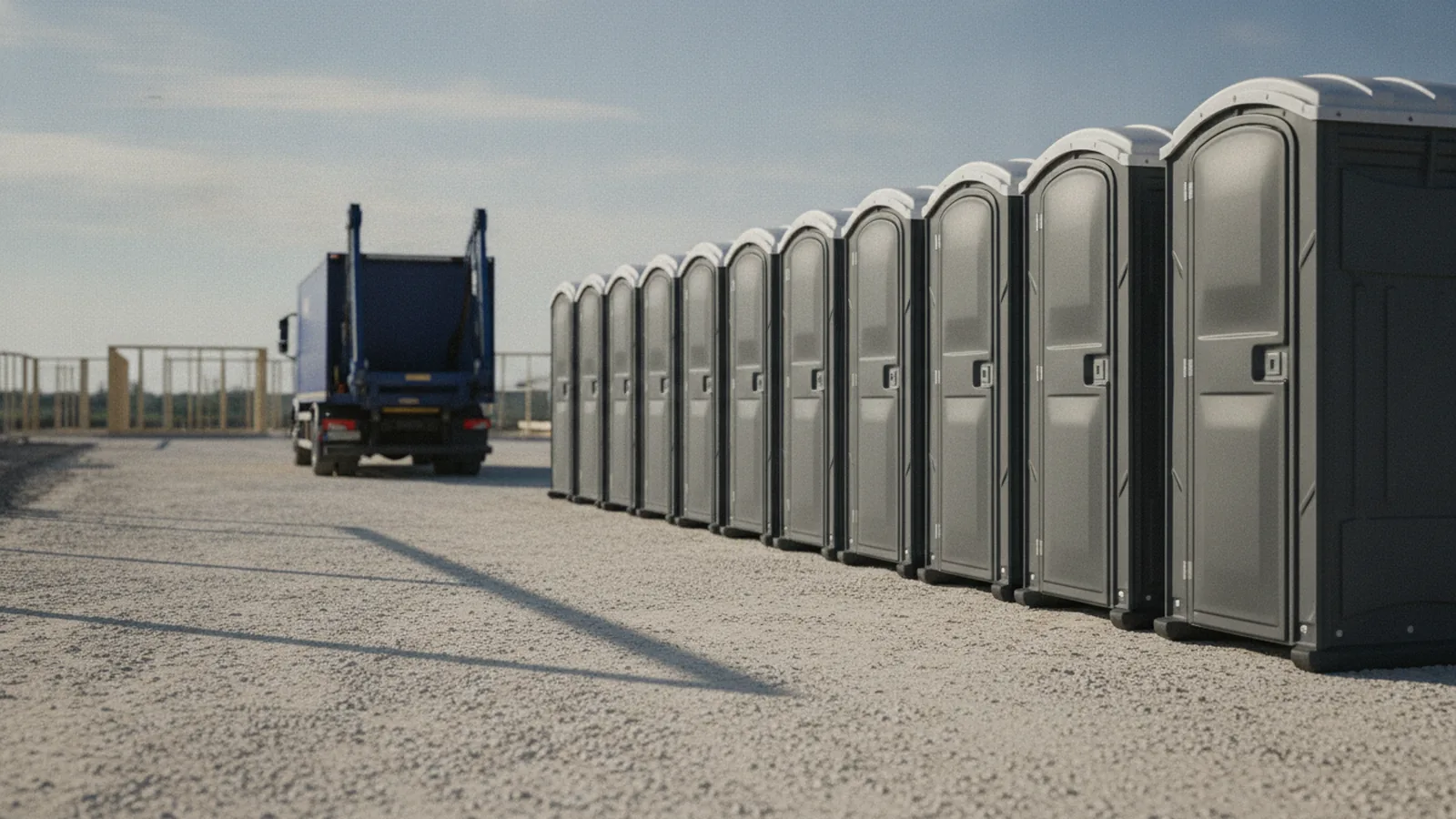
Understanding the Portable Sanitation Market
To learn how to start a porta potty business, start with demand in your area. The portable sanitation market is large and keeps growing. Construction work and events need restrooms on short notice.
Do market research before you buy any units. Find the job sites and venues near you. Check who already serves them and what they charge.
Look for gaps in service, not just empty schedules. Some providers show up late. Others do not keep units clean between visits.
- Track common job types: jobsite, wedding, festival, and school events.
- Compare local prices and limits on rental days.
- Write down which areas seem underserved.
Find a match between your gear and local needs. Standard units work for many jobs. ADA-friendly units help you win more contracts.

Determining Startup Costs
Startup costs change mostly with how many portable restroom units you buy. Many new owners start with a small set. Unit prices often range from $700 to $2,500 each.
Do not budget for units only. You will also pay for supplies and upkeep. You will also pay for a truck, van, or trailer.
Build a startup budget with three plans. Plan A stays small for learning. Plan B grows with steady service. Plan C speeds up once you land repeat jobs.
| Cost area | Examples | Why it affects you |
|---|---|---|
| Portable restroom units | Standard and ADA units | It sets your job capacity |
| Waste disposal | Disposal fees and hoses | It hits cost every pickup |
| Delivery and service | Fuel and routine labor | Time limits how many stops you do |
| Supplies and fixes | Chemicals, parts, gloves | It protects unit uptime |
Also plan for insurance coverage. Many landlords and big job sites require it. Ask early so you do not delay work.

Legal and Licensing Requirements
As you start a portable restroom business, confirm local rules first. Permitting and licensing can slow you down if you skip it. Requirements vary by city and county.
In many places, you need a business license to operate. You may also need waste disposal permits. Some areas also require a liquid waste hauler permit.
A liquid waste hauler permit covers hauling waste under rule. The exact wording changes by region. Call your local offices and ask what you need.
- Get your business license for your area.
- Ask which disposal sites you can use.
- Confirm if you need a hauler permit.
- Buy insurance coverage before your first route.
Keep copies of every permit and renewal date. Put them in one folder. This saves time when a customer checks.
Acquiring Equipment and Supplies
To run a portable toilet rental business, you need dependable units. Buy portable restroom units that are easy to clean. Check door locks, seals, and floor stability.
Next, plan for waste handling tools and cleaning gear. You will use hoses and gloves each service day. You will also need chemicals for odor control.
Use a simple inspection rule for each unit. Check it before delivery. Then check it again after service. This lowers repeat complaints.
- Choose your first unit set for job size and type.
- Buy chemicals, hoses, gloves, and basic repair parts.
- Create a unit log for condition and dates.
- Set waste pickup and disposal steps before launch.
If you plan to expand fast, add units slowly at first. You must learn service time and setup time. Then you can predict your weekly output.
Marketing Your Porta Potty Business
Effective marketing helps you fill your calendar. Use customer outreach to reach buyers of this service. Construction firms often need repeat deliveries.
Contact event planners and local venues too. Many events plan months ahead. Some still need last-minute units. You can win both with clear offers.
Online ads can work when used with location targeting. People search near their event date. You should answer quickly when leads arrive.
- Call local builders and ask about weekly site needs.
- Ask venues who they use for restroom rentals.
- Use online ads for nearby searches and fast quotes.
- Keep your quote form simple and short.
Write your service terms clearly. State your delivery times and pickup schedule. Also state rental day rules for clean handoffs.
Setting Up Operations and Customer Service
Operation management decides if customers trust you again. When you launch a porta potty service, deliver on time. Then service on a steady plan.
Route planning for service techs is key. Stop order affects drive time and workload. Bad routes lead to late pickups and angry calls.
Set a job intake checklist so nothing gets missed. Collect site address, access rules, and the delivery window. Confirm where the unit should sit on the ground.
Keep customer service tight and fast. Respond the same day when possible. Document unit issues and fix them quickly.
- Plan routes by zip area and pickup windows.
- Use a short checklist for every unit service.
- Standardize placement rules for each site.
- Track calls and fixes in one simple log.
When a customer reports an issue, act fast. Offer a clear next step. This is how you protect reviews.
Managing Finances and Growth Strategies
To manage finances for a portable sanitation startup, watch cash flow daily. You pay for units and supplies upfront. You get paid after delivery and service.
Cash flow is your lifeline. If payments lag, you can still run out of money. Track what comes in and what goes out each week.
Plan for ongoing operational expenses. Fuel, disposal fees, repairs, and insurance add up fast. A broken unit also cuts your earning ability.
- Track income by job type and service days.
- Track costs per unit, per route, and per month.
- Use savings first, then reinvest early profits.
- Consider funding options if growth stalls.
Choose one growth path at a time. Add units when routes stay on time. Or add new unit types when customers ask for them. For example, ADA units can open new contracts.
Keep your quality high as you scale. Fast growth with weak service hurts your brand. Slow steps build long-term wins.
Frequently asked questions
- How do I start a porta potty business with no experience?
- Learn local permits and disposal steps before you buy units. Then start with a small fleet to perfect delivery and service.
- What are typical startup costs for a portable toilet rental business?
- Unit prices often run from about $700 to $2,500 each. Your total budget also needs supplies, disposal fees, and a service vehicle.
- Do I need special permits for waste disposal?
- Often, yes. Many areas require a business license, waste disposal permits, and sometimes a liquid waste hauler permit.
- How can I price rentals when competitors already exist?
- Use market research to compare local pricing and rental limits. Then match your packages to your strongest customer needs.
- What marketing works best for launching a porta potty service?
- Customer outreach tends to work best. Contact local builders and event planners, and use online ads for nearby searches.
- How do I manage operations and avoid missed pickups?
- Use route planning for technician stops and simple checklists for each unit. Keep job intake notes clear so crews know placement rules.
Related reading

Start a Mobile Drug Testing Business (Without a Lab)
Build a mobile testing service with sound training, lab links, and clear pricing.

Start a Business with a Problem Worth Solving
Turn a useful idea into a business with clear steps, sound research, and steady resolve.

Loft Conversion Timelines — What Affects the Build
Typical build times range from four to twelve weeks, plus planning and setup.