How to Start a Rapid Prototyping Business That Wins Clients
Learn how to start a rapid prototyping business with practical steps, skills, and marketing.
Understanding rapid prototyping and why it matters
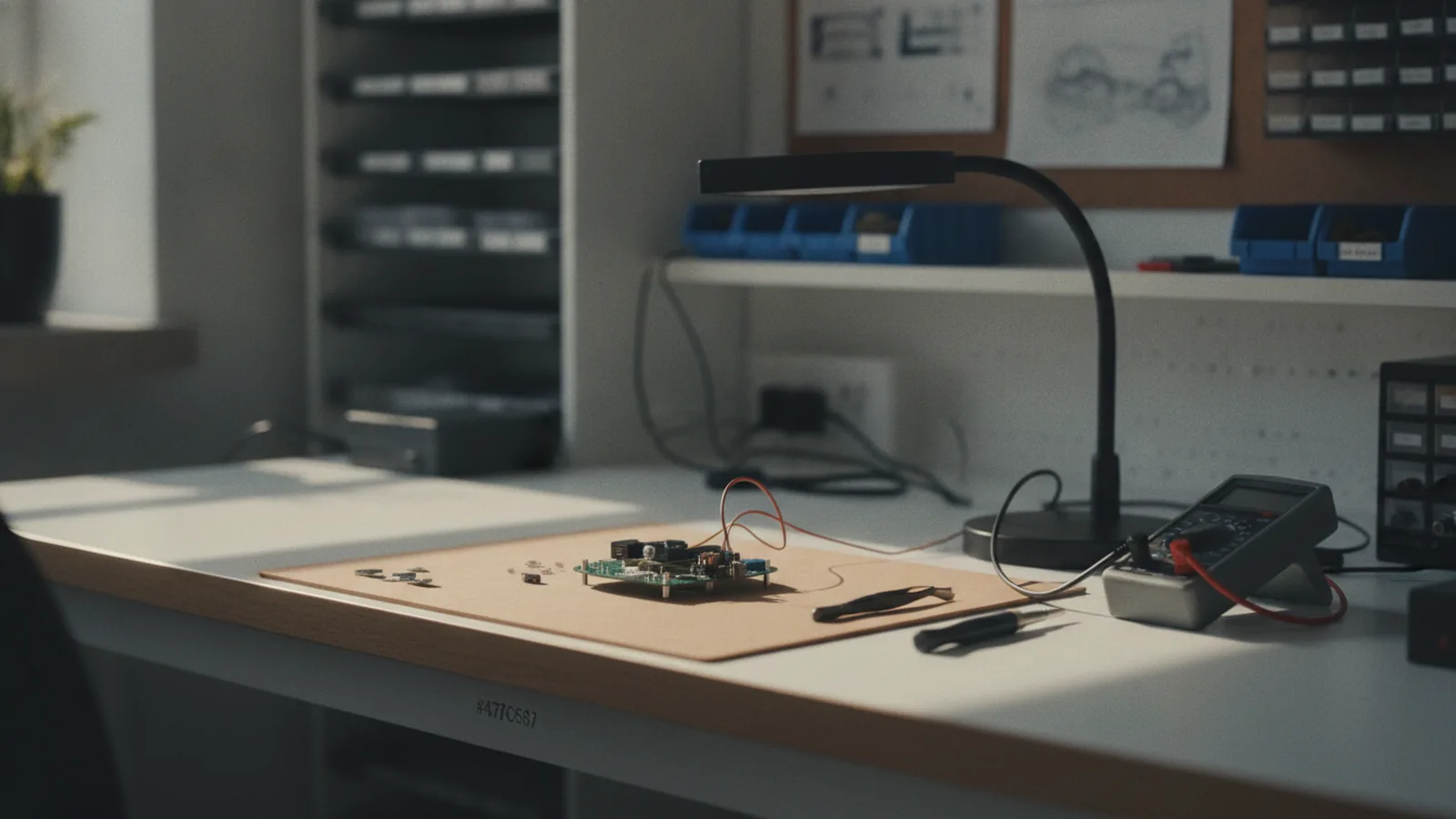
Rapid prototyping lets you build a real model fast, using quick design and test loops.
This helps teams learn early, before they spend on full make-ready tools.
If a fit or feel problem shows up late, it can cost a lot.
When you test early, you lower that risk for your client.
Rapid prototyping also speeds the product development process by turning guesses into data.
- Faster design tests
- Less rework later
- Clearer choices for teams
Market research and niche identification
To learn how to start a rapid prototyping business, start with market research.
Find who pays for rapid prototyping services, and what they fear most.
Then pick a niche you can serve well for 12 months.
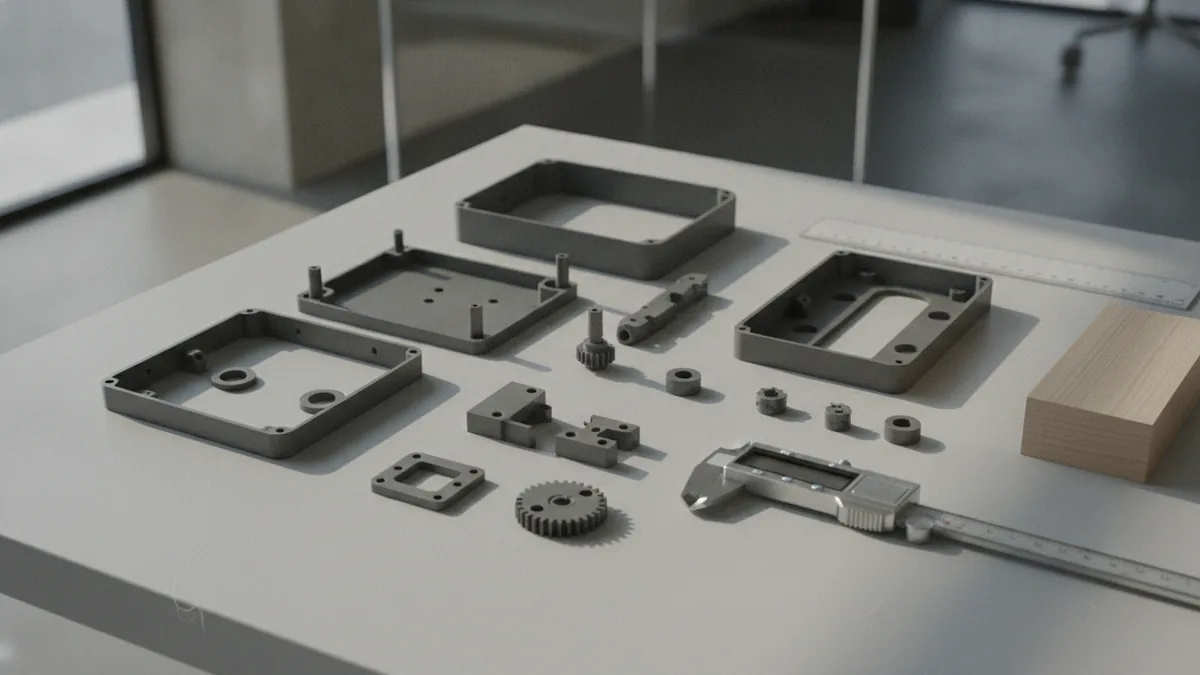
Many teams need quick models for consumer tech, medical parts, and industrial goods.
Consumer tech often needs enclosures and human touch checks.
Medical device teams often need form checks and trial fit.
Industrial teams often need parts that handle real use.
Focus on what you can deliver with speed and steady quality.
- Talk to 10 buyers about their worst prototype delays
- Study rivals and note their lead times and revision rules
- List your best build options and where they fit
- Pick one or two niches to target first
Use market analysis signals, like pilots that already start soon.
Look for teams that mention tests, checks, and early builds in plans.

Build the skills and knowledge clients expect
Starting a prototyping business is not just about running machines.
You must turn client goals into build-ready parts with clean detail.
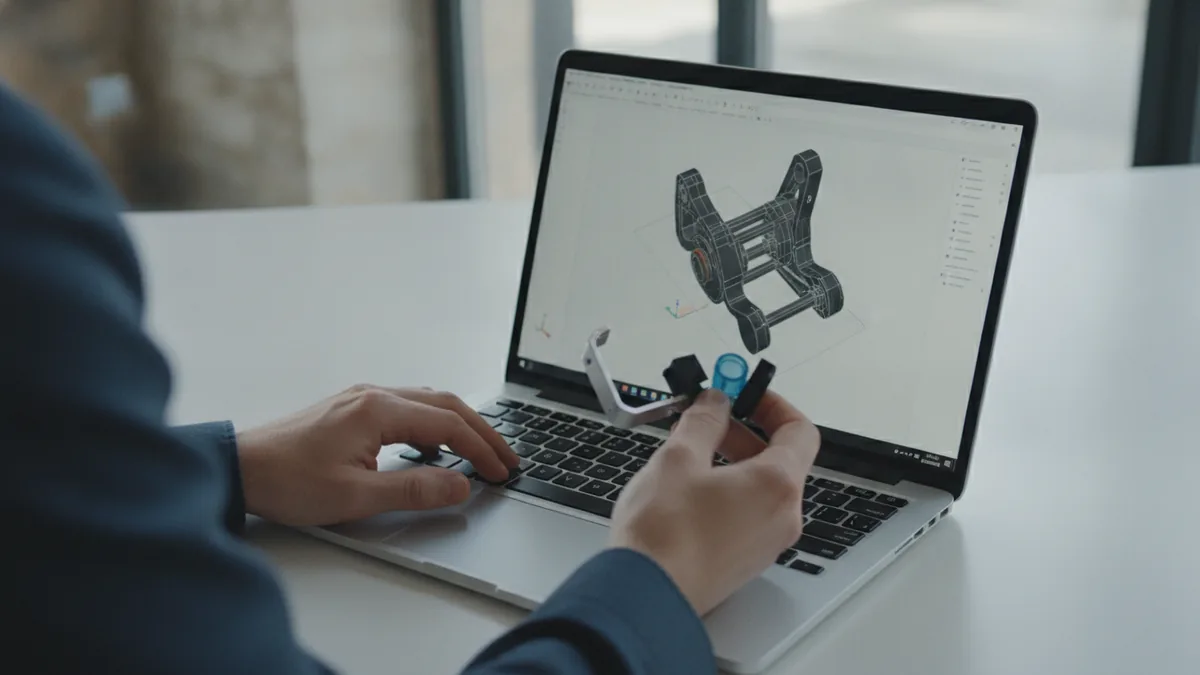
CAD software skill is a must for most prototype work.
CAD software means computer tools to model parts in 3D.
You also need to know manufacturing limits, even if you outsource.
Clients care about fit, surface feel, and how parts fail in tests.
So learn how each material behaves under stress and heat.
- CAD software for part models, sizes, and updates
- Prototyping techniques like 3D printing workflows
- Material basics for strength, bend, and heat
- Design iteration from feedback to new builds
Make a small test set to build real know-how.
Print a few snap parts, thin walls, and insert fits.
Track what worked and what needed fixes.
That becomes your guide for future client advice.
Client communication is your daily job, not a side task.
Ask what tests they run and what “good enough” means.
Then set clear limits on revisions and finish quality.
Create a business plan for prototyping that fits reality
A business plan for prototyping helps you make clear choices.
It guides pricing, capacity, and what you say “yes” to.
Keep it short and tied to your real workflow.
Start with your offer and your typical project steps.
Say if you do form models, working parts, or both.
Then state your usual lead time and revision rules.
Next add market research for prototyping business decisions.
List your target niches and what they need from a vendor.
Also explain why they struggle today with other providers.
| Plan part | What to write |
|---|---|
| Offer and fit | Prototype types, material range, size limits, and turn speed |
| Market and buyer | Who buys, why they buy, and common prototype pain points |
| Ops workflow | File check, build steps, post work, and QA checks |
| Pricing model | Per job or per part pricing, plus revision and rush terms |
| Financial projections | Your costs, your break-even, and month by month revenue |
For costs, use real numbers from your past work.
Include material cost, machine time, and post work time.
Then set prices to cover those plus a profit margin.
Write your break-even point as a simple monthly math line.
Finally add a sales plan with timed actions.
Set a weekly goal for talks, quotes, and follow-ups.
Networking in prototyping industry often turns on fast replies.
Legal and financial considerations before you take orders
Legal setup can slow you down if you leave it for later.
Do the basics early so client work can start smoothly.
Your local rules vary, but most new firms cover the same blocks.
First, register your business and set up your taxes.
Then check what permits apply to your shop and materials.
If you use special chemicals or heat steps, verify storage rules.
Insurance is also key for risk and calm client trust.
- Business registration and tax setup
- Permits tied to your site and work
- Insurance like general liability coverage
- Client contracts with scope and revision limits
Your contract should cover what you build and what you do not.
It should also cover when ownership transfers and what you keep.
Write down what happens if specs change mid project.
For money, use a separate business bank account.
Track job costs per order so pricing stays fair.
Set up your prototype business and production workflow
Setup is about a repeatable flow that cuts waiting time.
Clients want steady quality and clear delivery dates.
So build a simple step order from file to delivery.
Start with a file intake check before any print begins.
Look for thin spots, bad angles, and features that fail tests.
Then choose your prototyping technique based on test needs.
3D printing is common, but not always the best choice.
Match the method to the strength and finish they need.
- File intake and design check for build risk
- Pick material based on the test goal
- Schedule builds with time buffers
- Post work and measure key dimensions
- Send the part with a clear revision plan
Use a QA checklist you can run each time.
For example, check key sizes and any fit points.
Also confirm threads work with the expected hardware.
Do not promise accuracy you cannot measure in your steps.
That keeps trust high when prototypes get tested.
Marketing strategies to win clients and build a strong portfolio
Marketing for rapid prototyping should prove results, not hype.
Clients need proof of speed, quality, and problem solving.
So build a portfolio with real cases and real outcomes.
Show the part, the goal, and what changed after feedback.
That is how you prove design iteration skill.
Your first clients often come from small, low-risk projects.
Offer a short package with a fixed turn time and a small revision set.
For example, do one model round plus one feedback round.
Then expand scope when trust grows.
- Portfolio development with clear before and after updates
- Case write-ups that include test needs and materials
- Networking through product meetups and maker groups
- Fast quotes with clear scope and timelines
Also keep your client communication tight after delivery.
Ask how they will test the part and what they will change next.
Use that input to guide the next prototype cycle.
Finally, protect your claim of “rapid.”
Add buffers for post work and for revision loops.
Frequently asked questions
- What is rapid prototyping, and why do product teams pay for it?
- Rapid prototyping builds real models fast. Teams test fit and form early before full manufacturing.
- How to start a rapid prototyping business with limited equipment?
- Pick one niche you can serve with steady results. Use one CAD workflow, clear revision rules, and simple QA checks.
- What skills do I need for starting a prototyping business?
- You need CAD software skill, basic manufacturing know-how, and strong client communication. You should also guide design iteration using real test feedback.
- What should a business plan for prototyping include?
- Include your offer, target niches, ops steps, pricing, and financial projections. Base your plan on your actual hours and build steps.
- What legal requirements come up when selling rapid prototyping services?
- You usually need business registration, tax setup, and site permits for your shop. Use contracts for scope, IP, revisions, and delivery terms.
- How do I market rapid prototyping services to get my first clients?
- Market proof. Build a portfolio with real prototypes and clear iteration notes. Then send quick quotes with clear scope and dates.
Related reading

Start a Mobile Drug Testing Business (Without a Lab)
Build a mobile testing service with sound training, lab links, and clear pricing.

Start a Business with a Problem Worth Solving
Turn a useful idea into a business with clear steps, sound research, and steady resolve.

Loft Conversion Timelines — What Affects the Build
Typical build times range from four to twelve weeks, plus planning and setup.