How to Start a Shoe Business From Idea to First Sale
A clear guide to choosing, planning, sourcing, and marketing a shoe business.

Market Research and Competition Analysis
If you ask, “How do I start a shoe business?” begin with buyer research. Study online shops, local stores, review sites, and social feeds. Track prices, sizes, materials, styles, and delivery terms. This work shows demand before you spend on stock.
The footwear industry offers room for new brands. Online sales, comfort needs, and fresh materials support market growth. Still, growth alone does not ensure profit. Your offer must solve a clear problem at a fair price.
Study five to ten rival brands. Note their best sellers, weak reviews, sales channels, and return rules. Poor reviews can reveal gaps in fit, support, delivery, or service.
| What to study | What it shows |
|---|---|
| Prices and discounts | What buyers may pay |
| Sizes and fit notes | Where shoppers face risk |
| Materials and features | How brands add value |
| Reviews and complaints | What buyers still need |
Speak with at least ten likely buyers. Ask what they buy now and what they dislike. Ask what price feels fair. Test a sample or small pre-order before placing a large order.
Choosing a Niche for Your Shoe Brand

A niche gives your business a clear place in the market. It may focus on a buyer, use, style, or shoe feature. Examples include safety boots, wide-fit work shoes, vegan trainers, and custom sneakers.
Choose a niche with three traits. Buyers need a real solution. You can reach them through clear channels. The price leaves room after product and selling costs. This focus also shapes your brand identity.
Ask how to start a shoe boutique business if your idea needs a narrow style. A boutique may sell small runs with strong service. Ask how to start a shoe retail business if you plan to sell many finished brands. Retail needs stock control, display space, and a clear return policy.
Some services need less stock. A shoe shine service can target offices, events, hotels, and busy streets. A shoe customizing business can sell painted or altered footwear. These paths need skill, samples, safe materials, and clear care advice.
- Define the buyer’s needs, habits, and budget
- Choose one main shoe type at first
- Write a one-line customer promise
- Test the idea with samples or pre-orders
Business Models for Shoe Businesses
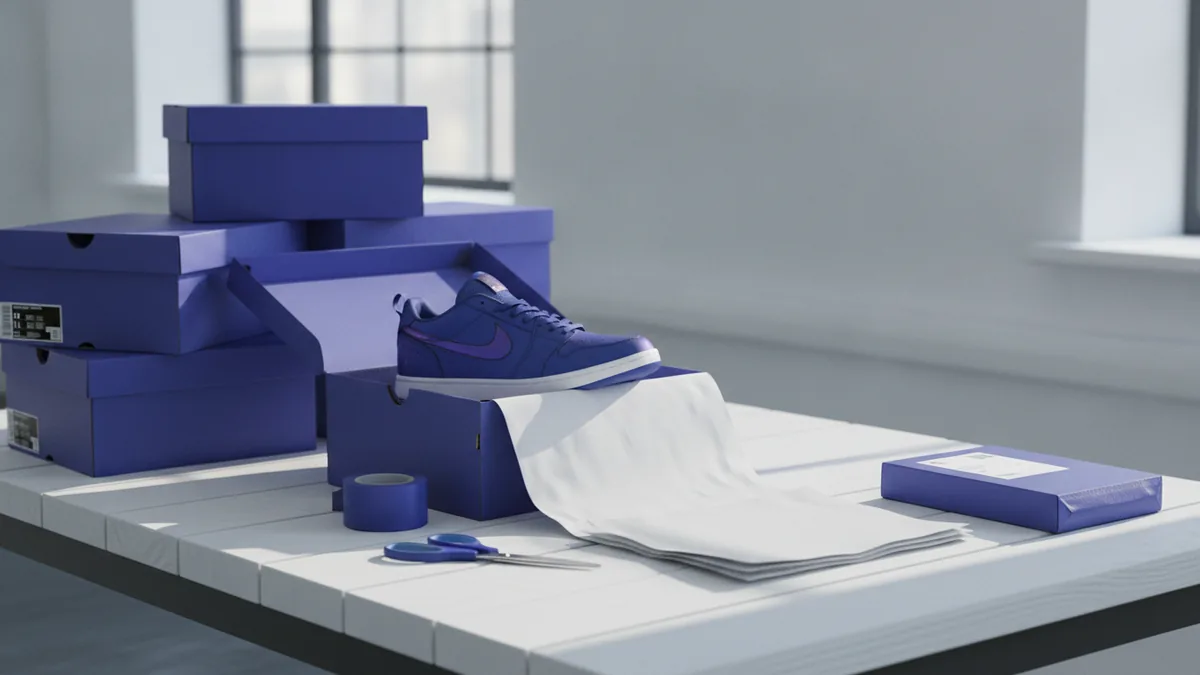
When learning how to start a shoe business, pick a model that fits your cash and skills. Original production gives you control over design and quality. It also brings more testing, supplier work, and cash risk.
Wholesale lets you buy finished shoes from brands or distributors. You can sell through a shop, website, market stall, or social channel. This is a common answer to how to start a shoe store business. It is also a practical path for a shoe retail business.
Dropshipping lets a supplier store and ship each order. This can help when you ask how to start a shoe business online with little stock. Order samples first. Check packing, delivery speed, fit, and return handling.
Reselling can start with small batches from trusted sources. If you ask how to start a shoe reselling business, track product cost, platform fees, shipping, and returns. A resale model works only when the final margin stays healthy.
| Model | Main gain | Main risk |
|---|---|---|
| Original production | More design control | Higher setup cost |
| Wholesale resale | Fast market entry | Unsold stock |
| Dropshipping | Low stock cost | Less service control |
| Customizing | Distinctive products | Time and skill needs |
Print-on-demand can suit simple designs. Check the base shoe, print quality, size range, and return terms. Do not list products before testing them yourself.
Creating a Shoe Business Plan
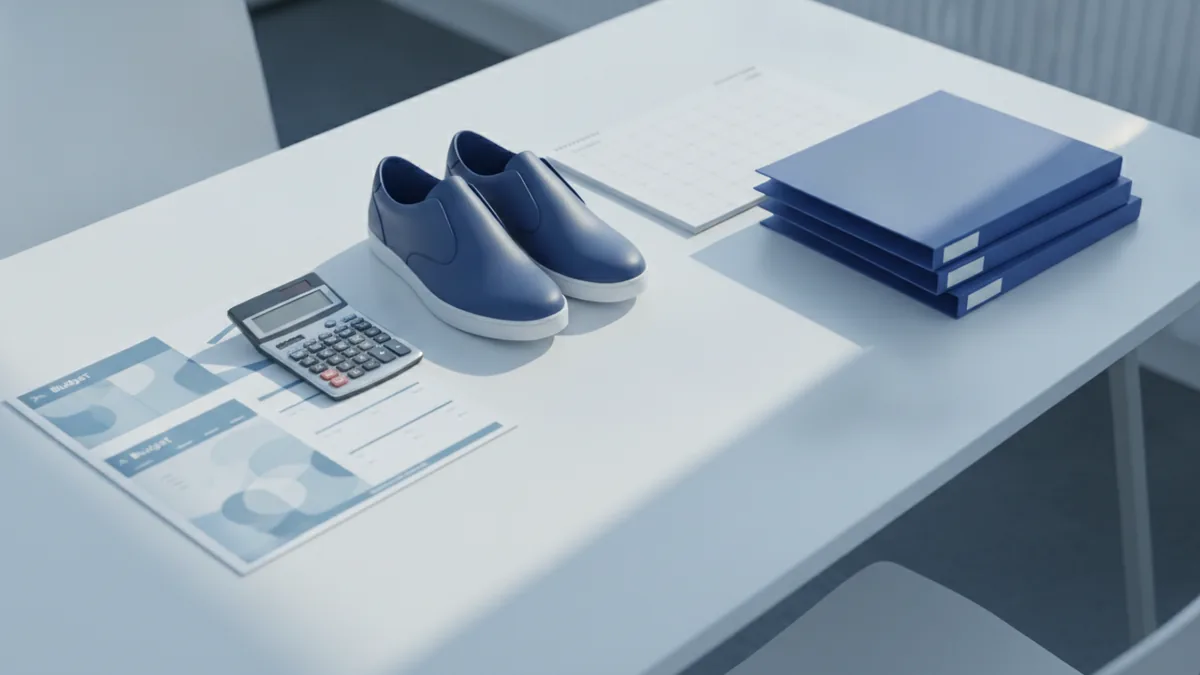
A shoe store business plan turns a broad idea into clear tasks. It should state your target buyer, product range, sales channel, costs, and sales goals. It should also show how you will test demand.
Keep the first plan short and useful. List your expected price, product cost, shipping, fees, taxes, ads, and returns. Then work out the sales level needed to cover fixed costs.
People often ask how to start a shoe business with no money. A full brand still needs cash, but a small test can lower risk. Start with pre-orders, consignment stock, resale, or a service model. Avoid large stock orders until buyers show real interest.
Ask how to start my own shoe business by setting a small launch goal. You might seek 25 paid orders in the first month. Track visits, add-to-cart rates, sales, returns, and repeat buyers.
- Choose one buyer group and product range
- Set a launch budget and loss limit
- Test samples with real target buyers
- Set prices from full costs, not guesswork
- Review sales data each month
A plan should change when new data appears. Keep the goal steady, but adjust the product or channel when tests fail.
Legal Requirements and Business Registration
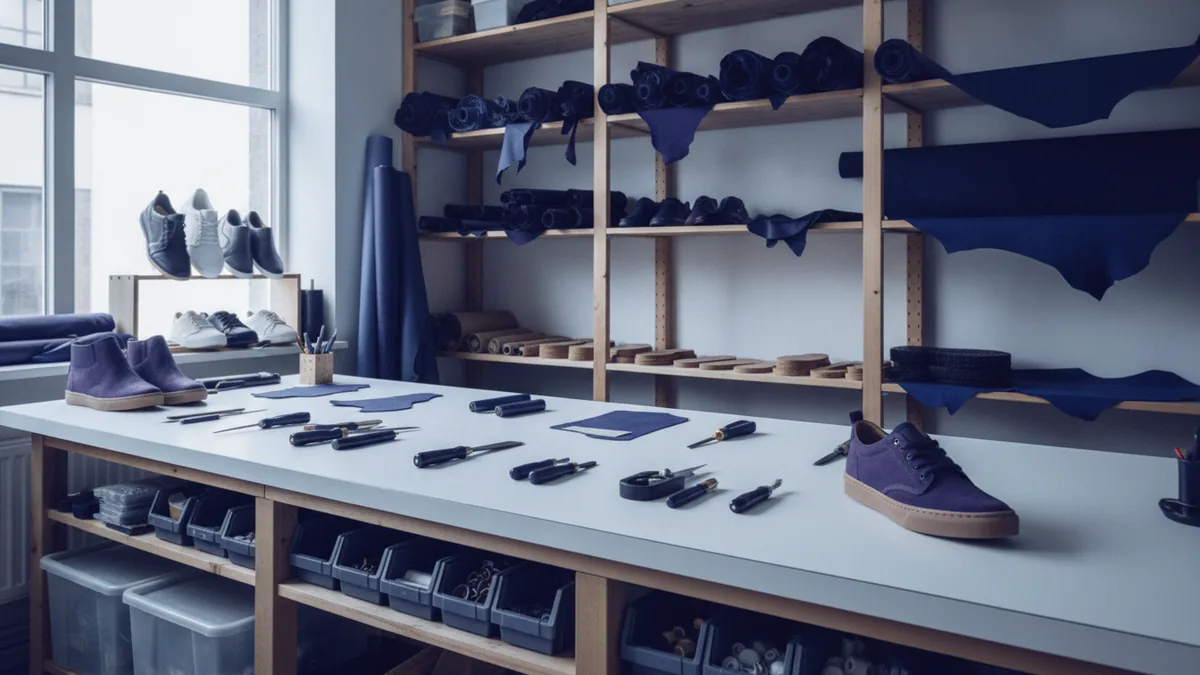
Before selling, check the rules in your country, state, or city. Many founders must register a business name and choose a legal structure. You may also need a tax number, sales tax account, or local permit.
The U.S. Small Business Administration registration guide explains common U.S. setup steps. Rules differ by place, so check your local government site. Ask an accountant about tax duties before your first sale.
Protect buyers with clear product details and return terms. State size limits, care needs, shipping times, and refund rules. Keep supplier invoices and sales records. These records help with taxes and stock checks.
If you sell shoes made by others, confirm brand and design rights. Do not copy protected marks or artwork. Custom work also needs care. Get permission for customer-owned designs before using them in sales content.
- Register the business where required
- Check tax and sales tax duties
- Review permits for shops or street sales
- Write return and care terms
- Keep purchase and sales records
Sourcing Materials and Manufacturing
Ask how to start a shoe making business when you want control over the product. Start with a simple design and a small sample run. Test comfort, size accuracy, strength, and wear before wider sales.
Learning how to start a shoe manufacturing business takes more than finding a factory. You need clear designs, material plans, quality checks, and delivery dates. Compare local makers, overseas factories, wholesalers, and print-on-demand suppliers.
Material sourcing affects cost, feel, care, and brand claims. Ask suppliers about leather, fabric, rubber, glue, packaging, and waste. Request samples and written product details. Check the same details again when the full batch arrives.
Local manufacturing may offer easier visits and faster changes. Overseas supply may lower unit costs at larger volumes. Wholesale can reduce design work. Choose the route that fits your order size and control needs.
| Source | Best fit | Key check |
|---|---|---|
| Local maker | Small test runs | Capacity and unit cost |
| Overseas factory | Larger batches | Samples and lead time |
| Wholesale supplier | Fast resale | Brand rights and stock |
| Print-on-demand | Low stock design tests | Print quality and returns |
Marketing Your Shoe Brand
When you learn how to start shoe business, plan marketing before launch. Use clear photos, fit notes, care tips, and honest product claims. Show why the shoe suits the chosen buyer.
Social media can show product details and real use. Short videos can show fit, movement, care, and packing. Ask early buyers for reviews after delivery. Work with small creators whose audience matches your niche.
Local events can build trust for a new brand. Join markets, sports groups, work communities, or style events. Offer a fitting session, repair tip, or small sample. These actions create useful contact without large ad costs.
Build an email list with a useful offer. Send launch news, care advice, new sizes, and restock alerts. Watch which messages lead to sales. Keep your retail strategy tied to buyer needs, not every fashion trend.
Start small, measure each sale, and improve the offer. That is the clearest path for anyone asking how do you start a shoe business. A focused niche and sound costs matter more than a large first launch.
Frequently asked questions
- How do I start a shoe business?
- Start with market research, a focused niche, and a small product test. Then choose a sales model, plan costs, register the business, and launch targeted marketing.
- How to start a shoe business online?
- Choose a customer group, test demand, select wholesale, production, or dropshipping, and write a short plan. Check local registration and tax rules before selling.
- How to start a shoe business with no money?
- Use a sample, pre-order, resale, or service model to limit early costs. Avoid large stock orders until paid demand appears.
- How to start a shoe manufacturing business?
- Define the shoe design, find a maker, test samples, set quality checks, and plan batch costs. Start with a small run before seeking larger production.
- How to start a shoe store business?
- Compare suppliers, test samples, track stock, and sell through a shop or website. Your plan should cover buying costs, margins, display, returns, and local permits.
Related reading

Build Stronger Business Relationships Through Networking
Make business networking more useful, natural, and lasting.

What CRM Means for Business, Sales, and Marketing
See how CRM tools bring customer details and team work together.

Start a Mobile Drug Testing Business (Without a Lab)
Build a mobile testing service with sound training, lab links, and clear pricing.