How to Start a Small Engine Repair Business: Costs, Skills, and Steps
Learn costs, skills, planning, permits, and marketing to launch a small engine repair business.
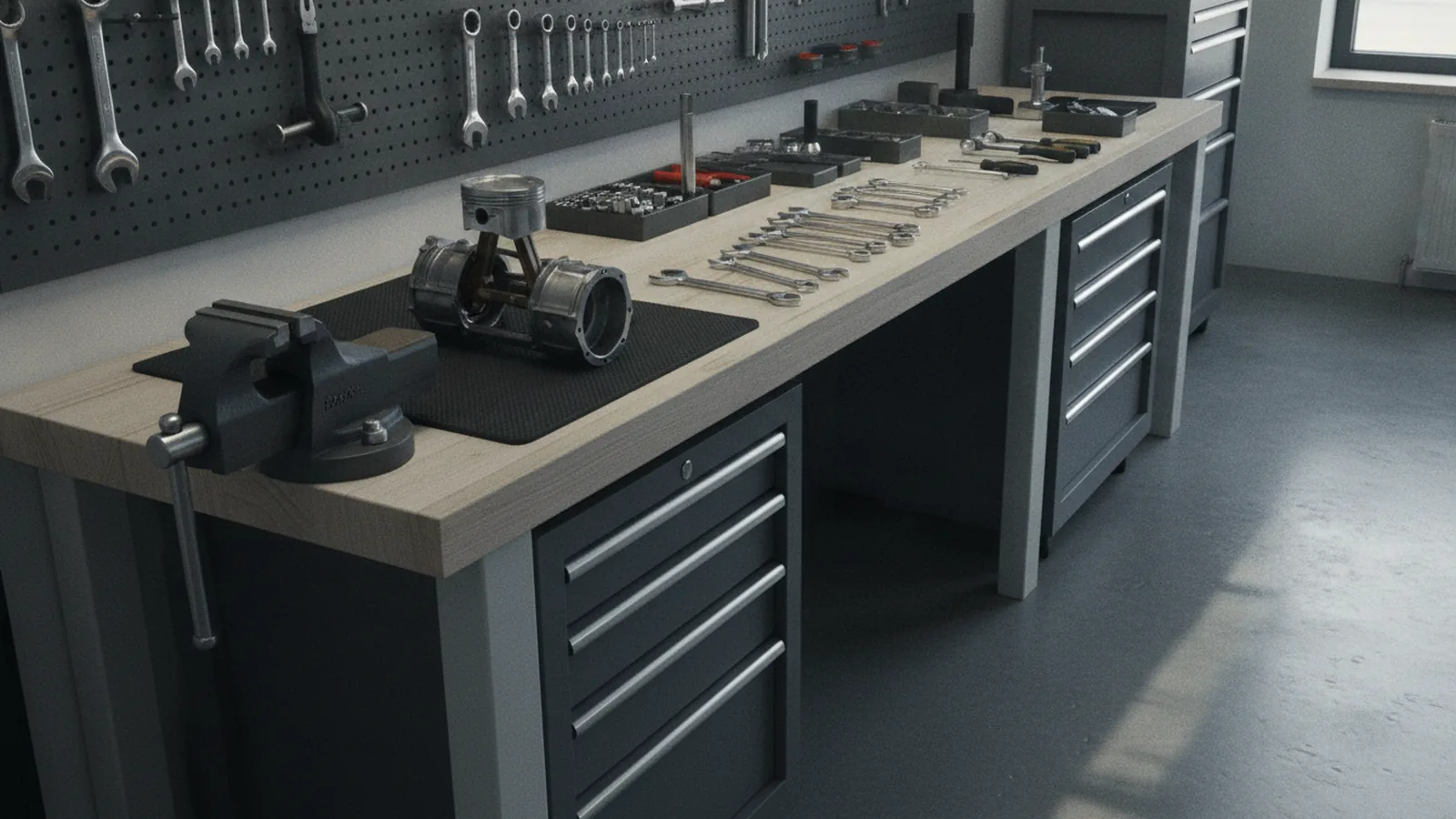
Is a small engine repair business a good fit?
If you want to know how to start a small engine repair business, start with this: the work is in demand. Many homeowners and small businesses rely on outdoor equipment. They need repairs when mowers, trimmers, and generators stop running. That means consistent local demand for honest diagnosis and fast turnarounds.
Demand is also growing because people keep their equipment longer. They often prefer repair over replacement to save money. A well-run small engine repair shop becomes the trusted local option. You earn repeat customers through good communication and dependable fixes.
Before launching a small engine repair business, pressure-test your area. Look for nearby competitors and ask local dealers where customers go for repairs. Search community pages for “small engine won’t start” posts. If many posts show the same gaps in service, your opportunity is clearer.
- Demand signals: repeat repair needs, seasonal spikes, and few local repair options
- Weak signals: oversaturated pricing, low parts availability, or limited equipment types
- Practical fit: you can handle evenings and weekends during peak season

Estimating startup costs for a repair shop
Startup costs for a repair shop startup usually land between $10,000 and $50,000. The range depends on tools, your workspace, and how much inventory you hold. If you start small from a garage, you may reduce facility costs. If you lease a shop and stock parts aggressively, you may spend toward the high end.
Here is a realistic cost breakdown you can use for estimating startup costs. Prices vary by region and your tool quality. Still, this framework helps you avoid surprises.
| Cost area | What you spend on | Typical range |
|---|---|---|
| Tools and equipment | hand tools, torque wrenches, fuel tools, stands, test gear | $3,000–$15,000 |
| Diagnostics and safety | spark testers, compression tools, PPE, ventilation | $500–$3,000 |
| Facility | lease deposit, utilities, basic shop setup | $1,500–$12,000 |
| Inventory | filters, spark plugs, carb kits, common belts and blades | $1,000–$10,000 |
| Workwear and supplies | cleaners, rags, packaging, labels, disposal needs | $300–$2,000 |
| Business basics | insurance, software, website, signage | $1,000–$8,000 |
To stay in budget, plan a “first year parts list.” Start with what breaks most in your local market. Ask repeat customers which brands they own. Then stock only high-likelihood parts. This supports better financial management early.
- Buy the minimum diagnostic set first. You need speed, not every specialty tool.
- Stock fast movers. Filters, plugs, carb kits, belts, and gaskets go first.
- Set aside cash for slow sellers. Some parts sit longer than expected.
- Track tool replacements. Budget for wear items and replacements.

Essential skills, knowledge, and personal qualities
To succeed, you need solid mechanical skills and the ability to explain problems clearly. Engine repair is hands-on work. But customer trust comes from how you diagnose and communicate. When customers understand what you found, they approve repairs faster.
Your core technical skills should cover diagnosis, fuel and spark basics, and common repair jobs. Many shops get stuck on the easy problems. Focus on repeatable fixes like carb cleaning, spark plug replacement, and recoil pull repairs. Then add deeper skills like valve checks, compression testing, and carb rebuilds as you learn.
Alongside mechanical expertise, you need business acumen. That includes pricing, parts sourcing, scheduling, and basic bookkeeping. If you do not track labor time and parts costs, financial surprises show up quickly.
- Mechanical expertise: diagnose no-start and poor-run issues using reliable test steps
- Business acumen: pricing that covers labor, parts, and overhead
- Customer service: clear estimates, status updates, and polite handling of delays
- Engine maintenance mindset: spot wear that causes repeat failures
Also consider your workflow. A shop that can intake quickly and return engines reliably wins repeat work. Build a standard process for triage, estimates, and updates. It makes your day calmer during peak seasons.
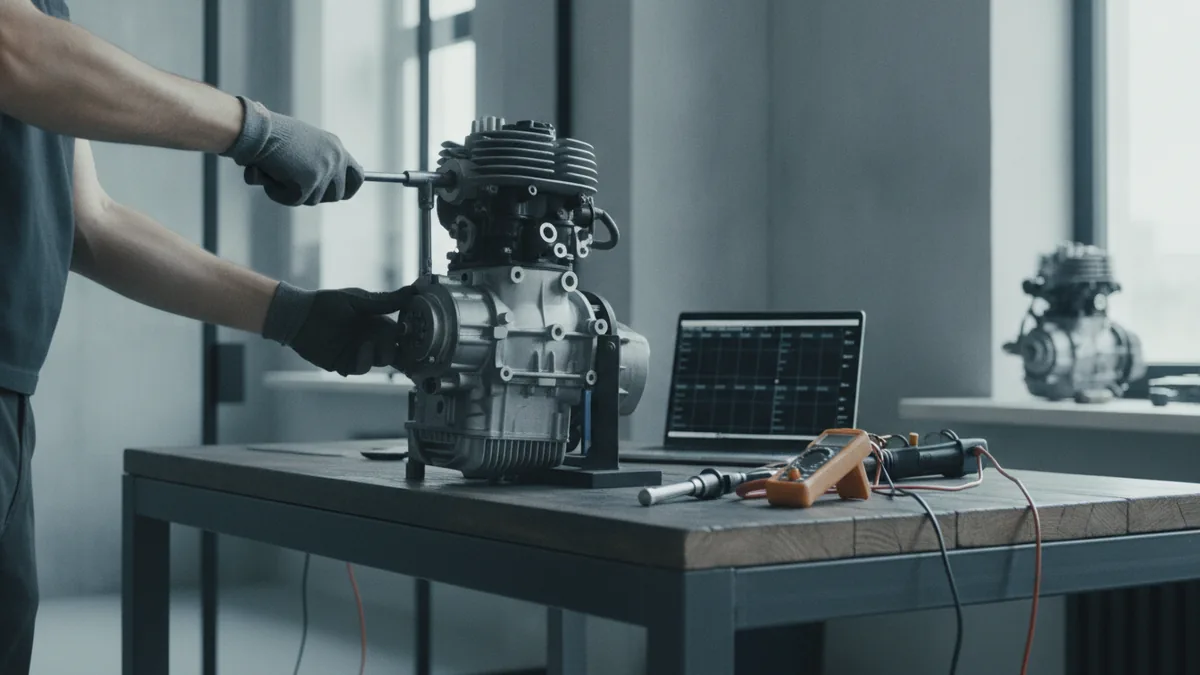
Creating a business plan that keeps you on track
A business plan is a tool for decisions, not a document for decoration. In business planning for a small engine repair business, include clear objectives and measurable progress tracking. You should know your target income and how many jobs you need each week.
Start with your objectives and target market. For example, your shop might focus on residential mowers and small generators within a 10-mile radius. Or you might specialize in a few popular brands. Your target affects your parts inventory and staffing needs.
Next, list your services and how you price them. Common services include tune-ups, carb repairs, blade and belt replacements, oil and filter work, and troubleshooting. Include whether you offer pickup, mobile service, or only in-shop repair.
Then add financial projections. Use realistic labor rates and parts costs. Include a break-even target for monthly fixed costs like rent, insurance, and utilities. Also plan cash flow for slow months. If you wait to see the numbers after opening, you will likely feel the squeeze.
- Objectives: revenue goal, turnaround target, and monthly repair volume
- Target market: brands, equipment types, and local service radius
- Services: what you offer and what you refer out
- Financial plan: monthly expenses, expected job mix, and break-even point
- Tracking: weekly pipeline and repair completion metrics
Finally, write a “progress rhythm.” Review your numbers every week. Update estimates for parts and labor time as you learn. This turns your plan into a living guide as your shop grows.
Choosing a business structure and handling liability
Picking a business structure affects taxes, liability, and paperwork load. Many new owners consider an LLC for liability protection and flexible tax options. An LLC can help separate business risks from personal assets. It may also offer more flexibility for how profits are taxed.
That said, the right choice depends on your situation. Factors include your state, expected revenue, and whether you will hire employees. If you plan to start a small engine shop as a sole proprietor first, you still need clear insurance and safe work practices. Then you can upgrade structure later if the business scales.
Also plan for contracts and estimates. Use written authorization for major repairs. If a customer approves repairs that require parts backordering, document the timeline. This reduces misunderstandings and protects your time.
- LLC: common choice for liability protection and flexible setup
- Sole proprietor: easiest start, often less paperwork
- Partnership: only if roles and risk split are clear
Talk to a local accountant or attorney if you can. One good conversation can save months of rework later.
Licenses and permits you may need
Licenses and permits vary by location. Local business regulations can include a general business license, sales tax registration, and sometimes zoning approvals. Some areas require a home occupation permit if you repair from a garage. If you plan a retail counter, rules can be stricter.
Check local requirements before you buy a lease or start advertising. Many owners budget tools, then lose time fixing administrative issues after they open. A simple pre-launch checklist saves stress.
Also think about safety and disposal rules. You will handle fuels, oils, and solvents. Your local regulations may require proper waste disposal. That affects operating costs and where you can legally store materials.
- Confirm your address is allowed. Zoning and home occupation rules can apply.
- Verify tax registrations. Needed for parts sales and receipts.
- Check required licenses. Some cities require specific permits.
- Plan for safety rules. Fuel storage and waste disposal may be regulated.
If you are unsure, contact your local business office. Ask what applies to engine repair and parts sales. It is faster than guessing.
Marketing strategies to bring in customers
Customer acquisition starts before the doors open. When you are launching a small engine repair business, you want search and word-of-mouth to work together. A simple website helps customers trust your shop. It also gives you a place to share pricing ranges, your service area, and how customers drop off equipment.
Use social media with real proof. Post before-and-after outcomes in plain language. Share tips for small engine maintenance like how to check spark or keep carburetors clean. Avoid vague posts. Focus on results and fast explanations.
Network in the community. Partner with landscapers, lawn care services, and local hardware stores. Ask if they refer repairs when customers need help. Attend local events where equipment owners gather. Even a small weekly presence can pay off during the busy season.
- Website essentials: services, service area, contact method, and an easy intake form
- Social proof: short repair stories and clear turnaround expectations
- Local partnerships: landscapers, small dealers, and community groups
- Repeat customers: maintenance tips and follow-up reminders
Finally, tighten your intake and estimate process. Offer a clear diagnostic fee or estimate approach. Then communicate timelines honestly. When you deliver on your promise, referrals increase without extra spending.
Frequently asked questions
- How to start a small engine repair business from home?
- Start by confirming zoning and home occupation rules in your area. Build a focused tool and parts setup, then market locally with clear drop-off instructions.
- What startup costs should I expect for a small engine repair shop?
- Many owners spend about $10,000 to $50,000. Your main drivers are tools, your workspace, and how much inventory you stock early.
- What skills do I need to succeed in small engine repair?
- You need mechanical skills for diagnosis and common repairs. You also need customer service and basic business skills like pricing and financial management.
- Do I need licenses or permits to launch a small engine repair business?
- Often yes, but the exact requirements vary by location. Check local business regulations for licensing, sales tax registration, and any zoning rules.
- How should I price repairs in a small engine repair business?
- Use your expected labor time plus parts costs and overhead. Consider a diagnostic fee or transparent estimate process to protect your schedule.
- What marketing works best for a new small engine repair business?
- Create a simple website, post useful maintenance tips on social media, and network with local lawn care providers. Strong communication and reliable work turn first customers into referrals.
Related reading

Start a Mobile Drug Testing Business (Without a Lab)
Build a mobile testing service with sound training, lab links, and clear pricing.

Start a Business with a Problem Worth Solving
Turn a useful idea into a business with clear steps, sound research, and steady resolve.

Loft Conversion Timelines — What Affects the Build
Typical build times range from four to twelve weeks, plus planning and setup.