How to Start a Studio Business: Recording, Dance, and Rehearsal
A practical guide to starting a studio business for recording, dance, and rehearsals.
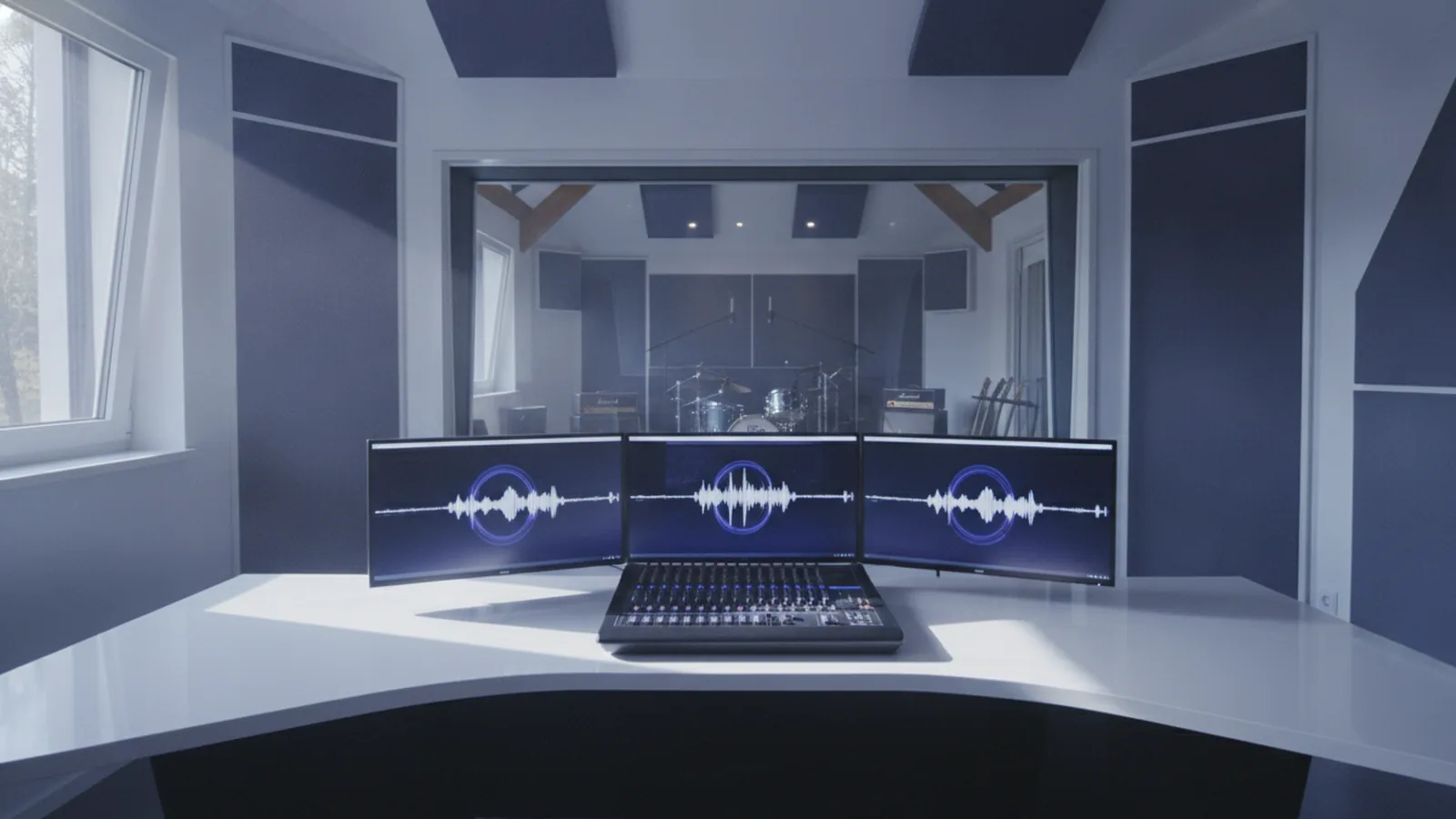
Key considerations for starting a studio
Learning how to start a studio business starts with one clear choice. Decide which studio type you are building. This guide covers a how to start a studio recording business, plus dance and rehearsal studios.
Next, pick your first niche. For recording, it might be indie bands, voice-over, or local choirs. For dance, it could be ballet training, hip-hop coaching, or adult classes. For rehearsal space, focus on theater groups, choirs, or dance teams that need regular room time.
Then define your service promise. A recording studio might offer fast demo turnaround and solid tracking support. A dance studio can promise structured classes and safe space for skill growth. A rehearsal studio can promise schedule reliability and room setup that matches productions.
- Choose a target client niche for your first year
- Write your service promise in plain customer language
- Plan your studio design around real session needs
- Set prices based on time, outcomes, and added services
Market research and competition you can learn from
If you are serious about how to start a recording studio business, study local studios before buying gear. Visit nearby spaces and ask what they include in each package. Pay attention to turnaround times, deliverables, and how clients feel during sessions.
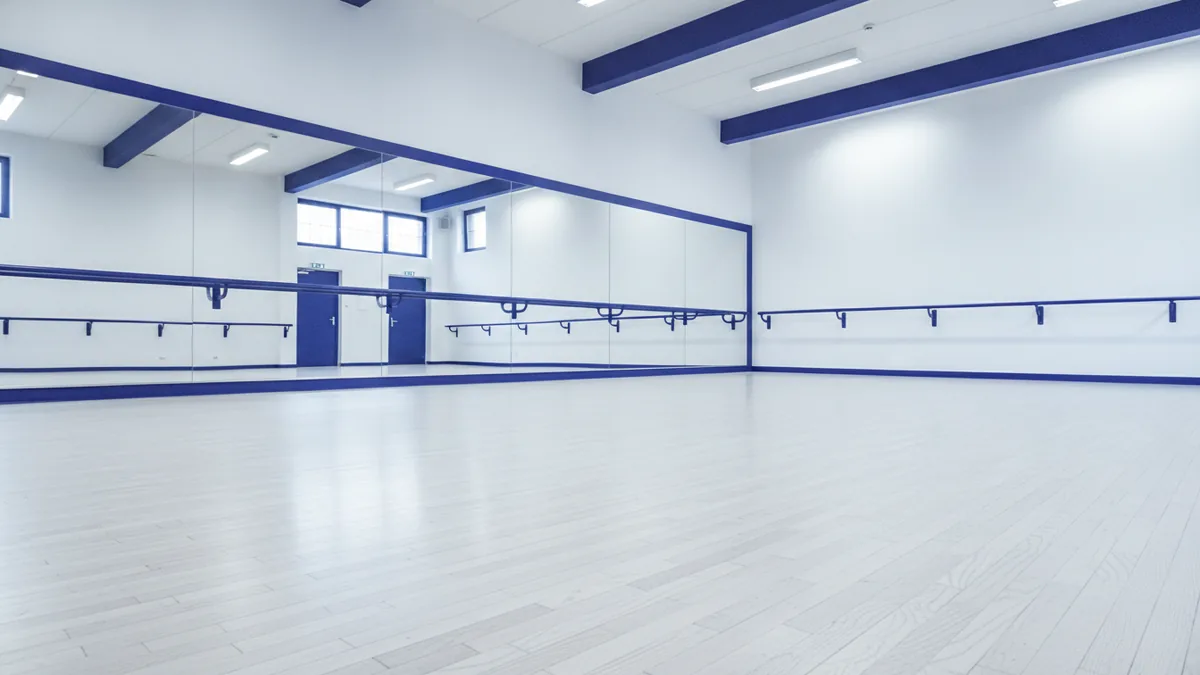
Use the same approach for dance. Look for class schedules, instructor styles, and studio rules that reduce injuries. If you want how to start a dance studio business, map what the best options do well. Then find one gap you can fill, like late-week training or beginner-friendly progress plans.
For how to start a rehearsal studio business, check how groups book space. Many rooms fail on reliability, late start rules, or setup friction. When you visit, ask about parking, noise limits, and what is required for warm-ups and rehearsals.
Also check the online presence. Strong studio branding and clear booking steps often beat nicer rooms. Make sure your site or listing answers what clients want to know fast.
- List your top three local competitors
- Compare packages, hours, and deliverables
- Review reviews for repeated complaints
- Note how booking is handled and who responds fastest

Location, space, and studio design that works
Location affects cost, access, and how often people show up. When learning how to start a dance business, look for safe routes, parking, and nearby public transport. Dance students quit when logistics are hard.
For recording, think about recording studio setup and workflow. A typical setup separates the live area from the control area to reduce bleed. That separation protects performance and improves mixing decisions.
For rehearsal studios, space planning is simpler but still critical. You need enough floor area, clear room rules, and safe storage for props. If you plan for theater groups, consider where costumes and quick changes can happen.
Before you sign a lease, test noise sources. Traffic, bars, and plumbing can ruin quiet takes. Also confirm isolation limits so you do not end up paying for costly fixes later.
- Confirm access, parking, and schedule convenience
- Plan room layout for the work you sell
- Check noise sources before committing to a lease
- Budget for separation needs in recording spaces

Recording equipment and studio setup by budget
Choosing gear is part of how to start a recording studio business, but it is not the whole plan. Start with your service offerings and work backward to your signal path. If you offer band tracking, you need reliable microphones, monitoring, and a workflow built for fast setups.
If your focus is vocals and overdubs, prioritize clean preamps and good monitoring. Clients judge clarity quickly. Underpowered systems can also slow sessions because you keep redoing takes.
Build your studio from repeatable session flow. Create DAW templates, routing plans, and backup rules. This supports operational management and helps you stay consistent with each client.
Here is a practical way to stage purchases for a strong business model. Start with the essentials, then add outboard or extra mics after early bookings.
| Studio need | What to prioritize first | What it enables |
|---|---|---|
| Microphones and preamps | Core set for vocals and key instruments | Reliable recording coverage |
| Audio interface | Stable multi-input interface | Fast tracking and routing |
| Monitoring | Accurate monitors for your room | Better mix decisions |
| Headphones | Closed-back for tracking | Lower bleed and comfort |
| Workflow tools | DAW templates and backup process | Operational consistency |
- Buy microphones and preamps before fancy extras
- Set up monitoring you trust at your listening positions
- Use templates to reduce session setup time
- Plan storage and backups before your first big job
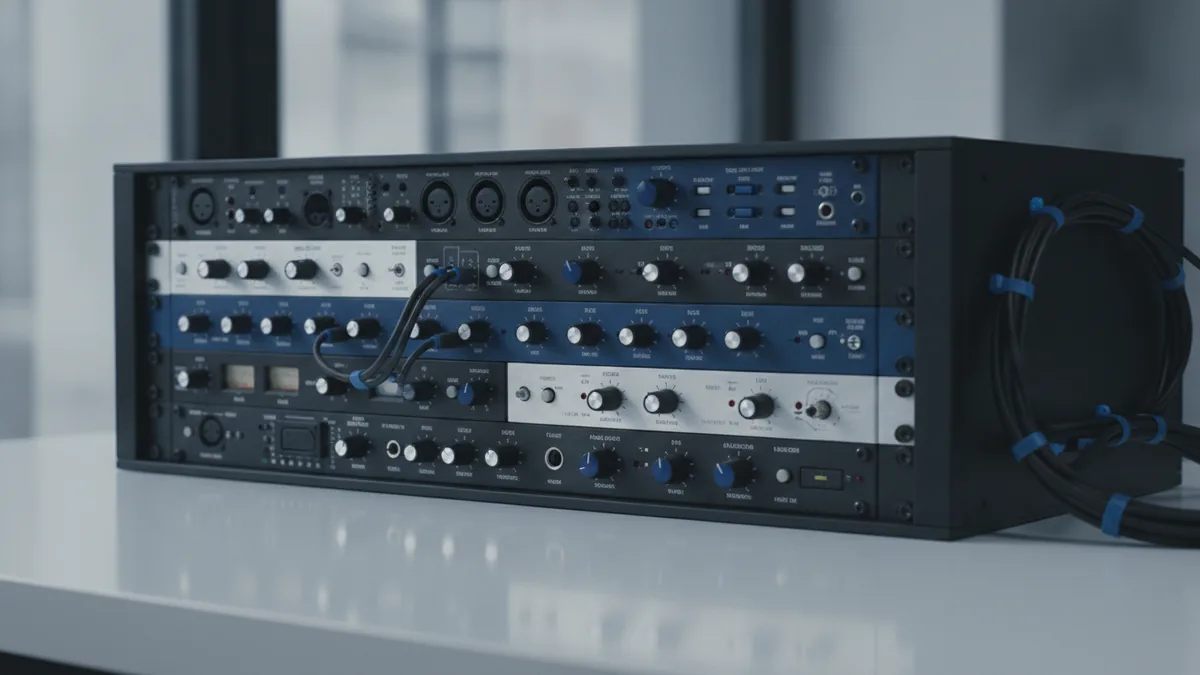
Acoustic treatment and acoustic analysis that clients feel
Acoustic treatment for studios is what turns a room from “usable” into “trusted.” Even strong recording equipment cannot fix bad reflections. Your goal is controlled decay and clear sound at key positions.
Start with acoustic analysis, even if it is basic. Measure or listen for boom, harshness, and uneven balance. Early reflections can blur imaging and make mixes harder.
Then treat the room in a sensible order. Many teams start with early reflections and bass control. A balanced approach matters more than chasing expensive materials.
If you are building a rehearsal space, acoustics still matter. Dance and theater groups need intelligible sound for music cues. For recording, acoustics can be the difference between quick takes and constant retakes.
- Identify the biggest acoustic problems by listening
- Treat early reflection points first
- Add bass trapping where low end rings
- Re-check results at listening positions
Business plan, legal requirements, and budgeting for studios
To keep your plan real, write a simple business plan with a clear business model. Decide your pricing basis, like hourly rates, class packs, or recording packages. Then list service add-ons such as editing, mixing, or extra rehearsal time.
You also need legal requirements for businesses. Research licenses and permits needed for your location and studio type. Also confirm rules about signage, occupancy, and safety standards. If you sell tickets for a competition, extra rules may apply.
Next, do budgeting for studios with ongoing costs. Utilities, maintenance, software updates, and cleaning add up. Plan for sound system checks, instrument care, and replacement parts.
Run basic financial forecasting before launch. Estimate revenue from booked sessions, then subtract recurring bills. This helps you set operational management targets for weeks with lower demand.
- Choose a pricing model that matches your service promise
- Budget for ongoing expenses, not just startup purchases
- Confirm legal needs before you open
- Forecast monthly cash flow with realistic booking numbers
Marketing a recording studio and attracting dance or rehearsal clients
Marketing a recording studio starts with client acquisition that matches your niche. Share sample work, session stories, and clear booking steps. Make it easy for artists to understand what happens during a session.
For dance, marketing should show progress and community. Post class schedules, coach bios, and event announcements. If you are figuring out how to start a dance competition business, emphasize judging criteria, timelines, and safety rules for participants.
For rehearsals, show reliability. Offer simple booking options and clear room rules. Groups care about start times, space layout, and whether tech setup is supported.
Network inside the music industry networking sphere and local arts scene. Recording studios benefit from relationships with producers, managers, and venues. Dance and rehearsal studios benefit from partnerships with schools and directors.
Here are practical marketing actions that work across studio types.
- Create a clear service menu with pricing ranges
- Build a booking flow that reduces back-and-forth
- Offer a starter package for your target niche
- Collect reviews after each completed job
- Partner with local teachers and event organizers
Tips for long-term success in studios
Long-term success depends on operational consistency. Use checklists for session prep, room reset, and equipment safety. This reduces mistakes and protects your reputation.
Also keep your service offerings tight. If you try to do everything at once, quality drops. For example, a recording studio can start with tracking and editing packages before expanding into full production.
For how to start a rehearsal studio business, reliability is your brand. Keep schedules accurate and communicate changes early. A simple policy for late starts and cancellations can prevent chaos.
Finally, refresh your setup as needs evolve. Update gear when it improves session speed or quality. Review your studio branding and client feedback each quarter to stay aligned with what people want.
- Track repeat clients and measure session satisfaction
- Keep policies simple and consistent
- Improve workflow before upgrading gear
- Expand only after you hit steady bookings
Frequently asked questions
- How do I start a studio recording business from scratch?
- Start with your target clients, then design your recording studio setup and workflow around their needs. Build a basic gear list, plan acoustic treatment, and set a clear pricing model.
- What is the first step for how to start a studio business?
- Pick the studio type and write a simple service promise. Then research competitors and choose a location that supports how clients arrive and book.
- How do I start a dance studio business and get students quickly?
- Offer classes for one niche, like beginner levels or a single style. Market your schedule, build trust with reviews, and partner with local schools and coaches.
- How do I start a rehearsal studio business for theater or dance groups?
- Offer reliable booking, clear room rules, and a layout that supports warm-ups. Make sure noise control and acoustics support music playback and rehearsals.
- What do I need to know to start a dance competition business?
- Define the format, judging criteria, and safety rules before you market. Set timelines for registration and communication, then build partners with studios and venues.
- How much should I budget for acoustic treatment for studios?
- Budget for early reflections and bass control first, then expand based on results. Do acoustic analysis so you spend money where your room needs it most.
Related reading

How CRM Improves Business Performance — From Sales to Service
See how CRM can help your team serve customers and work smarter.
Find Consulting Jobs (From Search to Offer)
Find consulting roles, build strong applications, and prepare for interviews.

Start a Property Management Business (From First Steps to Growth)
Build a property management firm with the right niche, rules, tools, and client plan.