How to Start a Stump Grinding Business: Pricing, Equipment, Marketing
Learn how to start stump grinding business with equipment, techniques, pricing, and marketing.
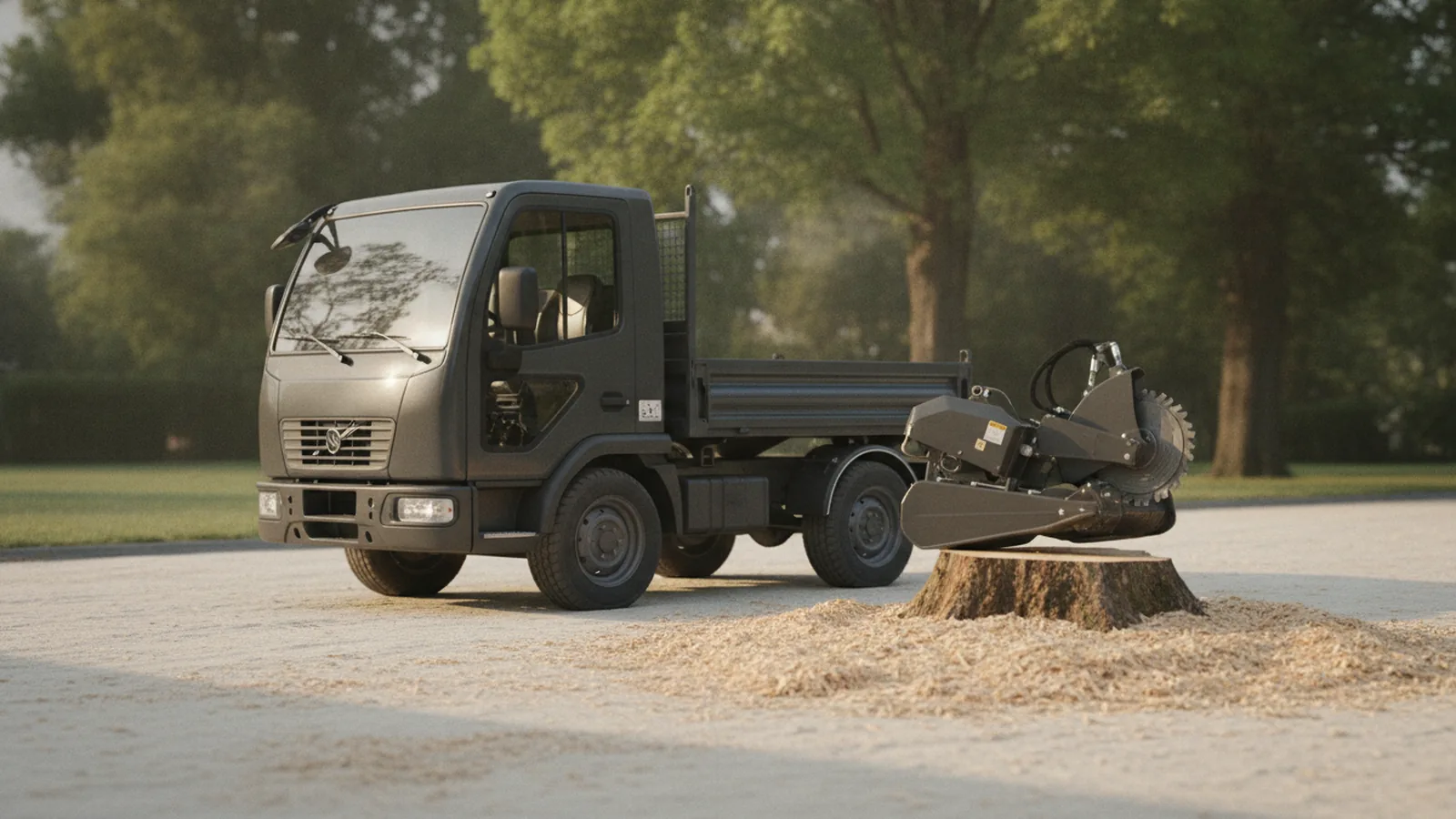
Start here: can a stump grinding business make money?
If you want to know how to start a stump grinding business, the fastest path is simple. Focus on safe, repeatable grinding jobs, price clearly, and build steady local leads. Stump grinding can be profitable when you keep travel time low and you finish each site quickly.
Most customers only compare cost after they understand the hassle they avoid. Clear promises help: fast cleanup, minimal yard damage, and a plan for roots and re-growth. Your goal is reliable stump removal services that tree service businesses and homeowners can trust.
Before you buy equipment, write a business plan for stump grinding around your area. Estimate how many jobs you can complete per week, then match that to your fixed costs. That simple model helps you set realistic pricing for stump grinding from day one.
- Target a niche first, like small residential stumps or busy construction sites.
- Track job time on day one, not after you feel “busy enough.”
- Build a small portfolio of before-and-after results.

Essential stump grinder equipment and safety gear
Stump grinder equipment is the core investment, but it is not the whole setup. You need the grinder itself, plus safety gear and support tools to work efficiently and safely. When you skip gear, you pay with injuries, downtime, and potential insurance problems.
Grinders come in different types. A tow-behind unit is common for larger sites, while walk-behind and compact models fit residential yards. If you plan to handle tight access, a smaller unit can reduce travel and setup time.
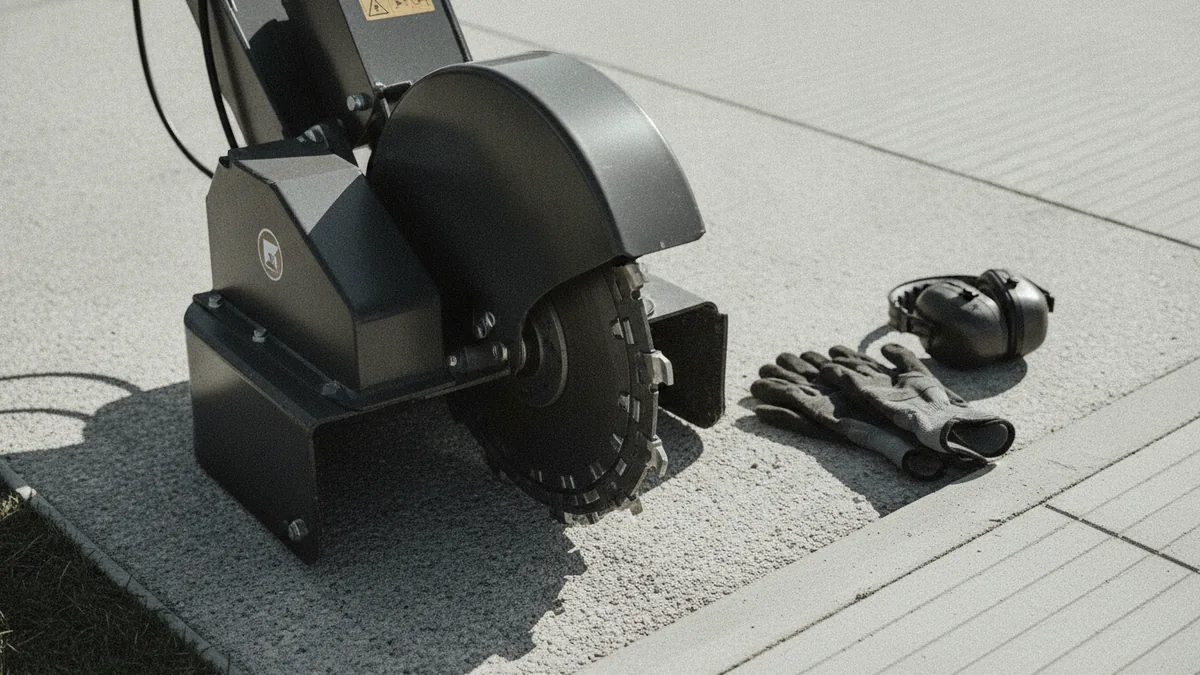
At minimum, budget for eye and hearing protection, cut-resistant gloves, and sturdy boots. Many operators also use a face shield and high-visibility clothing for situational awareness. If you ever work near landscaping features or fences, plan for extra hand tools and a way to manage debris safely.
| Equipment | Why it matters |
|---|---|
| Stump grinder (walk-behind or tow-behind) | Main tool for stump grinding and cleanup speed |
| Safety gear (eye, hearing, gloves, boots) | Helps you meet safety regulations in landscaping |
| Debris management tools | Reduces time spent raking and bagging |
| Chipper or haul tools (optional) | Useful if you bundle stump removal with brush cleanup |
Also consider insurance for stump grinding services before you take your first call. Even a “simple” stump job can damage underground lines or nearby structures. Insurance helps protect both you and the customer, which supports trust and repeat work.
Stump removal techniques: grinding, digging, chemicals, and vertical drilling
Customers may say “remove the stump,” but the best solution depends on the site. You should understand stump removal techniques so you can choose the right approach fast. Often, traditional grinding is enough, but some stumps need extra planning.
Traditional stump grinding uses a rotating cutting wheel to reduce the stump into wood chips. It is usually the quickest option for most yards and it leaves less mess than full excavation. Your skill shows in how you control depth, manage leverage, and keep roots from turning into a bigger job.
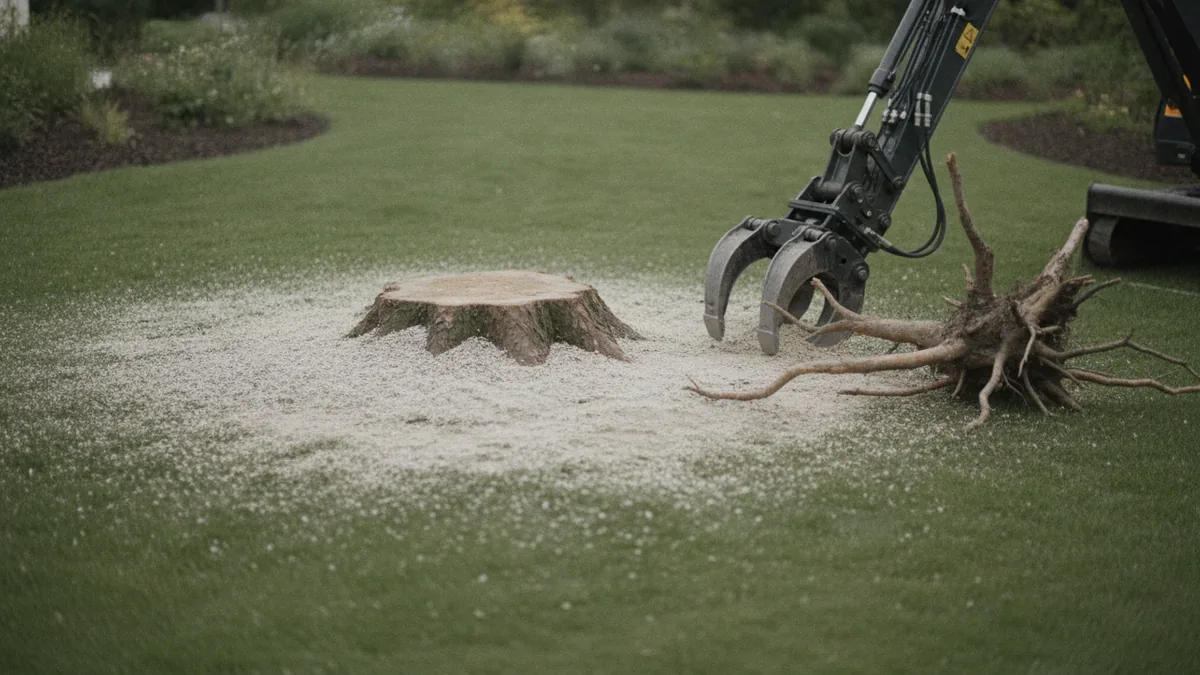
Digging is the alternative when the customer wants full removal or when roots are extensive. This method typically takes more time and may require hauling and disposal. You should use it when the cost is justified by access constraints or when grinding alone will not meet expectations.
Chemical methods can be slow. They rely on treatments to weaken the stump and roots over time. They may fit rare situations, but they can conflict with customer timelines and neighborhood rules.
Newer approaches can help when access is limited or when stump work must be precise. Vertical stump drilling is one example. It can target internal points for specialized follow-up, depending on your method and tools. If you consider newer technology, start with a small number of jobs to learn how it performs in your local soil types.
- Assess the stump size and root spread. Ask about nearby fences, sidewalks, and utility lines.
- Pick the method that matches time and access. Choose grinding for most cases, add digging if needed.
- Plan depth and cleanup before you start cutting. Set expectations for wood chips and re-growth.
- Document results. Photos help you quote future jobs and reduce disputes.
Pricing strategies for stump grinding services that customers understand
Strong pricing is one of the biggest keys in how to start a stump grinding business. Customers want clarity, not a confusing estimate. Your pricing for stump grinding should match the real drivers: stump diameter, grind depth, access difficulty, and cleanup time.
Many operators use three common pricing models. Per stump pricing works for simple jobs with similar access. Per inch pricing fits when stump size varies widely across calls. Hourly pricing can be useful when each job is unpredictable, but it requires tighter time control to protect profit.
To set competitive rates, study market rates in your area and then adjust for your service level. If you arrive with a compact grinder, fast cleanup, and clear communication, your value may justify a slightly higher price. Still, you should anchor quotes in measurable factors so customers can compare you fairly.
| Model | Best for | Common add-ons |
|---|---|---|
| Per stump | Small yards with consistent access | Extra cleanup, difficult disposal |
| Per inch (diameter) | Mixed stump sizes | Deeper grind, heavy root flare |
| Hourly | Complex stumps or tight schedules | Setup time, travel waiting time |
Write a simple quote script. Mention what you will grind, what “done” looks like, and how debris will be handled. If you plan to remove remaining roots or adjust grind depth, price those items up front as options.

Marketing your stump grinding business with local leads
Marketing stump grinding business growth is mostly local marketing techniques. Your best leads often come from people who already manage landscaping, trees, or building projects. You can win those leads by showing reliable results and fast response times.
Start with local platforms where homeowners search for service quickly. A well-managed profile with real photos and clear service areas can outperform a generic ad spend. Keep your call-to-quote time short, and follow up within the same day.
Network with tree service businesses and construction companies. Offer a referral fee or a simple partnership model when it fits your budget. Construction crews often have recurring stump issues around new builds, and they value predictable scheduling.
Use social media to show your work process, not just the final grind. Short clips of safe setups, chip cleanup, and before-and-after results build trust. Make sure your posts match what you actually deliver, since customers will check details before booking.
- Ask for reviews right after the final cleanup.
- Post job photos with consistent lighting and angles.
- Create a service list: stump grinding, optional brush cleanup, and related yard tasks.
Manage costs, track profit, and avoid common traps
Cost management decides whether you grow or stall. In a stump grinding business, your biggest overheads include equipment payments, fuel, maintenance, disposal, insurance, and your time. If you do not track these, you can “make revenue” and still miss profit.
Streamline operations by standardizing your setup and cleanup. Make sure you have a checklist for every job: safety gear, wheel condition, debris plan, and a way to cover extra disposal needs. When you reduce wasted steps, you finish faster without rushing cuts.
Understand your overheads and price to cover them. Example: if your monthly fixed costs are $3,000 and you plan 60 billable hours, you need at least $50 per hour just to cover fixed costs. Then add variable costs like fuel, consumables, and disposal fees. That is your baseline for pricing decisions.
Also protect your equipment. Dulling cutters, poor maintenance schedules, and ignoring vibration or belt issues can slow you down. A slower grind means fewer jobs per day, which directly reduces profitability.
- Track job time from arrival to final cleanup.
- Log fuel use and disposal costs by job.
- Set a maintenance window before busy seasons.
Expanding business opportunities beyond stump grinding
Once you have a steady flow of grinding jobs, expansion can boost income without reinventing your process. Many customers want more than just stump removal. You can add full tree removal or related landscaping tasks depending on your tools, licenses, and team capacity.
Start with add-ons that fit your existing workflow. If you already manage debris, offer brush hauling or stump site cleanup as a package. If you have a chipper option, bundle chip hauling with the grind. This can raise average ticket size and reduce customer shopping around.
Consider partnering with other specialists for tasks you cannot do safely. That keeps your brand consistent while filling gaps in service. It also helps you refer work in return, which strengthens your local network.
As demand grows, you can hire help or subcontract specific roles. One person can manage quotes and scheduling, while experienced crews handle grinding. This shift can stabilize your calendar and protect quality.
| Expansion idea | How it increases value |
|---|---|
| Tree removal add-on | Higher ticket for full yard restoration |
| Brush and debris hauling | Less customer effort, faster close rate |
| Seasonal cleanup bundles | Helps you smooth demand across months |
If you plan expansion, update your business plan for stump grinding with new costs and training needs. New services change equipment, safety setup, and insurance requirements. Done well, expansion turns your stump grinding services into a broader landscaping solution.
Frequently asked questions
- What is the first step in how to start a stump grinding business?
- Write a simple business plan for stump grinding. Estimate weekly job capacity, fixed costs, and your target pricing, then buy equipment that matches your demand.
- Do I need a stump grinder and a chipper to start?
- Not always. A stump grinder is essential for stump grinding services, while a chipper can help if you want brush cleanup bundles.
- What stump removal techniques should I offer besides grinding?
- You can include digging for full removal needs. Chemical options are slower, and vertical stump drilling may help in specific access or precision cases.
- How do I set pricing for stump grinding services?
- Price based on stump diameter, desired grind depth, and access difficulty. Use market rates in your area, then add clear add-on options for cleanup and tough sites.
- What marketing stump grinding business strategies work best locally?
- Use local platforms, request reviews, and share real before-and-after results. Network with tree service businesses and construction companies for steady referrals.
- How can I manage costs and stay profitable?
- Track job time and variable costs like fuel and disposal. Standardize your setup and cleanup so you do more billable work per day.
Related reading

Start a Mobile Drug Testing Business (Without a Lab)
Build a mobile testing service with sound training, lab links, and clear pricing.

Start a Business with a Problem Worth Solving
Turn a useful idea into a business with clear steps, sound research, and steady resolve.

Loft Conversion Timelines — What Affects the Build
Typical build times range from four to twelve weeks, plus planning and setup.