How to Start a Yarn Business: Planning, Setup, and Permits
Learn how to start a yarn business with a clear plan for costs, permits, suppliers, and marketing.

Planning Your Yarn Business
To learn how to start a yarn business, start by choosing a focused niche and building a realistic budget. The right niche keeps your spending tight and helps you explain your value fast. In the craft market, buyers often choose based on fiber type, color depth, and how well products fit local tastes. You can win even with small inventory if you pick a clear style and audience.
Begin with research on yarn inventory you can source and patterns people actually buy. Look at local craft fairs, online shop listings, and community groups where knitters share recommendations. Track what sells quickly and what sits for weeks. Then decide your angle, such as premium fibers, easy-care yarn for beginners, or limited color runs.
Turn research into a one-page plan. Write down your customer, your product focus, and your expected pricing. Include a simple sales forecast and a restock rhythm. This is also where yarn inventory management becomes clearer, because you will know what needs frequent reorders.
- Pick one niche for your first 6–12 months.
- Set price points that cover materials, packaging, and returns.
- Plan repeat buys, not only one-time purchases.
- List your must-have products and your optional add-ons.
One key decision for starting a yarn shop is whether you will sell ready-made yarn only or also dye or customize colors. If you are exploring a yarn dyeing business startup, confirm demand for your color style early. Dyeing adds extra costs and process steps, so you want proof before buying supplies.

Legal Requirements and Permits
When you are starting a yarn business, legal setup should be early, not last. The basics usually include choosing a business structure, getting an EIN, and obtaining sales tax tools like a Seller’s Permit. Requirements vary by state, so treat this section as a checklist of topics to confirm locally.
Many owners choose an LLC for liability protection. Business structure options depend on taxes, ownership, and how you plan to sell. An LLC can help keep personal assets separate from business debts. It also gives you flexibility if you add partners later.
You will also need an EIN from the IRS for tax and banking steps. Even if you start small, it makes vendor setup and recordkeeping easier. Next, apply for the permits and licenses that apply to retail or online sales. In many states, a Seller’s Permit lets you collect sales tax legally when you sell products.
| Need | What it helps with | Typical timing |
|---|---|---|
| LLC or other business structure | Liability protection and tax setup | Before opening accounts |
| EIN | Taxes, bank account, vendor forms | Before vendor ordering |
| Seller’s Permit | Collect sales tax where required | Before first sale |
Keep documentation in one place. Save your formation papers, permit confirmations, and tax IDs in a folder you can access quickly. If you will sell at markets, keep copies for pop-up events. This reduces last-minute stress and helps you stay compliant.

Inventory and Supplier Relationships
Inventory planning is where many new shop owners lose money. If you buy too much, you tie up cash and risk slow-moving stock. If you buy too little, you frustrate customers and miss early momentum. Your goal is yarn inventory management that matches demand and keeps reorders predictable.
Start by mapping your first product mix. For example, you might stock a hero yarn line, a budget option for beginners, and a small selection of specialty fibers. Include complementary items like stitch markers, patterns, or project bags. These add-ons can lift order size without requiring large inventory purchases.
Build supplier relationships before you need a big reorder. Ask vendors about lead times, minimum order quantities, and whether they can replace damaged shipments. If you are exploring how to start a yarn shop business that includes dyeing, confirm pigment or dye lot availability and color consistency policies. Consistency matters when customers expect the same shade twice.
- Choose 2–3 suppliers so you are not dependent on one.
- Request sample quantities and test before large buys.
- Track pricing per unit and shipping costs per order.
- Set a reorder point based on your sales pace.
Use simple tracking from day one. A spreadsheet works for early stages, as long as you record cost, supplier, batch or dye lot, and sales. Over time, you can decide whether you need dedicated inventory software. For now, focus on accuracy and speed.
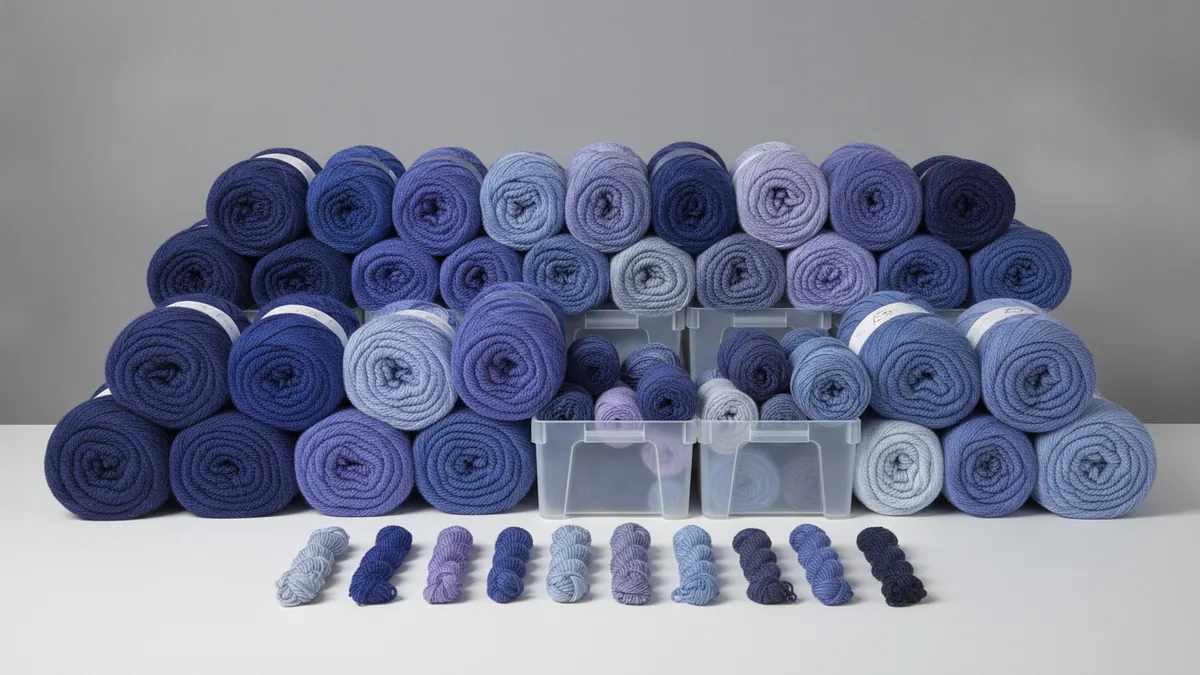
Setting Up Your Workspace
Your workspace should match your sales model. If you are starting a yarn shop with in-person sales, you need a clean display and packing flow. If you are learning how to start a yarn dyeing business, your workspace needs safe handling steps for dyes and thorough drying control. The layout you choose can directly reduce mistakes and wasted materials.
For a home workspace, plan a dedicated work zone and a separate storage zone. Keep materials organized by type and keep dyes or chemicals in sealed containers. Provide good ventilation and use storage that prevents spills. For retail, plan space for receiving, shelving, and a packing station near your checkout workflow.
At minimum, you need reliable equipment for operations. This often includes storage bins, scale for accurate weights, label supplies, and sturdy shipping materials. For dyeing, add items like protective gear, heat or drying tools, and a system for batch tracking. You want a repeatable process so customers get the same results every time.
- Set up a packing station with labels, tape, and mailers.
- Use shelves or bins for fast restocking.
- Keep a “reorder list” next to inventory storage.
- For dyeing, track dye lots and batch dates.
If you plan to sell at craft shows, prepare a transport-friendly display. Use protective covering for yarn bundles and keep your pricing cards visible. Also, set aside time to do inventory counts after each event. That protects your next order decision.
Financing Your Yarn Business
Budgeting early helps you avoid cash flow shocks. Typical startup costs for a yarn business often fall between about $4,100 and $14,000, depending on inventory depth and whether you dye. Retail-only setups can cost less because you buy finished goods. Dyeing requires extra gear, safety needs, and more materials.
Build a startup budget with line items, not guesses. Include opening inventory, packaging supplies, display materials, and marketing launch costs. Add costs for permits, legal setup, and basic equipment you cannot borrow. If you plan to sell online, include a photo setup and time for product listings.
Then compare financing options for startups. Some owners use personal savings, while others seek loans or local grant programs. Start small if needed, and fund growth using early sales. If you use loans, confirm repayment terms and how quickly revenue can cover them.
| Cost category | What to include | Why it matters |
|---|---|---|
| Inventory | Yarn, fiber add-ons, dye materials | Drives what you can sell immediately |
| Setup | Display, storage, scales, drying tools | Prevents delays in operations |
| Compliance | Permits, LLC fees, EIN setup | Keeps sales legal and smooth |
| Launch marketing | Photos, listings, event fees | Creates first customer demand |
Consider a “runway” target before you place large inventory orders. For example, aim to cover at least a few months of fixed costs. That way, slow weeks do not force rushed restocks or discounting.
Marketing Strategies for Your Yarn Shop
Marketing for craft businesses works best when it matches how knitters shop. Many customers look for reliable yarn quality, clear color photos, and patterns that fit their skill level. If you sell dyeing products, consistency and batch tracking can become your trust signal. If you focus on beginners, show how your yarn performs for easy projects.
Start with a tight message and visible product proof. Use product photos that show color under natural light and provide accurate fiber information. Write descriptions that mention feel, weight, and suggested use. Also, plan content you can repeat, like weekly restocks or dye color stories.
Use marketing channels that fit your time. In-person markets build quick trust, while online listings capture search traffic. Email and simple social posting can keep past buyers coming back. If you are starting a yarn shop business that ships, emphasize packaging care and shipping timelines.
- Offer a small starter bundle to lower buying risk.
- Create a reorder-friendly “core collection” section.
- Run a dye drop schedule if you dye colors.
- Partner with local yarn groups and classes.
Track what brings sales, then double down. Measure clicks to product pages, conversion rate, and repeat buys. Over time, you will know which yarn inventory choices earn reorder orders. This feedback loop improves your plan for how to start a yarn business with less guesswork.
Frequently asked questions
- How much money do I need to start a yarn shop?
- Many new owners budget about $4,100 to $14,000, depending on inventory and whether they dye. Start by pricing your first batch and adding permits, packaging, and basic equipment.
- What business structure should I use for a yarn business?
- An LLC is a common choice because it can help separate personal and business liabilities. Still, confirm taxes and setup steps for your state before filing.
- Do I need an EIN and a Seller’s Permit to sell yarn?
- Most sellers need an EIN for tax administration, and a Seller’s Permit for sales tax collection where required. Exact rules depend on your location and sales channels.
- How do I find yarn suppliers for my first inventory?
- Request samples, compare lead times, and choose at least two suppliers. Ask about minimum orders and replacement policies for damaged items.
- How should I set up a workspace for yarn dyeing?
- Create a clean work zone and a separate storage zone, with good ventilation and safe handling steps. Track batches so customers can reorder consistent colors.
- What marketing works best for a small yarn shop?
- Use strong product photos, clear fiber details, and bundles that reduce buyer risk. Combine local events with simple online updates to build repeat customers.
Related reading

Find Consulting Jobs (From Search to Offer)
Find consulting roles, build strong applications, and prepare for interviews.

Start a Property Management Business (From First Steps to Growth)
Build a property management firm with the right niche, rules, tools, and client plan.

Use Digital Marketing Services to Grow Your Business
Explore digital marketing channels, benefits, setup steps, and ways to measure results.