How to Start an Egg Business: A Practical Guide
Learn how to start an egg business with market research, breed choice, housing, hen care, biosecurity, marketing, and licensing.

Understanding egg business basics
If you want to know how to start an egg business, begin with three parts. First, check local demand and pricing. Next, plan your flock, housing, and daily feed routine. Finally, map out sales channels so eggs move fast after they’re laid.
Egg demand can be steady, but your profits depend on margins and consistency. Specialty eggs, like organic or pasture-raised, often sell for more. Still, they may require extra documentation and care steps. That tradeoff is why early market research matters.
Start with a simple demand check in your area. Call nearby stores and ask what brands they stock and how often they restock. Visit two or three local farmers markets and track what sells out first. Then compare prices for regular eggs versus organic or specialty eggs.
Use that intel to estimate your sales volume. A common planning starting point is 4–6 eggs per hen per week. Your real rate will vary by breed, season, daylight, and stress. Plan for a ramp-up period after you add birds.
- Identify who buys eggs: families, bakers, cafes, and specialty buyers.
- Compare regular and organic pricing in your nearby stores.
- Decide whether you’ll sell weekly, daily, or by pre-orders.
- Budget for feed, bedding, repairs, and packaging.

Choosing your chicken breeds for egg production
To learn how to start an egg farm business, choose layer hens that match your goal. Some breeds are known for high egg numbers, while others are popular for calmer behavior. Breed choice also affects egg color and the look customers expect.
Egg color often comes down to genetics. Many people associate brown eggs with certain breeds and white eggs with others. In practice, customers mostly care about consistency and freshness. Still, it helps to align your egg color with what buyers want locally.
Also choose by purpose. If you want eggs first, focus on breeds bred for laying, not meat. If you want dual use, pick a breed that lays well and grows reasonably fast. Just don’t expect meat breeds to perform like layer hens.
Here’s a practical way to decide. Pick a laying-focused breed for your main production, then consider one backup breed for hardiness or temperament. You can also start with pullets from a reputable hatchery or feed store.
| Breed type | Why people choose it | Best fit |
|---|---|---|
| Commercial layer breeds | Reliable egg output | Steady weekly selling |
| Dual-purpose breeds | Eggs plus some meat value | Smaller backyard farming goals |
| Hardy heritage breeds | Good temperament and resilience | Lower-stress animal husbandry |
Finally, plan your flock size. Starting small reduces risk and helps you learn egg marketing and routines. Many new keepers start with 10–30 hens, then expand after seasonal lessons.
Setting up facilities and equipment for laying hens
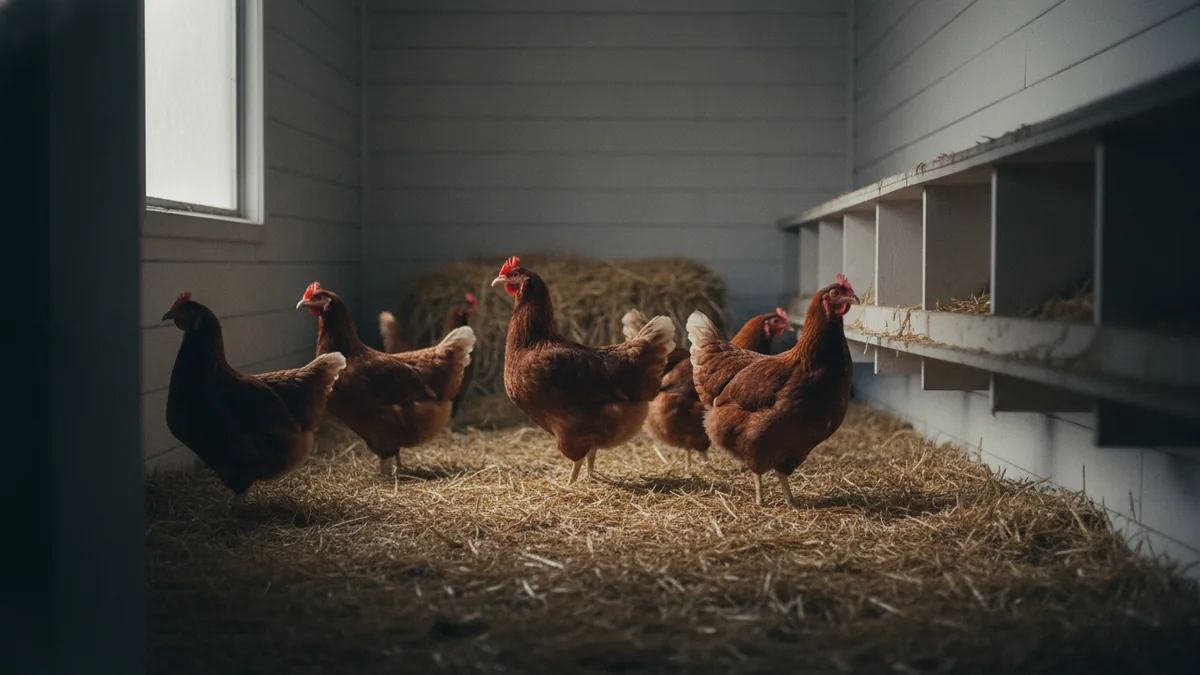
Housing is the backbone of poultry farming success. When you plan how to start an egg production business, design for comfort, cleanliness, and easy daily checks. Poor housing leads to dirty eggs, lower output, and more disease risk.
You need space for movement, safe shelter from weather, and protection from predators. A common baseline for layer housing is about 2–4 square feet inside the coop per bird. Outdoor space can be larger, but your local climate and predator pressure change the math. Always aim for good ventilation without strong drafts.
Next, include nesting boxes where hens can lay in a predictable spot. Provide one nesting area for every few hens, and keep them filled with clean bedding. Eggs should come out clean, not buried in wet litter. That means you also need a plan for bedding changes.
For feeding and watering, pick equipment that suits your flock size. Use a feeder that reduces spillage and a waterer that keeps flow consistent. Spillage creates waste and can worsen barn odor. If you run out of feed or water, egg production can drop quickly.
- Coop with ventilation and predator-proof doors
- Nesting boxes with clean bedding and easy access
- Feeder sized for your flock to reduce feed waste
- Waterer checked daily for cleanliness and flow
- Egg collection area kept dry and separate
Also think about workload. You’ll do daily tasks, plus weekly cleaning. Arrange tools, bedding storage, and egg packing supplies so you can move efficiently. This is one of the simplest ways to improve consistency.

Feeding, care, and biosecurity to prevent outbreaks
Good animal husbandry starts with a stable feeding plan. For layer hens, use a complete layer feed designed for calcium and balanced nutrition. Many keepers also add grit if needed, depending on their setup. Avoid random feed mixes that can unbalance minerals.
Fresh water must be available at all times. In hot weather, check water twice daily. In cold weather, protect the water source from freezing. Stress from dehydration or freezing can reduce laying and raise illness risk.
Biosecurity is what keeps your flock healthy. If you want how to start an egg selling business safely, manage the risk of disease every day. Keep new birds isolated before they join the main flock. Limit who enters the coop area and disinfect boots if you’re exposing birds to outside traffic.
A simple biosecurity routine can be practical. Start with clean clothing, controlled access, and tight waste management. Keep feed stored in sealed containers to deter pests. Also remove sick birds quickly and consult a poultry vet if symptoms persist.
- Quarantine new hens for observation before mixing.
- Restrict visitors and clean hands and footwear.
- Control pests with sealed feed and good coop hygiene.
- Clean nesting areas and remove soiled bedding often.
- Monitor birds daily and record unusual behavior.
If you pursue organic certification, plan ahead for how you source feed and manage the flock. Organic certification often changes what products you can use for pest control and certain treatments. Talk to your local certifier early so your farm practices match the rules.

Marketing your egg products and building reliable demand
Egg marketing is not just a sign and a price tag. Your goal is repeat buyers and predictable weekly supply. When you plan how to start an egg selling business, build a marketing plan around your sales channels and your egg type.
Local farmers markets can work well for early learning. They let customers see your eggs and ask questions about your poultry care. To stand out, offer consistent packaging sizes like half-dozen and dozen counts. Bring samples from different days if your supply varies, but keep labeling clear and honest.
Specialty stores and local grocers may request steady weekly quantities. Some will also want information on your handling process. Make it easy for them to buy by providing a simple delivery schedule and keeping your packaging uniform.
Direct-to-consumer sales can include subscriptions or pre-orders. You can also sell at workplace pickup points if local rules allow it. The key is to match production timing with what customers want. Eggs are daily, but demand may be weekly.
- Start with two or three farmer market dates each month.
- Contact specialty stores with your pricing and availability forecast.
- Create a short flyer about egg quality and your flock routine.
- Offer pickup options for households and small local shops.
To reduce wasted inventory, track sales by day and adjust quantities. If you plan for 50 dozen per week and sell 35, your packaging costs rise. Use your sales data to tune flock size and your selling schedule.
Legal considerations, licensing, and safe selling practices
Before you ship or sell eggs, confirm local regulations. Regulations vary by state, county, and city, and they can cover production, labeling, and on-farm sales. If you’re figuring how to start an egg farm business legally, contact your local agriculture office first.
Many areas require permits for animal housing, food handling, or business registration. Some also have rules for selling eggs to the public. You may need a business license, a food handler plan, and labeling that matches local guidelines. Don’t assume farmers market rules are the same as direct-to-consumer rules.
Also plan for safe handling. Eggs are a raw product, so cleanliness matters. Keep eggs cool after collection based on your local guidance. Avoid washing dirty eggs unless your regulations allow it and you can dry them correctly. If in doubt, ask your local extension office or a food safety professional.
Keep a simple record file. Track flock size, feed purchases, medication or treatment logs if applicable, and sales receipts. Records help you solve issues fast, especially if you expand later. They also support any organic certification application.
Expanding your egg business with small, controlled growth
Once your routines work, expansion becomes a management problem, not a luck problem. The best way to grow is to start with a small flock and learn first. That experience helps you predict laying cycles and improve your biosecurity and cleaning schedule.
When you add birds, increase capacity step by step. Make sure your coop space, nesting boxes, and feed storage keep up with your flock size. Also make sure your sales channels can absorb the added output. Expansion without demand leads to lower profits and more eggs for backup markets.
Use seasonal planning. Egg production often slows during dark winter months and changes with molt cycles. If you want more consistent year-round output, you may explore controlled lighting in line with animal welfare guidance and local rules. Discuss best practice with your poultry advisor before changing lighting schedules.
Finally, protect your brand. If customers expect “local, fresh, and clean,” don’t cut handling corners when you grow. A steady supply with good quality earns long-term trust, which is the real engine behind profitable poultry farming.
Key checklist for success
Here are the most important decisions to focus on early. If you tackle them in order, you’ll avoid many common mistakes new producers make. Use this as a guide while you build your farm and your sales plan.
- Research local demand for regular, organic, and specialty eggs.
- Pick layer hens that match your egg goals and flock temperament.
- Build housing with nesting boxes, feeders, and clean egg handling.
- Run strict biosecurity to reduce disease risk.
- Create a marketing plan for farmers markets, specialty stores, and direct sales.
- Confirm regulations, permits, and safe handling rules before selling.
FAQ
- How to start an egg business with no farming experience?
- Start with a small flock so you learn daily care, cleaning, and egg collection routines. Focus on housing, consistent feeding, and a simple sales channel like a farmers market.
- What equipment do I need to start an egg farm business?
- You need a secure coop, nesting boxes, feeders, and watering equipment. Add clean bedding, an egg collection area, and simple packing supplies.
- Which chicken breeds should I choose for egg production?
- Choose layer hens based on your egg goals and temperament. If you want eggs first, pick breeds bred for laying rather than meat-focused breeds.
- How do I prevent disease outbreaks in a laying hen flock?
- Use biosecurity steps like quarantining new birds and limiting access to the coop area. Keep feed sealed, clean bedding often, and monitor birds daily.
- How do I market eggs to get customers quickly?
- Start with local farmers markets and pitch specialty stores with your schedule and pricing. Also consider direct sales like pickup pre-orders for steady demand.
- What licenses or permits are needed for egg selling?
- Licensing depends on your local rules and where you sell. Contact your local agriculture or food safety office to confirm permits, labeling needs, and handling requirements.