Traditional vs Digital Marketing: Differences and Best Use Together
Traditional vs digital marketing: pros, cons, key differences, and how to blend both.

Traditional and digital marketing: the quick answer
Traditional and digital marketing both aim to win customers. They differ in where you reach people and how you track results.
Traditional marketing uses offline channels like print, TV, radio, and events. It often relies on one message for many people.
Digital marketing uses online channels like social media, search, ads, and email. It lets you target specific groups and measure results fast.
For traditional marketing vs digital marketing, the best choice depends on your buyers. Most firms do best with a mix. Use offline for trust, then use online for follow-up and sales.
What is traditional marketing?
What is traditional marketing? It is promotion through offline channels. These channels are not tied to screens or apps.
Traditional marketing often aims for broad reach. It uses ads and placements people see in daily life.
Common methods include TV ads, print ads, billboards, and direct mail. Many brands also run events or sponsor local groups.
Traditional marketing is often seen as credible. It feels real because people can touch it or see it in public.
This can shape consumer behavior when trust matters. It helps when buyers need proof before they spend.

What is digital marketing?
What is digital marketing? It is marketing through online channels. These channels work on phones, computers, and the web.
Digital marketing includes social media, SEO, PPC, and email marketing. Social media helps with brand awareness and daily talk.
SEO means search engine optimization. It helps your pages show up in search results over time.
PPC means pay per click. You pay each time someone clicks your ad.
Email marketing sends messages to people who chose updates. It supports repeat buying and lead follow-up.
Digital marketing allows more targeting than offline. It also gives better measurability. You can see clicks, leads, and sales.
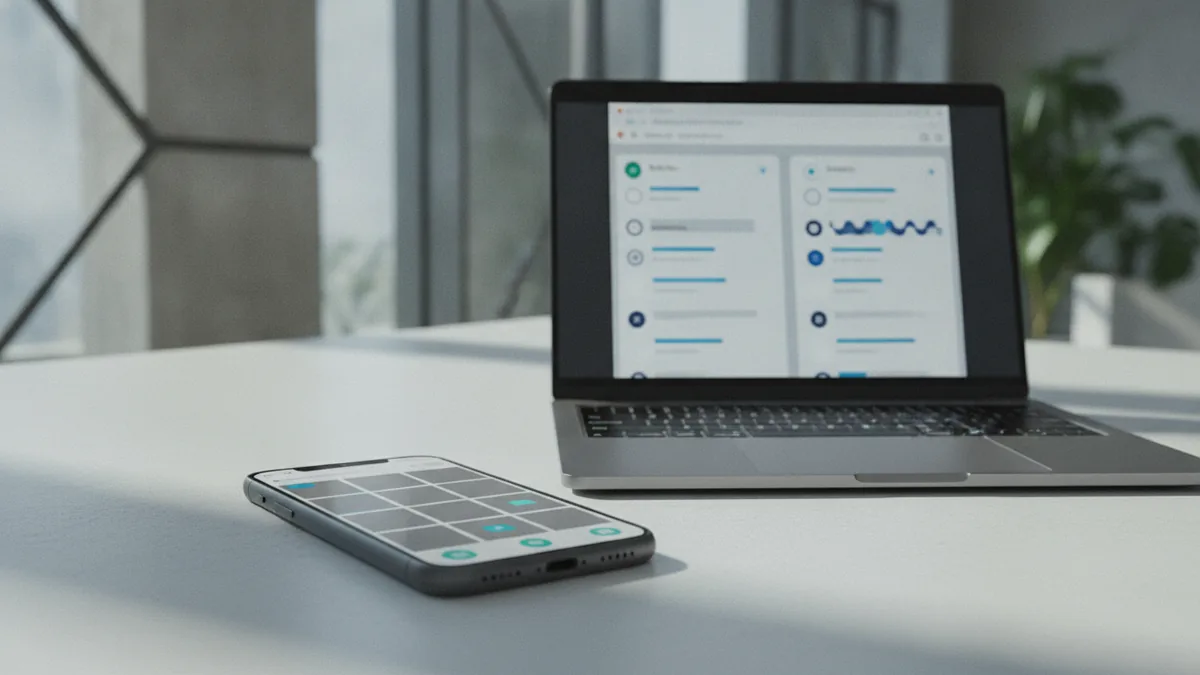
Pros and cons of traditional marketing
Traditional marketing can build strong brand presence. A lot of people may see the same message again and again.
That repeat helps recall. TV and billboards can also feel familiar and safe to many buyers.
Events and direct mail can add real human contact. A booth at a fair can answer questions right away.
Still, traditional marketing has trade-offs. Costs can be high before you know if it works.
Targeting can also be weak. You pick a town or a paper, not an exact person.
Measuring results can be harder too. Attribution often needs surveys or manual tracking.
- Pros: strong credibility, broad reach, good for local brand lift
- Cons: often higher costs, less precise targeting, slower feedback

Pros and cons of digital marketing
Digital marketing is built for quick learning. You can launch a test and review results in days.
That helps with campaign optimization. You can shift budgets, copy, and offers based on data.
Digital targeting can be detailed. You can reach people by search intent, location, and past actions.
Digital also supports clear tracking. You can measure cost per lead, sign ups, and sales.
However, it needs steady work. SEO needs ongoing content. Ads need new images and new offers.
You also face platform risk. Rules change, and reach can drop with little warning.
- Pros: strong targeting, fast measurement, flexible spend
- Cons: ongoing effort, platform changes, ad costs can rise
Cost is often lower in digital. Traditional media can require big upfront fees. Yet scaling paid ads can also get pricey fast.
Key differences between traditional and digital marketing
Differences between traditional and digital marketing start with channel use. Traditional uses offline channels like print, broadcast, and events.
Digital uses online marketing across web and apps. It reaches people while they browse, search, and watch.
Second, look at targeting. Traditional often picks broad groups and places.
Digital targets in smaller groups. It can also adjust to new signals quickly.
Third, look at measurement. Digital gives near real time data.
Traditional gives delayed hints. You may use surveys, coupon codes, or foot traffic counts.
Here is a quick view of the main contrasts.
| Area | Traditional marketing | Digital marketing |
|---|---|---|
| Primary channel | Offline channels | Online channels |
| Common examples | TV ads, print ads, billboards, direct mail | Social media, SEO, PPC, email marketing |
| Targeting | Broader picks by place or media | More specific picks by intent and action |
| Measurability | Slower feedback, often uses estimates | High tracking with fast feedback |
| Cost feel | Often higher upfront costs | More flexible start, scalable spend |
When to use each strategy
Pick tactics based on your goal. Also match them to how your buyers decide.
If buyers need trust, offline can help. For instance, a local service firm can use mailers and local ads.
That builds a sense that you are real. Then your site and search ads can bring people in.
If you need quick demand, use digital first. PPC can pull in ready shoppers fast.
SEO can also help when you want steady leads. Publish pages that answer common questions in plain language.
Email marketing can then move leads to action. Use clear offers and send at the right time.
Many firms get the best results with a blend. Offline can create awareness. Online can capture and convert it.
- Map your funnel: awareness, checks, or buying.
- Match intent: search and email for active buyers.
- Test and learn: run small tests and keep what works.
- Plan the handoff: keep the offer and message in sync.
Conclusion: the future of marketing is blended
The future of marketing is not one choice. It is using the right tool at the right time.
Traditional marketing can bring trust and steady name recall. It does well with offline channels.
Digital marketing can bring speed and clear proof. It does well with online marketing and fast tests.
People move between offline and online each day. They may see a TV spot, then search on a phone.
That means your plan should follow their path. Use offline for first trust. Use online for follow-up, offers, and sales.
When you blend both, you also reduce risk. If one channel slows, the other can still move leads.
Frequently asked questions
- What is traditional marketing versus digital marketing?
- Traditional marketing promotes through offline channels like TV, print, and events. Digital marketing promotes through online channels like SEO, PPC, social media, and email.
- What are the main differences between traditional and digital marketing?
- Traditional marketing is often broader and less measurable. Digital marketing is more targeted and can be measured in near real time.
- Is traditional marketing still effective in 2026?
- Yes, especially for brand credibility and local presence. It works best when you pair offline awareness with online follow-up.
- Which is cheaper, traditional marketing or digital marketing?
- Traditional marketing usually has higher upfront costs for production and placements. Digital can start smaller and scale, but aggressive spending can increase costs.
- How can I combine traditional marketing and digital marketing?
- Use offline ads or events to create recognition, then capture demand with landing pages, search ads, and retargeting. Keep offers and messaging consistent across both channels.
- What should I track to measure results from digital marketing?
- Track key conversions such as leads, purchases, and sign-ups. Also monitor cost per result and engagement so you can improve campaign optimization over time.
Related reading

Understand Insulin’s Role in Metabolism (Key Processes)
See how insulin guides glucose, fat, and protein use in the body.
Consulting Company Revenue Models: How Pricing Works and Why
Understand how consulting fees work, from hourly rates to value pricing.
Business Credit Explained: What It Is and How to Improve It
Understand business credit, what lenders see, and how to improve your score.