How to Start a Drone Business: Rules, Costs, and Client Growth
Learn how to start a drone business with FAA rules, niche ideas, costs, and client growth.
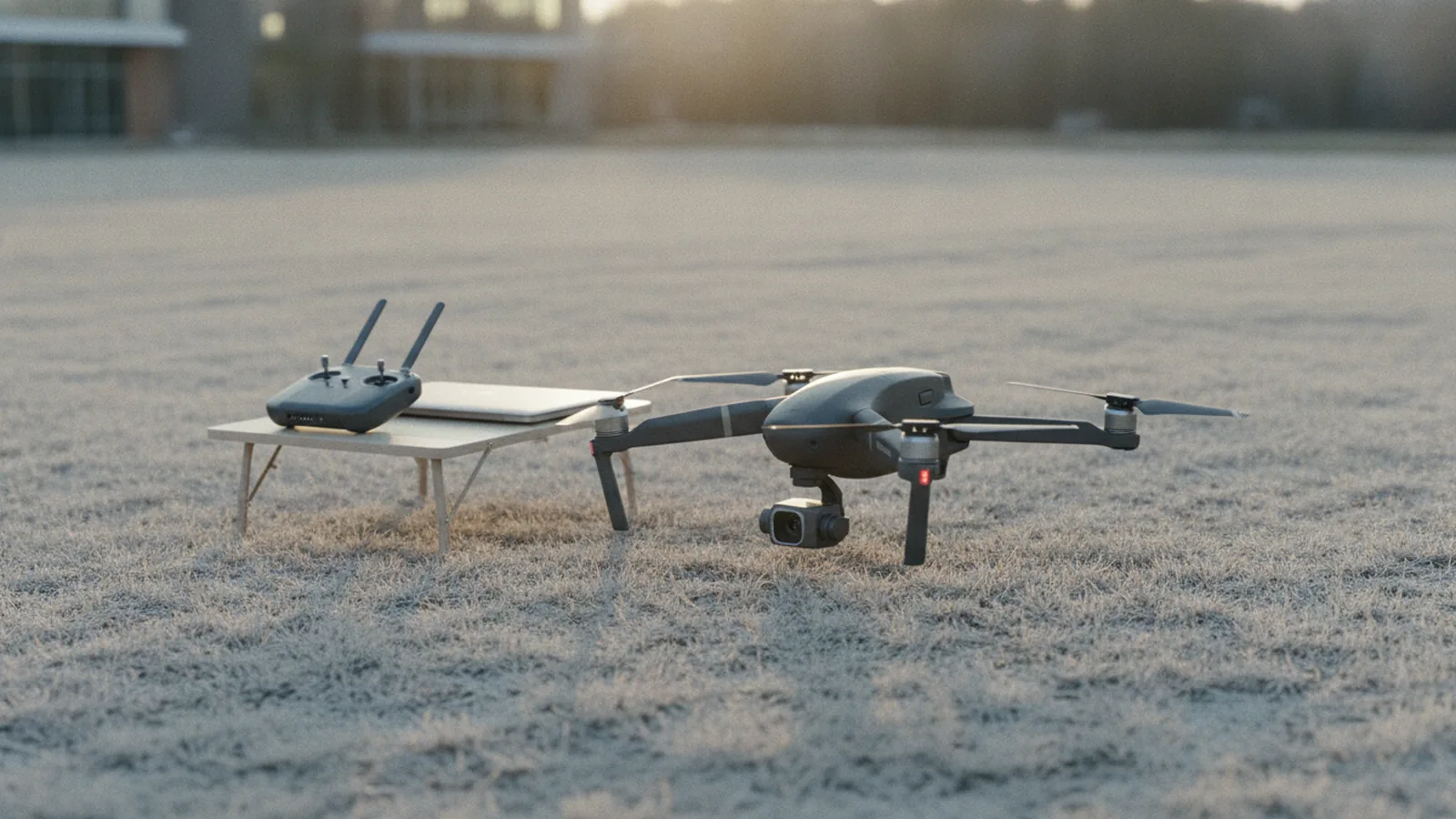
Introduction: the fast path to a profitable drone operation
If you want to learn how to start a drone business, start by picking a service niche and aligning it with the FAA rules you must follow. Then build a simple business plan around your first 3 to 5 paying clients. That approach keeps your drone business startup costs under control and helps you market with proof, not promises.
Most new operators focus on flying skills first. Skills matter, but revenue comes from repeatable commercial drone services. Your job is to turn “I can fly” into a clear offer, a realistic price, and reliable delivery.
This guide walks through regulations, niche identification, essential equipment, startup cost tiers, and practical drone business marketing strategies. You will also see how to expand once you have early demand.
- Goal: launch a legal, client-ready drone service within weeks, not months.
- Focus: regulations, niche fit, equipment choices, and client acquisition.
- Outcome: growing monthly work and stronger margins.
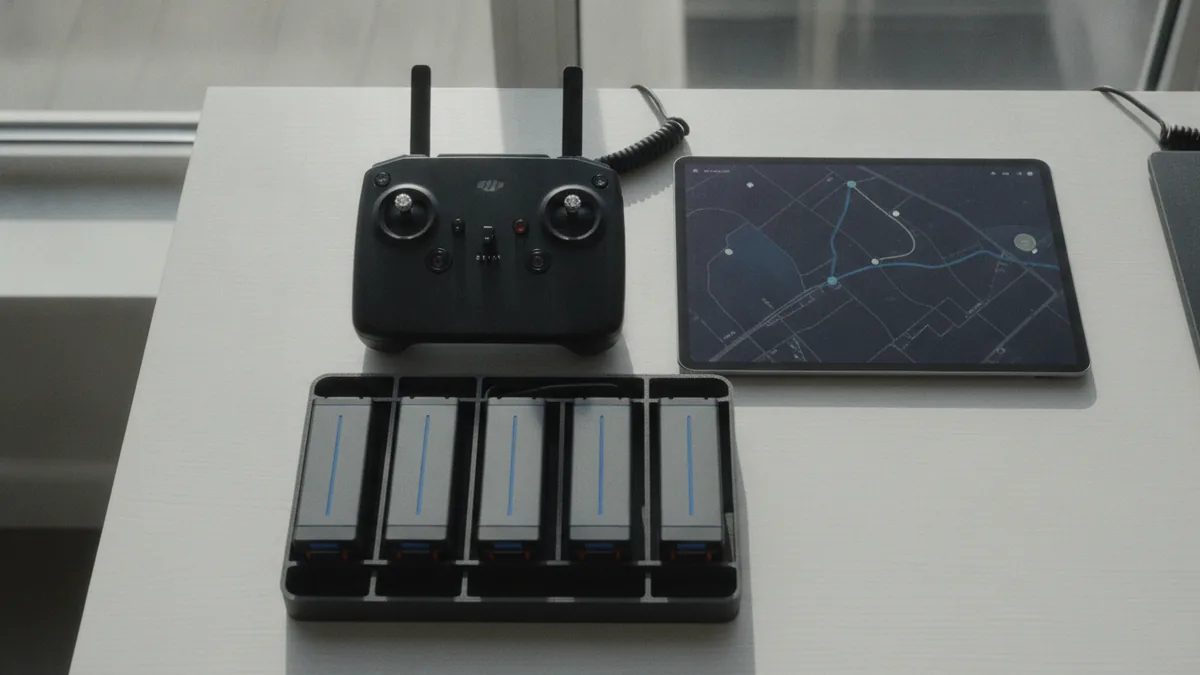
Understand drone industry regulations and certifications (FAA Part 107 first)
Before you pitch anyone, confirm your operating rules. For commercial drone operation in the U.S., you usually need FAA Part 107 certification. It allows you to fly for compensation or hire, which is the foundation for most drone business income.
Start with the FAA Part 107 certification. Study for the exam, pass it, and keep your certificate with you during flights. Also plan your flights around airspace rules and any temporary flight restrictions near airports and events.
Next, research local regulations and business operations. City and state rules can affect where you can launch, park equipment, or fly near crowds. Even if FAA rules cover airspace, local rules can cover permits and noise limits.
Finally, treat operational safety as a business requirement. Document your pre-flight checks, maintain equipment, and keep incident logs. Clients trust operators who follow a consistent process.
| Regulation area | What to check | Why it matters |
|---|---|---|
| FAA Part 107 | Eligibility, exam prep, recency, and flight limits | Enables legal commercial flying |
| Airspace rules | Controlled airspace access and temporary restrictions | Prevents compliance mistakes |
| Local rules | Permits, launch sites, and crowd safety limits | Affects event and location approvals |
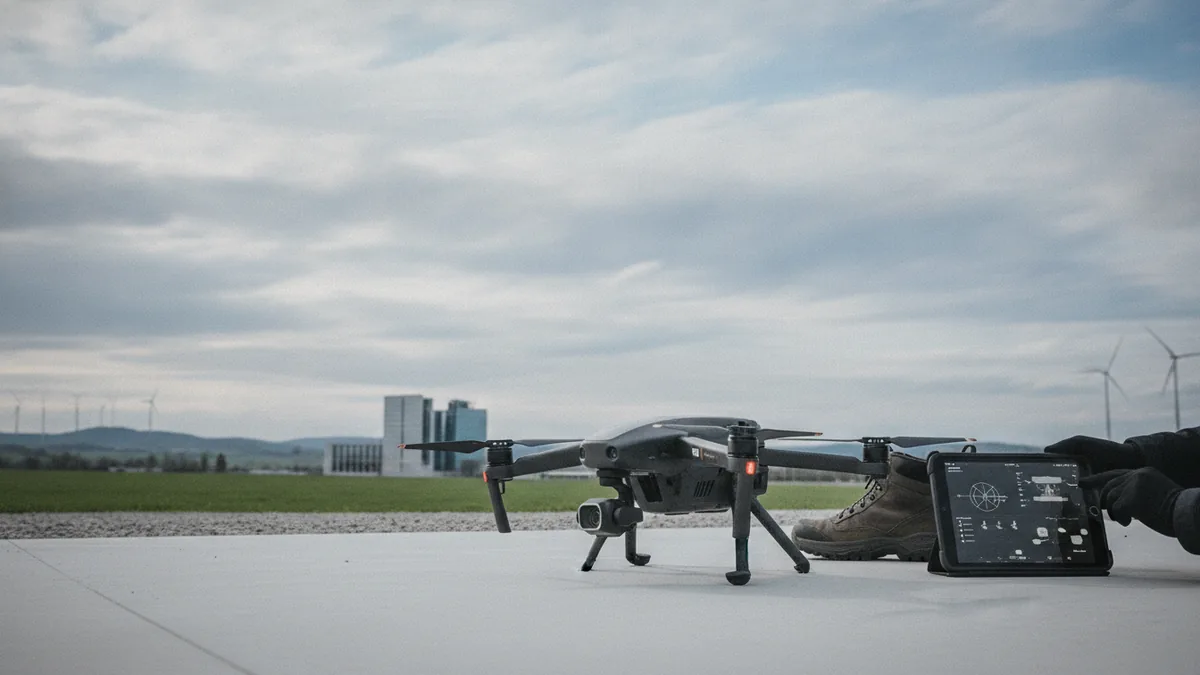
Find a niche where drone services match real budgets
Niche identification for drone services is where most “drone hobby to business” stories succeed or fail. You need work that buyers already pay for. That means choosing a niche with clear outcomes like inspections, marketing assets, or measurable results.
Here are profitable niches to consider. Aerial photography is often the entry point because clients want marketing imagery for websites and listings. Agricultural monitoring can pay well when farms want faster crop checks and consistent coverage. Starting a drone delivery business is harder due to approvals and operational complexity, but the demand is real where pilots can integrate with approved partners and safe routes.
If you are interested in event work, launching a drone light show business can be exciting. It is also equipment- and process-heavy, with strict safety needs and rehearsed flight plans. For many operators, drone show work becomes viable after you build a portfolio and partnerships.
Choose one niche for your first six months. Then design your offers around that niche so your portfolio development for drone services stays focused.
- Aerial photography: real estate, weddings, tourism, event recap videos.
- Agricultural monitoring: field mapping, growth checks, problem spot review.
- Commercial inspections: roofs, solar arrays, construction progress imagery.
- Drone delivery: consider “pilot services” around approved workflows first.
- Drone light shows: start with small venue tests and safety rehearsals.
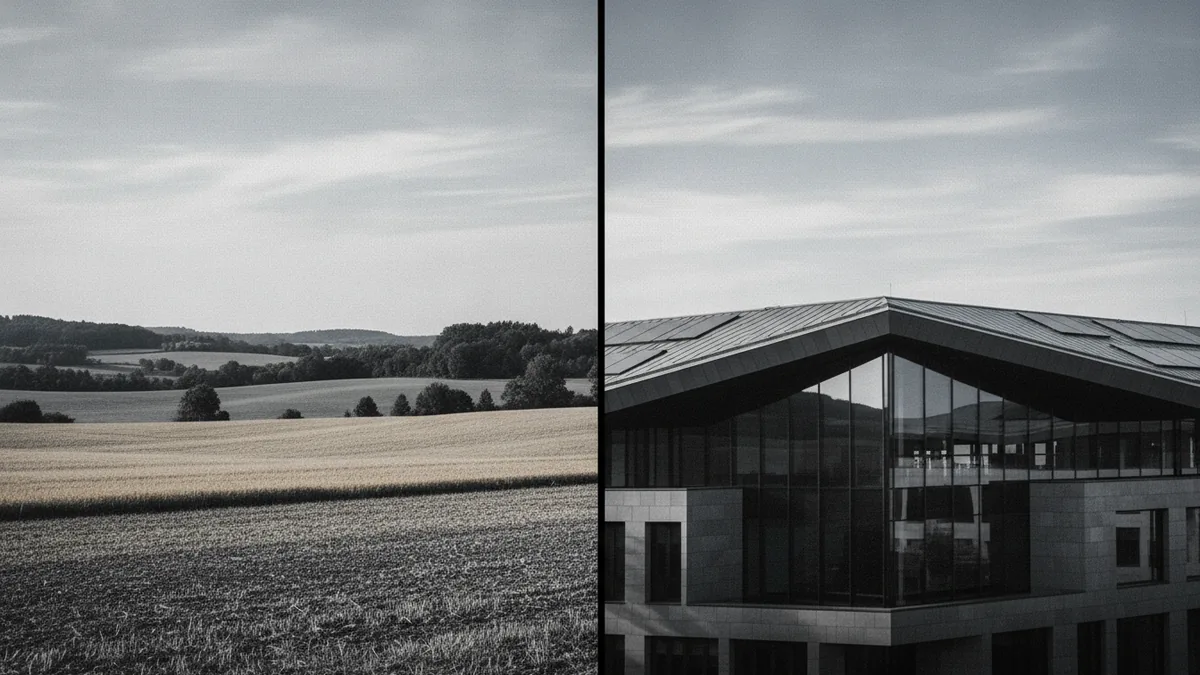
Essential drone equipment: buy for your niche, not for your wish list
Drone equipment essentials depend on your niche. A creator who does aerial photography needs stable video capture and a workflow for color and delivery. An inspection operator needs consistent flight planning and imagery that holds up under scrutiny. A drone light show operator needs repeatable flight control and a system designed for synchronized performance.
When budgeting, include more than the drone. Factor in batteries, spare props, memory storage, and charging gear. You also need software for flight planning, data processing, and delivery. Many pilots also carry spare filters and lenses for mission-specific needs.
Insurance is part of the equipment list. Drone business insurance protects you from liability claims and can be required by venues, property managers, and production partners. Treat it as a cost of doing compliant work, not an optional upgrade.
Use your niche to guide tradeoffs. For example, a higher-end camera can raise price, but it may also shorten your edit time and improve client trust. A robust industrial platform can cost more up front, but it can reduce downtime when a mission repeats weekly.
| Equipment category | What to include | When it matters most |
|---|---|---|
| Flight hardware | Drone platform, spare batteries, prop kits | Every job, uptime matters |
| Capture and data | Camera needs, storage, and backup drives | Editing and final deliverables |
| Operations tools | Flight planning software, mapping tools, chargers | Repeatable missions |
| Protection | Drone business insurance, safety gear, logs | Client and venue requirements |
Drone business startup costs: lean, medium, and pro tiers
Drone business startup costs vary widely based on equipment, insurance, and what deliverables you promise. To plan realistically, think in tiers. A “lean” setup aims to start service with minimal risk. A “medium” setup improves reliability and speed. A “pro” setup supports higher-volume client work or event-grade needs.
These are planning ranges, not quotes. Your local rates, your insurance profile, and your niche can change costs by hundreds per year. Still, tiers help you avoid overspending before you have steady demand.
Lean setups are common for aerial photography and small marketing projects. Medium setups fit operators who want faster turnaround and better consistency. Pro setups make sense for event work, repeat inspections, or higher-value contracts.
- Lean tier (start fast): one capable drone, 2 to 4 batteries, basic software, and starter insurance. Plan for your first portfolio flights and reshoot buffer time.
- Medium tier (scale delivery): add spare components, better data workflow, and more batteries. Expect higher insurance and software costs, especially if you serve more properties.
- Pro tier (high reliability): multiple platforms or a higher-capability system. Add stronger insurance coverage and more rigorous operational documentation.
To make cost analysis for startups practical, separate fixed and variable costs. Fixed costs include insurance, software subscriptions, and storage. Variable costs include batteries worn out by active flying, travel, and per-job edits.
If you want numbers for planning, assume insurance can be one of your largest annual line items. Many new pilots start with modest coverage and upgrade after they land repeat clients. Use a few target contracts to validate pricing before you buy “pro” gear.
Marketing and finding clients: build trust, then build demand
Drone business marketing strategies work best when you match your niche with clear proof. Your early portfolio is your conversion tool. A short set of finished videos beats a long list of specs. Show the outcomes buyers care about, like cleaner property visuals or faster progress updates.
Start with client acquisition for drone pilots in markets that have frequent needs. Real estate agents, construction managers, and local brands often need imagery on a timeline. For agricultural clients, focus on farm co-ops and local agronomy groups where decision makers already gather.
Use social media as a distribution channel, not a magic engine. Post small updates from flights, behind-the-scenes process clips, and before-and-after comparisons. Add location tags when you are allowed to do so and always follow safety rules.
Network with partners who already sell to your target. Wedding planners, property managers, and event producers can refer you when they need footage. If you target launching a drone light show business, connect with venue managers and production teams early.
- Portfolio: 6 to 12 finished examples, organized by niche.
- Offer: fixed deliverables and clear timelines, like “edited gallery in 72 hours.”
- Outreach: email and direct messaging to buyers with active projects.
- Social: consistent short posts tied to real outcomes.
- Referrals: partner with planners, managers, and local agencies.
If you are exploring starting a drone delivery business, your marketing will look different. Buyers often want “workflow integration,” not only flying. Pitch safety plans, approved processes, and reliability metrics rather than cinematic footage.
For seasonal demand, some pilots ask how to start a christmas light business with drones. A better angle is “event capture” for holiday displays. Offer aerial footage for display owners, along with promotional video packages for local neighborhoods.
Expand your drone business with skills, process, and smarter offers
Once you land early clients, expansion is about improving skills and tightening your process. Keep pace with industry changes. Regulations evolve, equipment updates happen, and client expectations raise over time.
Skill growth should be tied to revenue. If you want to improve drone business profitability factors, reduce reshoot risk and cut edit time. Practice camera settings and shot planning until you can repeat results. Then translate that skill into a better package for buyers.
Add services when you see demand. Many operators start with aerial photography, then move into short-form edits, site progress imagery, or inspection reporting. When you are already in a niche, expansion stays efficient because you reuse your workflow and partner network.
Document what works. Track which offers get booked, which leads convert, and what clients value in your delivery. Then refine your pricing and your drone business marketing strategies around the highest-converting channels.
For operators interested in starting a drone show business, expansion should include stronger rehearsal and safety planning. Build repeatable show workflows. Partner with venue teams and test small events first before you scale.
FAQ: common questions when you plan how to start a drone business
Do I need FAA Part 107 to operate commercially?
In most U.S. commercial cases, yes. FAA Part 107 certification is the common route for earning money from drone flights. You should confirm your specific mission and business structure against current FAA guidance.
What niche should I pick for my first drone contracts?
Pick a niche where buyers already pay and where your first portfolio examples are easy. Aerial photography and basic inspection work are common starting points because they have clear deliverables.
How much are drone business startup costs for a lean setup?
Plan a range that covers a capable drone, batteries, essential software, and drone business insurance. You should also budget for storage and editing time during your first months.
How do I find clients for a drone business without a big following?
Lead with a small portfolio and fixed deliverables. Reach out to active local buyers, join partner networks, and ask for referrals after each job.
Is starting a drone delivery business realistic for a new pilot?
It can be, but it depends on approvals and integration with approved routes or partners. Many new pilots start by supporting delivery workflows rather than operating full end-to-end delivery systems.
How can I market a drone light show business?
Market your safety process, rehearsal plan, and venue readiness. Share short clips from practice sessions and connect with production teams and event venues.
Frequently asked questions
- What is FAA Part 107 certification and do I need it to start a drone business?
- FAA Part 107 certification is the standard requirement for many commercial drone operations in the U.S. If you plan to fly for compensation, it is the usual starting point. Always verify your specific operation against current FAA rules.
- How do I research drone industry regulations in my area?
- Start with FAA airspace and operations rules, then check your city and state for permits and local restrictions. For event work, also confirm venue and crowd safety requirements. Build compliance checks into your job prep.
- How do I choose profitable niches for drone services?
- Choose niches where buyers already pay for outcomes you can deliver reliably. Aerial photography and basic marketing assets are common entry points. Agricultural monitoring and inspections can pay well when you offer clear recurring deliverables.
- What equipment essentials do I need for commercial drone services?
- Plan for the drone platform, spare batteries, and the data workflow needed for your deliverables. Include planning and editing tools, plus safe storage and protection gear. Add drone business insurance because clients often require it.
- What are typical drone business startup costs?
- Use tiers to estimate your first purchases: lean, medium, and pro. Costs depend on your niche, the gear you choose, and your insurance coverage level. Budget extra time for portfolio builds and reshoots early on.
- How can I find clients for a drone business as a beginner?
- Build a small portfolio of finished work and offer fixed deliverables with clear timelines. Reach out to local buyers who have ongoing projects and build partner referrals. Post consistently on social media to support trust.
Related reading

Start a Mobile Drug Testing Business (Without a Lab)
Build a mobile testing service with sound training, lab links, and clear pricing.

Start a Business with a Problem Worth Solving
Turn a useful idea into a business with clear steps, sound research, and steady resolve.
Loft Conversion Timelines — What Affects the Build
Typical build times range from four to twelve weeks, plus planning and setup.