How to Start a Furniture Business: Market, Legal, and Operations
A practical guide to starting your furniture business, planning budgets, permits, and growing sales.
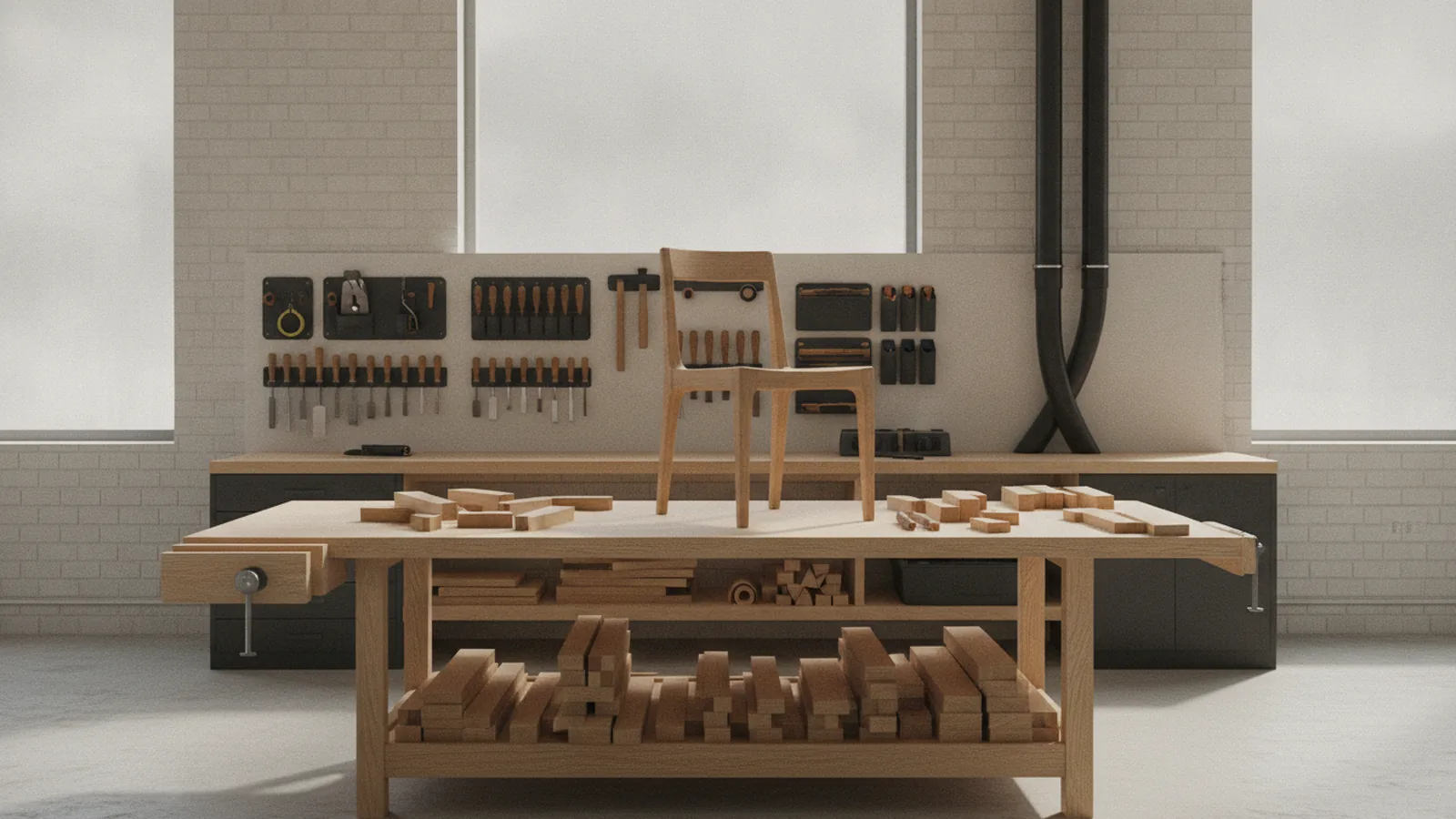
If you want to know how to start a furniture business, begin with a clear niche and a written plan. Then handle legal steps early, and run tight day-to-day operations. Next, test demand with small batches and improve fast. This guide also shows paths like flipping, online sales, delivery, and restoration.
Understanding the Furniture Market
The furniture market is big and still rising. In 2020, it was worth over $545.78 billion. It is set to grow at about 5.4% each year. That growth can help new sellers if they pick the right spot.
You need market analysis to find what sells now. Watch trends in style, price, and comfort. Read buyer reviews for real pain points. Look for talk about weak parts, scratch risk, and missing parts.
Trends also point to new needs. People want space-saving pieces and easy care finishes. Offices also buy desks and storage for new work setups. If you match these needs, you avoid hard price fights.
- Track local prices, delivery fees, and return expectations.
- Use reviews to spot quality gaps in top listings.
- Pick a niche where buyers want something specific.
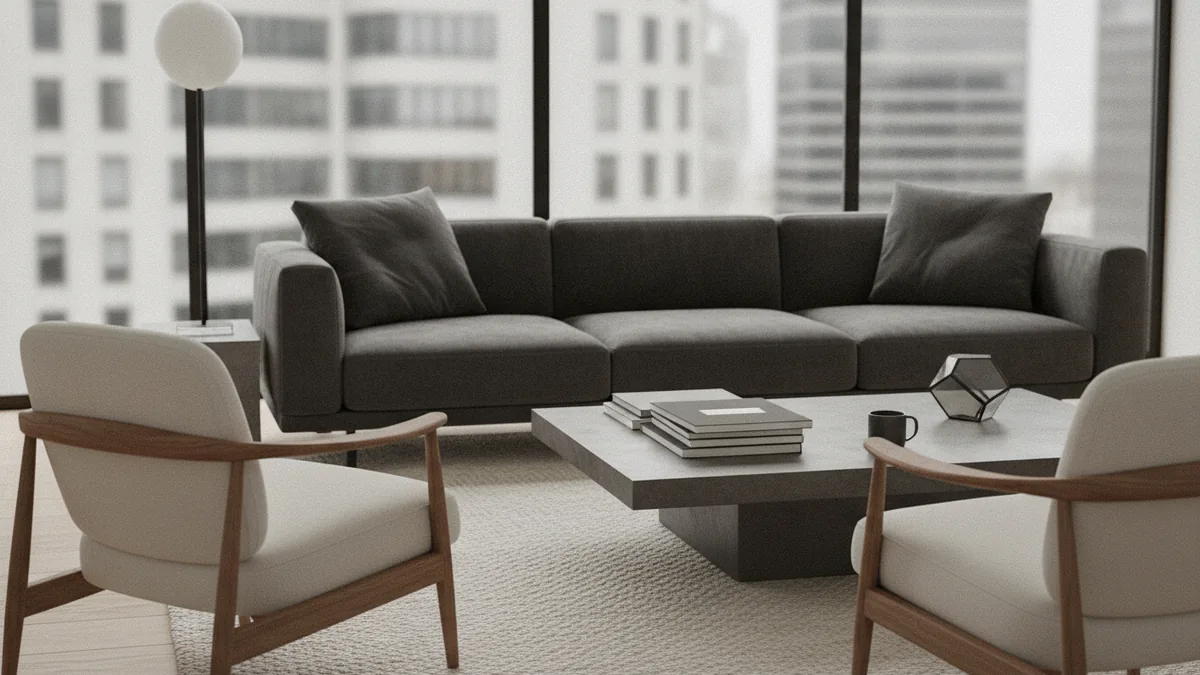
Identifying Your Target Audience
How to start a furniture business often fails when you target “everyone.” You do better by choosing a small buyer group. Pick a budget level and a home type. Then match your products to their real needs.
Your niche can be custom work, low-cost furniture, or special items. It can also match how you work. Some owners learn how to start a furniture flipping business to resell better versions. Others choose how to start a furniture refinishing business to refinish worn pieces.
Target your sales method to your buyers. A local furniture store business works well for pickup and fast talks. How to start online furniture business success depends on clear photos and solid delivery plans. Buyers want size details and honest condition notes.
| Path | Common buyers | Main buyer goal |
|---|---|---|
| Furniture flipping | Value shoppers | Looks, condition, and quick turnaround |
| Furniture refinishing | Character lovers | Finish quality and careful repair |
| Online furniture | Remote shoppers | Specs, shipping, and safe delivery |
| Furniture delivery | Busy households | On-time delivery and safe handling |

Creating a Comprehensive Business Plan
A business plan turns ideas into clear choices. It also helps you talk to lenders or partners. Your plan should cover products, target customers, marketing strategy, and money forecasts. Keep it simple, then update it after real tests.
Start with product details. Tell people what you sell and why it is better. If you build custom pieces, state your lead times. If you sell refurbished furniture, explain what you fix and what you do not.
Next, spell out your sales channels. You might sell online first, then add local pickup. Or you may start with a small shop and grow a site. If you ask how do I start my own furniture business, this section gives you a path.
Include numbers that match your pace. List startup costs, monthly costs, and expected sales each month. Use a safe sales guess for the first few months. Then plan cash flow so you can keep buying and shipping.
- Write your product range and price range.
- Define your buyer group and their buying trigger.
- Set your marketing plan and your sales channels.
- Make money forecasts with low, safe sales guesses.

Legal Structure and License Requirements
Legal setup helps protect your personal assets. Many owners use an LLC for this reason. It can also help you track money and taxes. Check local rules for what applies to your area.
You may also need permits and licenses to sell goods. A seller’s permit is common when you sell taxable items. You may need other local permits for retail or workshops. If you run a shop from home, zoning rules may apply.
Keep up with rule changes and renewals. Taxes and licenses can expire without a warning. Keep good records of buys, sales, and refunds. If you plan rent to own or large deals, talk to a local tax pro early.
- Pick an LLC or another legal setup that fits your risk.
- Get a seller’s permit if your area requires it.
- Confirm zoning rules for storage and workspaces.
- Set reminders for renewals and filing dates.
Budgeting for Your Startup Costs
Budgeting is where many new owners get burned. Inventory is only part of the cost. You also pay for tools, repair parts, and materials. Workspace costs can rise fast too.
If you learn how to start a furniture making business, tools matter early. If you learn how to start a furniture manufacturing business, plan for more labor and waste. If you learn how to start a furniture restoration business, plan for parts and repair time.
Also budget for fulfillment costs. Shipping boxes, labels, and protective wrap add up. Delivery has gas, time, and safer lifting gear. Marketing costs are real too, even at a small scale.
| Cost area | What to include | Budget tip |
|---|---|---|
| Tools | Hand tools, power tools, shop gear | Start with must-haves only |
| Parts and materials | Wood, fabric, glue, screws, finishes | Test small batches first |
| Workspace | Rent, power, storage, shop needs | Choose space that fits your flow |
| Marketing | Website, photo work, ads, promos | Track leads and sales, not hype |
| Delivery | Packing, ship fees, driver costs | Quote early to set true prices |
Marketing Your Furniture Business
Your marketing strategy should match how buyers shop. Many buyers start with images, then look for sizes and details. So your online presence must be clear and easy. You need strong product photos and honest descriptions.
If you want how to start online furniture business, build a simple site. Make sure sizes are easy to find. Add close-up shots and notes about wear. Then use social media to show your process and finished work. Real results work better than claims.
Use customer engagement to reduce returns. Send clear prep info before pickup or delivery. If you sell refurbished furniture, list repairs and material swaps. Buyers fear surprises, so cut uncertainty.
Choose sales channels you can manage each week. You might use marketplaces for traffic. You can also grow a direct channel through your site. Keep your prices and product notes consistent.
- Build a site with sizes, photos, and fast answers.
- Post work in progress for trust and interest.
- Share shipping or delivery timelines up front.
- Measure leads and sales by channel each month.
Operational Tips for Success
Operational efficiency protects your profit. Furniture is heavy and can break in transit. Build a repeatable workflow for sourcing, checking, fixing, and packing. If you ask how to start a furniture delivery business, this also means clear schedules.
Write down your steps on day one. Make a checklist for measurements and damage checks. Use the same photo setup for each item. Standard steps reduce mistakes and speed up delivery.
Plan your customer support the same way. Send order notes right after purchase. Then share pickup or delivery windows before the day arrives. For restoration and refinishing, show what you repaired and what you kept.
Track a few key metrics each week. Watch lead source, sell-through, and average order value. Also track time from first message to delivered order. These numbers help you improve pricing and speed.
- Use checklists for quality checks and safe packing.
- Standardize photos, specs, and product notes.
- Send clear updates for orders and delivery windows.
- Track costs and job time so pricing stays fair.
Frequently asked questions
- How do I start a furniture business with no experience?
- Start with a narrow niche like refurbished furniture or furniture flipping. Keep your first inventory small, then learn from each sale.
- How much money do I need to start a small furniture business?
- Many new owners miss tool, repair, and packing costs. Plan for at least three months of expenses before you scale.
- Do I need a seller’s permit to sell furniture?
- In many areas, a seller’s permit is needed for taxable sales. Check your local rules and renew it when required.
- How do I start a furniture business online?
- Create a site with clear sizes and close-up photos. Post steady listings, and set delivery timelines that you can meet.
- What is the difference between furniture restoration and furniture refinishing?
- Refinishing usually changes the surface finish. Restoration often includes deeper fixes to bring back function and strength.
- How do I start a furniture delivery business from an existing store?
- Set delivery zones, prices, and handling rules before launch. Train staff or partners, and communicate delivery windows clearly.
Related reading

Start a Mobile Drug Testing Business (Without a Lab)
Build a mobile testing service with sound training, lab links, and clear pricing.

Start a Business with a Problem Worth Solving
Turn a useful idea into a business with clear steps, sound research, and steady resolve.

Loft Conversion Timelines — What Affects the Build
Typical build times range from four to twelve weeks, plus planning and setup.