How to Start a Heating and Air Conditioning Business: The HVAC Startup
A clear HVAC business startup guide for costs, licensing, and customer growth.
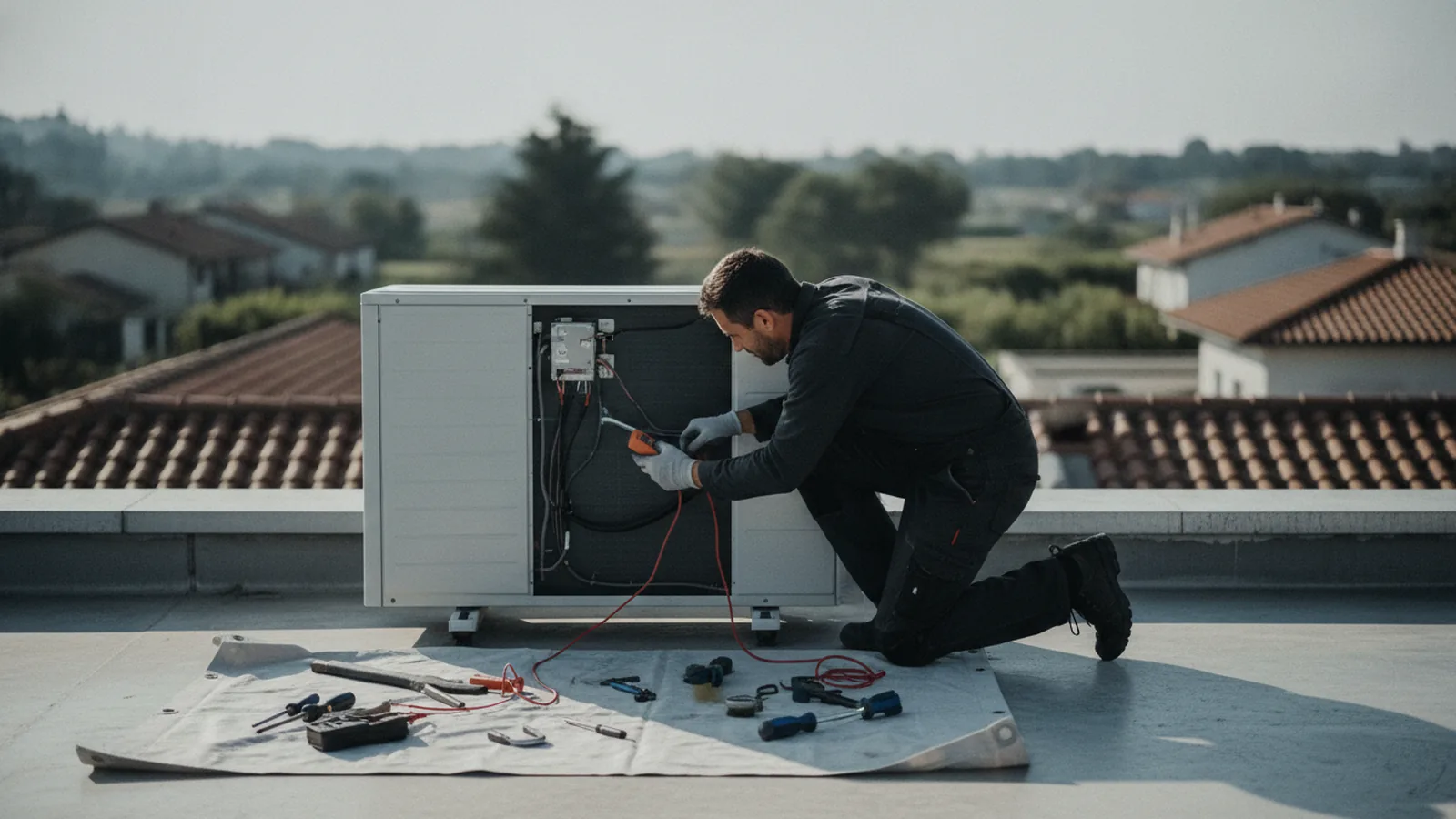
Understanding the HVAC industry
If you are asking how to start a heating and air conditioning business, you are looking at a trade with constant need. People need working air in every season. They want comfort, safety, and lower energy use. That means HVAC demand is steady when you serve local homes and small businesses.
To win early, you need local market research. Look at older housing stock, new builds, and common failure points in your area. Then match your service mix to what customers actually call for. This is where competitive advantage shows up fast.
Many owners also confuse HVAC with other “air” businesses. An HVAC company fixes heating and cooling systems. It is not the same as air charter, air freight, or air ticketing work. Stay focused on your licensed trade so your setup, costs, and marketing match the jobs you can do.
- Climate control drives steady demand year-round
- Local needs decide what to offer first
- Specialization helps you stand out and book work

Key skills and HVAC certifications you’ll need
For starting an air conditioning service business, licensing is the first gate. Rules vary by region and by job type. Many places require trade licensing for installs and repairs. Some roles also require proof of training for handling refrigerant.
Expect your work to be judged on diagnosis quality. You need to test airflow, check controls, and confirm airflow paths. You also need to identify root causes, not just swap parts. A clean process reduces repeat callbacks.
Before you advertise, confirm your business structure options too. Some owners start as a sole proprietor. Others form an LLC for added protection. Talk with a local professional if you need clarity on taxes and liability.
| Skill area | What customers feel | How you build it |
|---|---|---|
| Repair diagnosis | Fewer repeat failures | Use test notes and repair history |
| Install quality | Better comfort | Follow correct sizing and checks |
| Customer communication | Trust and faster approvals | Explain findings in plain language |
Certifications to plan for
Create a checklist of the HVAC certifications your area requires. Then map them to your service list. If you plan to do installs, training and licensing must cover that scope. If you plan repairs only, your requirements may differ.
Also confirm how you will document job work. Some inspectors and customers want proof of proper procedures. Keep a simple folder per job with test results and parts records. It helps when a system fails again and you need to show what you did.

Developing a business plan that helps you start
A strong HVAC business startup guide starts with a plan you can run. Your HVAC business plan should define what you sell, who you serve, and how you will get calls. It should also set targets for cash, labor time, and job volume.
Start with services. Most new firms begin with repairs, tune-ups, and basic replacements. Then they add installs once their team can handle higher volume. Specialization can work well too, like focusing on small rental properties or aging home systems.
Your next step is financial management. Build simple projections for the next 12 months. Include labor hours, parts cost, truck time, and seasonal slowdowns. Cash flow often breaks first, long before profit looks bad.
- Service menu with clear job scopes
- Financial projections and cash flow checks
- Marketing strategies tied to customer acquisition tactics
Use a planning template that matches real work
Write your plan around job flow, not just numbers. Set how fast you respond to leads. Decide your estimate steps and what you will charge for inspections. Then track actual results so you can adjust pricing and scheduling.
Also plan your HVAC business plan with partnerships in mind. Many calls come from property managers, electricians, and roofing contractors. A short referral agreement can be more effective than generic ads at first.

Understanding startup costs and the cost to start an HVAC business
If you want to know the cost to start an HVAC business, start with a line-item budget. Early spending usually covers tools, licensing, insurance, and marketing. It also covers travel expenses and storage for parts.
Equipment often becomes your biggest purchase. You may need test gauges, a vacuum pump, and diagnostic tools. You also need safety gear and reliable hand tools. Buy based on the jobs you will do in month one, not the jobs you want later.
Marketing costs matter in the first two months. Many new owners forget local listings, a fast lead follow-up process, and a simple website. If leads do not get a quick response, the job can go to a competitor.
Licensing and insurance can surprise you too. Confirm quotes early so your budget matches real requirements. If you lack the right cover, you may not be able to bid or close key jobs.
| Cost area | Typical items | How to plan |
|---|---|---|
| Tools and equipment | Test gear, gauges, pumps | Match gear to your service scope |
| Truck and setup | Vehicle, fuel, storage | Track travel time as real cost |
| Licensing | Fees and trade registrations | Check rules before advertising |
| Insurance | Liability and workers coverage | Get quotes before launch |
| Marketing | Listings, site, ads | Plan 60 to 90 days upfront |

Licensing, regulatory requirements, and staying compliant
Proper licensing is not just legal. It also signals credibility to customers. For starting an air conditioning service business, many install and repair tasks require proof of license. That includes replacements and any work tied to regulated procedures.
You may also need permits and specific safety steps. Some work affects wiring and refrigerant handling. If you miss a required step, you can trigger rework and delays. That hurts your schedule and your reputation.
Build a simple compliance file. Store copies of your license, insurance, and permits in one folder. Put renewal dates on a calendar you will actually review. This prevents “surprise gaps” that stall your operations.
Choose the right business structure
Business structure options affect liability and taxes. Many owners consider an LLC for limited liability. Others start simpler and upgrade later. Choose what fits your risk level and your financial management plan.
Also set up basic policies for jobs. Use clear scopes, change-order rules, and customer approval steps. When expectations are clear, disputes drop and job time stays predictable.
Marketing your HVAC business and building local trust
If you want your company to grow, you need an online presence and a local plan. Most HVAC calls start when equipment fails. Customers search fast, then call the first trusted option. Your job is to be easy to find and easy to trust.
Start with local market research and listings. Create consistent business details across major directories. Then build a simple website that explains services, service areas, and response times. Add review requests after successful jobs.
Use customer acquisition tactics that match your market. For example, property managers often need reliable service plans for rentals. Some owners offer service packages like annual tune-ups and priority scheduling. That turns one-off work into recurring revenue streams.
- Optimize your local listings for service area searches
- Set up fast lead follow-up with clear estimate steps
- Ask for reviews after repairs and tune-ups
- Offer service packages to build recurring revenue
Long-term growth strategies for HVAC owners
Once you learn how to start and operate, growth becomes about focus and repeatable systems. Diversify your service packages without spreading too thin. For instance, you can add tune-up plans, filter programs, and seasonal inspections after you master repairs.
Hiring is another growth lever. As call volume rises, you can add a helper or another licensed tech depending on local rules. Train for quality, not speed alone. Accurate diagnosis and safe installs should stay the standard.
Also keep improving your financial management. Track parts margins, labor time, and seasonal revenue dips. Adjust pricing for your real costs, including truck time and after-hours calls. When your HVAC business plan matches real data, you scale with less risk.
Finally, protect your brand. Stay consistent with service claims and job documentation. Keep compliance files current and review your insurance as you grow. That way, you can keep booking work and serving customers year after year.
If you are tempted by unrelated “air” ideas like how to start an air b and b business, air ticketing, air charter, or air freight, pause and be clear. Your licensed HVAC work is a different industry with different rules. Commit to the path that matches your skills, licensing, and budget.
Bottom line: start with services and compliance, then build a repeatable marketing engine. Do that well, and your heating and air business can grow steadily.
Frequently asked questions
- How do I start a heating and air conditioning business?
- Start by confirming your HVAC licensing needs, then build a simple service menu. Create an HVAC business plan with startup costs, cash flow, and lead targets.
- What licenses and certifications are needed to start an air conditioning service business?
- Licensing requirements vary by location and job scope. Plan for HVAC certifications tied to installs, repairs, and any refrigerant handling rules.
- What is the cost to start an HVAC business?
- Your main costs usually include tools and test equipment, licensing, insurance, and marketing. Budget for truck setup, fuel, and fast lead follow-up in the first months.
- How can I attract customers when I’m starting out?
- Use local market research, optimize local listings, and respond to leads quickly. Build trust with clear estimates, job documentation, and review requests after each job.
- What should my HVAC business plan include?
- Include your services offered, financial projections for 12 months, and marketing strategies. Tie marketing to customer acquisition tactics that match how people search during failures.
- Is HVAC related to air charter, air freight, or air ticketing?
- No. HVAC is a licensed trade for heating and cooling systems, while those are different industries with different rules. Stay focused on your HVAC scope.
Related reading

Start a Mobile Drug Testing Business (Without a Lab)
Build a mobile testing service with sound training, lab links, and clear pricing.

Start a Business with a Problem Worth Solving
Turn a useful idea into a business with clear steps, sound research, and steady resolve.

Loft Conversion Timelines — What Affects the Build
Typical build times range from four to twelve weeks, plus planning and setup.