What Are the Components of a Business Plan? The Essential Guide
Get the key components of a business plan, from executive summary to financial projections.

Introduction to business plans
A business plan guides how you start and run your business. It also lays out how you will make money. If you are asking, “what are the components of a business plan,” start with the sections below.
It is your map for choices and trade-offs. It helps you plan work, set goals, and fund next steps. It also helps outsiders trust your story.

Why a business plan matters
A business plan turns ideas into clear plans. It forces you to test your assumptions. You learn where demand is strong and where it is weak.
It is also key for business funding. Lenders want to see your ability to repay debt. Investors want proof of growth and a sound plan for risk.
When you draft one, you also sharpen your strategy. You choose your focus and stop chasing every option at once.
Key components of a business plan (the main sections)
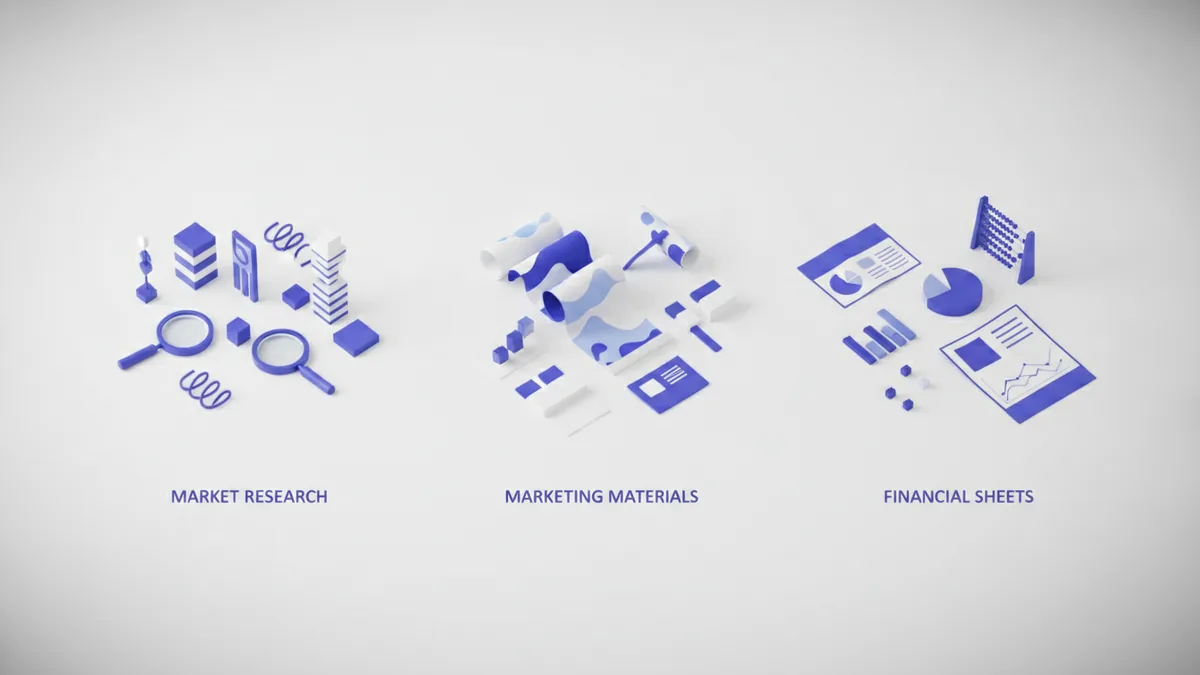
The main components of a business plan answer one big question. How will your business win customers and stay profitable? Most major components fit into these eight sections.
These key components work together like a chain. Your market research guides your offer. Your marketing plan drives sales. Your operations plan supports delivery. Your finance section ties it all to money.
- Executive Summary
- Products or Services
- Market Opportunities
- Marketing Strategies
- Competition Analysis
- Operations Plan
- Management Team
- Financial Projections
Some templates add extra parts, like risk notes or goals. Still, the core stays the same across plans.
Detailed breakdown of each component
1) Executive Summary
The executive summary is a short view of your plan. It should cover your offer, your buyers, and your path to sales. It also states what money you need, if you seek funding.
Keep it clear and brief. Mention your main goals for the next year. Then back them with a few numbers.
Short helps here. Busy readers want fast facts.
2) Products or Services
Explain what you sell and why it matters. Cover the problem you fix and the result customers get. If you have plans or tiers, list them clearly.
Also explain your business model. That means how you earn money. For example, do you charge per job, per month, or per seat?
Be specific about value. Vague claims do not sell.
3) Market Opportunities and market research
Market research helps you understand real demand. It includes customer demographics, like who buys and why. It also tells you what people pay for now.
Use evidence, not guesses. You can use surveys, interviews, or trusted reports. Then connect that data to your offer.
Good research makes your plan feel true. Bad research makes it easy to dismiss.
4) Marketing Strategies (what are the components of a marketing strategy)
A marketing strategy shows how people find you and buy from you. It turns your business strategy into daily actions. It is also one of the main components of a business plan.
A useful way to view what are the components of a marketing strategy is this. Set your position first. Then choose channels. Next define your message. Finally plan your conversion steps.
- Positioning: what you are and who you help
- Channels: where leads come from, like web or email
- Message: what you promise and how you prove it
- Conversion path: from first contact to paid customer
Each part must link to the next. Otherwise your plan will wobble.
5) Competition Analysis
Competition analysis shows who else serves your buyers. It also reveals gaps you can use. This section is part of the major components of a business plan.
List direct rivals and close substitutes. Then compare them on price, quality, and reach. Add what customers like and dislike.
Use this to find openings. Also list threats you must address.
6) Operations Plan
An operations plan explains how you deliver every sale. It covers key steps, tools, and daily workflows. It also covers who does what and when.
If you sell products, explain supply, inventory, and shipping. If you sell services, explain staffing, scheduling, and quality checks.
Your operations plan must match your marketing promise. If it does not, you will lose trust.
7) Management Team
The management team section shows who runs the business. It also shows the management structure and key roles. Investors look for real skill, not just titles.
Briefly explain each leader’s past wins. Then note gaps and how you plan to fill them. If you will hire, say what skills you need.
Clarity builds confidence. Confusion costs time and money.
8) Financial Projections
Financial projections forecast future money health. They should include an income statement, a balance sheet, and a cash flow statement. Together, they show profit, assets, and cash timing.
An income statement shows revenue and expenses. A balance sheet shows what you own and owe. A cash flow statement shows when cash enters and leaves.
Do not show numbers without sources. Add assumptions for sales, cost, and churn. Explain how costs rise with growth.
Cash timing matters most in early days. Many good ideas fail there.
Common mistakes to avoid
One big mistake is writing a story instead of a plan. Your reader should see choices, data, and steps. If you only use big claims, they will doubt you.
Another mistake is mismatch across sections. Your marketing plan might assume fast delivery. Your operations plan may not support it. Fix these links before you share the draft.
A third mistake is hiding the math. Financial projections must show how you reached each figure. Tie every forecast to a driver like leads, conversion, or order size.
- Vague goals: add dates and measurable targets
- No market evidence: show your data and assumptions
- Weak competitor view: explain why customers switch
- Top-line only finances: show margins and cash timing
- Missing risks: add risk notes and simple fixes
Conclusion and next steps
To answer what are the components of a business plan, use the eight core sections. Start with the executive summary. Then define your offer. Next cover market opportunities and your research.
Add your marketing strategies and competition analysis. Then describe your operations plan and management team. Finish with financial projections that show real assumptions.
As a next step, draft the full plan first. Then write the executive summary last. This keeps your summary aligned with the details.
FAQ
What are the main components of a business plan?
The main components are the executive summary, products or services, market opportunities, marketing strategies, competition analysis, operations plan, management team, and financial projections.
What are the key components of a business plan?
The key components include an executive summary, market research, a clear marketing strategy, competition analysis, operations details, and financial projections with clear assumptions.
What are the 12 components of a business plan?
Some templates list extra parts like milestones or risk notes. Still, most plans include the same core eight sections.
What are the two components of a business plan?
Some people describe a business plan as strategy and finances. In practice, that splits into major sections like market, marketing, operations, management, and money forecasts.
What are the 10 components of a business plan?
Templates vary in count, but the content stays similar. A strong plan still covers your offer, your market, competition, operations, team, and financial projections.
What are the various components of a marketing strategy?
A practical set includes positioning, channels, message, and the conversion path from lead to sale.
Frequently asked questions
- What are the components of a business plan?
- A comprehensive plan typically includes an executive summary, products or services, market opportunities, marketing strategies, competition analysis, operations plan, management team, and financial projections.
- Why is the executive summary important in a business plan?
- It summarizes the biggest parts of your plan in a short format. It helps readers quickly judge your focus, market, and funding needs.
- How does market research fit into a business plan?
- Market research supports your market opportunities with evidence. It clarifies customer demographics and buying needs.
- What are the major components of a business plan?
- The major components are the same core sections: offer, market, marketing, competition, operations, management, and financial projections.
- What should financial projections include?
- Include an income statement, a balance sheet, and a cash flow statement. Show key assumptions so the forecast feels credible.
- What are the various components of a marketing strategy?
- A marketing strategy often covers positioning, channels, message, and the conversion path from leads to sales.
Related reading

Start a Mobile Drug Testing Business (Without a Lab)
Build a mobile testing service with sound training, lab links, and clear pricing.

Start a Business with a Problem Worth Solving
Turn a useful idea into a business with clear steps, sound research, and steady resolve.

Loft Conversion Timelines — What Affects the Build
Typical build times range from four to twelve weeks, plus planning and setup.