How to Start a Nursery Business: A Practical Starter Guide
Start your nursery business with solid planning, land, equipment, and marketing.

Understanding nursery basics
If you’re asking, “how do i start a nursery business,” start by clarifying what you grow and who you sell to. A nursery can be a small retail shop, a production site for other businesses, or both. Your business model shapes your customer base, your crop choices, and your daily plant care workflow.
Most beginners start with stock they can manage well. That often means choosing 1–3 plant types first, then expanding after you learn sales cycles and growth times. Keep a simple goal for year one: prove demand and earn consistent cash flow while keeping losses low.
It helps to understand the split between retail vs. wholesale early. Retail nurseries earn more per sale but rely on foot traffic, repeat visits, and strong merchandising. Wholesale nurseries sell in larger lots to landscapers, garden centers, and projects, which usually means steadier demand but tighter pricing.
- Retail: smaller orders, higher margins, strong need for marketing strategies and a clear plant display layout.
- Wholesale: larger orders, lower margins, stronger need for reliable plant care and delivery schedules.
Networking speeds up your learning. Join plant societies and local nursery groups to ask practical questions about pest control, potting mixes, and seasonal timing. You will also find mentors who share what actually sells in your area.
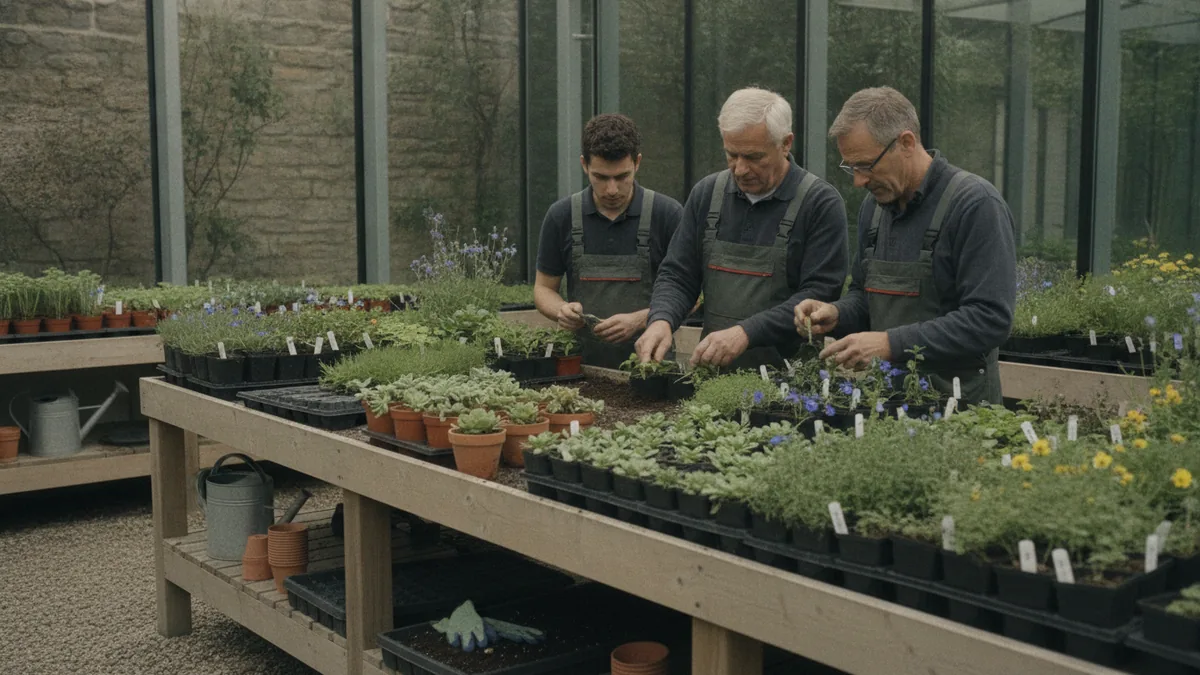
Market research and business planning
Good planning is what turns “how to start nursery plant business” into a real business plan. Start with a focused market check within a few driving miles. Speak to garden centers, landscapers, and local buyers to learn which plants they run out of, and what price they pay.
Build your business plan around plant care realities. Growth timelines matter, so estimate when you will have sellable stock. Use at least three scenarios: a best month, an average month, and a slow month, then check whether your cash covers seed, soil, and wages.
Local business resources can help you write and review your plan. Many regions offer small business workshops, free coaching, or guidance through chambers of commerce and development offices. Ask for programs that focus on start-ups, retail operations, or agriculture-adjacent ventures.
To avoid guessing, map your customer base early. Create a list of likely buyers and their reorder habits. Then decide which channels you will use first, such as market stalls, a simple website, or direct sales to contractors.
| Planning input | What to decide | Example output |
|---|---|---|
| Target customers | Retail vs. wholesale mix | 60% landscapers, 40% walk-in sales |
| Crop plan | 1–3 starter plant types | Fruit trees, shrubs, and seasonal bedding |
| Sales timing | When plants will be sale-ready | Peak shipments in spring and early summer |
| Budget | Upfront tools vs. ongoing spend | Soil, pots, irrigation parts, and labor hours |
If you are learning “how to start a tree nursery business,” include extra time in your model. Trees often need longer growing periods and staged sales. That means you must plan working capital for more months before larger cash payments arrive.

Choosing your nursery type
Your nursery type is the clearest decision you will make. It decides what “success” looks like, what you measure weekly, and how you forecast sales. Many owners start with a mixed approach, then shift toward the model that matches demand.
For retail vs. wholesale, ask a simple question. Do you want one big daily selling routine, or many repeat smaller sales? Retail often requires strong merchandising, consistent plant displays, and good customer service. Wholesale often requires standard sizes, predictable quality, and clear delivery terms.
Next, pick your plant focus and growing method. Some crops need heavy shade, while others need full sun. If you’re unsure, try a pilot bed or a small section that matches your likely plant care skills and available nursery infrastructure.
- Start narrow: pick 1–3 plant groups with reliable demand in your region.
- Standardize sizes: aim for consistent pot sizes or rootball grades.
- Plan for reorders: build relationships with buyers before peak seasons.
- Track loss rates: record which stock fails and why.
As you scale, join plant societies and trade networks again. Members can point you toward varieties that resist local pests. They may also share which plants are trending with landscapers this year.
Location and nursery infrastructure needs
Location is where many new owners underestimate costs. When people ask “how to start a nursery business,” they often picture pots and plants. In reality, your land requirements and setup determine whether plant care stays manageable.
Select a site with enough land for growing plants and space for expansion. As a rough planning baseline, you need room for rows, potting areas, storage, and safe vehicle access. If you plan wholesale, plan for packing and delivery staging so stock moves quickly after irrigation.
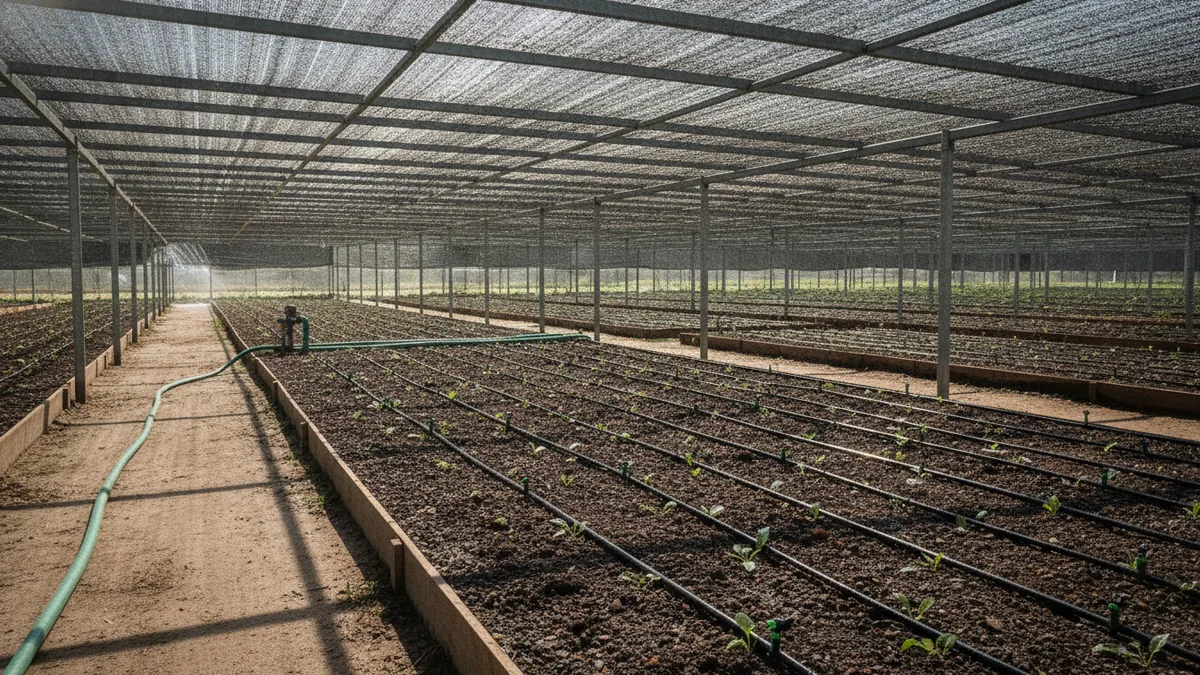
Nursery infrastructure usually includes shade houses and irrigation systems. Shade houses help protect young plants from heat stress and wind damage. They also stabilize growth, which makes quality more consistent for buyers.
Irrigation systems are not optional if you want steady quality. Many operations use drip lines or micro-sprinklers depending on plant type and bed layout. If water supply is unreliable, factor in storage tanks and backup pumping so plants do not dry out during delays.
- Shade structures: consider orientation, ventilation, and side coverage for your crops.
- Irrigation systems: plan for consistent flow, filtration, and easy repairs.
- Drainage: check soil runoff so beds do not stay waterlogged.
- Access: ensure tractors, carts, and delivery vehicles can reach key work zones.
If you’re building “how to start a tree nursery business,” check land slope and soil depth. Young trees need stable roots and steady moisture. Poor drainage can lead to root issues that are expensive to correct later.
Essential equipment and marketing your nursery
Essential equipment is where your budget can either stay controlled or spiral. Start with tools that reduce labor time and improve watering consistency. Then add larger machines only after you know your production pace.
Common essential equipment includes tractors and watering systems. A tractor helps with land prep, moving soil, and pulling carts for bulk loads. For watering, you may need hose sets, drip lines, pumps, timers, and fittings that match your water pressure. Choose parts that are easy to source locally.
Marketing is how you build your customer base before you need it. For retail, marketing strategies can include seasonal pop-ups, local partnerships, and clear signage at your site. For wholesale, marketing focuses more on trust, quality, and reliability.
Use a simple plan for outreach. Contact landscapers and garden centers, offer starter trials, and create an order list for upcoming seasons. Provide photos and consistent plant sizing so buyers can reorder without confusion.
| Goal | What to do | Measure |
|---|---|---|
| Reduce plant risk | Use shade and tested potting mixes | Lower loss rates each month |
| Sell faster | Offer bundles and clear sizing | Orders per buyer per season |
| Improve cash flow | Lock in pre-orders for peak months | Revenue from planned shipments |
Finally, keep improving plant care based on what sells. If a variety attracts buyers but has high loss rates, adjust spacing, shade level, or watering timing. If another plant sells slowly, you can shift your focus without rebuilding the whole nursery.
Quick checklist to sanity-check your start
- Business plan: map crops, timing, customers, and cash needs.
- Plant societies: use networks to learn local pest and sales realities.
- Land requirements: choose enough space for growing and access.
- Nursery infrastructure: plan shade houses and irrigation systems.
- Essential equipment: get tractors and watering systems that fit your scale.
- Marketing strategies: build both retail traffic and wholesale relationships.
Frequently asked questions
- How do i start a nursery business with no experience?
- Start with 1–3 plant types you can manage well and sell locally. Join plant societies and ask about pest control and timing. Build your business plan around realistic growth dates so cash stays steady.
- What is the best way to start nursery plant business sales?
- Choose retail vs. wholesale first, then target buyers that match your model. For wholesale, secure relationships with landscapers and garden centers early. For retail, focus on repeat visits and clear plant presentation.
- How to start a tree nursery business without losing money?
- Plan longer growing cycles and staged selling. Only scale after you track loss rates and confirm demand for your tree sizes. Ensure land drainage and consistent watering to protect roots.
- What nursery infrastructure do I need to begin?
- Most nurseries need shade protection and reliable irrigation systems. Plan drainage and easy access for carts or vehicles. If you grow in heat, shade houses often reduce stress and losses.
- What essential equipment should I buy first?
- Start with watering systems, hoses or drip lines, and basic handling tools. Add a tractor when you need bulk moving or land prep. Choose parts you can replace easily in your area.
- How do I create a business plan for a nursery?
- Include a crop schedule, estimated costs for soil and containers, and a sales timeline. Map customers, pricing assumptions, and reorder timing. Then test best, average, and slow scenarios for cash flow.
Related reading

Start a Mobile Drug Testing Business (Without a Lab)
Build a mobile testing service with sound training, lab links, and clear pricing.

Start a Business with a Problem Worth Solving
Turn a useful idea into a business with clear steps, sound research, and steady resolve.

Loft Conversion Timelines — What Affects the Build
Typical build times range from four to twelve weeks, plus planning and setup.