How to Start a Waste Management Business: Steps, Costs, and Setup
A practical guide to starting a waste management business: niche, permits, costs, operations, and growth.
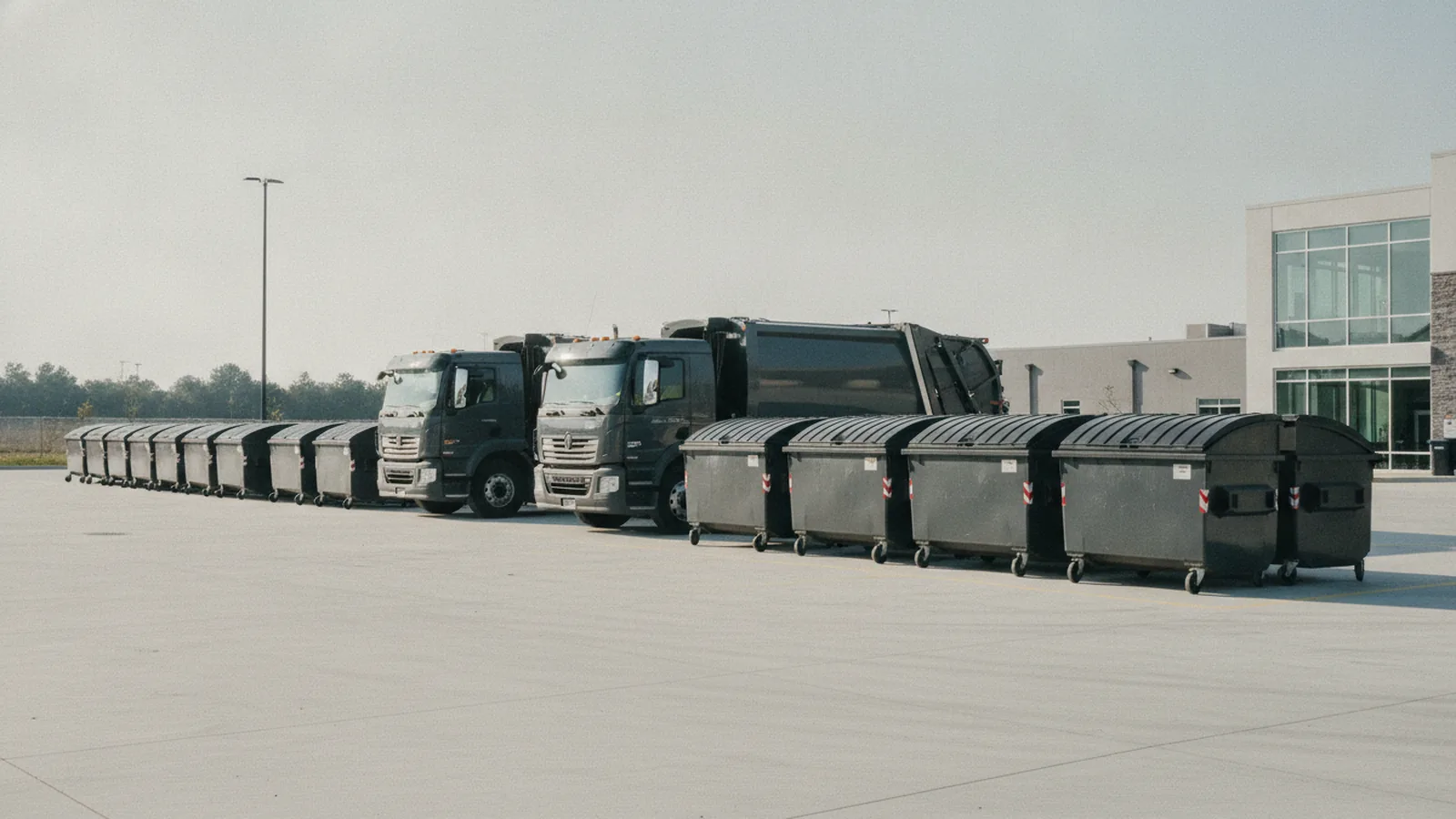
Understanding waste management business basics
To learn how to start a waste management business, begin with one fact. People must handle waste, even in slow times.
This work can feel recession-proof because demand rarely drops to zero. It also gives you many ways to earn money.
Most firms do one or more stages. They may collect waste, then move it to disposal or to recycling.
Some lines are harder. Hazardous waste management needs more rules and more gear.
- Collection: pickup from homes or sites
- Disposal: delivery to an approved dump or plant
- Recycling: sorting and sending materials to reuse
- Special handling: e-waste or hazardous loads
Choosing your waste management niche
If you ask how to start a waste collection business, the key step is niche choice. Your niche drives permits, tools, staff, and prices.
Common niches include home pickup, shop pickup, job-site waste, recycling, and e-waste. Each niche needs a different plan.
Start where you can build fast proof of service. Then you can grow into more clients later.
Residential routes work well if you can manage many stops. Commercial and job-site work can pay more per visit.
| Niche | Common clients | Main setup needs |
|---|---|---|
| Residential hauling | Homes and HOA groups | Dense routes, steady schedules, fast help |
| Commercial collection | Offices, stores, property teams | Job plans, bin care, quick issue fixes |
| Construction waste | Builders and remodel crews | Roll-off timing, site safety, seasonal swings |
| Recycling services | Clients who separate materials | Sort flow, buyer deals, material specs |
| e-waste or hazardous | Schools, labs, industry sites | More permits, trained staff, strict logs |
Regulatory requirements and permits you should expect
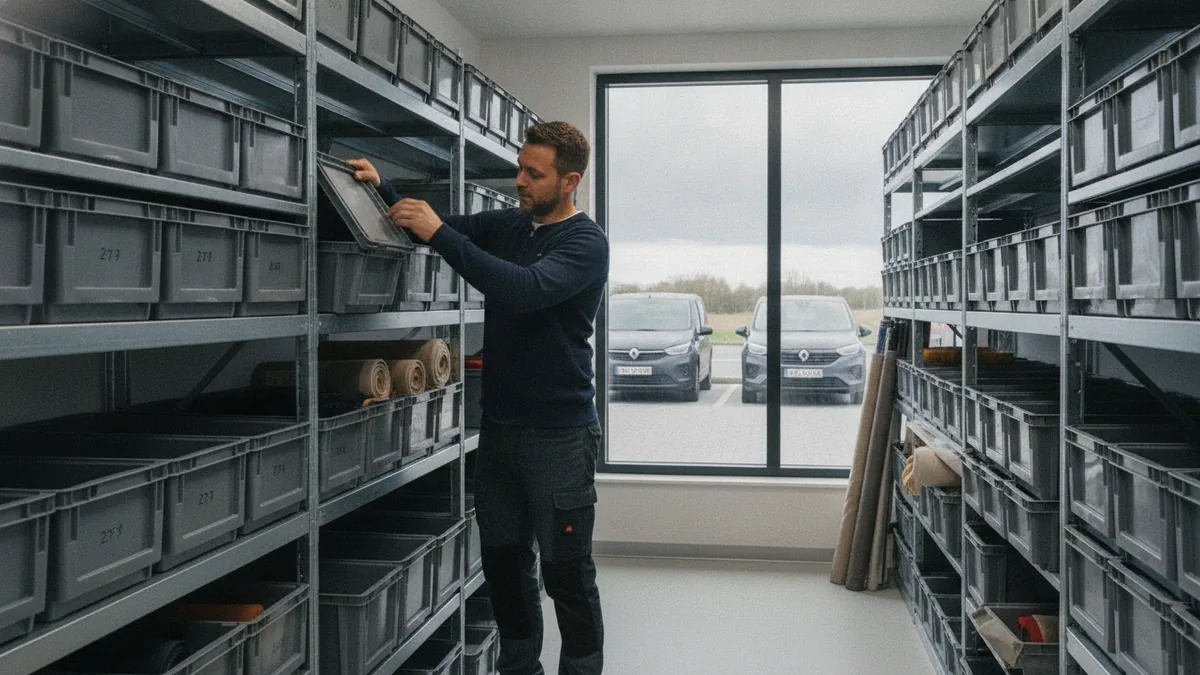
To know how to start a waste disposal business, plan for rules first. Waste work is tightly controlled by law.
You will likely need business licensing plus permit steps for your waste type. You may also need site rules and staff training.
Local rules matter most. Permits can take weeks or even months to approve.
So begin early. Ask what you need before you buy trucks or sign leases.
When you plan how to start a hazardous waste disposal business, ask about training and transport rules. Also ask what you can store and for how long.
When you plan how to start an e waste recycling business, ask about accepted items. Confirm which processor takes each type.
- Write your service list by waste type and location
- Ask your local office for required permits
- List approved disposal or recycling sites you will use
- Plan staff training for any special handling
- Make a permit calendar for each step
Calculating startup costs for waste collection and disposal
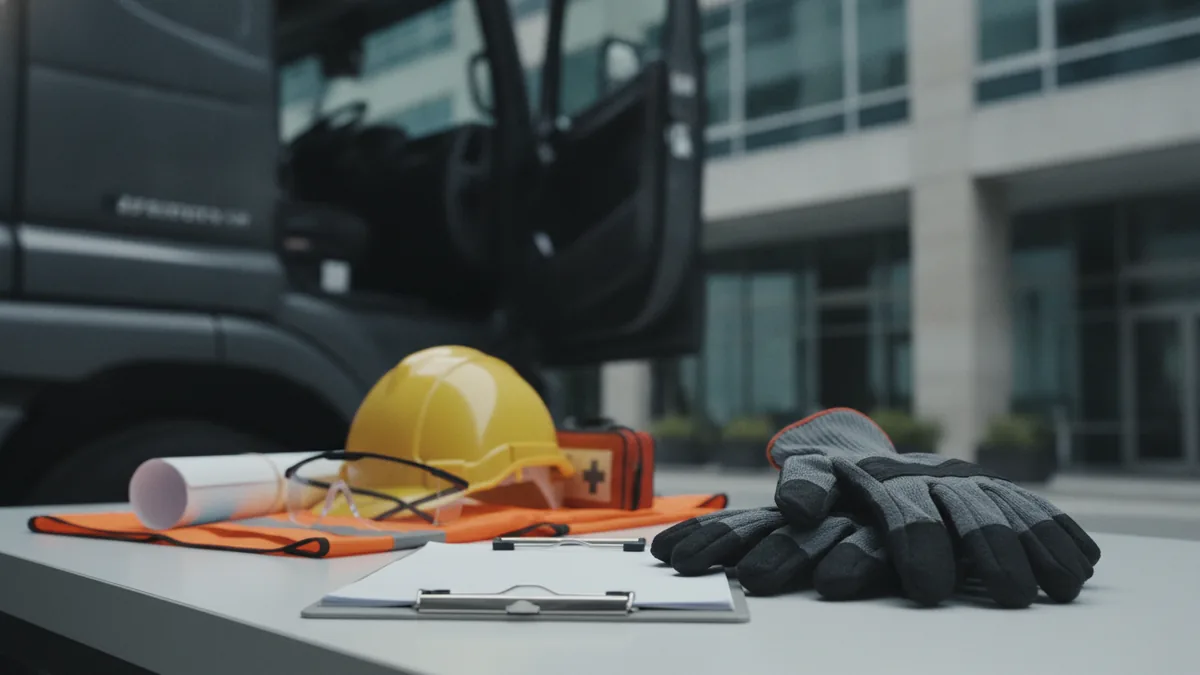
Startup costs can shape your timeline as much as permits. For many plans, costs run about $160,000 to $350,000.
Your niche changes the math. If you need more gear and more rules, your budget usually rises.
If you learn how to start a waste collection business, vehicles are often your top cost. Insurance, fuel, and upkeep add steady monthly load.
For disposal and recycling, you also face fees from approved sites. You may pay for scales, yard space, and handling tools.
Use a simple estimate first. Then add a cash buffer for delays and slower ramp time.
| Cost area | What to count | Why it hits early |
|---|---|---|
| Vehicles and tools | Trucks, trailers, bins, safety gear | You need them before you serve |
| Rule checks | Permits, staff training, site checks | Delays can pause your income |
| Ops setup | Yard space, scales, work tools | Lets you handle loads safely |
| Cash for growth | Insurance, rent, repairs, payroll | You still pay while you build |
- Assume your first routes take longer than planned.
- Budget for route tweaks after early weeks.
- Plan higher insurance if you handle hazardous loads.
Funding your waste management business
After you estimate startup capital, choose funding that fits your plan. Many firms use saved cash plus a loan or line of credit.
For costly trucks, equipment finance can help. It ties payments to the assets you buy.
A line of credit can cover cash gaps. This matters because pickup revenue can lag behind costs.
Lenders ask for a clear plan and proof of demand. You should show market analysis and pricing logic.
Lock in deals when you can. Commercial contracts help you forecast revenue better than one-time sales.
If you plan how to start a waste recycling business, include buyer risk. Prices for scrap can move each month.
- Make a 12-month cash plan with monthly costs
- Set prices by route time plus site fees
- Secure a disposal or processing partner early
- Plan how you will get customers in 90 days
- Match funding type to your biggest cost

Setting up operations for reliable service
Ops decide your results more than ads. If pickups miss or bills confuse, clients leave fast.
So build clear operational workflows. Define how a job starts, how changes happen, and how you close out each stop.
Use a work order system. Track each job, proof of service, and billing status.
Next, plan routes around stop density. Route optimization helps you cut empty miles and late runs.
Update routes often during the first month. Learn real time and service needs as you go.
If you handle recycling services, set sorting checks before you sell material. If you handle disposal, document each delivery to an approved site.
- Schedule by time windows, not just distance
- Use dispatch for route changes and skips
- Train staff on safety for your waste type
- Set service targets for fast fixes
- Review route cost every two weeks
Marketing and growing your waste management business
To grow, align marketing with your niche. Residential service needs local outreach and simple subscription pricing.
Commercial growth needs targeted sales. Aim at property managers, site leads, and ops managers.
If you plan how to start e waste recycling business work, trust matters. Many buyers want proof of clean handling and clear logs.
If you plan how to start a hazardous waste disposal business, show compliance readiness. Share how you train staff and track loads.
Use both new leads and retention. After a clean first pickup, ask for referrals.
Measure results each month. Track pickup success, churn, and cost per route hour.
Then tune the system. Better route management usually improves profit without extra ad spend.
- Pick your target clients by niche and area
- Send a proposal with schedule and pricing
- Start with a small pilot group of clients
- Convert pilots into multi-month contracts
- Adjust pricing when site fees change
Frequently asked questions
- What is the first step to how to start a waste management business?
- Pick your niche first, then map collection, disposal, and recycling needs. Start permit checks early so you do not wait to operate.
- How long does it take to get permits for a waste collection business?
- It often takes weeks or months, based on your area and waste type. Build a permit calendar and avoid late setup moves.
- How much startup capital do I need to start waste management?
- Many plans fall between $160,000 and $350,000, based on niche and equipment. Add a cash buffer because revenue usually ramps slowly.
- How do I start an e waste recycling business legally?
- Confirm which e-waste items you can accept and who will process them. Plan staff training and record steps before your first pickup.
- Is hazardous waste management profitable for small businesses?
- It can be, but you must handle rules, permits, and safety costs. Many succeed after they lock in steady commercial demand and disposal partners.
- What helps a waste collection business grow predictably?
- Commercial contracts and residential subscriptions can create repeat revenue. Combine that with route optimization and quick customer support.
Related reading

Start a Mobile Drug Testing Business (Without a Lab)
Build a mobile testing service with sound training, lab links, and clear pricing.

Start a Business with a Problem Worth Solving
Turn a useful idea into a business with clear steps, sound research, and steady resolve.
Loft Conversion Timelines — What Affects the Build
Typical build times range from four to twelve weeks, plus planning and setup.