How to Start and Grow a Trash Removal Business
Build a legal, profitable trash removal service from the ground up.

Understand the Trash Removal Industry First
To learn how to start a trash removal business, begin with local demand. Study homes, offices, landlords, builders, and property managers near you. Each group has different pickup needs, budgets, and service times.
Map your competitors before buying a truck. Record their service areas, prices, reviews, hours, and response times. Look for gaps they leave open. Weekend pickups, fast quotes, and small-load service can create a strong opening.
Choose a clear customer group first. A narrow offer makes sales and scheduling easier. You can widen the service after your routes become steady.
- Residential customers need furniture, appliance, yard, and move-out removal.
- Commercial clients may need office, retail, and recurring site pickups.
- Property managers often need fast turnover work between tenants.
- Builders may need debris removal after repairs or small projects.
- Specialty customers may need appliance, hot tub, or estate cleanouts.
Decide whether you will offer one-time jobs, recurring routes, or both. Recurring work can smooth out slow weeks. One-time jobs often bring higher margins.
Choose Your Services and Business Model
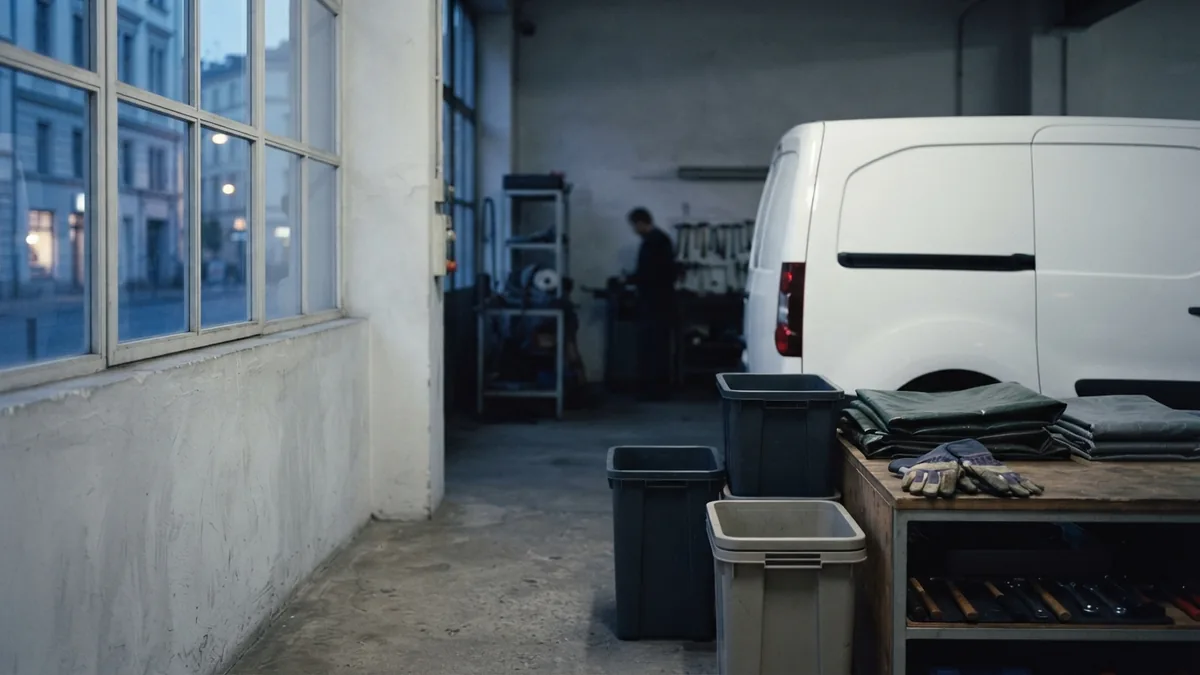
Your service list should match your truck, crew, and local rules. Do not promise work that needs special handling before you understand the risks. Start with common items that you can sort and move safely.
A basic offer may include residential junk removal, commercial pickups, and cleanouts. You could also add curbside collection or apartment trash valet service. A trash valet business collects bags from doorsteps and carries them to a shared dumpster.
Those models need different route plans. Doorstep valet work needs tight timing and clear building access. Large-item hauling needs more labor, space, and disposal planning.
Set a simple service menu
- Small pickup: a few bags or small items.
- Half-load pickup: roughly one section of your truck.
- Full-load pickup: most or all of the usable truck space.
- Recurring route: scheduled service for homes or business sites.
- Specialty pickup: items with extra labor, tools, or disposal fees.
Quote by volume when loads vary widely. Add separate fees for stairs, long carries, heavy items, and special disposal. This keeps your pricing strategy clear.
Build a Legal and Financial Foundation
Choose a business structure before taking paid jobs. Many owners start with a sole proprietorship or limited liability company. Ask a local accountant or lawyer which option fits your risk and tax needs.
Check city, county, and state rules before launch. A waste carrier permit may apply to your vehicle or service area. You may also need a business license, vehicle registration, zoning approval, or landfill account.
Rules change by location and by waste type. Ask the local public works office, environmental agency, and disposal sites. The U.S. Small Business Administration launch guide also outlines common setup tasks.
Some items need special treatment. Paint, chemicals, batteries, tires, refrigerants, and asbestos may have strict rules. Never place unknown liquids or dangerous goods into a normal load.
- Register the business name and tax accounts.
- Secure required waste hauling and local business permits.
- Confirm commercial vehicle and driver requirements.
- Buy general liability and commercial auto insurance.
- Ask about workers’ compensation rules before hiring.
- Keep disposal receipts and permit records.
Open a business bank account and track every load. Good records show your real profit. They also make tax work much easier.
Create a Practical Business Plan

A useful plan should guide daily choices. It does not need fifty pages. A clear five-page plan can cover your market, offer, costs, sales plan, and growth path.
List startup costs before buying equipment. Include the truck, insurance, permits, fuel, tools, uniforms, software, advertising, and disposal fees. Keep cash for repairs and slow months.
Estimate your break-even point with real numbers. For example, suppose fixed costs total $4,000 each month. If each job leaves $100 after direct costs, you need 40 jobs monthly to cover them.
Use a pricing formula that protects your margin:
| Cost area | What to include |
|---|---|
| Labor | Drive time, lifting time, loading, and cleanup |
| Vehicle | Fuel, repairs, tires, and loan payments |
| Disposal | Landfill, transfer station, recycling, and special fees |
| Overhead | Insurance, phones, software, rent, and advertising |
| Profit | Your target return after all other costs |
Set a minimum job price. Small jobs still consume travel time and labor. A minimum charge prevents low-value calls from filling your calendar.
Plan growth in stages. First, build one reliable route and a repeatable quote process. Then add a second vehicle, a helper, or a new service area.
Get Customers Through Local Marketing
Trash services win through trust, speed, and local visibility. Create a clear website with service areas, price factors, hours, and booking details. Add real project photos without showing private customer details.
Set up a complete business profile on major map services. Ask happy customers for honest reviews after each completed job. Respond to every review with a calm, useful message.
Use search terms that match customer needs. Pages for apartment cleanouts, furniture removal, and commercial pickups can reach focused buyers. Keep each page useful and local.
Offline marketing still matters. Build referral ties with real estate agents, apartment managers, contractors, storage sites, and moving firms. Leave a simple service sheet where local rules allow it.
- Offer a first-job discount without underpricing every service.
- Use branded vehicle panels with a phone number and service area.
- Send follow-up messages after quotes and completed work.
- Share fixed pickup windows instead of vague arrival promises.
- Track calls, quote wins, review requests, and repeat jobs.
Fast replies can beat a larger rival. Aim to answer new leads within one business hour. Give a quote range when an exact price needs photos or an on-site visit.
Buy the Right Equipment and Tools
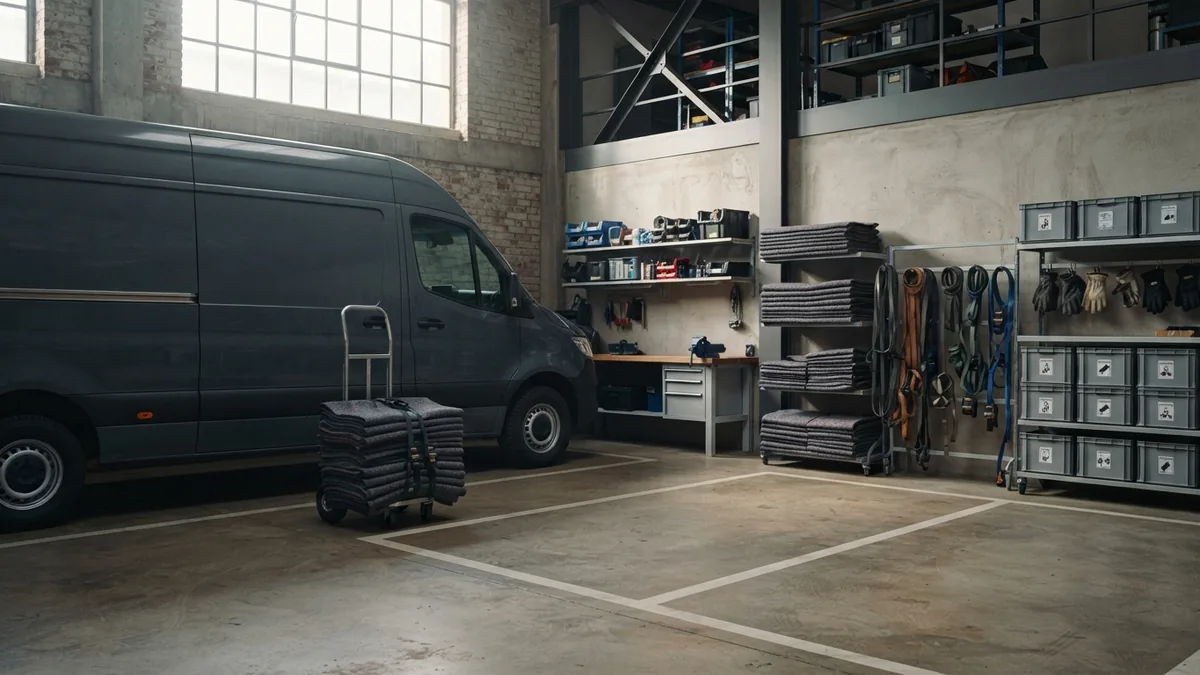
Start with safe, useful tools rather than a large equipment pile. A used box truck, pickup, or trailer may work for early routes. Check payload limits before loading heavy material.
Protect your crew and customers during every job. Moving waste can expose workers to sharp edges, dust, pests, and unstable loads. Use training, safe lifting methods, and clear refusal rules.
- Pickup, box truck, or enclosed trailer suited to your route.
- Dollies, hand trucks, ramps, straps, and moving blankets.
- Work gloves, safety glasses, boots, masks, and high-visibility vests.
- Tarps, brooms, shovels, bins, and heavy-duty bags.
- Basic hand tools for safe furniture breakdown.
- Phone, route app, payment tool, and digital receipt system.
- First-aid kit, fire extinguisher, and spill cleanup supplies.
Inspect the vehicle before each shift. Check tires, lights, brakes, straps, and load covers. Small checks can prevent costly downtime.
Buy equipment in stages. Rent specialty tools until demand supports ownership. Keep disposal sites and backup repair shops on your route plan.
Run Clean Routes and Sustainable Operations
Sustainable waste management can lower costs and strengthen your brand. Sort loads before disposal when time and site rules permit. Keep reusable goods, metals, cardboard, and electronics separate.
Ask recycling centers about accepted materials before promising recycling. The U.S. Environmental Protection Agency recycling guide explains common material rules and limits.
Donate usable furniture through trusted local groups. Keep donation receipts when clients need records. Never claim that every item will be reused or recycled.
Route planning also supports sustainability. Group nearby jobs to cut fuel use and travel time. Offer scheduled pickup days for commercial customers with steady waste.
- Use reusable tarps and bins where practical.
- Track landfill, recycling, donation, and resale shares.
- Train staff to spot banned or dangerous items.
- Keep loads covered to prevent litter on public roads.
- Share clear disposal limits before the crew arrives.
Improve Service After Your First Jobs
Good customer service turns one pickup into repeat work. Confirm the address, item list, access notes, and price window before arrival. Send a final receipt after payment.
Review your numbers every week. Track revenue per route, fuel cost, disposal cost, quote win rate, and customer complaints. These figures show which jobs deserve more attention.
Learn how to start a trash collection business at a small scale before adding crews. Reliable systems matter more than fast expansion. When routes stay full and margins stay healthy, growth becomes safer.
Step-by-step
- 01 Research your local market
Study competitors, customer groups, disposal sites, and common pickup needs. Choose a service area with enough demand and manageable travel.
- 02 Choose services and prices
Select core services such as residential removal, commercial pickups, or cleanouts. Set minimum prices and add fees for labor, distance, and special disposal.
- 03 Register and insure the business
Form the business structure that fits your needs. Secure local licenses, waste permits, vehicle paperwork, insurance, and any worker coverage.
- 04 Buy essential equipment
Get a safe vehicle, loading tools, protective gear, tarps, and cleanup supplies. Check payload limits and inspect the vehicle before each shift.
- 05 Build routes and disposal plans
Choose approved disposal, recycling, and donation partners. Group nearby jobs to cut fuel use and improve daily capacity.
- 06 Market and improve the service
Create local online listings, build referral ties, and request honest reviews. Track job margins, response times, repeat work, and customer feedback.
Frequently asked questions
- How much does it cost to start a trash removal business?
- Costs vary by vehicle, permits, insurance, tools, and disposal fees. A lean launch may use a used truck and rented tools, while a larger operation needs more cash.
- What license do I need for a trash removal business?
- You may need a business license, waste carrier permit, vehicle registration, and local approval. Check rules with your city, county, state, and disposal sites.
- How should a trash removal business charge customers?
- Use volume pricing with a minimum charge. Add clear fees for stairs, long carries, heavy items, special disposal, and extra labor.
- What equipment is needed for trash hauling?
- Core gear includes a suitable vehicle, dolly, ramps, straps, tarps, gloves, boots, safety glasses, bags, and cleanup tools. Add specialty tools only when demand supports them.
- Is a trash valet business profitable?
- It can be profitable when routes stay dense and service times remain short. Apartment contracts and recurring schedules can create steadier revenue than one-time jobs.
- How can a trash removal company recycle more waste?
- Sort loads before disposal and build ties with recycling centers, donation groups, and resale partners. Confirm accepted materials before making recycling claims.
Related reading

Loft Conversion Timelines — What Affects the Build
Typical build times range from four to twelve weeks, plus planning and setup.

Get a Small Business Tax ID (EIN and State Rules)
Get an EIN from the IRS for free, then check your state’s tax ID rules.

Business Management Courses — Skills, Degrees and Careers
Explore the subjects, skills, degrees, and career paths in business management.