How to Start and Manage a Boat Business (With Clear Steps)
A practical guide to starting and running your boat business.

Choosing the right boat business type
To learn how to start a boat business, first pick your service type. The right model matches your skills and your local demand. Different boat types bring different buyers, schedules, and risks.
Start with a short market scan. Look at marinas, boat ramps, and repair shops in your area. Then compare how often people need help, like weekly, monthly, or only twice a year. That frequency shapes your cash flow.
Consider these common boat business types. Pick the one you can run well from day one. You can add more later once you earn steady repeat work.
- Charter or tours: You sell time on the water and manage guest plans and weather.
- Boat repair: You fix faults and manage parts, labor time, and return visits.
- Boat detailing: You clean, polish, and protect surfaces for a like-new look.
- Boat storage: You rent space and manage access, safety, and seasonal moves.
- Boat building: You plan and craft new boats, then manage long build timelines.
Ask what you enjoy and what you do well. If you like careful surface work, detailing fits. If you like diagnosis and hands-on fixing, repair fits. If you like plans and schedules, building may fit.
When you ask how to start a boat detailing business, remember it is more than washing. You inspect surfaces, prep the area, then protect the finish. Quality is your main product. Rework costs money, so focus on repeat steps.
When you ask how to start a boat repair business, parts and time matter. You must track what you found, what you did, and what parts cost. Customers want clear updates. That helps you keep trust.
When you ask how to start a boat building business, plan work like a project. Material timing, shop space, and inspections affect your schedule. You will win by hitting dates and finish quality.
When you ask how to start a boat storage business, control access and risk. You need clear rules for drop-off, pick-up, and damage notes. If you manage those well, people renew.
When you ask how to start a boat tour business, build strong customer service. Guests expect calm boarding, clear safety checks, and smooth route days. That means staff readiness every trip.
Essential planning steps before you launch
A plan makes how to start a boat business less guessy. It tells you what you sell, who buys, how you work, and how you earn. Use it to guide pricing and staffing decisions.
Your business plan should cover services and who you serve. It should also cover daily work and your revenue sources. Include the boat types your customers own most. That choice shapes your tool list and your service menu.
Set clear service packages. Then write what each package includes and excludes. This reduces mix-ups and helps quotes stay steady. It also helps your team deliver the same result each time.
Outline your ops step by step. Will you travel to clients, or work from a shop? For tours, map the day flow from booking to return. For storage, map intake, keys or codes, and seasonal handling.
- Write your service menu: List tasks, limits, and typical turn times.
- Pick target buyers: Name groups and the spots where they look for help.
- Map daily work: Note tools, labor hours, and booking steps.
- List revenue streams: Add add-ons, renewals, and seasonal plans.
Then build a simple forecast. Use safe numbers first, then test them. If you plan 10 jobs per week at $200 each, that is $2,000 weekly revenue. Expenses will still be real, so plan for them.
Also plan for slow weeks. Many boat jobs swing with weather and holidays. Add off-season offers like winter checks or shrink wrap help. Those help you smooth income.

Legal requirements, licensing, and legal compliance
How to start a boat business includes legal compliance from the start. Rules vary by place and by service type. You need the right business setup and the right marine rules.
Your first task is to check local business rules. Register your firm where you operate. Set up taxes and any local permits that apply to your shop or site.
Next, check type-specific licensing needs. Tours often need operator proof and clear guest safety rules. Repair may need shop permits and waste rules for used fluids. Storage often needs contract terms and clear risk limits. Building may need set inspection steps.
Make one list by service type. Then ask your local office which items apply to you. Do not guess from blog tips. Ask for what you must do, and what you must file each year.
| Boat business type | Rules to confirm early |
|---|---|
| Tour or charter | Operator needs, guest safety steps, trip limits, route rules |
| Repair | Shop permits, waste rules, parts trace steps, offer terms |
| Detailing | Chemical use rules, water disposal steps, local business permits |
| Storage | Rental terms, access rules, site security, liability limits |
| Building | Inspection points, material rules, job notes and proof |
Be ready to update paperwork. Renewals can hit at the worst time. Track due dates in one place so you do not miss a deadline. This keeps your business open.
If you work with a marina, ask what they require. Many marinas need proof of insurance. They may also require proof of training. That is normal for shared water sites.

Financial considerations, budgeting, and pricing
Startup and operating costs decide if your boat business lasts. Estimate both before you set prices. This is the core step behind a safe pricing plan.
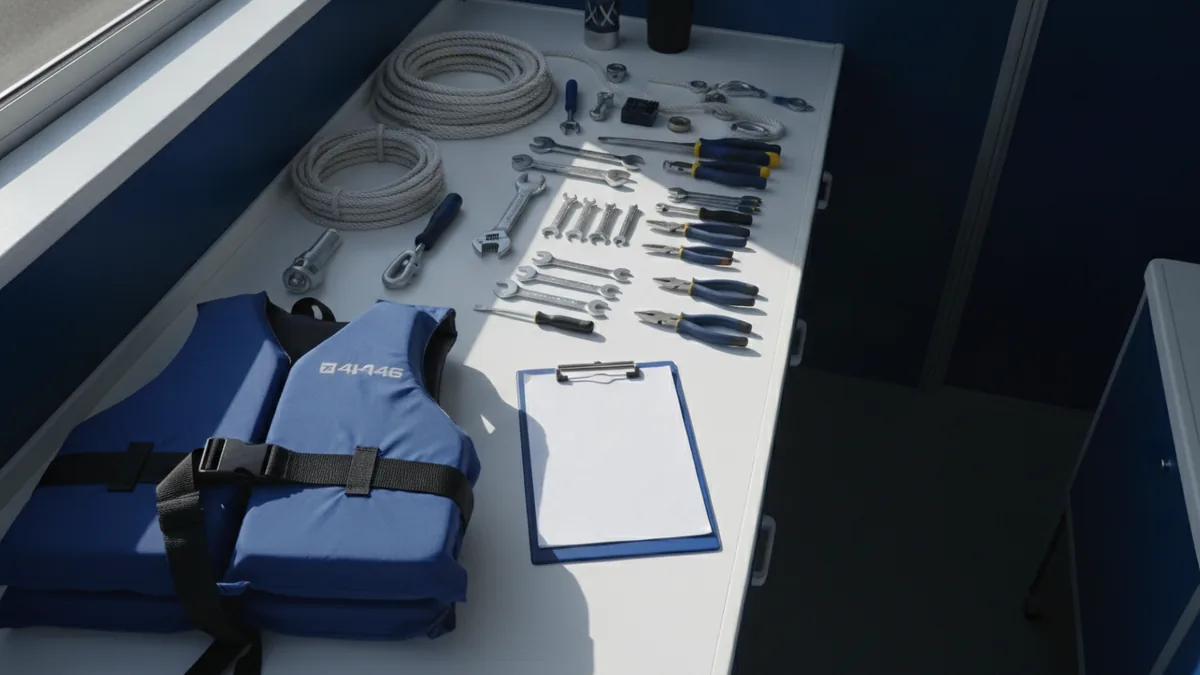
Startup costs often include tools and first supplies. A detailing business may buy pads, polish, and drying gear. A repair business may need test gear and lifting support. A storage business may need access control and site setup. A tour business may need vessel upkeep and booking tools. A build business needs materials and shop setup.
Operating costs keep going every month. Plan for insurance, shop rent or dock fees, and basic repairs. Also plan for fuel, travel time, and time you do not bill. If you ignore your own labor, your prices will be too low.
- One-time setup: tools, first supplies, site basics, insurance setup.
- Monthly overhead: rent, power, phone, basic software, admin work.
- Per-job costs: parts, consumables, disposal fees, rework time.
- Cash buffer: money for slow weeks and surprise repairs.
Use a pricing math model. Start with your labor cost per hour. Add parts and supplies. Then add overhead share. Then add profit to cover risk.
Compare your packages to local quotes. Do not race to the lowest price. Customers pay for clarity, fast work, and good results. If you can explain your steps, you can charge with confidence.
Also plan your season. Storage and detailing can dip and rise with weather. Tours may peak in summer. Repair can spike after storms. Create offers for the slow months so income stays steadier.

Marketing strategies that attract boat customers
Marketing is how people learn you exist. For most boat services, local trust matters. You need both online tools and local touch points.
Digital marketing helps when it matches local intent. Build a clear site with service pages. Use photos that show real work. Post short tips that answer common questions about boat care.
Reviews help more than ads for many small boat firms. Ask for reviews after a job finishes. Reply to reviews with details about what you did. That builds trust and helps future buyers decide faster.
Traditional marketing also works near water. Place flyers at marinas and boat ramps. Partner with trailer repair shops and bait stores. Offer a small seasonal deal to partner customers. It is a simple way to earn first jobs.
If you do tours or storage, ask partners for referrals. Rental firms and slip providers hear customer needs first. Co-marketing can reduce your ad spend. It can also bring better-fit customers.
- Make a simple offer: One clear package beats vague options.
- Set up lead flow: Use a call line or booking link with quick questions.
- Show proof: Post results you can stand behind.
- Work the local map: Stay active in groups and meet nearby owners.
Track a few metrics. Count calls per week. Track jobs per lead. Watch your average job value. Then improve your offer instead of just raising ad budget.
Hiring crew and support staff
Hiring depends on your boat business model. A one-person setup can start with detailing and small repair tasks. Tours and charters need extra help for trips. Storage needs help with intake and site rules. Boat building needs specialists based on your method and materials.
Even part-time roles need clear needs and clear limits. Write what each role must do each day. Then add your quality rules. This reduces training time and service drift.
Use certification only where it matters. Some roles need safety training and proof of ability. Tours need trained safety habits. Repair work may need system knowledge. Detailing roles need care with chemicals and finishes. Storage needs knowledge of access steps and damage logs.
- Detailing support: safe handling of cleaners and surface prep steps.
- Repair tech: diagnostic skill and good job notes.
- Storage coordinator: booking, access steps, and intake check logs.
- Tour assistant: guest help, safety checks, and calm support.
Build a small quality system. Use intake forms and job check steps. Log what you found and what you fixed. Add what the customer should do next. This turns your crew into a team, not a set of random workers.
Safety protocols and insurance needs
Safety protocols and insurance needs protect your boat business. Boating work can cause injury and property loss. Weather shifts fast. That is why you need written steps and the right coverage.
Start with a safety plan for your most common work. Repairs and tours should include a pre-trip vessel check. Detailing should include slip steps and chemical handling rules. Storage should include secure access and clear damage notes. Tours should include emergency plans and drills.
Then match insurance options to your risk. Many firms need general liability. Tool and equipment coverage can help too. Tours may need special coverage tied to passenger risk. Storage may need coverage tied to on-site property handling.
Ask an insurance pro who knows marine work. Show your real workflow, not just your job titles. Get answers about what is covered and what is not covered. Also check if your marina partners require proof of coverage.
Finally, make safety routine. Train staff before busy weekends. Log near-misses and small incidents. Review the plan when seasons change. When safety becomes a habit, you lower risk and keep trust.
If you tell customers what to expect, you also protect your business. Clear scope and clear timing prevent most fights.
Frequently asked questions
- What are the main types of boat businesses I can start?
- Common options include boat detailing, boat repair, boat storage, boat tours, charters, and boat building. Each type needs different tools, staff, and levels of risk.
- How do I start a boat detailing business step by step?
- Plan service packages, then price time, tools, and supplies. Set up booking and job checks. Market locally with real results, then ask for reviews after each job.
- How do I start a boat repair business without underpricing?
- Estimate labor time, parts cost, and disposal fees. Use a fully loaded hourly rate, not only parts cost. Write clear job scope notes so customers understand your quote.
- What legal requirements and licensing might apply to boat tours or storage?
- Boat tours often need proof of operator skill and passenger safety rules. Boat storage usually involves business rules, contracts, and clear liability limits under local regulations.
- What should I budget for when learning how to start a boat business?
- Budget tools, first supplies, insurance, utilities, and marketing. Add a cash buffer for slow weeks and surprise repair needs.
- Do I need crew certifications when hiring staff?
- It depends on the role and your service model. Tours, repairs, and guest-facing work often need proof of training and safe habits.
Related reading

Start a Mobile Drug Testing Business (Without a Lab)
Build a mobile testing service with sound training, lab links, and clear pricing.

Start a Business with a Problem Worth Solving
Turn a useful idea into a business with clear steps, sound research, and steady resolve.

Loft Conversion Timelines — What Affects the Build
Typical build times range from four to twelve weeks, plus planning and setup.