Start a Scrap Metal Business—Plan, Equip, and Grow
Plan, license, equip, and market your scrap metal business with confidence.

Start With a Clear View of the Scrap Metal Market
To start a scrap metal business, choose your materials, buyers, site, and legal path first. Most new firms begin with ferrous metals, non-ferrous metals, or both. Ferrous metals contain iron and include steel and cast iron. Non-ferrous metals include copper, brass, aluminium, and stainless steel.
Demand comes from mills, foundries, builders, makers, and export firms. Recycled metal can lower raw material costs for these buyers. The EPA's recycling basics also explains how recycling saves resources and energy.
Study local supply before you buy equipment. List demolition firms, plumbers, electricians, farms, factories, and repair shops nearby. Then call scrap yards and mills to learn what they buy, how they grade loads, and when they pay.
- Track prices for copper, brass, aluminium, steel, and insulated wire
- Map nearby yards, mills, ports, rail links, and large buyers
- Ask suppliers how often they can provide usable loads
- Pick one niche that fits your cash, space, and transport limits
Prices can change each week. Use several buyer quotes before setting your offer price. Keep a margin for fuel, sorting loss, labor, rent, and price drops. Start narrow, then widen your range after your process works.
Build a Business Plan That Matches Your Cash

A strong business plan turns a broad idea into a working model. Set out your suppliers, buyers, metals, site, staff, tools, and expected monthly volume. Explain how each load moves from pickup to sale.
Build three cash views for the first year. Show a low case, a likely case, and a strong case. Include rent, insurance, fuel, wages, repairs, permits, software, and debt payments. Add working cash for buying loads before buyers pay you.
Use simple unit math. For example, a load may cost $4,000 and sell for $4,700. If sorting, fuel, and labor cost $450, the gross gain is $250. That gain may not cover your fixed costs.
Your plan should also set buying rules. Decide which grades you accept, who checks them, and when you reject a load. Keep supplier records and photo proof for high-value items. This helps prevent theft claims and billing disputes.
| Plan area | Question to answer |
|---|---|
| Supply | Who can provide steady loads? |
| Sales | Who buys each grade and volume? |
| Costs | What does each load cost to handle? |
| Cash | How long until each sale pays? |
| Risk | What happens when prices fall? |
If you mean how to start a scrap business with little cash, begin as a broker or pickup service. You can sell sorted loads to a licensed yard. This approach needs less land and fewer machines. It also gives you useful buyer data before a larger launch.
Choose a Site That Supports Safe, Fast Work
Pick a site near suppliers and buyers. Good road access can lower fuel use and truck delays. Space matters too. You need room for incoming loads, sorting, storage, loading, and safe vehicle movement.
Check zoning rules before signing a lease. Ask the planning office whether scrap storage, vehicle traffic, noise, and outdoor storage are allowed. Get written answers where possible. A cheap site can become costly if the council blocks your use.
Inspect drainage, hard surfaces, lighting, fencing, and fire access. Wet ground can harm stock and raise pollution risks. A strong yard surface also makes forklifts and scales safer. Keep public traffic away from loading zones.
Plan separate areas for ferrous stock, non-ferrous stock, waste, and held loads. Clear lanes reduce mix-ups. They also help staff spot unsafe items before handling them.

Secure Licenses, Permits, and Insurance
Legal rules differ by country, state, and city. Ask your local authority for the exact rules before trading. Many places require a scrap metal dealer license. Some also require seller checks, transaction records, police reports, or payment limits.
You may need environmental permits for stormwater, waste storage, air emissions, or yard drainage. Batteries, oil filters, cylinders, and electronic parts can need special handling. Never accept unknown drums or sealed containers without a safe review.
Set up a business entity, tax account, bank account, and insurance cover. Consider general liability, vehicle cover, property cover, and workers' compensation. Ask an adviser about theft risk and pollution cover.
Use official guidance for site and worker rules. The U.S. OSHA recycling industry guidance covers common hazards around vehicles, machines, and stored materials.
- Confirm dealer licensing with your city or state
- Check environmental permits with the relevant agency
- Record seller identity and load details where required
- Keep permits, insurance, training logs, and inspections current
Do not copy another yard's permit list. Their site, materials, and local rules may differ. A short meeting with a local adviser can prevent an expensive start-up mistake.
Buy the Equipment Your First Loads Need
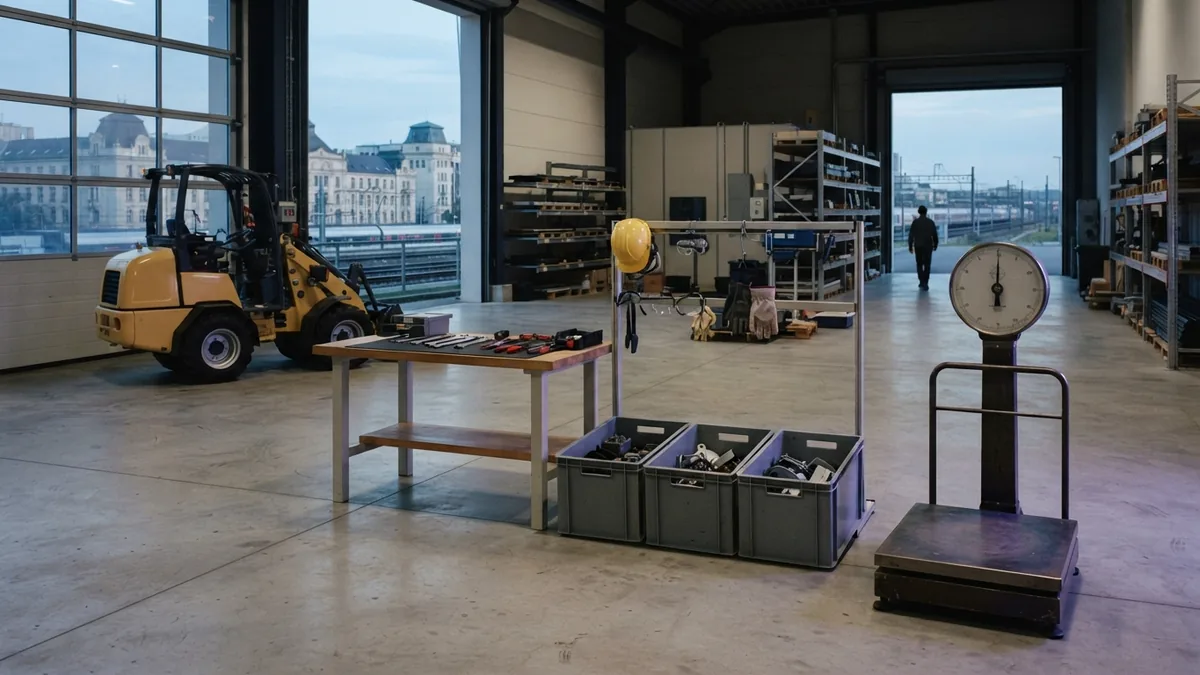
Start with tools that improve weighing, sorting, loading, and safe handling. A certified platform scale gives you a fair basis for each deal. Smaller bench scales help with high-value items such as copper and brass.
Basic sorting tools include magnets, bins, cutters, pry bars, hand tools, and sample containers. A forklift or loader can speed up heavy work. Choose machines that fit your yard and expected volume.
Safety gear is not optional. Supply hard hats, eye protection, gloves, hearing protection, high-visibility clothing, and steel-toe boots. Add face shields or respirators when a task calls for them.
Do not buy a baler, shear, or vehicle too soon. Rent or outsource heavy work until demand supports ownership. A machine that sits idle still needs repairs, space, insurance, and power.
- Certified scales and weight records
- Sorting bins, magnets, cutters, and hand tools
- Forklift, loader, or safe lifting aids
- Fencing, lights, cameras, and fire gear
- Gloves, boots, eye gear, hearing protection, and hard hats
Market the Yard to Suppliers and Buyers
Marketing starts with a clear promise. Tell suppliers what you buy, where you collect, how you weigh, and when you pay. Tell buyers which grades you can supply and how you control load quality.
Use local search, a simple website, and a verified business profile. Show your service area, opening hours, accepted metals, and pickup rules. Add real site photos without exposing private records or valuable stock.
Build direct ties with plumbers, builders, electricians, farms, and plant managers. Offer scheduled pickups for steady suppliers. Ask happy suppliers for reviews after a smooth sale.
Use local ads near industrial areas and trade sites. Test one message at a time. Track calls, quote requests, pickup jobs, and repeat loads. Stop ads that bring poor loads or low-value leads.

Buyer relationships matter just as much. Send clean, well-sorted loads and meet agreed weights. Ask buyers for their grade rules before your first delivery. Reliable quality can earn faster payment and better terms.
Run Safe Operations With Simple Technology
Write a safe work plan before your first pickup. Train staff to spot pressurised cylinders, sealed containers, fuel tanks, batteries, and sharp hazards. Create a stop rule for unknown or unsafe items.
Separate people from moving vehicles. Mark walking routes and loading zones. Set speed limits on the yard. Check forklifts, loaders, scales, and fire gear on a set schedule.
Use stock software or a well-built spreadsheet from day one. Record supplier, material, weight, grade, price, buyer, and sale date. Barcode tags can help staff find stored loads faster.
Review daily totals each week. Compare bought weight with sold weight. Check price gaps, shrinkage, fuel costs, and unpaid invoices. These checks reveal weak buying rules before they drain cash.
Set simple targets for pickup time, sorting speed, stock days, and gross gain per load. Keep the data clean. Better records make better buying choices.
Grow Only After the Core Process Works
After several months, review your plan against real results. Which metals bring the best margin? Which suppliers bring repeat loads? Which buyers pay on time?
Then choose your next move. You might add a truck, a baler, a second yard, or a new metal grade. Add one major cost at a time. Test demand before signing long contracts.
If you want to learn how to start a scrap metal recycling business, focus on clean sorting and waste control. If you plan exports, study customs rules, shipping costs, buyer standards, and currency risk first. Export sales can widen your market, but they also add paperwork and longer cash cycles.
Metal fabrication is a different model. It needs design skills, cutting tools, welders, customer quotes, and job control. Do not mix fabrication plans with a scrap yard plan without separate cash forecasts.
The best route for how to start your own scrap metal business is steady and measured. Secure supply, prove your margins, meet every rule, and build trust load by load.
Step-by-step
- 01 Study the local market
List nearby suppliers, yards, mills, ports, and large buyers. Track metal grades, prices, supply volume, and buyer terms.
- 02 Choose your metal niche
Select ferrous metals, non-ferrous metals, or a focused mix. Match the choice to your cash, site, tools, and buyer demand.
- 03 Write the business plan
Set out supply, sales, costs, staff, equipment, and cash needs. Build low, likely, and strong sales cases.
- 04 Secure a suitable site
Check zoning, road access, drainage, fencing, storage space, and vehicle flow. Get written approval before signing a lease.
- 05 Get legal approval
Apply for dealer licenses and environmental permits. Set up insurance, tax records, seller checks, and safe waste handling.
- 06 Buy core equipment
Start with certified scales, sorting tools, bins, lifting aids, and safety gear. Rent heavy machines until demand proves the need.
- 07 Launch and track results
Market to local suppliers and buyers. Record every load, cost, sale, delay, and margin so you can improve the model.
Frequently asked questions
- How much money do I need to start a scrap metal business?
- The amount depends on your site, vehicle, stock, and equipment. A small pickup service needs less cash than a full yard with loaders and scales.
- What licenses do I need for a scrap metal business?
- Many areas require a scrap metal dealer license and business registration. You may also need environmental permits, seller records, and local zoning approval.
- What equipment is needed for a scrap metal business?
- Most yards need certified scales, sorting bins, magnets, hand tools, lifting equipment, storage areas, and safety gear. Add heavy machines only after volume supports them.
- Is scrap metal recycling profitable?
- It can be profitable when buying, sorting, transport, and sale costs stay below buyer payments. Price changes and poor sorting can quickly reduce margins.
- How do I find suppliers for a scrap metal business?
- Contact builders, plumbers, electricians, farms, factories, and demolition firms. Offer clear pickup terms, fair weighing, fast payment, and reliable service.
- Can I export scrap metal from a new business?
- Yes, but exports add customs rules, freight costs, buyer checks, and currency risk. Prove your local process first, then confirm every export rule before shipping.
Related reading

Start a Mobile Drug Testing Business (Without a Lab)
Build a mobile testing service with sound training, lab links, and clear pricing.

Start a Business with a Problem Worth Solving
Turn a useful idea into a business with clear steps, sound research, and steady resolve.

Loft Conversion Timelines — What Affects the Build
Typical build times range from four to twelve weeks, plus planning and setup.